
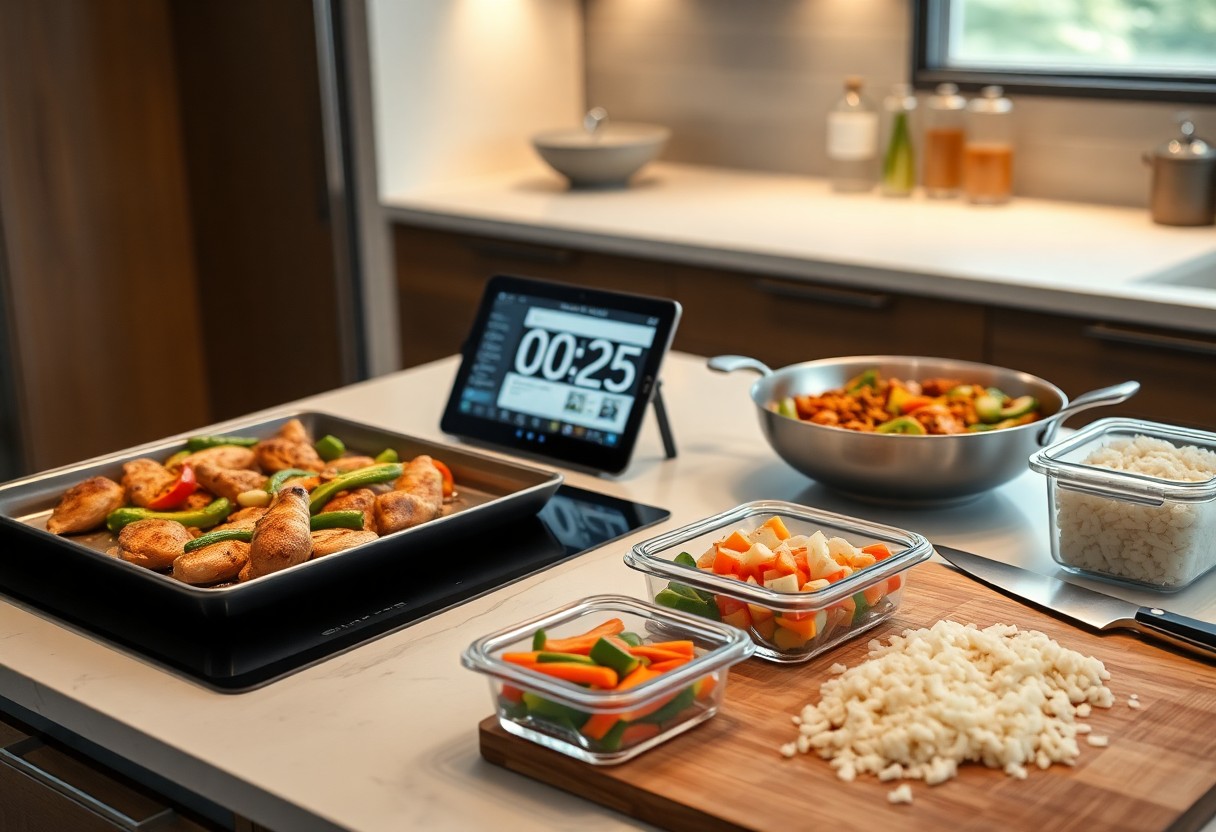
You can simplify dinner time with dependable, 30-minute family meals that save time without sacrificing nutrition or flavor; this guide gives practical recipes, meal-prep strategies, and smart ingredient swaps so your weeknights flow smoothly and everyone eats well, helping you build a repeatable routine that reduces stress and keeps evenings enjoyable for the whole family.
Key Takeaways:
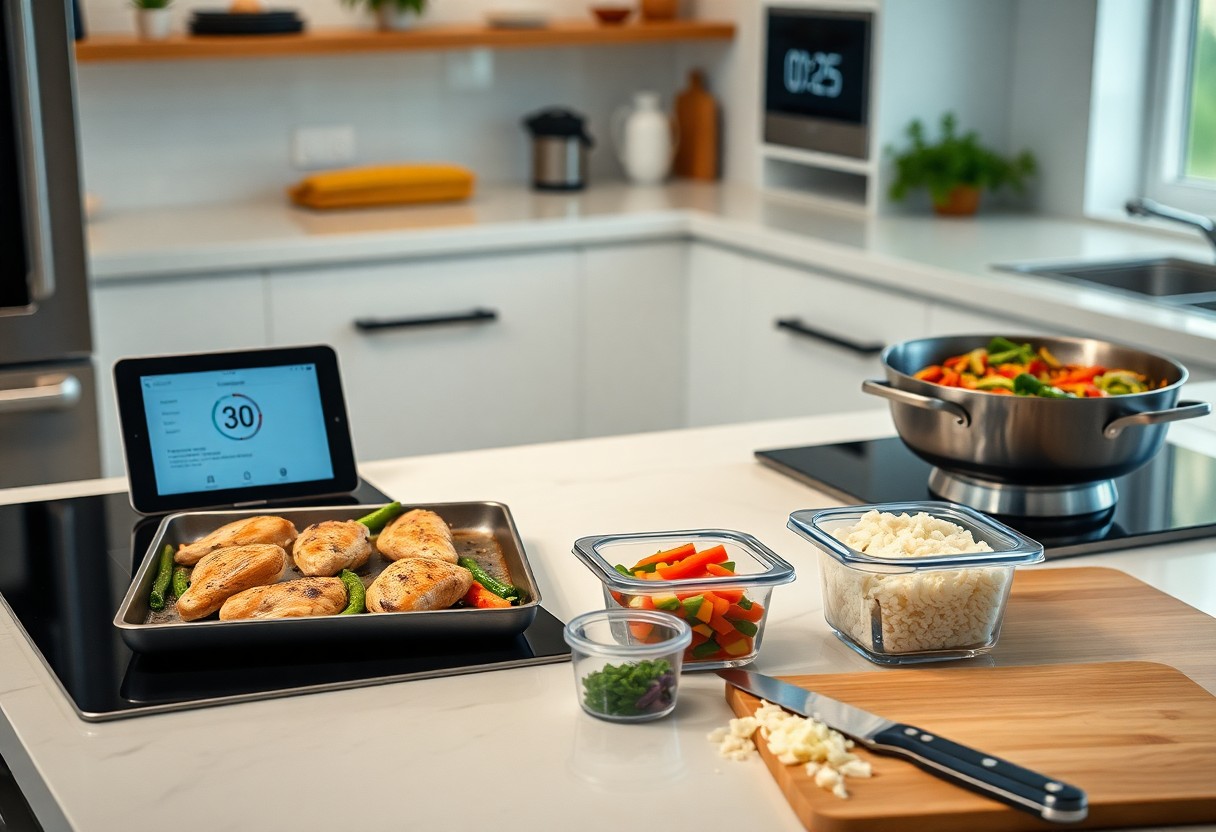
- Focus on quick-cooking proteins and one-pan or sheet-pan methods to consistently finish meals within 30 minutes.
- Plan simple weekly menus and keep versatile staples on hand for fast assembly and fewer grocery decisions.
- Adopt time-saving prep and cleanup habits-batch chopping, streamlined recipes, and minimal plating-to ease evening stress.
The Importance of Family Meals
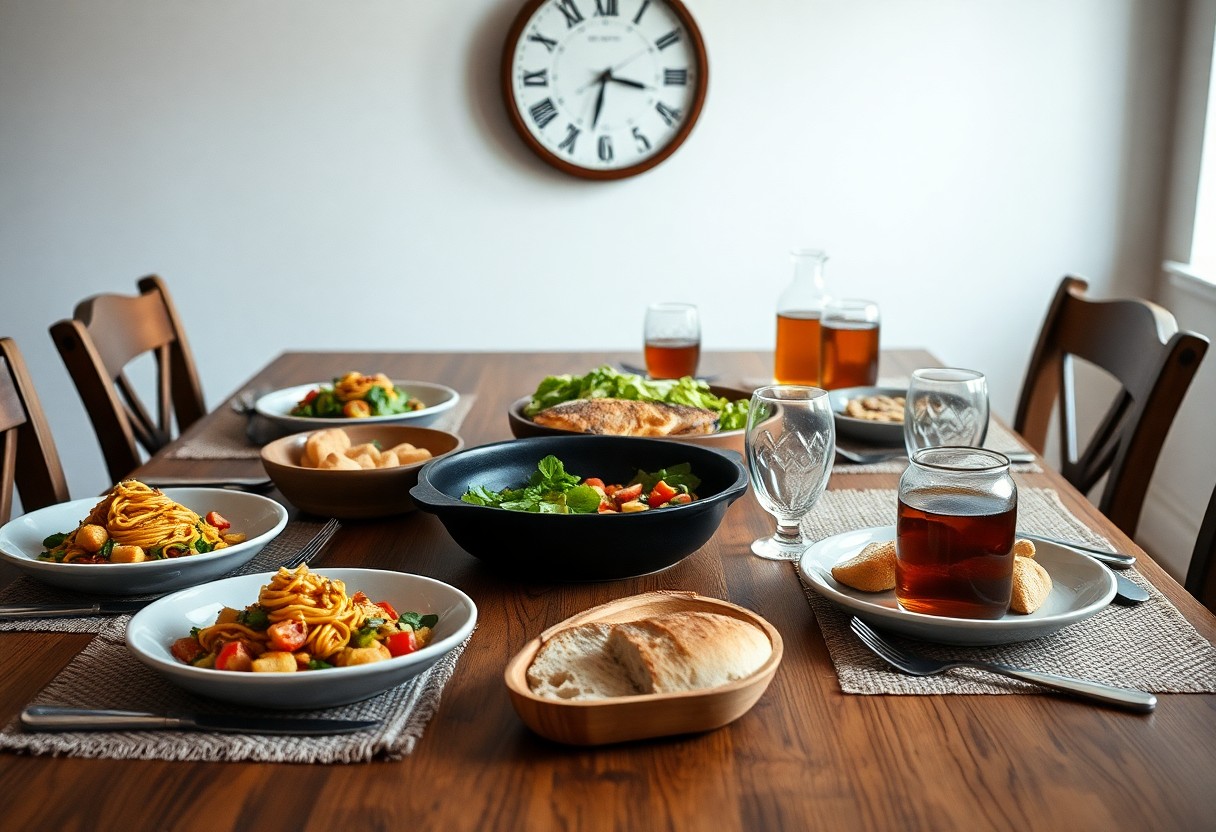
You gain more than a full plate when you sit down together: regular family meals (three or more times weekly) link to better diets, improved school performance, and reduced risky behaviors in adolescents. Studies often show that teens sharing dinners five+ nights a week have lower rates of substance use and higher grades. Practical routines-consistent mealtimes, assigned roles, 20-30 minute dinners-turn quick meals into predictable anchors that lower evening stress and boost family communication.
Benefits of Eating Together
When you eat together, nutrient quality improves: home meals typically include more vegetables and lean proteins than fast-food alternatives. Parents act as role models, guiding portions and food choices, and children exposed to shared meals three-plus times weekly develop better language and social skills. Try batching a 30-minute meal like sheet-pan salmon, roasted vegetables, and quinoa twice a week to save time while keeping nutrition high.
Creating Lasting Memories
Rituals you create at the table become family lore-theme nights, rotating who tells a story, or a weekly “highs and lows” check-in build emotional memory. Families that keep consistent mealtime traditions report stronger bonds and easier conflict resolution; even simple practices like a shared dessert or a five-minute gratitude round can be the moments kids recall into adulthood.
Make it tangible: keep a jar with 50 conversation prompts, assemble a recipe binder of your top 10 go-to 30-minute meals, and assign one “photographer” per week to snap a dinner photo for a yearly album. Let kids aged 3+ handle simple tasks-tossing salad, setting napkins-to boost ownership. Consistency matters: five consecutive weeks of rituals often cements a habit that outlives busy schedules.
Planning Your 30-Minute Meals
Essential Kitchen Tools
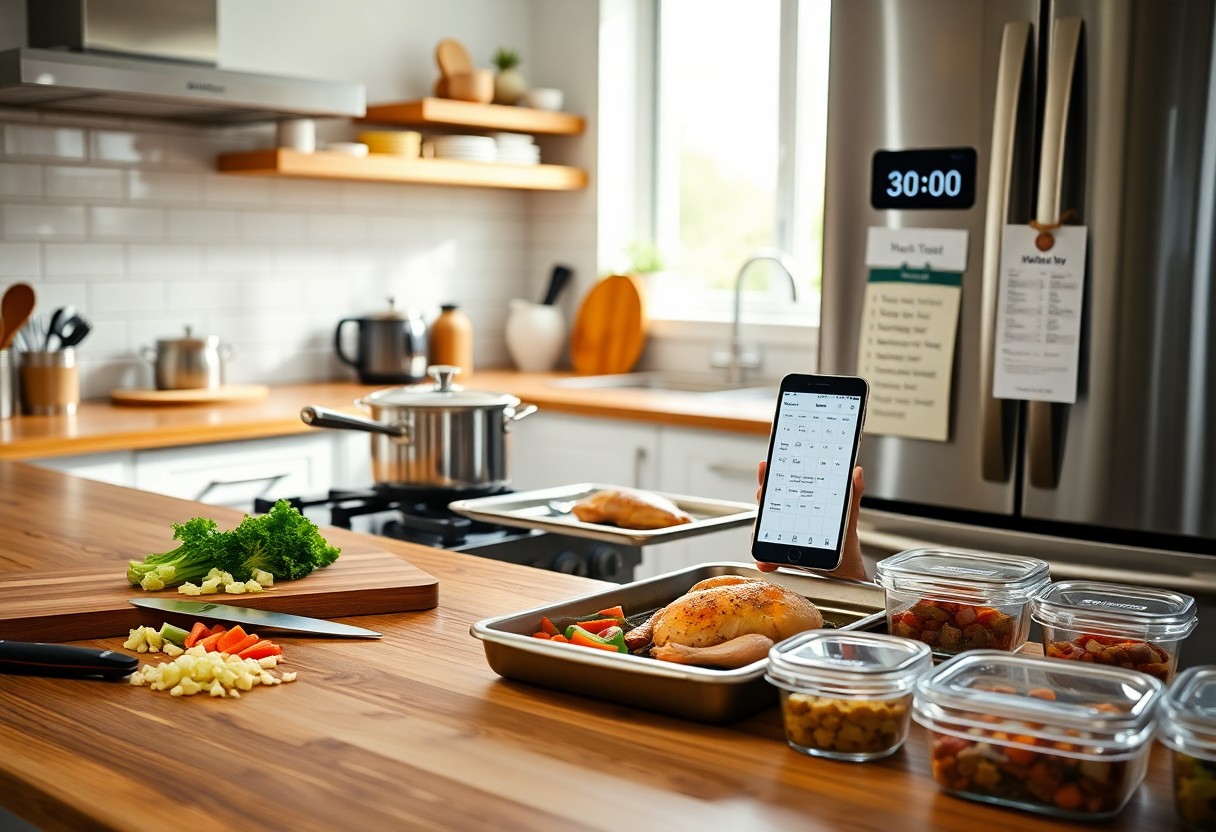
You can shave prep time with a 10-inch nonstick skillet, a 6-quart pot, a sharp 8-inch chef’s knife and a sturdy cutting board. Add measuring cups, a digital timer, a half-sheet pan and an immersion blender to handle quick sauces and purees. With a reliable skillet you’ll sear chicken in 6-8 minutes per side, speeding weeknight dinners without sacrificing texture.
- 10-inch nonstick skillet
- 8-inch chef’s knife and sturdy cutting board
- 6-quart pot and colander
- Measuring cups, spoons and a digital timer
- Half-sheet pan and ovenproof baking dish
- Immersion blender or small countertop blender
- Thou prioritize airtight containers for storing leftovers
Smart Grocery Shopping Tips
You should shop with a meal-based list grouped by store sections and plan 3-4 dinners per trip to keep shopping to twice weekly. Buy versatile proteins-2 lb chicken thighs, 1 lb ground beef, or a rotisserie chicken-and rely on frozen vegetables and pre-washed greens to cut prep time. Use unit prices and weekly ads to shave costs while keeping variety.
For a family of four, a sample weekly list might include 2 lb chicken thighs, 1 lb ground beef, 1 rotisserie chicken, 1 dozen eggs, 2 lb rice, a box of pasta, two heads of broccoli, three bell peppers, salad greens, a block of cheddar and milk. Use curbside pickup or order online to save 15-30 minutes per trip and fold sales into your rotation to keep the weekly bill around $100-$130.
- Write a 3-4 dinner plan before you go
- Group your list by aisle to avoid backtracking
- Choose frozen vegetables and pre-washed greens to speed prep
- Pick proteins that work across multiple recipes (chicken, eggs, ground meat)
- Use store apps for coupons and schedule pickup to save time
- Thou keep a running staples list on your phone to avoid impulse buys
Quick and Healthy Recipe Ideas
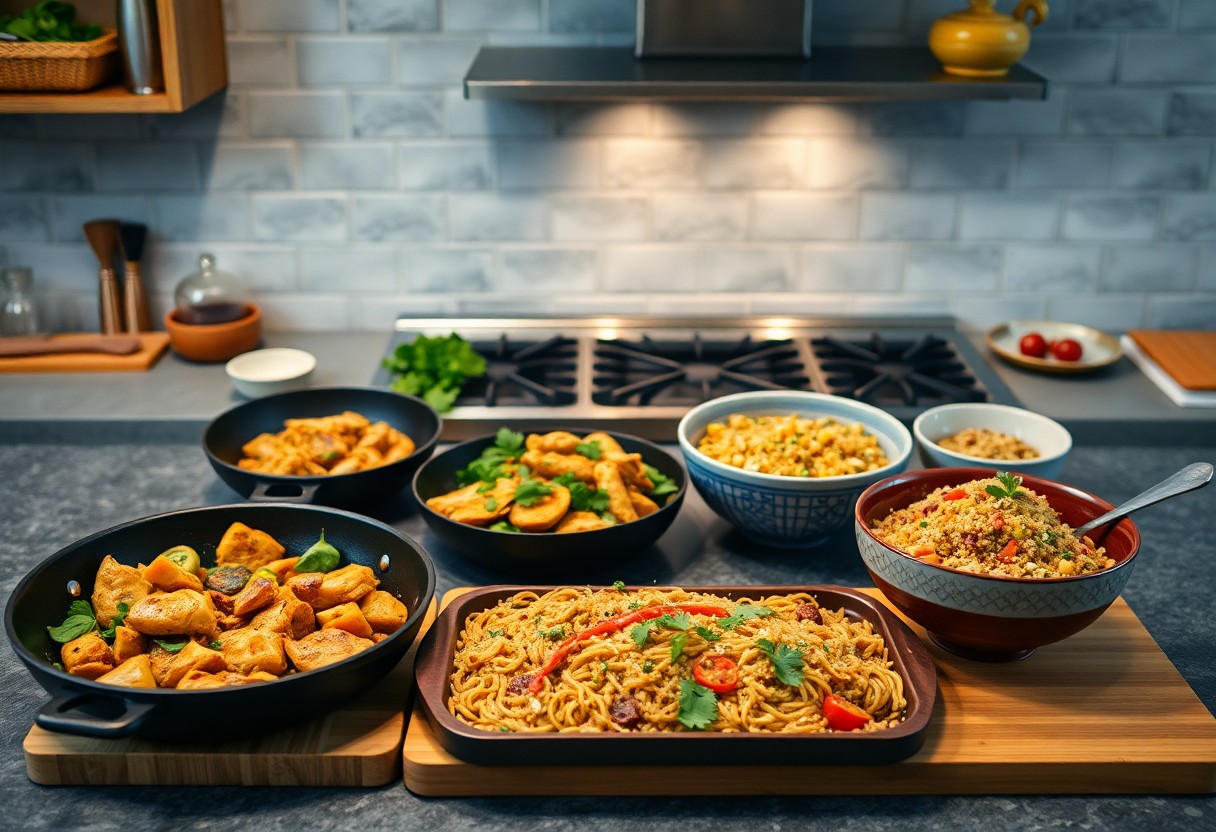
When time is tight you can still serve balanced meals by pairing a lean protein with two vegetables and a whole-grain side in 15-30 minutes. Use shortcuts like pre-washed greens, frozen vegetables, canned beans, and a 10-inch nonstick skillet to cut prep. Aim for recipes with 3-6 ingredients and one cooking vessel to keep cleanup under five minutes.
30-Minute Pasta Dishes
You can make bright, family-friendly pasta in half an hour: lemon-garlic shrimp over whole-wheat linguine takes about 15 minutes, while a penne with spinach, cherry tomatoes, and canned white beans finishes in 20. Swap cream for Greek yogurt to cut calories, add frozen peas for a quick veg boost, and boil pasta in salted water for 8-10 minutes to reach al dente.
One-Pan Skillet Meals
One-pan skillet dinners cook fast and simplify cleanup; a sausage-and-pepper skillet or chicken-thighs with Brussels sprouts both hit the table in 20-25 minutes. Use your 10-inch skillet, preheat to medium-high, and choose thin-cut proteins to reduce cook time. Finish with a splash of broth or lemon juice for pan sauce and serve over rice or quinoa cooked ahead.
For better results, sear protein first, remove it, then sauté aromatics and vegetables before returning everything to the pan to finish under a lid for 4-6 minutes. Thin boneless chicken breasts (about 1/2 inch) cook through in 8-10 minutes; chicken should reach 165°F (74°C). Deglaze with wine or stock to lift fond flavors, and use pre-cut produce to shave off 5-10 minutes of prep time.
Tips for Efficient Meal Preparation
Shift small habits to shave minutes: batch-chop veg for 3 dinners in one 20-minute session, cook grains for the week in a 25-minute rice-cooker cycle, and double proteins so leftovers become lunches. Use equipment strategically-two burners plus oven or a sheet pan plus skillet speeds dinner.
- Batch chopping: 15-20 minutes for 3 meals
- Double-duty cooking: roast once, eat twice
- Timers: set 10-15 minute prep blocks
Knowing these habits save 10-20 minutes per meal and keep weeknight stress low.
Mise en Place Essentials
Adopt a 10-minute mise en place: measure spices into ramekins, chop onions and garlic, portion proteins, and pre-wash greens so assembly takes seconds. Use three bowls-veg, protein, waste-and a baking sheet for lined mise en place to streamline transfer to the pan. You’ll find that having a ready spice mix (salt, pepper, cumin, paprika, oregano) and a preheated pan cuts actual cook time by up to 30 percent.
Time-Saving Cooking Techniques
Favor one-pan meals, high-heat stir-fries, and sheet-pan dinners: a 10-inch skillet can cook a 4-serving stir-fry in 8-10 minutes, while a sheet-pan roast feeds four in 20-25 minutes. Use your Instant Pot for beans (30 minutes pressure vs. hours stovetop) and a rice cooker for 3 cups dry rice in ~25 minutes. Frozen vegetables and rotisserie chicken cut prep time dramatically without sacrificing nutrition.
Use sear-then-finish methods for texture-sear chicken thighs 3 minutes per side, then bake 15 minutes at 425°F for juicy results. Cook grains in bulk (4 cups dry rice yields ~12 cups cooked) and portion into 2-cup servings for the week. Microwave potatoes 6-8 minutes to speed roasted potato sides, and keep a jar of pre-minced garlic to save 2-3 minutes per recipe.
Involving the Whole Family
Get everyone involved to turn dinner into a streamlined team effort: assigning one role per person can cut total prep time by 20-30% and increases willingness to try new foods. You can rotate roles weekly-chef, sous-chef, timer, table manager-so skills build across ages. For example, a family of four that splits chopping, sautéing, plating and cleanup often finishes in under 30 minutes while also sharing responsibility and mealtime conversation.
Assigning Cooking Tasks
Match tasks to skill and safety: toddlers wash produce or set napkins, elementary kids tear greens and measure ingredients, preteens handle simple chopping with a serrated knife, and teens take the stove under supervision. You can create a checklist with 4-6 tasks per meal so everyone has a clear job; timing each task with a 10-15 minute window keeps the kitchen moving and prevents overlap.
Making Meal Prep Fun
Turn prep into a game with timers, playlists, or themed nights-Taco Tuesday or Stir-Fry Friday-so you make routine tasks feel special. You might time a 7-minute veggie-chop sprint, award a sticker for plating creativity, or let the child who earned three stickers pick a side dish. These low-cost incentives raise engagement and speed without adding stress to your 30-minute goal.
Build simple systems: a 5-star chart where five stars = dessert choice, a 15-minute playlist synced to your prep pace, or a rotating “head chef” badge each week. You can also prep stations-proteins, grains, veg-so two family members work simultaneously. Keep safety rules visible (knife handling, oven mitts) and celebrate small wins to reinforce participation and steady skill growth.
Adapting Recipes for Dietary Needs
You can keep weeknight dinners fast by swapping ingredients smartly: use 1 cup cooked lentils or 8 ounces crumbled firm tofu in place of 1 cup ground meat, rely on canned beans to cut simmer time by 20-30 minutes, and choose quick-cooking grains. Red lentils cook in 10-12 minutes and 1 cup cooked lentils offers about 18 g protein, so you maintain nutrition while streamlining prep.
Vegetarian and Vegan Options
You’ll speed through vegan meals by centering canned chickpeas, red lentils, tempeh and tofu. Tempeh provides roughly 16 g protein per 3‑ounce serving and pan-fries in 6-8 minutes; silken tofu purees into sauces in under 5 minutes. Swap these 1:1 in tacos, bowls or chili, and add a tablespoon of nutritional yeast for B‑vitamins and savory depth without extra cook time.
Gluten-Free Family Meals
You should rely on naturally gluten‑free staples-quinoa, quick‑cook brown rice, corn tortillas and certified gluten‑free pasta. Chickpea pasta cooks in 7-9 minutes and offers about 12-15 g protein per serving, keeping meals satisfying. When baking, use 1/4-1/2 teaspoon xanthan gum per cup of gluten‑free flour to improve structure and avoid crumbly results.
For quick builds, try a 20‑minute stir‑fry with tamari (use 1:1 in place of soy sauce) and pre‑cooked quinoa, or sheet‑pan salmon with roasted veggies and corn tortillas for tacos in 25 minutes. You’ll save time using canned beans, prewashed greens, and labeled gluten‑free sauces; scan ingredient lists for hidden barley or malt before serving.
Summing up
As a reminder, you can turn hectic evenings into calm routines by relying on 30-minute family meals that balance nutrition, simplicity, and flavor; with basic planning, smart use of time-saving tools, and flexible recipes you’ll reduce stress, keep everyone satisfied, and build consistent mealtime habits that suit your schedule and tastes.

Leave a Reply