
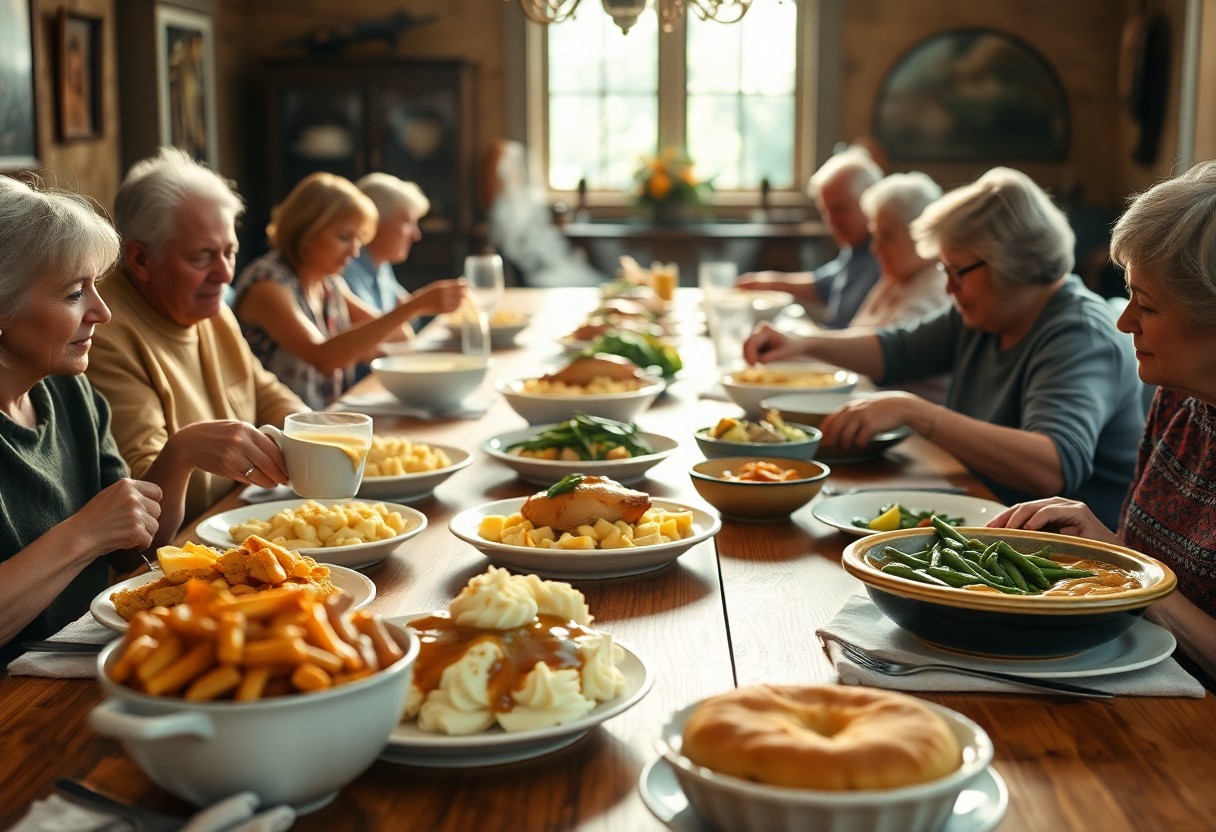
Many of your best family dinners begin with simple, timeless recipes that nourish and comfort; this guide shows you how to prepare dependable classics, from hearty soups and casseroles to roasted meats and creamy desserts, using practical techniques, sensible ingredient swaps, and clear timing so you can feed varied tastes, save time, and build meals that become family traditions.
Key Takeaways:
- Familiar, nostalgic flavors and simple textures make dishes that appeal to all ages while allowing easy variations for picky eaters.
- Small ingredient swaps and cooking techniques (lean proteins, added vegetables, whole grains) lighten classics without sacrificing comfort.
- Make-ahead, batch-cooking and freezer-friendly recipes save time and ensure stress-free family meals on busy days.
The Allure of Comfort Food
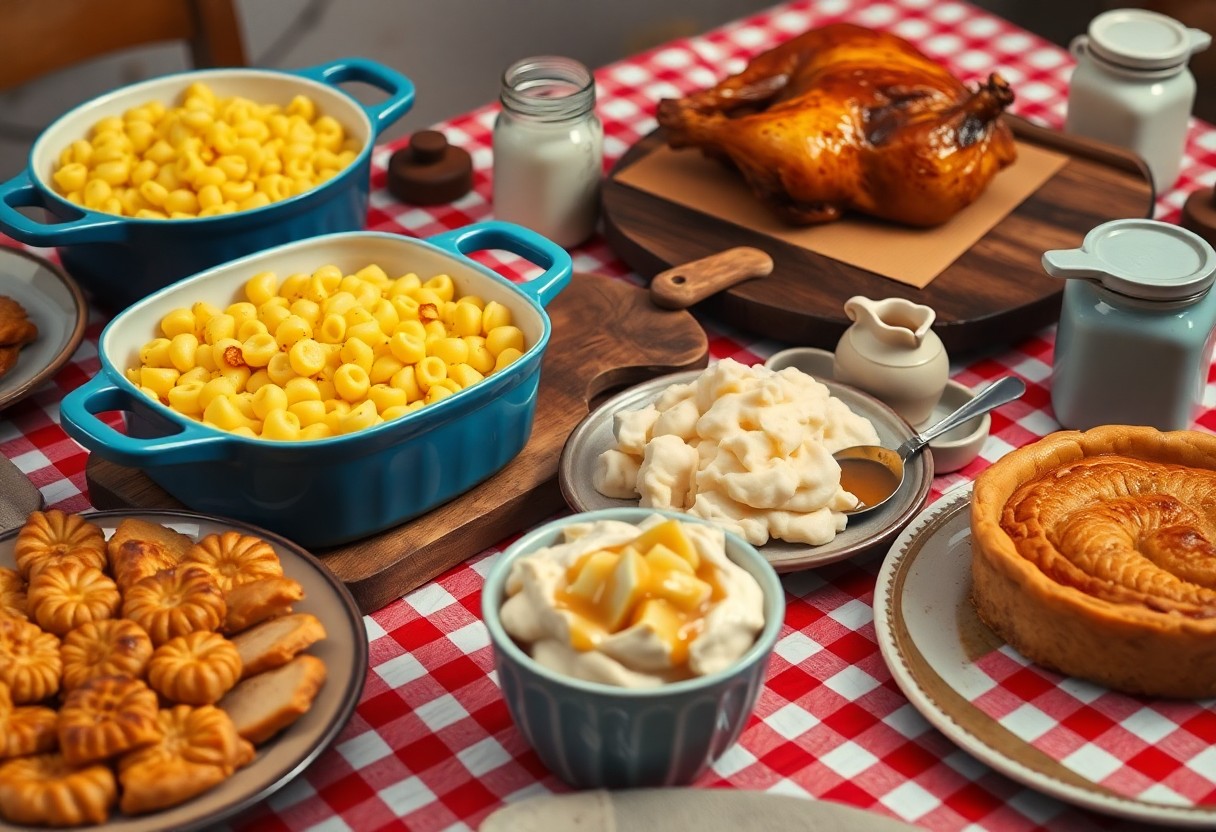
You reach for familiar dishes because predictable flavors, textures and temperatures soothe quickly; neuroscience shows familiar tastes and warm aromas activate brain reward pathways and can ease stress. Classics like mac and cheese, chicken soup and pot roast demonstrate how simple ingredient lists and repeatable techniques appeal to children and adults alike, while offering easy swaps-extra veg, alternative proteins or reduced salt-to adapt for dietary needs without losing comfort.
Emotional Connections
When you eat a family recipe, flavor often unlocks vivid memories-Sunday dinners, a grandparent’s kitchen, holiday rituals-and that emotional linkage drives preference. Research and surveys indicate warm, carbohydrate-rich meals frequently produce short-term mood lifts via serotonin pathways, so your go-to casserole or soup becomes both nostalgic anchor and practical stress reliever during long workweeks or celebrations.
Cultural Significance
Across regions, you encounter comfort dishes that encapsulate history and identity: Italian ragù, Japanese ochazuke, Nigerian jollof and Mexican pozole each reflect local crops, trade routes and festivals. UNESCO’s 2017 recognition of Neapolitan pizza highlights how everyday comfort foods can gain formal heritage status, and when you prepare these recipes you’re preserving culinary stories passed through generations.
Migration and local adaptation further shape what you call comfort food: chicken tikka masala, widely believed to have originated in Britain, blends South Asian spices with cream to suit new tastes, illustrating fusion born from diaspora. In your community, immigrant cooks often transform seasonal ingredients into hybrids that become beloved staples-so your personal comfort menu likely mixes ancestral techniques with regional availability.
Classic Comfort Food Recipes
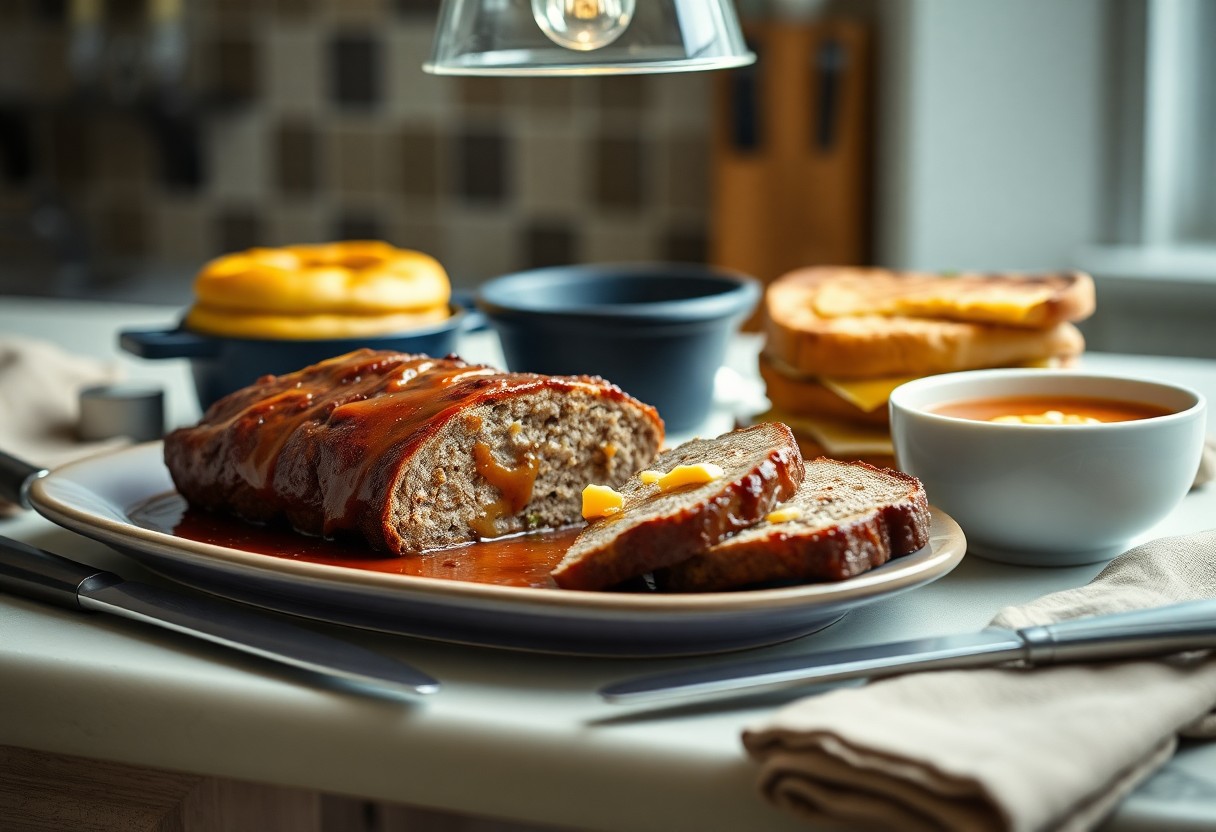
Dive straight into dependable dishes that feed a family: meatloaf, mac and cheese, pot roast, and baked pasta often serve 4-6 and take 30-150 minutes to prepare depending on technique. You can adapt seasonings for picky eaters, swap vegetables to boost fiber, and use one-pot methods to cut cleanup by up to 50%. Practical tips, like doubling sauces for leftovers, extend meals over multiple nights.
Hearty Soups and Stews
When you need a warm bowl, chicken noodle, beef stew, and lentil soup deliver comfort and nutrition: lentils provide about 18 g protein per cooked cup, while bone broth adds collagen and depth. Quick soups simmer 20-30 minutes; braises and stews benefit from 2-4 hours for tender results. You can bulk up servings with barley, potatoes, or canned beans to stretch a pot to feed 6-8.
Satisfying Casseroles
Casseroles like tuna noodle, shepherd’s pie, and baked ziti are weeknight heroes because you assemble ahead and bake at 350°F (175°C) for 25-45 minutes; they commonly serve 4-6. You can swap proteins-chicken, lentils, or ground beef-and layer vegetables to balance richness. Freezing portions keeps meals on hand, and one-pan baking reduces hands-on time.
For reliable results, you should pre-cook dense vegetables and use a binding agent-1 can condensed soup or a 2-tablespoon roux per 3 cups filling-so the finished casserole holds together; top with 1-2 cups shredded cheese and ½-1 cup breadcrumbs for a golden crust. Portion at 1 to 1.5 cups per person and reheat covered at 325°F (160°C) for 20-30 minutes.
Family-Friendly Dishes
You can rely on crowd-pleasers like baked ziti, whole-roast chicken, and vegetable-studded shepherd’s pie to feed 4-6 people while balancing nutrition and comfort. Swap half the ground beef for lentils to cut saturated fat about 50% without losing texture, or add a pan of roasted root vegetables to boost fiber by 4-6 grams per serving. Plan 30-90 minutes depending on the recipe and use simple plating with two to three color contrasts to make meals more appealing to everyone at the table.
Kid-Approved Meals
For younger eaters, you’ll prioritize familiar shapes and mild flavors: quesadillas, mini meatballs, and creamy mac and cheese are reliable wins. Aim for 10-25 minute prep and portion sizes of 1/2-1 cup for toddlers, 1-1.5 cups for school‑agers. Hide pureed carrots or cauliflower into sauces to add nutrients, offer dipping options to increase engagement, and introduce new ingredients alongside a favorite to raise acceptance rates over several meals.
Easy One-Pot Recipes
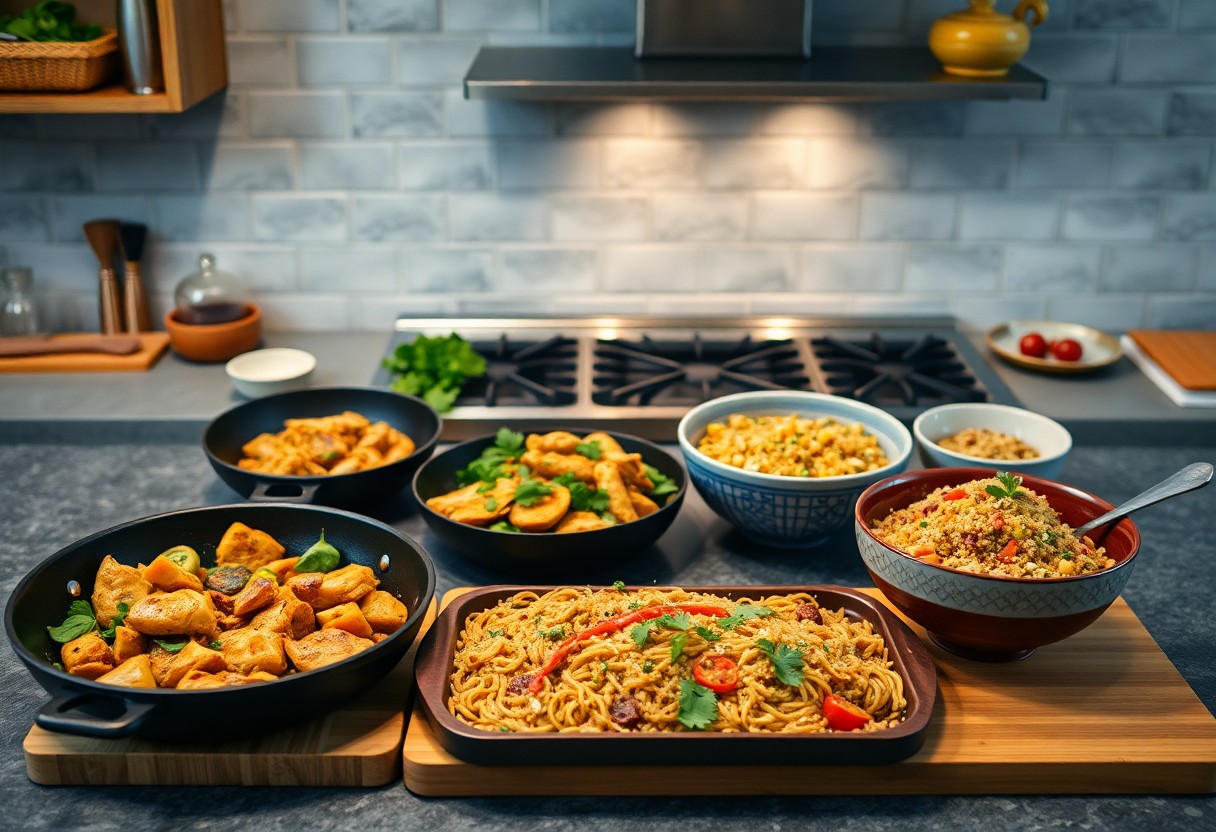
One-pot meals like chicken and rice, beef chili, or vegetarian jambalaya simplify cooking and cleanup, often finishing in 20-45 minutes and serving 4-6. Use a 4-6 quart Dutch oven or heavy skillet and follow a 1:2 rice-to-liquid ratio for long-grain rice; for stews, plan 2-3 cups broth per pound of protein. Toss frozen vegetables in the last 5-7 minutes and finish with 1 tablespoon of lemon juice or vinegar to brighten flavors.
Start by browning proteins 3-5 minutes per side to build flavor, then deglaze the pan with 1/2 cup stock or wine to lift fond. After adding grains or legumes, simmer covered 15-25 minutes-timing depends on grain type-then rest 5 minutes before fluffing. Use a 4-6 quart pot for four servings, scale ingredients linearly while keeping liquid ratios steady, and store leftovers in airtight containers for 3-4 days or freeze up to 3 months.
Healthier Twists on Comfort Food
Make classic recipes lighter by swapping heavy ingredients and boosting vegetables: replace 1 cup heavy cream (≈820 kcal) with 1 cup plain Greek yogurt (≈130 kcal) in sauces, use cauliflower mash for half the carbs of potatoes, or trade regular pasta for whole-grain varieties to add 3-4 g extra fiber per serving; these swaps preserve texture and flavor while cutting calories and increasing nutrients so your family still feels satisfied.
Substitutions for Healthier Eating
When you swap proteins and carbs, choose practical, measurable changes: use 93% lean ground turkey instead of beef to lower saturated fat, add 1 cup cooked lentils (≈18 g protein, ≈15 g fiber) to casseroles, spiralize zucchini or rice cauliflower to cut refined carbs, and limit oil to 1 tbsp (≈120 kcal) when roasting to control added fat without losing crispness.
Balancing Indulgence and Nutrition
Aim for plate balance: fill half the plate with vegetables, allocate 3-4 oz (about the size of your palm) to lean protein, and keep starches to roughly ½ cup; treat richer, higher-calorie comfort dishes as occasional highlights-about 1-2 times per week-so you satisfy cravings without derailing weekly calorie and nutrient goals.
Practical tactics help you maintain that balance: roast vegetables to bulk up portions, split rich mains across meals so leftovers serve more people, use baking or air-frying (1-2 tbsp oil vs. ~1 cup for deep-frying) to reduce added fat, and practice mindful eating-savor the first bites slowly-to increase satisfaction with smaller portions while preserving the joy of comfort food.
Seasonal Comfort Foods
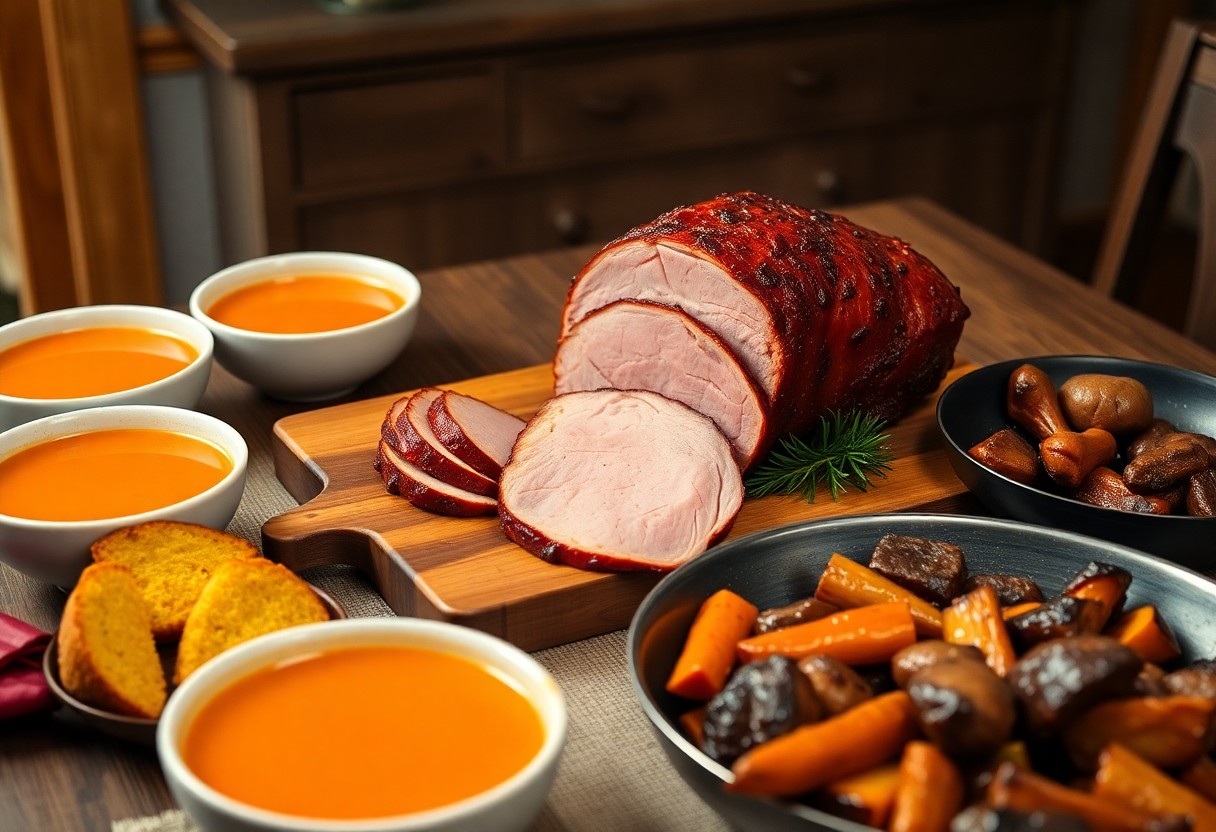
Choose seasonal produce to transform your weeknight dinners-pumpkin, apples, and root vegetables peak in fall and supply vitamin A and fiber; roast a 3-pound butternut squash for 4-6 servings, purée 2 cups into a smooth soup with 1 cup low-fat milk, or fold 1 cup grated apple into whole-grain pancakes for instant family appeal.
Fall Favorites
When temperatures dip, you lean on baked casseroles and spiced bakes: try a 9×13 apple crisp (6-8 servings) with 1 cup oats, 1/2 cup brown sugar, and 2 tbsp butter, or a pumpkin lasagna layering 2 cups purée and 8 oz ricotta; both deliver familiar textures and seasonal spice blends like 1 tsp cinnamon and 1/2 tsp nutmeg.
Winter Warmers
Build slow-simmered dishes that feed a crowd by browning a 3-pound beef chuck, adding 4 cups beef broth, 2 carrots, 2 parsnips and 1 cup pearl barley, then braising 2-3 hours until fork-tender; you’ll get deeper flavor if you refrigerate and reheat the next day for family dinners.
Plan ahead with appliances: use a slow cooker on low for 8 hours or a pressure cooker at high for 35 minutes to cut active time; freeze single portions in 2-cup containers for up to 3 months and reheat to 165°F (74°C) to ensure safe, comforting meals ready on busy evenings.
Creating a Comfort Food Tradition
Set a predictable rhythm in your household-plan a weekly family meal and rotate 2-3 signature dishes so everyone knows what to expect. Invite extended family every other month, keep a shared recipe binder (physical or cloud) and note substitutions or timing tweaks. Over a year you’ll compile 12-20 go-to meals that simplify shopping, reduce decision fatigue and signal that certain smells and plates mark your family’s identity.
Family Cooking Nights
Schedule family cooking nights weekly or biweekly, assigning age-appropriate roles: kids 6-8 rinse and mix, ages 9-12 handle basic chopping with supervision, teens take oven timing. Pick flexible recipes-pizza, tacos, baked ziti or 30-45 minute pastas-so tasks fit a 45-75 minute window. You teach technique while sharing conversation, and rotating responsibilities keeps engagement high across siblings and generations.
Sharing Recipes Across Generations
Preserve heirloom recipes by digitizing handwritten cards, recording a 5-10 minute video of the elder cook, and annotating vague measurements like “a handful” into precise amounts. For example, translating an 80-year-old stew note to 1 tbsp of herbs and 2 tsp salt makes replication consistent. You build a usable archive that bridges kitchens and ingredient changes.
Turn those archives into teachable tools: list ingredients with exact measures, include oven temperatures and times, and add conversions-2 cups flour = 240 g-to remove guesswork. Show how to scale portions (double a recipe to feed 8) and highlight 5 core skills to practice-knife safety, sautéing, seasoning, timing and plating-so you transfer both the recipe and the technique.
Conclusion
Hence you can build a rotating menu of comforting, balanced classics that satisfy varied tastes while saving time and stress. Use reliable techniques, season confidently, and adapt recipes to suit your family’s preferences and dietary needs. With simple planning and smart swaps you ensure meals deliver warmth, nutrition, and the shared moments that strengthen your home table.

Leave a Reply