
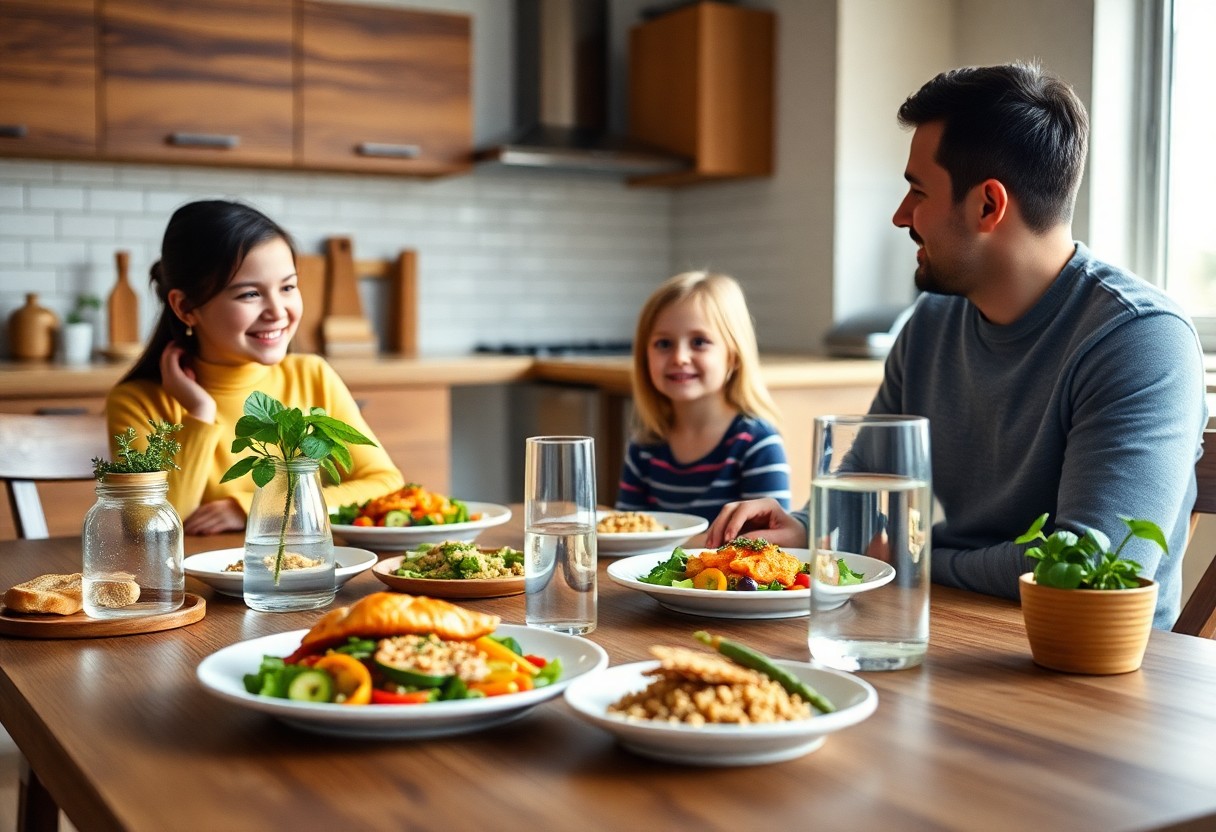
Many simple strategies help you plan balanced, time-saving dinners that keep your family nourished and satisfied; by using meal templates, batch-cooking, smart shopping lists, and quick ingredient swaps you can cut prep time and boost nutrition. You’ll gain practical tips and weekly routines that make healthy, varied meals achievable even on your busiest evenings.
Key Takeaways:
- Plan simple, balanced meals with lean protein, vegetables, and whole grains; batch-cook or double recipes to save time and ensure leftovers.
- Involve family in meal prep and choice-kids who help are more likely to eat new foods and mealtimes become faster and more cooperative.
- Use time-saving techniques and staples: sheet-pan or one-pot dinners, pre-chopped produce, frozen vegetables, and quick healthy swaps to keep weeknight cooking manageable.
Importance of Family Dinners
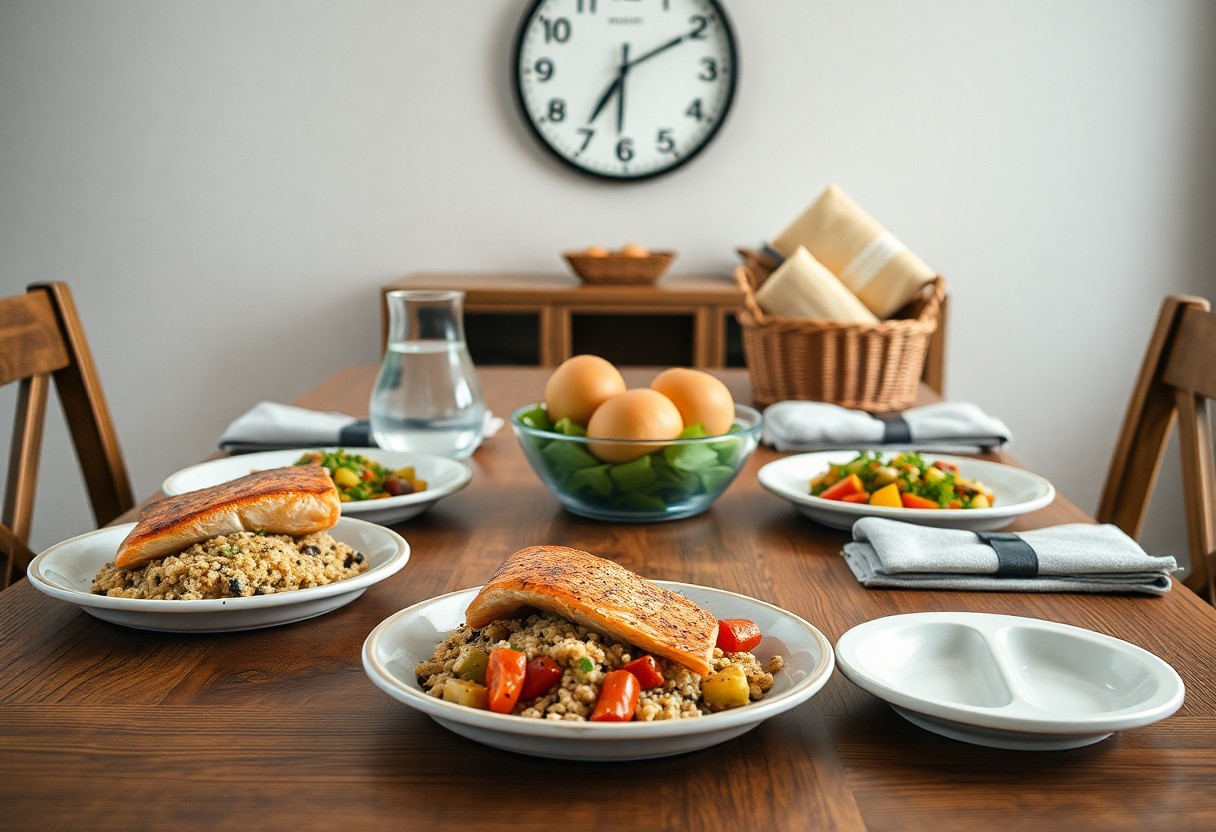
Sharing dinner several nights a week creates a predictable anchor in your family’s week, and studies like Project EAT link three or more family meals weekly to better dietary choices, stronger school performance, and improved emotional health in adolescents. You gain a routine that makes meal planning, portion control, and mindful eating easier, and the regularity helps you spot changes in behavior or mood earlier than sporadic shared meals would.
Benefits for Health
Frequent family dinners are associated with higher fruit and vegetable intake and lower consumption of sugary drinks; one study found adolescents who ate three or more family meals weekly consumed about one extra serving of produce per day. You also reduce exposure to fast-food choices and can model portion sizes and balanced plates, which supports healthier body weight and lowers the chance of disordered eating patterns in children.
Strengthening Family Bonds
Beyond nutrition, dinners become your best opportunity for face-to-face interaction: families that eat together more often report clearer communication and greater emotional connection. You create a low-pressure setting where teens and younger kids are likelier to share daily stresses, which research links to lower rates of risky behaviors when mealtimes occur regularly.
To deepen those bonds, set simple habits you can sustain: institute a tech-free rule, ask two open-ended questions each night, and rotate responsibilities so everyone contributes. Start with three fixed weeknight dinners, extend to five as routines solidify, and keep meals to 20-30 minutes when schedules are tight; those small structure changes make emotional check-ins and consistent support much more achievable for your family.
Planning Healthy Meals
Creating a Balanced Menu
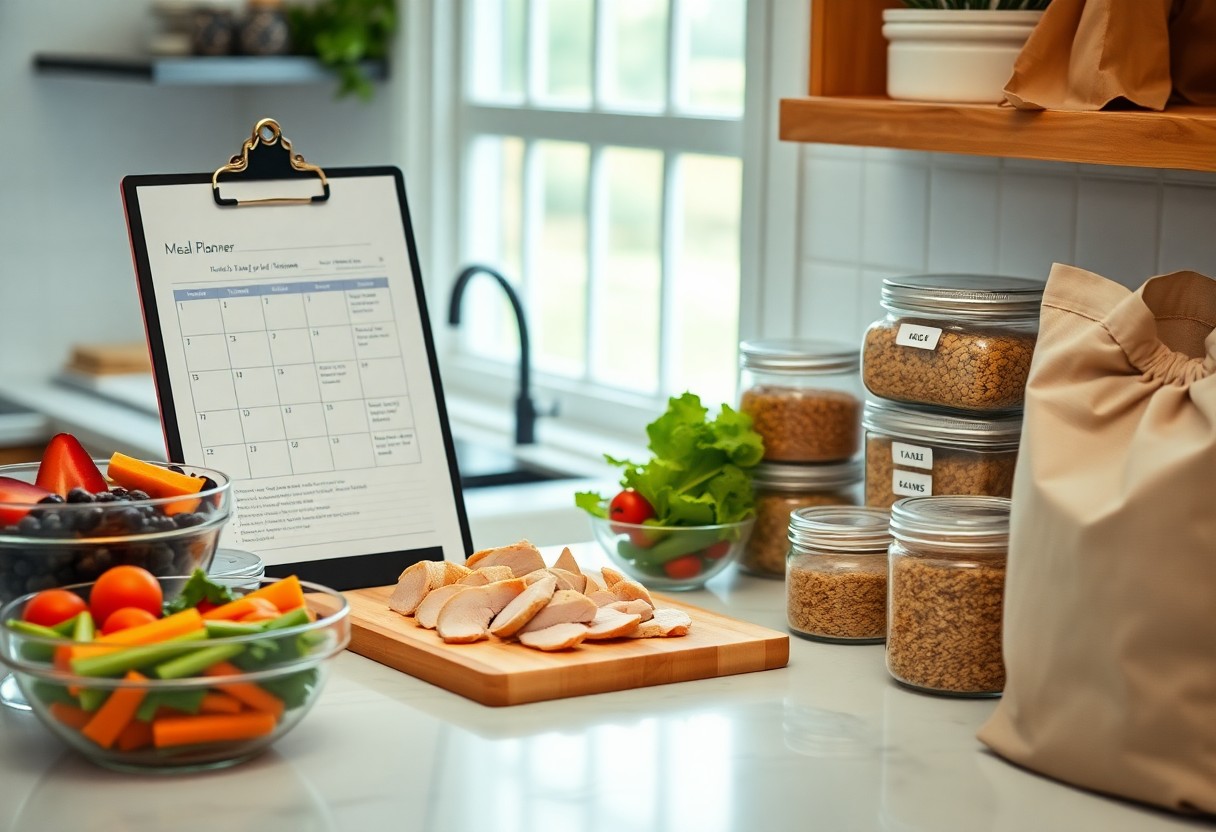
You can structure dinners with the plate method: half vegetables and salad, one-quarter lean protein (about 3-4 oz cooked per adult), and one-quarter whole grains or starchy veg. Aim for 5+ servings (~400 g) of fruit and vegetables daily and 25-30 g of fiber. Rotate a seven-day cycle-Mediterranean, Asian stir-fry, plant-forward-to reuse ingredients, cut waste, and keep variety while simplifying prep.
Grocery Shopping Tips
Turn your weekly menu into a categorized list and stick to the store perimeter for fresh produce, dairy, and meats. Buy frozen vegetables and fruits (12-16 oz bags) to save money and preserve nutrients. Compare unit prices; bulk grains and legumes (1-2 kg) often cost 20-40% less. Shop with a time window and reusable bags to avoid impulse buys and reduce packaging.
- Plan five dinners plus two lunches from leftovers to feed a family of four efficiently.
- List proteins: 2 lb chicken breasts, 1 lb lean ground turkey, and 3 cans of beans for flexibility.
- Choose 1-2 bags of frozen mixed vegetables and salad greens for 7-10 servings across the week.
- Assume that you’ll use two 30-40 minute batch-cook sessions to prepare bases and freeze portions.
When you read labels, focus on ingredient order and added sugars: pick items with whole foods first and under 5-6 g sugar per serving when possible. Use unit-price tags to compare brands; for a family of four, a 2 kg bag of brown rice yields 20+ servings, costing less per portion than many pre-cooked options. Buy seasonal produce to save ~20-30% and freeze surplus into meal-size portions.
- Check unit prices on shelf tags before choosing packaged goods to optimize cost per serving.
- Bring a written list sorted by store sections so you shop faster and avoid extras.
- Prefer frozen fruit and veg for smoothies and quick meals-nutrient retention is similar to fresh.
- Assume that planning snacks and breakfasts into the same shop halves midweek grocery trips.
Quick and Easy Recipes
Use pre-chopped vegetables and frozen grains to cut prep to 15-30 minutes for most dinners. You can rotate five go-to dinners-stir-fry, sheet-pan salmon, turkey tacos, veggie-packed pasta, and lentil soup-to simplify grocery lists. Try doubling sauces and freezing single portions so weekday cooking becomes reheating. Include one slow-cooker or Instant Pot meal weekly to handle busier nights and extend variety without extra nightly effort.
30-Minute Meals
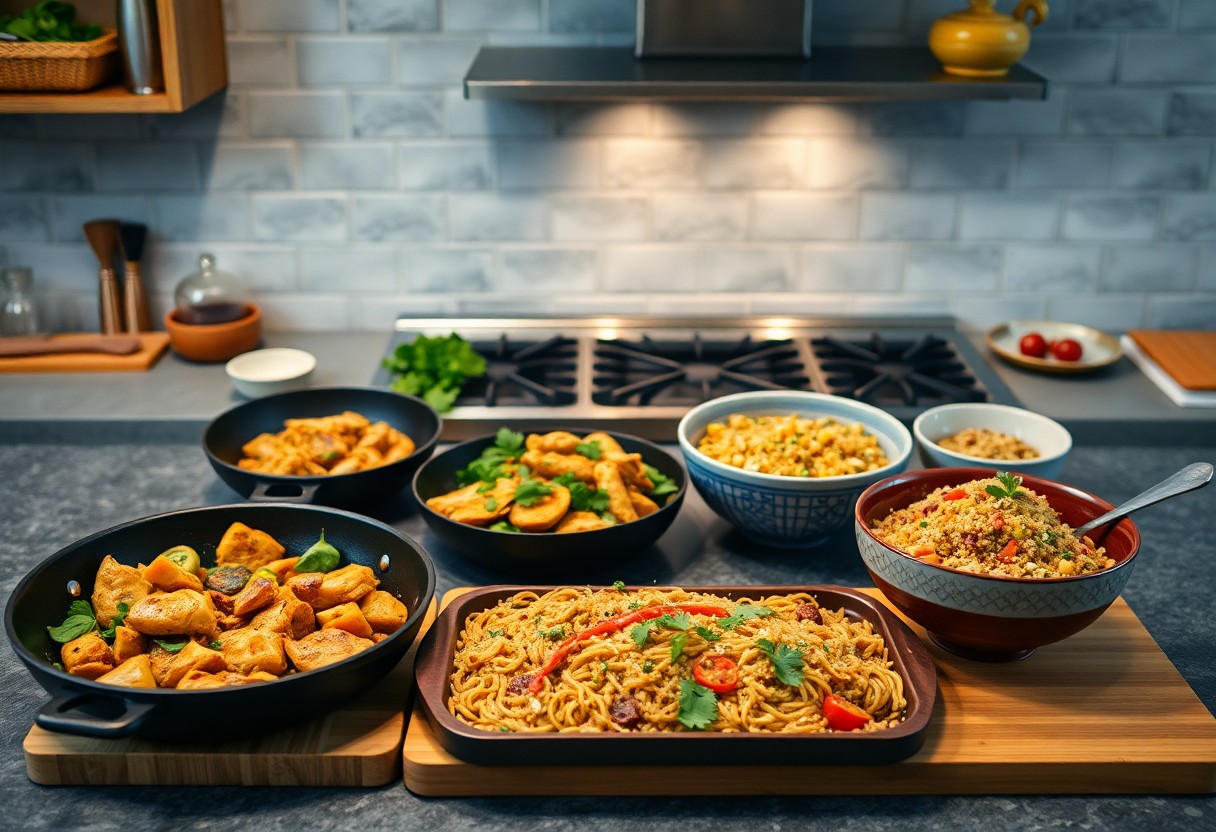
Work with 30-minute recipes that balance protein, veg, and a whole grain: shrimp stir-fry (12 minutes cooking), lemon-garlic chicken skillet (25 minutes), and chickpea curry (30 minutes). You should mise en place for chopping and have sauces pre-mixed; this can cut active time by up to 40%. Choose thin-cut proteins and quick-cooking grains like couscous or pre-cooked brown rice to reliably hit the half-hour mark.
One-Pan Dinners
One-pan dinners save cleanup and concentrate flavor: sheet-pan salmon with asparagus bakes in 18-22 minutes, sausage-and-pepper foil packs finish in 20, and skillet shakshuka serves in 25. You can roast vegetables alongside a seasoned chicken breast at 400°F for 25-30 minutes to get crisp edges and tender protein. Rely on cast-iron or rimmed baking sheets for even heat and browning.
Focus on timing and spacing: start root vegetables first, add quicker items halfway, and avoid crowding for proper browning. You should roast at 400°F for most combos and broil 2-3 minutes at the end for crispness. Use 1-2 tablespoons olive oil per sheet pan and bold seasonings like smoked paprika, lemon zest, and garlic. Check doneness with a thermometer-poultry 165°F, fish 145°F-and line pans with foil or parchment to make cleanup a single step.
Involving the Whole Family
Bringing everyone into dinner planning and prep turns meals into shared responsibility and learning: research links regular family meals to better diet quality and social outcomes, especially when families eat together 3+ times weekly. You can assign age-appropriate tasks-toddlers rinse produce, school-age kids chop with a safety knife, teens handle stovetop steps-so that preparation becomes efficient and educational, cutting prep time while increasing buy-in for the menu.
Cooking Together
Have you set a simple routine: pick one night for cooking together, keep recipes to 4-6 ingredients, and use 20-30 minute meals to lower barriers. Teach skills in short chunks-measure one ingredient, stir for two minutes, or season and taste-and rotate roles so each person practices chopping, timing, or plating. Using mise en place and a clear checklist reduces chaos and helps you finish faster while kids build confidence.
Kids’ Input on Meals
Ask each child to choose one dinner per week or offer two vetted options to avoid flat refusals; this balances autonomy with meal quality. You can run a monthly menu vote, use a jar of ideas, or let kids pick a theme night (Mexican, stir-fry, grain bowls). Practical examples: let a child pick the vegetable and a family member choose the protein, which increases acceptance and variety without sacrificing nutrition.
To deepen engagement, create a simple system: each child submits three meal ideas, you narrow them to two nutritious choices, and the family votes-rotate the winner into the weekly plan. Pair new ingredients with familiar favorites (serve roasted cauliflower alongside a beloved pasta), and set clear expectations like “one helping” or “try one bite” to encourage tasting. Track favorites to build a rotating menu of 12-16 reliable meals you can prep faster over time.
Meal Prep Strategies
Set aside 60-90 minutes on Sunday to prep staples-roast 3 trays of vegetables, cook 6 cups of quinoa, and poach 6-8 chicken breasts-so you have 4-5 dinners’ worth of components. Portion into labeled glass containers (1-2 cups), combine proteins, grains, and veg during the week, and finish meals with fresh herbs or a quick sauce to keep dinners varied and under 10 minutes to assemble.
Batch Cooking
Batch cook by doubling or tripling go-to recipes: make 8-12 servings of chili, lentil soup, or baked casseroles and freeze in 2-cup portions for quick thaw-and-heat dinners. You’ll save 2-3 hours weekly and reduce decision fatigue. Store in airtight containers, label with date, and expect refrigerated leftovers to last 3-4 days while frozen meals maintain quality up to about 3 months.
Make-Ahead Options
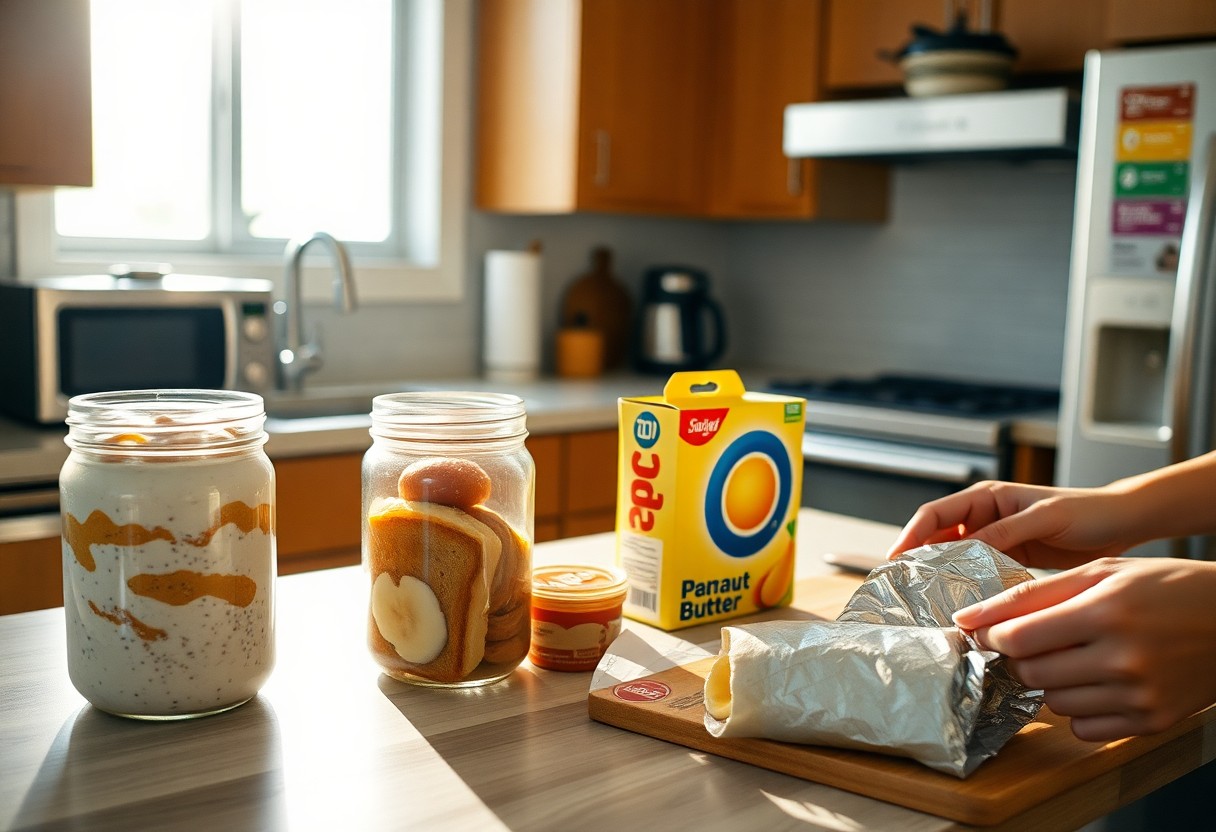
Prepping make-ahead components-dressings, sauces, chopped veggies, and cooked grains-lets you assemble fresh meals in minutes; dressings and sauces keep 5-7 days in the fridge, cooked grains 3-4 days, and chopped veg up to 4 days if stored airtight. Use mason jars for salad layers and portion proteins into 1-cup servings to streamline evening assembly and portion control.
When you plan make-ahead meals, prioritize safety and texture: cool hot foods within two hours, reheat to 165°F (74°C), and avoid reheating rice more than once. Consider blanching and shocking vegetables before freezing to preserve color and nutrients, and freeze sauces in ice-cube trays for single-serving portions-this cuts waste and gives you ready-made flavor boosts for 2-3 months.
Managing Picky Eaters
When your child’s appetite narrows, use predictable routines and low-pressure tasting to keep mealtimes calm; picky eating affects roughly 20-50% of preschoolers, so you aren’t alone. Implement repeated exposure-research suggests 8-15 tries-to increase acceptance, serve a new food beside two familiar favorites, and keep initial portions tiny (1-2 teaspoons) so refusals feel low-stakes and progress is measurable.
Strategies for Acceptance
Engage your child in shopping and cooking to boost willingness, and offer structured choices (for example, broccoli or peas) so they feel control. Use tiny tastes, avoid pressuring or bribing, model eating the food yourself, and provide the same new item repeatedly across 8-15 meals. Track small wins on a sticker chart and praise attempts rather than outcomes to reinforce exploration.
Incorporating Variety
Rotate colors, textures, and cooking methods to make familiar ingredients new for your family; aim for five different vegetables per week and swap proteins across meals (chicken, salmon, lentils, tofu) at least twice weekly. Use themed nights-Taco Tuesday, Stir‑Fry Friday-to present mixes of flavors and exposures without spotlighting a single unfamiliar item.
Try concrete swaps to expand acceptance: grate zucchini into meatballs, purée cauliflower into mashed potatoes, and blend spinach into pesto so greens appear in familiar textures. Put together snack boards with 5-7 small items including one new bite, alternate condiments like yogurt dip, hummus, or salsa, and change spices (cumin, smoked paprika, lemon) to broaden flavor profiles gradually.
Summing up
Ultimately, you can make healthy family dinners simple by planning balanced menus, involving your children, streamlining prep with batch cooking, and offering flexible swaps so everyone eats well without stress. With consistent routines and a few go-to recipes, you’ll build sustainable habits that support your family’s nutrition and enjoyment.

Leave a Reply