
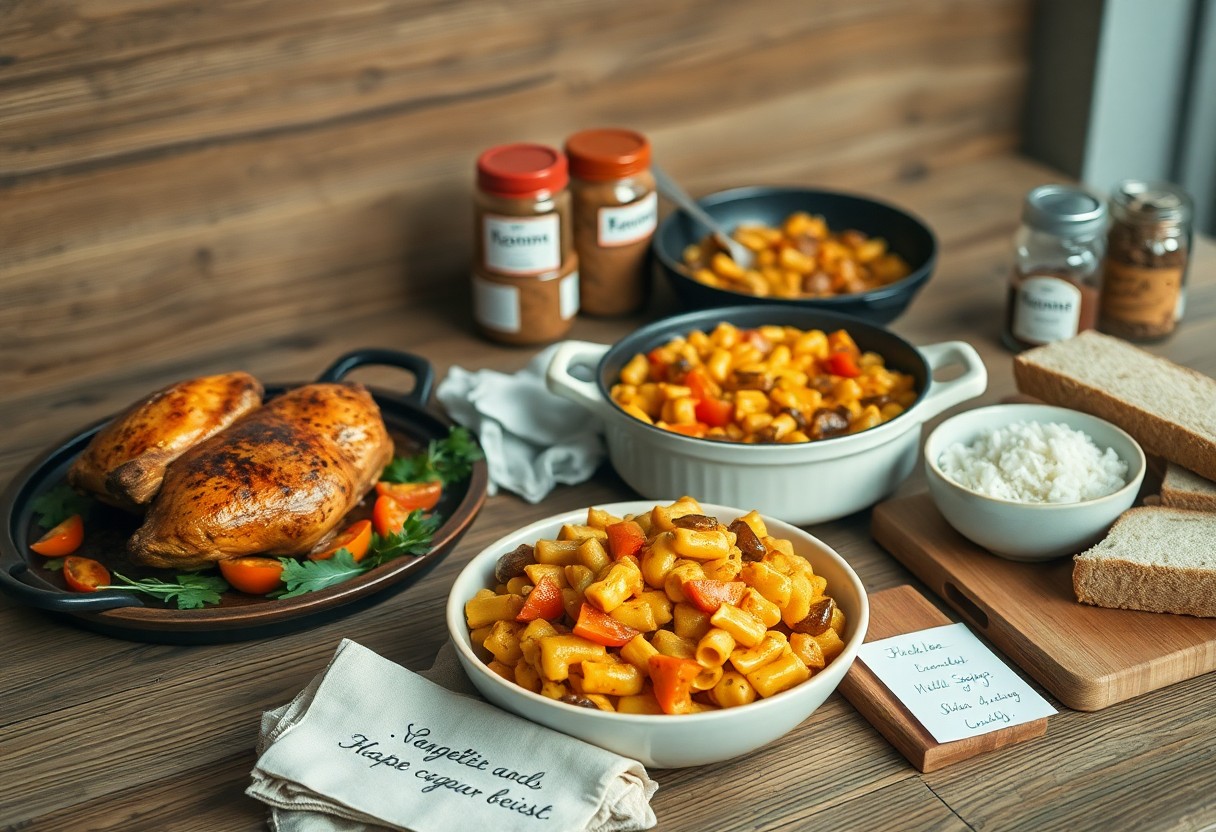
There’s a smart approach to feeding your family delicious meals on a budget: focus on versatile ingredients, simple techniques, and flavor-boosting herbs and spices so you can stretch groceries without sacrificing taste. You’ll learn practical meal plans, cost-saving shopping tips, and quick recipes that make dinner satisfying for everyone, helping you save money while delivering consistently tasty results.
Key Takeaways:
- Plan meals to stretch ingredients: base dishes on pantry staples, seasonal produce and bulk proteins to lower cost without sacrificing variety.
- Boost flavor with simple techniques: roast, sear, use aromatics, herbs, citrus or a splash of acid to make humble ingredients taste rich.
- Cook smart for busy families: batch-cook, freeze portions, and choose adaptable recipes kids will eat to save time and reduce waste.
Budget-Friendly Breakfast Options
You can start the day saving time and money by leaning on staples like oats, eggs, canned beans and frozen fruit; for example, a tray of egg muffins plus a batch of overnight oats can feed a family of four for under $6 and provide breakfasts for 5-6 days. Use bulk purchases (buy oats or eggs in 5-10 lb cartons) and plan two make-ahead items each week to cut waste, lower per-serving costs to about $0.50-$1, and keep mornings stress-free.
Quick and Easy Oatmeal Variations
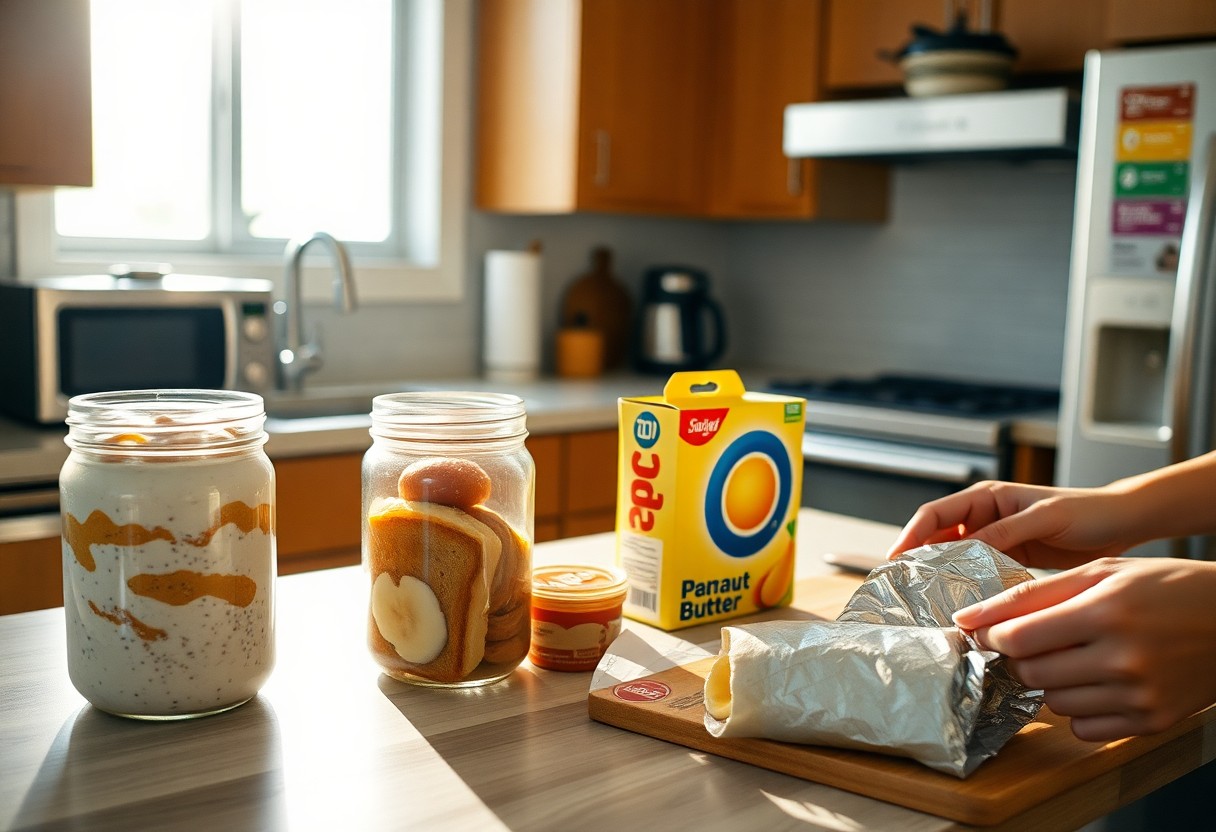
You’ll get variety with minimal effort by swapping mix-ins: use rolled oats (1 cup oats to 2 cups water) for stovetop or quick microwave cook, or soak 1:1.5 oats-to-milk overnight for creamier texture. Try peanut butter and banana, frozen berries with a squeeze of lemon, or savory oats with soy sauce and a fried egg; bulk oats typically cost $0.10-$0.25 per serving, making these flexible breakfasts extremely budget-friendly.
Savory Breakfast Egg Muffins
You can batch-make egg muffins in a 12-cup tin using 10-12 eggs, a cup of chopped veggies, ½ cup cheese and a splash of milk-bake 18-22 minutes at 350°F and freeze extras for grab-and-go breakfasts. They reheat in 60-90 seconds in the microwave, offer about 2-3 muffins per adult serving, and cost roughly $0.40-$0.80 per muffin depending on fillings.
For best results, sauté vegetables (onion, bell pepper, spinach) first to remove excess moisture, whisk eggs with 1 tsp salt per dozen and portion evenly; you can substitute diced ham, cooked sausage, or canned beans for flavor and protein. Label and date batches in the freezer-reheat straight from frozen at 50% power for 90-120 seconds or thaw overnight in the fridge to preserve texture and ensure safe reheating.
Satisfying Lunch Recipes
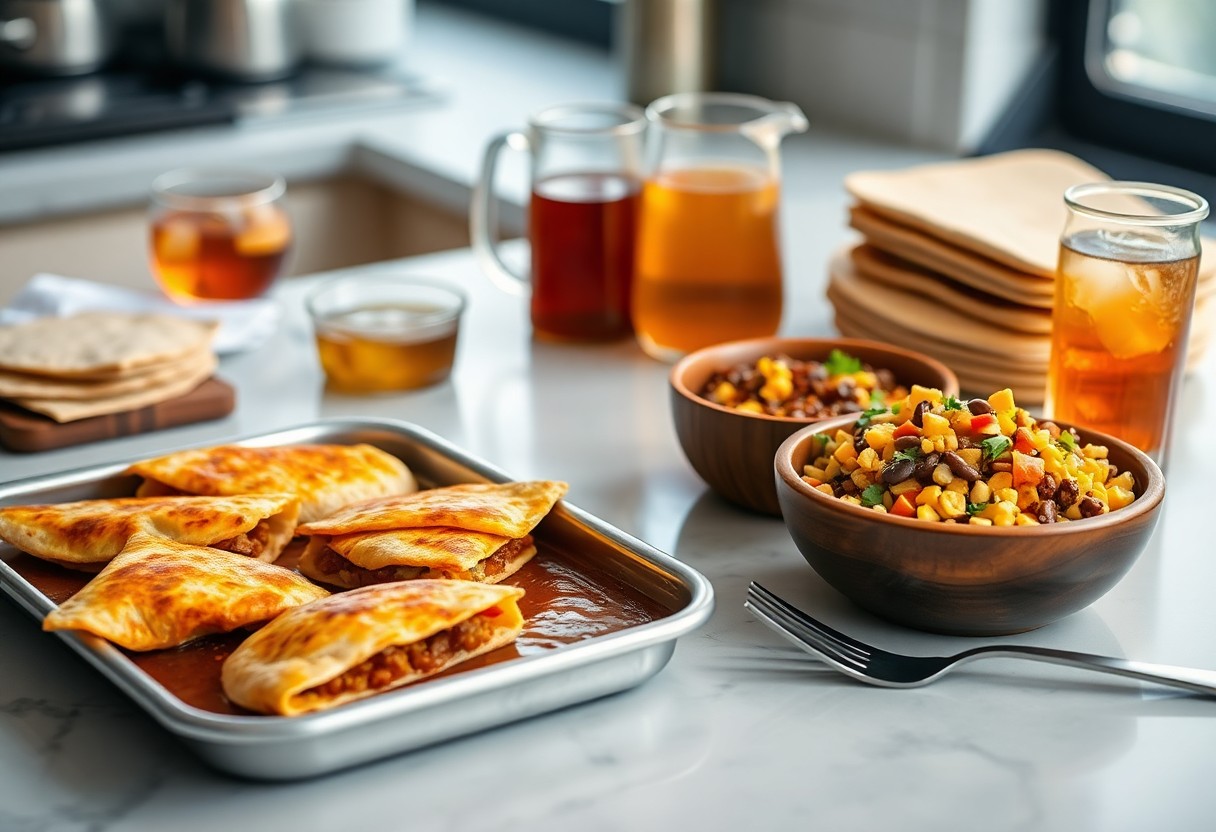
Pack lunches that fuel busy afternoons without overspending: aim for 30-minute dishes that deliver 400-600 kcal and cost about $2-3 per serving. You can rotate a grain bowl, a hearty soup, and a protein-packed salad to keep variety; try prepping bases on Sunday to shave 10-15 minutes each day. Swap seasonal vegetables to lower costs and boost flavor.
Hearty Vegetable Soup
Use 6 cups low-sodium vegetable broth, 3 cups mixed vegetables (carrot, celery, potato), and a 15-ounce can of diced tomatoes to make a 6-8 serving pot that reheats well. You’ll stretch ingredients by adding 1 can of beans for fiber and 2 teaspoons dried herbs; cook 25-30 minutes and serve with whole-grain bread for an inexpensive, filling lunch.
Chicken and Quinoa Salad
Make a simple chicken and quinoa salad using 1 cup dry quinoa (yields ~3 cups cooked) and 2 cups shredded cooked chicken to serve four. Toss with 1 cup chopped cucumber, 1/2 cup cherry tomatoes, 1/4 cup chopped herbs, and a lemon-olive oil dressing; the dish keeps 3 days refrigerated and is perfect for packable, protein-forward lunches.
For faster prep, use one rotisserie chicken and microwave quinoa in a covered bowl for 15 minutes; you’ll cut hands-on time to 20 minutes. Balance textures by adding 1/3 cup toasted almonds or 1/2 cup crumbled feta, and adjust dressing to a 3:1 oil-to-acid ratio for stable flavor. Quinoa supplies about 8 g protein per cooked cup, helping make each serving truly satisfying.
Delicious Dinner Ideas
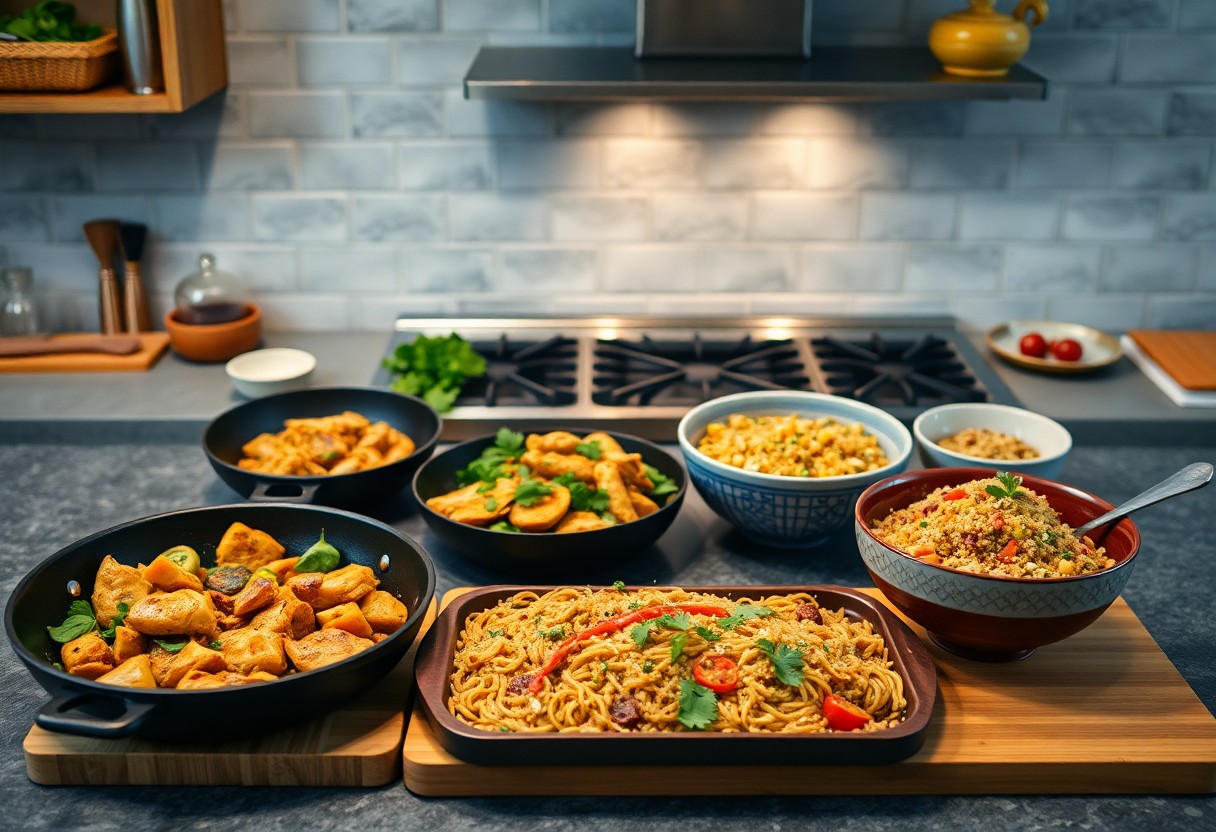
You can stretch ingredients into satisfying dinners that please picky eaters and save money; think bulk-roasted chicken turned into soup, stir-fries using 2 cups of frozen veggies per family member, or sheet-pan meals where one $6 chicken and seasonal root vegetables feed four. Try rotating three go-to templates-pasta, tacos, and bowls-to cut decision time and shopping costs by about 30% while keeping flavor varied.
One-Pan Pasta Dishes
One-pan pastas cook in 15-25 minutes and require only a single skillet, 12 oz pasta, 3 cups broth, and a can of diced tomatoes for a basic sauce; you save water and cleanup. You can add a protein like 8 oz cooked sausage or 1 cup frozen peas, finish with 2 tbsp grated Parmesan, and serve four people affordably and quickly.
Family-Style Tacos
You can feed a crowd by setting out a taco bar: 1-2 lb seasoned protein (ground turkey, beef, or seasoned black beans) plus tortillas, 2 cups shredded lettuce, diced tomatoes, grated cheese, and salsa. Assembly takes under 20 minutes, and feeding six often costs under $12 when you buy tortillas and fillings in bulk.
Scale tacos easily: 1 lb meat yields about 6 taco shells worth; use a spice mix of 1 tbsp chili powder, 1 tsp cumin, and 1 tsp garlic powder per pound for consistent flavor. You can prep proteins ahead-slow-cook 3 chicken breasts with 1 cup salsa for 3-4 hours on low-then reheat and assemble for fast weeknight service.
Mouthwatering Snacks and Appetizers
Batch-friendly snacks let you feed a crowd without splurging: a 2-cup batch of dip stretches to 8-10 portions, pita chips bake in 10-12 minutes at 400°F, and roasted chickpeas take 25-30 minutes for a crunchy protein boost; you can assemble a party platter of hummus, baked flatbreads, and a hot dip for under $10 that keeps both kids and adults satisfied.
Homemade Hummus and Veggies
You blend one 15‑oz can (or 2 cups) cooked chickpeas with 1/4 cup tahini, 2 tbsp olive oil, juice of one lemon, and 1 clove garlic to yield about 2 cups of hummus; prep takes 5-10 minutes in a food processor, it costs roughly $2-3, and stores well for 4-5 days-serve with carrot sticks, cucumber rounds, and bell pepper strips.
Cheesy Spinach Dip
You mix 8 oz cream cheese with 1/2 cup Greek yogurt or sour cream, 1 cup cooked spinach (from a 10‑oz frozen package, thawed and squeezed), 1 cup shredded cheddar/mozzarella, and 2 minced garlic cloves; bake at 375°F for 18-22 minutes until bubbly-this recipe serves about 6 and typically costs $4-6 to make.
If you want more versatility, prepare the dip ahead and refrigerate up to 3 days or freeze in an airtight container; thaw overnight and reheat covered at 350°F for 10-12 minutes or microwave in 30‑second bursts. Use artichoke hearts or a 1/2 cup grated Parmesan to vary flavor, and drain spinach thoroughly to avoid a watery texture.
Sweet Treats on a Budget
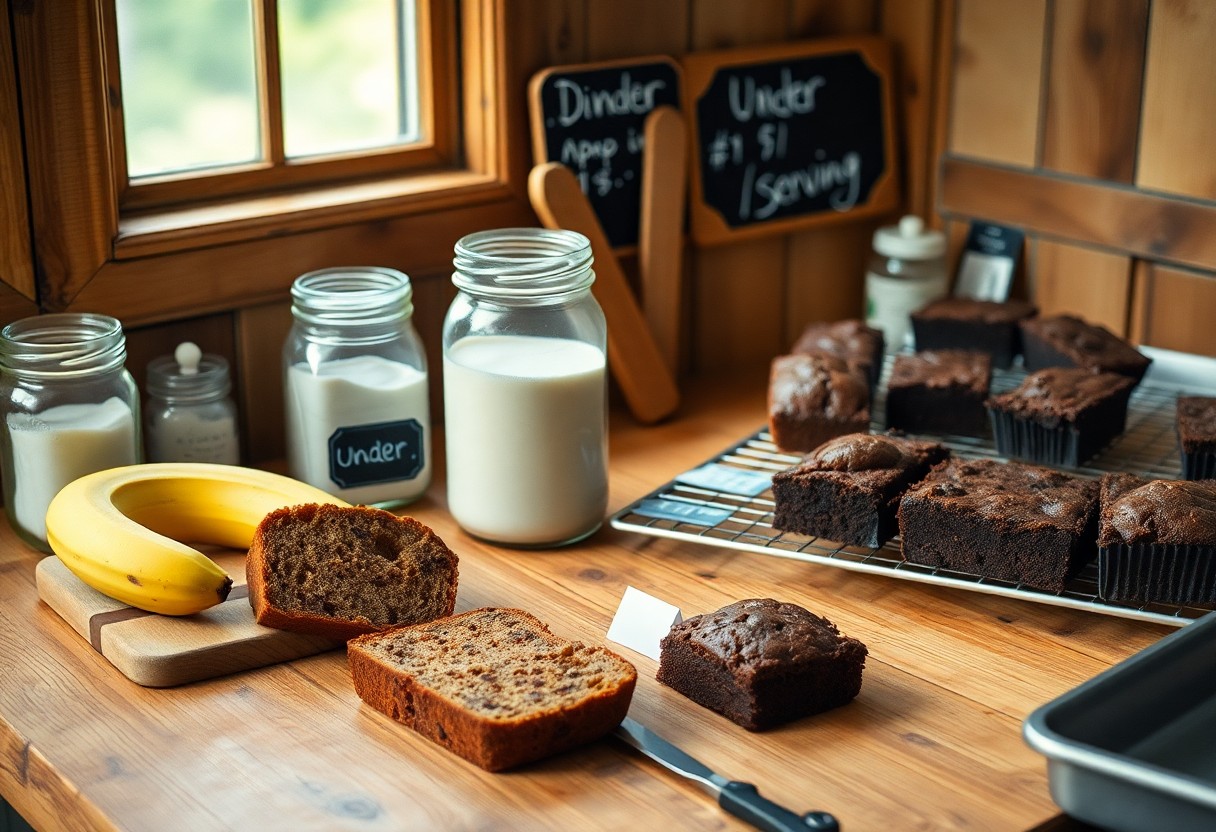
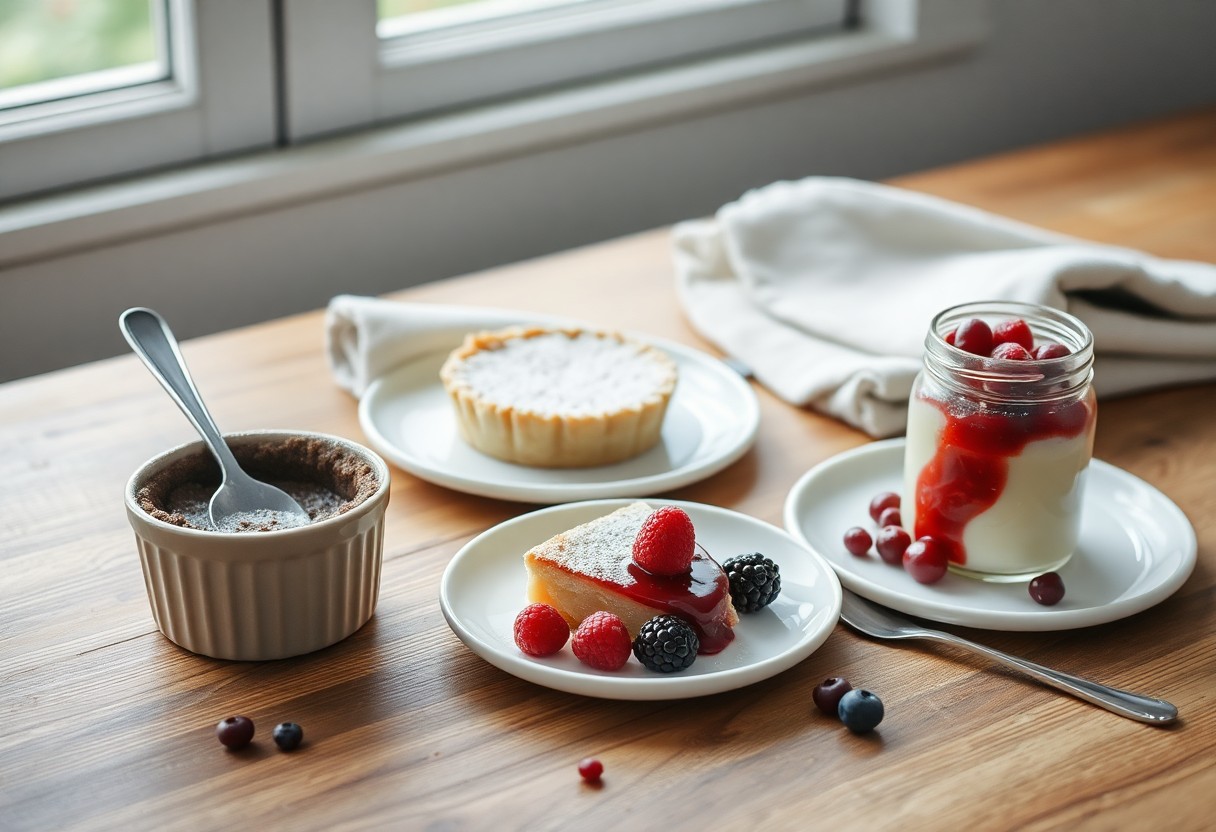
You can satisfy dessert cravings without splurging by choosing simple, high-yield sweets: aim for recipes with 5 ingredients or fewer that take 10-60 minutes. For example, batch no-bakes and quick loaves use pantry staples like oats, peanut butter and overripe bananas, often yielding 8-12 servings per recipe while keeping prep time and cost low.
No-Bake Chocolate Peanut Butter Bars
You can mix 2 cups rolled oats, 1 cup peanut butter, 1/2 cup honey and a pinch of salt; press into an 8×8-inch pan. Then melt 1 cup chocolate chips with 1 tbsp oil, spread on top and chill about 1 hour. Yield: roughly 12 bars; active prep ~10 minutes, fridge time ~60 minutes-no oven required.
Classic Banana Bread
You can use 3 very ripe bananas, 1/2 cup sugar, 1/3 cup melted butter (or oil), 1 beaten egg, 1 tsp vanilla, 1 tsp baking soda, 1/2 tsp salt and 1½ cups all-purpose flour; bake in a greased loaf pan at 350°F (175°C) for 50-60 minutes. Yields one loaf (10-12 slices) that stretches breakfasts and snacks affordably.
You can easily adapt the loaf: stir in 1/2 cup chopped walnuts or 3/4 cup chocolate chips, swap 1/4 cup applesauce for half the fat to cut calories, or reduce sugar by 25% with minimal texture change. Store wrapped at room temperature 2-3 days or freeze sliced for up to 3 months; toast slices straight from the freezer for a quick treat.
Meal Prep Tips for Families
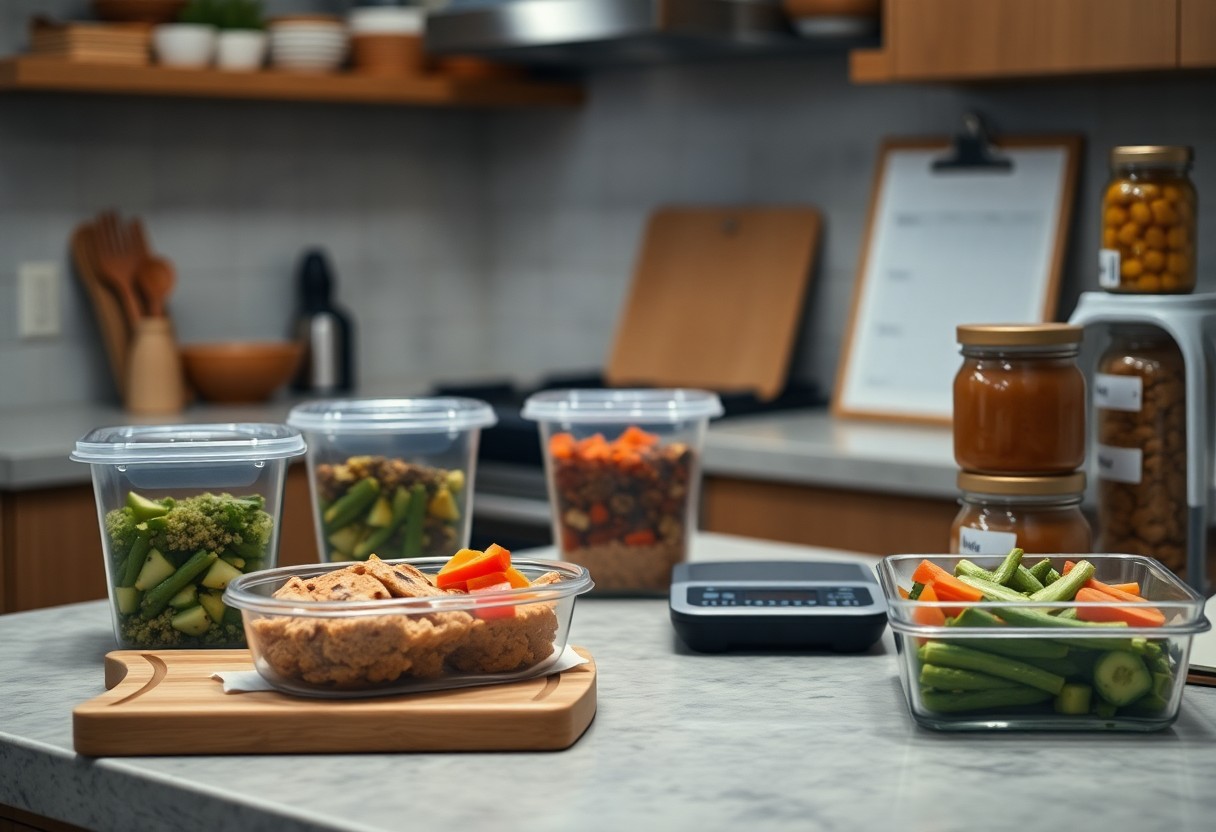
Set up a weekly rhythm that turns weekend prep into weekday ease: assign 60-90 minutes on Sunday to chop, cook, and portion.
- Pre-portion proteins into 3-4-serving bags to freeze and thaw per meal.
- Wash and chop 6-8 cups of vegetables for quick sautés and salads.
- Cook a 6‑lb chicken or 3 lb ground meat to create 6-8 base meals.
Perceiving this time as an upfront investment helps you reclaim 2-3 weeknights while cutting dinner costs roughly 15-25%.
Efficient Grocery Shopping
Use unit prices and a running inventory to stop impulse buys and save 10-20% per trip; check store apps for weekly deals and clip 2-3 coupons for staples. Buy frozen fruit and vegetables out of season, choose store brands for pasta and canned tomatoes (often 30-50% cheaper), and purchase grains/spices in 1-5 lb bulk to lower cost per ounce. Plan meals around circulars to lock in predictable savings.
Batch Cooking Strategies
Stretch proteins by cooking once and repurposing: roast a 6‑lb chicken to yield 6-8 dinners, or brown 3 lb of ground beef to split between tacos, pasta sauce, and stuffed peppers. Cook 2 cups dry rice (about 6 cups cooked) and portion into 1‑cup servings for six meals. Label containers with contents and date, and freeze portions in meal-sized portions for easy thawing.
Arrange a simple schedule: roast vegetables on a sheet pan for 25-35 minutes at 425°F while a 6‑lb chicken cooks ~90-120 minutes, or set a 6‑qt slow cooker for 8-10 hours low for shredded beef. Flash-freeze portions on a tray for 1 hour before bagging to prevent clumping, label with date, thaw overnight in the fridge, and reheat to 165°F. Repurpose one roast into tacos, soup, and a casserole-an $8 whole chicken can deliver six meals at about $1.33 each.
Final Words
From above you can apply simple strategies to stretch your budget while serving flavorful meals, using pantry staples, seasonal produce, and smart meal planning; with basic techniques and batch cooking you’ll satisfy picky eaters, reduce waste, and keep costs down without sacrificing taste or nutrition.

Leave a Reply