
Family meals become effortless when you focus on versatile recipes, batch prep, and smart ingredient swaps that respect tastes and time; this post teaches you how to plan menus, streamline cooking, and enlist helpers so your table consistently serves satisfying, stress-free dinners everyone will love.
With a few pantry staples and straightforward techniques, you can assemble satisfying, balanced dinners that please picky eaters and busy schedules alike. This guide shows practical recipes, time-saving strategies, and simple swaps so you consistently serve meals that are nutritious, flavorful, and easy to customize for your family’s preferences and routines.
Key Takeaways:
- Choose simple, flexible recipes with easy substitutions to please picky eaters.
- Favor one-pan, sheet-pan, or slow-cooker meals to cut prep and cleanup time.
- Batch-cook and involve family in prep to save time, add variety, and increase mealtime buy-in.
Key Takeaways:
- Keep recipes simple and flexible-one-pan, sheet-pan, and slow-cooker meals save time and please picky eaters.
- Encourage customization by offering mix-and-match components (proteins, grains, vegetables) so everyone builds a plate they enjoy.
- Prep ingredients in advance, batch-cook, and rely on pantry staples to make weeknight dinners quick and low-stress.
Quick Breakfast Ideas
Shift your morning routine toward make-ahead and 10-minute wins: smoothie bowls blend in 3-5 minutes, overnight oats take 5 minutes to prep and 6-8 hours to set, egg muffins bake in 20-25 minutes for a week’s worth, and avocado toast comes together in under 5. You can mix and match toppings and proteins to hit 300-500 calories per serving, keeping kids and adults satisfied without extra morning stress.
Smoothie Bowls
Use 1 cup frozen berries, 1 banana, ½ cup Greek yogurt, and ¼-⅓ cup milk for a thick base; blend until spoonable. Top with 2 tbsp granola, 1 tbsp chia seeds, and ¼ cup sliced fruit for texture and 8-12 g protein. They take 3-5 minutes and you can swap spinach, 1 scoop protein powder, or nut butter to boost nutrients.
Overnight Oats
Mix 1 part rolled oats to 1-1.5 parts milk, add 2 tbsp chia and ½ cup yogurt, then sweeten with 1 tbsp honey or maple syrup; refrigerate 6-8 hours. You’ll get a creamy, grab-and-go breakfast providing fiber and 8-12 g protein depending on yogurt choice. Try berries, nuts, or cinnamon for variety.
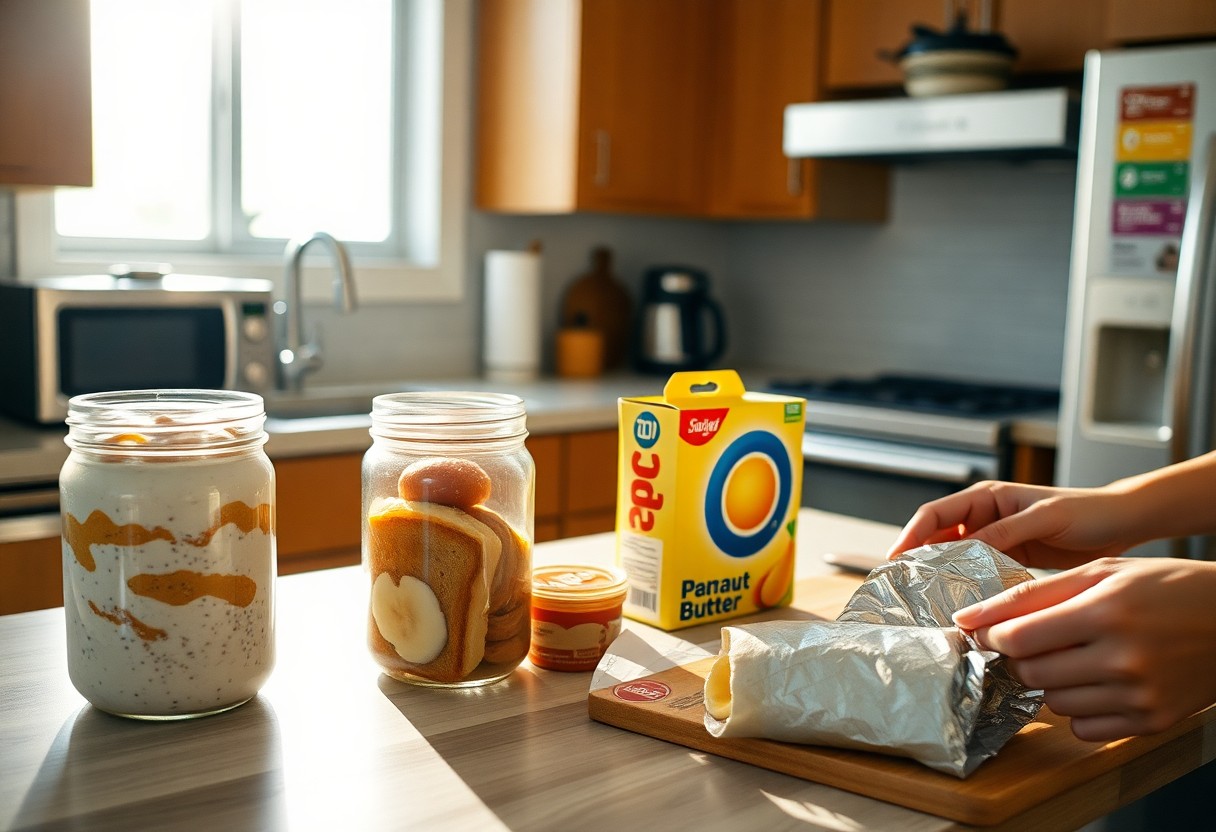
Batch overnight oats by combining 2 cups rolled oats, 2-3 cups milk, 1 cup yogurt, 4 tbsp chia, and 2 tbsp sweetener to make four servings; portion into jars and refrigerate up to 4 days. You can rotate flavors-peanut butter and banana, apple-cinnamon with walnuts, or savory oats with ¼ tsp salt, herbs, and a soft-boiled egg-to keep mornings interesting while saving 15-20 minutes daily.
Quick and Easy Breakfast Ideas
To keep mornings smooth, plan 2-3 make-ahead breakfasts each week: a batch of one-pan burritos, overnight oats for 3-4 days, and frozen smoothie packs you can blitz in under 5 minutes. Aim for recipes that serve 4, reheats well, and use pantry staples so you can feed the family quickly on busy school or work mornings.
One-Pan Breakfast Burritos
You can cook one skillet and wrap 8-10 burritos in about 15 minutes: sauté 1 diced bell pepper and 1/2 cup onion in 1 tbsp oil, add 12 scrambled eggs and 1 cup cooked sausage or black beans, then stir in 1 cup cheese. Fill 8-inch tortillas, roll, and freeze individually; each heats in a microwave 90-120 seconds or a 350°F oven for 12-15 minutes.
Overnight Oats Variations
Use a 1:1 ratio-1/2 cup rolled oats to 1/2 cup milk-plus 1 tbsp chia and refrigerate 8 hours; that base yields a creamy texture you can customize: mix in 2 tbsp peanut butter and sliced banana for 12g extra protein, or stir 1/2 cup mixed berries and 1 tsp maple syrup for a vitamin-rich option. Prep 3-4 jars for the week.
For better texture and nutrition, prefer old-fashioned rolled oats over instant and add 1/4-1/2 cup Greek yogurt per jar to boost protein to roughly 10-15 g depending on brands. Store overnight oats sealed in the fridge for up to 4 days, top with toasted nuts or fresh fruit just before serving, and use flavored extracts or spices-vanilla, cinnamon, or cardamom-to vary profiles without extra sugar.
Satisfying Lunch Options
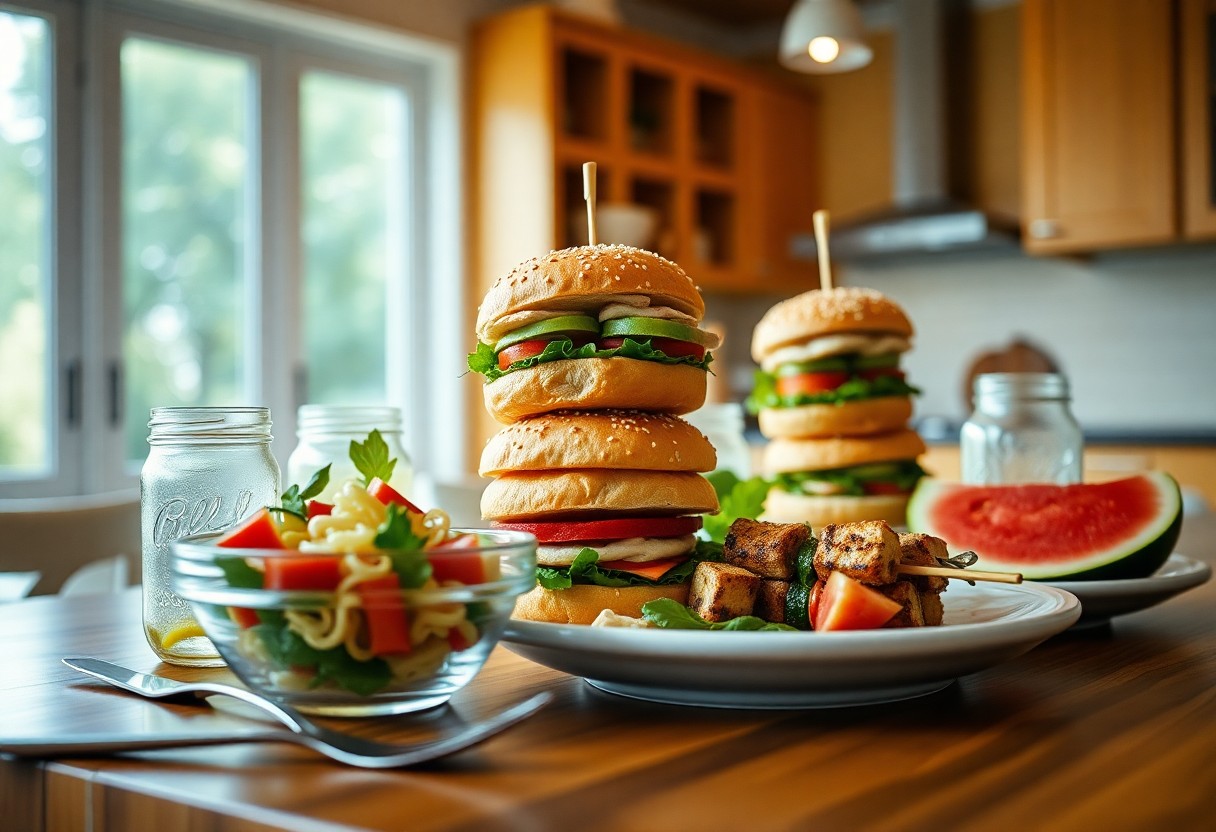
For quick midweek lunches you can hit balance by aiming for 20-30 g protein and 5-10 g fiber; examples include a grain bowl with 1 cup cooked quinoa, roasted veggies and 3 oz chicken, a hearty sandwich, or a mason-jar salad. Many options take 10-15 minutes to assemble and store safely 24-48 hours refrigerated. Use leftovers from dinner to cut prep time and boost variety.
Wraps and Sandwiches
Start with whole-grain tortillas or bread to add fiber; an 8-inch whole-wheat wrap contributes about 3-4 g fiber. Try turkey-avocado (3 oz turkey ≈ 18 g protein) or hummus-and-roasted-veg for a vegetarian option. Pressing in a panini press crisps and seals, and prepping fillings in 10-20 minutes lets you assemble fresh lunches in under five minutes; store wrapped in parchment to keep textures intact for 24-48 hours.
Quick Salads
Pick a base like mixed greens, 1 cup cooked quinoa, or 2 cups baby spinach and add 1/2 cup protein-chickpeas, canned tuna, or grilled chicken-to get about 20-25 g protein. Dress with 1 tbsp olive oil and lemon, and toss in cucumber, bell pepper, or toasted seeds for crunch. If you keep dressing separate, jar salads will last up to four days.
Follow a simple formula: 1-1½ cups base, 3-4 oz protein (or 1/2 cup beans), 1/2 cup veg, and 1-2 tbsp dressing. Layer jars with dressing at the bottom, sturdy items next, and greens on top so you can prep three to five salads at once; this approach typically yields lunches of 400-600 kcal and 20-30 g protein each.
Simple Lunches for Busy Days
When midday gets hectic, you can rely on quick builds that finish in under 10 minutes using leftovers and pantry staples. Assemble protein (roasted chicken, tuna, or canned beans), a whole-grain base, and two crunchy toppings-carrot ribbons and pickled red onion-then add a simple vinaigrette. Batch-cook grains once a week, store components 3-4 days, and mix new combos daily to keep lunches varied for kids and adults alike.
DIY Wraps and Sandwiches
Choose a sturdy wrap (whole-wheat, spinach, or corn tortilla) and limit fillings to three-protein, spread, and one fresh veg-to prevent sogginess. Spread 1-2 tablespoons of hummus or Greek yogurt-based sauce, layer warm protein (4-6 oz) then greens, and roll tight; toast 1-2 minutes per side if you want crunch. You can wrap in foil for up to 24 hours for school or work; cut diagonally to make them family-friendly.
Healthy Salads in a Jar
Layering is key: put dressing at the bottom, sturdy veggies next, grains or beans in the middle, protein above, and greens on top so jars stay crisp up to 4 days. You can use 16-ounce Mason jars for a satisfying portion and include at least three colors-roasted beet, chickpea, feta-or a Greek combo of cucumber, tomato, olives, and spinach to hit 3-5 servings of vegetables.
Pick 16-oz jars and prep 3-5 at once in 20-30 minutes; with 4-6 oz protein (chicken or canned tuna) you’ll reach roughly 25-35 g protein and 400-550 kcal per jar depending on dressing. Keep dressings to 2 tablespoons (about 120 calories for oil-based) in the bottom, seal tight, refrigerate, and shake before eating. If you add avocado, assemble it the morning of to avoid browning.
Easy Dinner Recipes
When weeknight schedules tighten, build dinners that finish in 20-30 minutes and serve four. You can rely on staples like boneless chicken thighs, canned beans, or frozen vegetables to deliver ~25-30 g protein per serving while keeping prep under 15 minutes. Swap grains-white rice, quinoa, or quick-cooking pasta-to change flavors without extra work; batch-cook grains twice weekly to shave even more time.
One-Pot Wonders
Try one-pot dishes like a 25-minute chicken-and-rice, a 15-minute one-pot pasta, or a 30-minute lentil stew that yields six servings and 18-22 g protein per bowl. You’ll save cleanup by cooking proteins, grains, and vegetables together; for example, a saffron risotto with frozen peas takes about 25 minutes and feeds four. Use low-sodium broth to control salt and boost flavor.
Sheet Pan Dinners
Roasting on a sheet pan makes weeknight timing predictable: salmon and asparagus take 12-15 minutes at 425°F, while chicken drumsticks and potatoes roast 35-40 minutes at the same temp. You can feed four from one pan and season bravely-smoky paprika, lemon zest, or za’atar-then swap seasonal vegetables to keep costs low and variety high.
Space items so air circulates-crowding causes steaming-and line pans with foil or parchment for faster cleanup. You can stagger cook times by cutting denser vegetables smaller or starting them 10-20 minutes earlier; root vegetables need 30-40 minutes at 425°F, while thin asparagus finishes in 10-15. For crisper results, use two pans on separate racks and rotate them halfway through.
Family-Friendly Dinner Options
For weeknight dinners you can rotate quick templates-pasta nights, sheet-pan roasts, and slow-cooker meals-to cover four meals a week while keeping shopping simple; aim for 20-30 minutes on busy nights and reserve one longer recipe for weekends to batch-cook and freeze portions for later.
One-Pot Pasta Dishes
You can make a complete meal in one pot by cooking 8 oz pasta with 3-4 cups broth, 4-6 oz protein (chicken, sausage, or shrimp), and a couple of handfuls of greens; examples include a 15-20 minute lemon-garlic shrimp spaghetti or a 25-minute sausage, tomato, and kale rigatoni, which both simplify cleanup and yield roughly 20-30 g protein per serving.
Sheet Pan Chicken and Vegetables
Roast bone-in thighs or boneless breasts at 425°F for 25-35 minutes alongside carrots, Brussels sprouts, and baby potatoes so everything finishes together; toss in 1-2 tbsp olive oil per pan, season with smoked paprika, garlic powder, and thyme, and space items out to get crisp edges with minimal fuss.
To ensure even cooking, stagger vegetable sizes and timing: cut potatoes smaller or parboil them 5-7 minutes so they match 12-15 minute veggies like broccoli and bell peppers, or start roots 10-15 minutes earlier; avoid overcrowding the pan-use two pans if needed-check chicken reaches 165°F, rest 5-10 minutes, and finish with a squeeze of lemon or a quick pan sauce from drippings for extra flavor; swap in tofu or chickpeas for vegetarian nights.
Kid-Friendly Snacks
Snack time becomes an easy opportunity to boost nutrition: aim for 6-8 g protein and 3-5 g fiber per snack for school-aged kids. You can prep batches-cut veggies in 3-4 containers, hard-boil a dozen eggs on Sunday, and portion 4-ounce hummus cups-so snacks are grab-and-go during busy afternoons.
Homemade Granola Bars
Mix 2 cups rolled oats, 1/2 cup nut butter, 1/3 cup honey, 1/4 cup chopped nuts and 1/4 cup dried fruit, press into an 8×8 pan and bake 12-15 minutes at 350°F for about 12 bars. You can swap seeds for nuts to accommodate allergies and wrap bars individually for lunchboxes.
Fruit and Yogurt Parfaits
Layer 3/4 cup plain Greek yogurt with 1/3 cup mixed berries and 2 tablespoons granola for a 200-250 kcal snack that supplies roughly 12-15 g protein and calcium. You can assemble jars the night before and keep granola separate to stay crunchy at school or on outings.
For variety, swap berries for 1/2 cup sliced banana plus 1 tablespoon peanut butter, or use 1/2 cup diced mango with 1 tablespoon shredded coconut for a tropical twist. If you limit added sugar, choose plain yogurt and stir in 1 teaspoon maple syrup only when needed; portion 4-6 oz for toddlers and 8-12 oz for older kids.
Delectable Snacks Everyone Will Enjoy
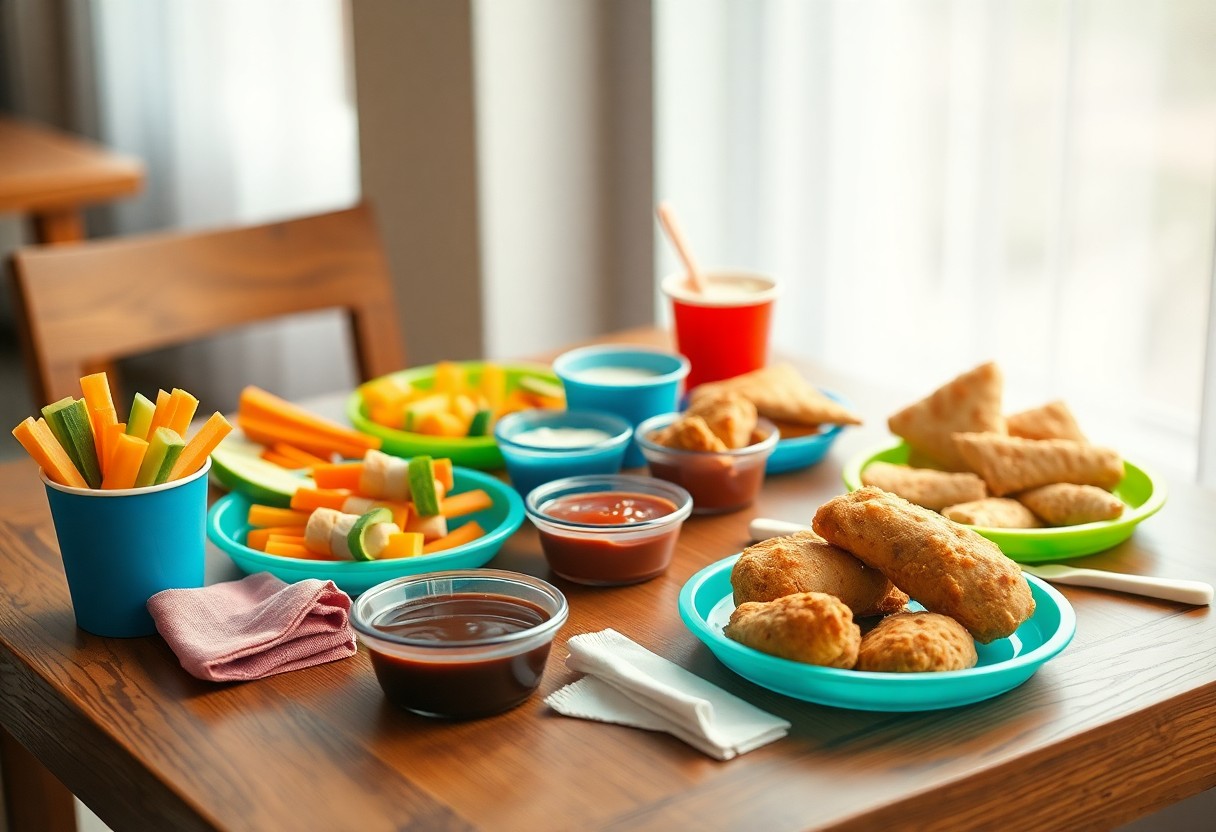
Set up a snack station so you make it easy for everyone to graze: include fresh fruit, 1-2 oz cheese portions, ¼ cup nuts, a bowl of hummus, and pita chips; that mix supplies roughly 8-12 g protein and healthy fats per serving and keeps kids satisfied between meals.
Homemade Granola Bars
You can whip up no-bake granola bars by mixing 2 cups rolled oats, 1 cup nut butter, ½ cup honey, and ½ cup mix-ins (chocolate chips or dried cranberries); press into an 8×8 pan, chill 20-30 minutes, and cut into about 12 bars – swap nut butter for sunflower seed butter for nut-free families.
Vegetable Dips and Hummus
A basic hummus from one 15-oz can of chickpeas yields about 1½-2 cups, and you can vary flavors with roasted red pepper, beet, or lemon-basil; serve with sliced bell peppers, cucumber rounds, carrot sticks, or baked pita chips so everyone has crunchy and fresh dipping options.
To make classic hummus, blend one 15-oz can chickpeas (reserve 2-3 tbsp aquafaba), ¼ cup tahini, 2 tbsp lemon juice, 1 garlic clove, 2 tbsp olive oil and salt to taste; you should process 1-2 minutes for creaminess, add aquafaba to thin, and refrigerate up to 4-5 days. For a yogurt-based vegetable dip, combine 1 cup Greek yogurt, ½ grated cucumber, 1 tsp dill, 1 minced garlic clove and a squeeze of lemon for a tangy, protein-rich option.
Family-Friendly Desserts
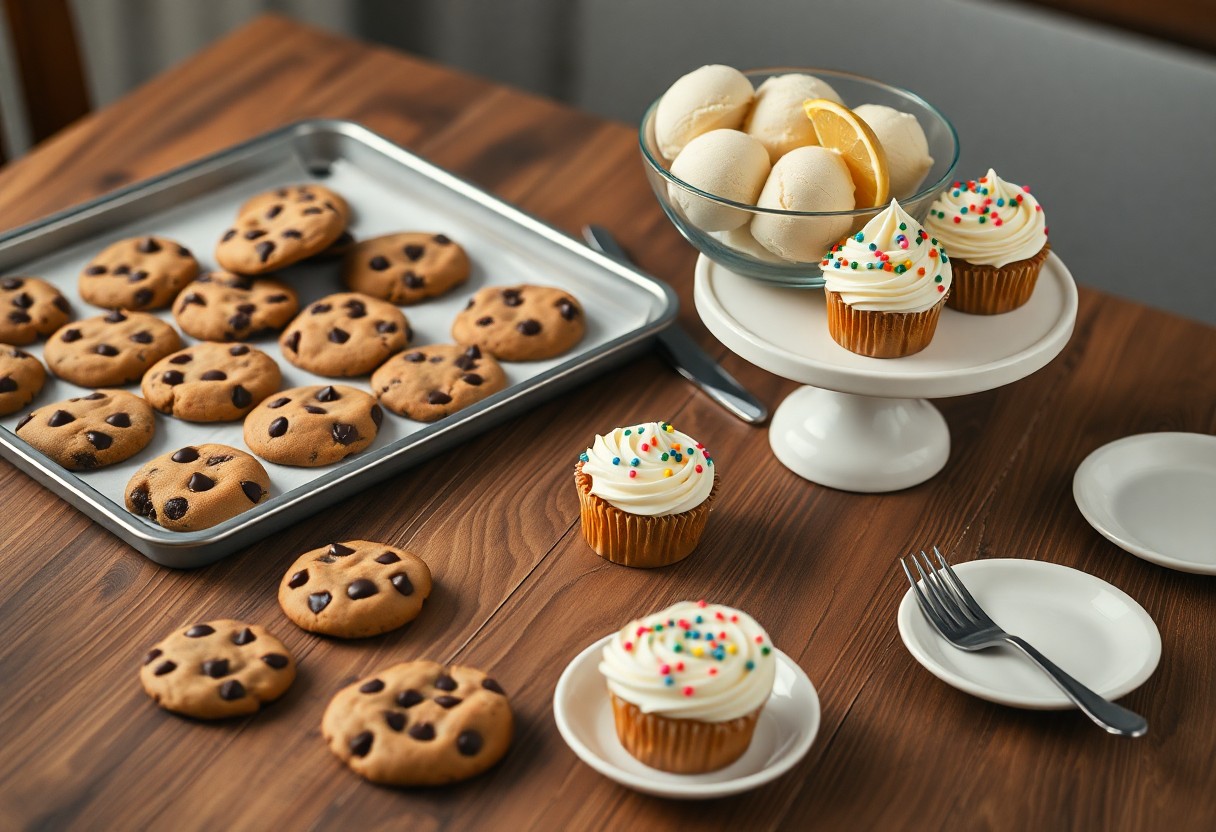
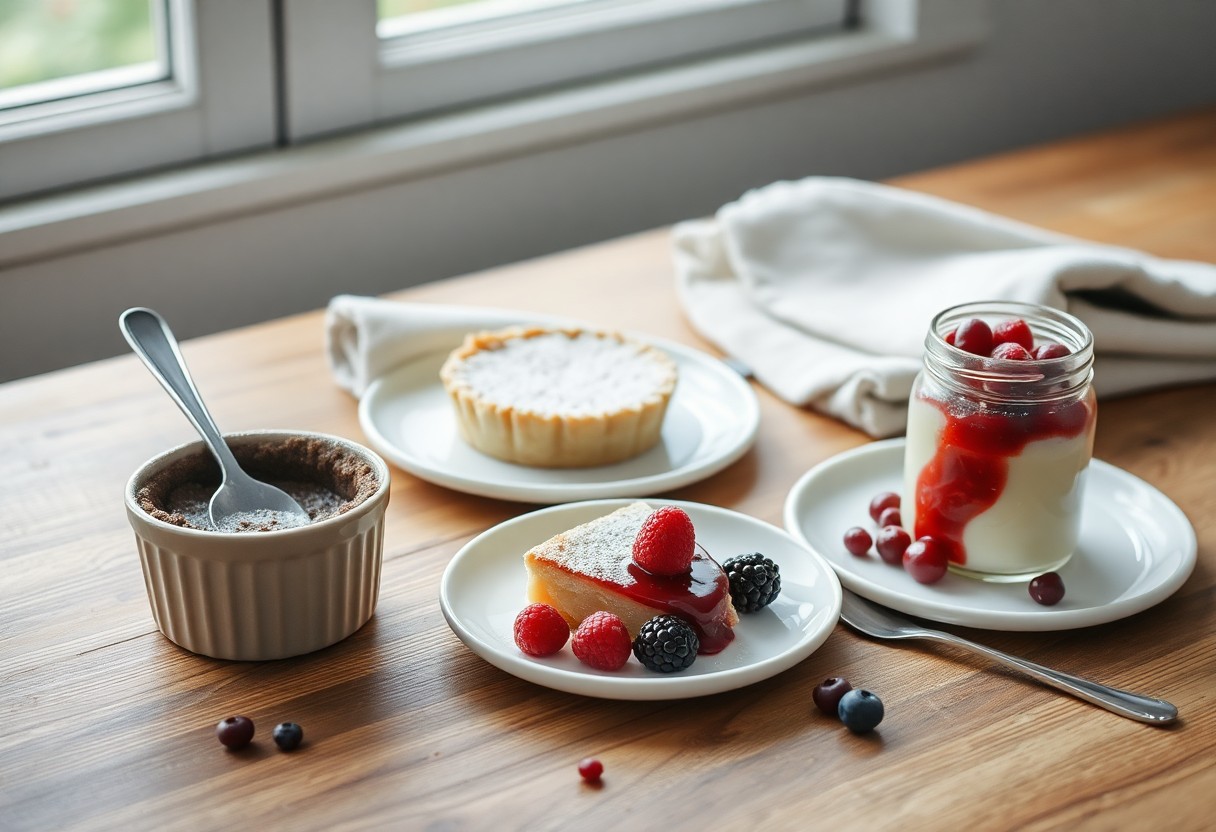
When dessert time comes, aim for treats you can prep in under 15 minutes or that feed a crowd; fruit parfaits layered with 2 cups Greek yogurt, 2 tablespoons honey and 3 cups mixed berries serve six. You can also freeze blended banana and 1 cup cocoa for quick sorbet, or assemble 3-ingredient chocolate mousse with 8 ounces cream, 4 ounces chocolate and 1 tablespoon sugar. These swaps cut sugar and save time while pleasing picky eaters.
No-Bake Treats
No-bake options are lifesavers on busy nights: mix 1 cup peanut butter, 1/2 cup honey and 2 cups oats for peanut-butter oatmeal bars that set in the fridge in 30 minutes and slice into 12 bars. You can also make yogurt bark by spreading 2 cups Greek yogurt, scattering 1 cup berries and 2 tablespoons chopped nuts, then freezing 2 hours. Many parents report kids prefer chilled textures and you avoid heating the kitchen.
Classic Cookies
Classic cookies are reliable crowd-pleasers: a basic chocolate-chip batch-2 cups flour, 1 cup softened butter, 3/4 cup brown sugar, 1/2 cup sugar, 2 eggs, 1 teaspoon baking soda and 2 cups chips-yields about 24 cookies; bake at 350°F for 10-12 minutes. You can halve the sugar for a less-sweet option or swap half the butter for applesauce to cut fat, making them ideal for school lunches or after-soccer snacks.
For better texture, chill cookie dough 30-60 minutes so flavors deepen and spreading decreases; chilled dough often yields taller cookies. You should use parchment and a 1.5-tablespoon scoop for uniformity, and swap 25% of flour for rolled oats to add chew. If you bake ahead, freeze dough balls on a tray for up to 3 months and add 1-2 minutes to bake time to accommodate frozen dough.
Sweet Treats for the Whole Family
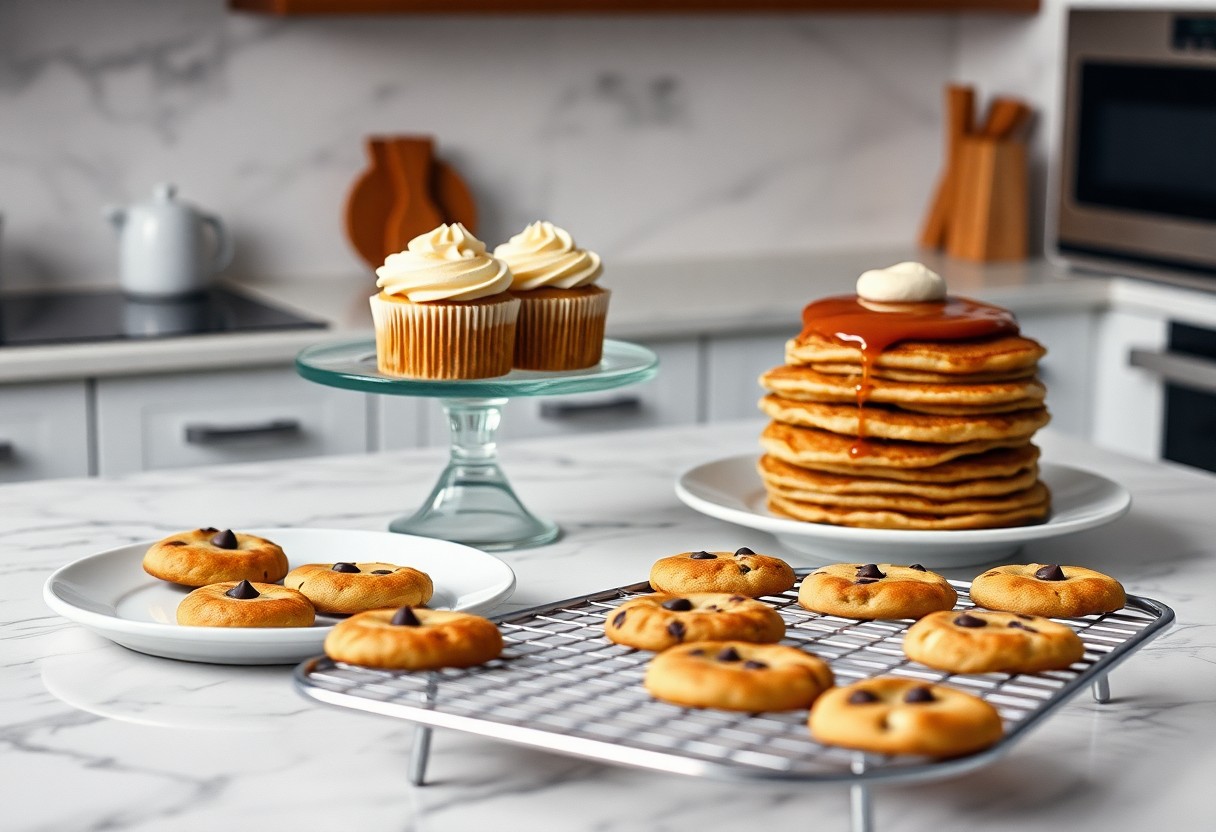
Aim for desserts with 3-5 ingredients and under 15 minutes of hands-on time so you can finish dinner without a fuss; try a Greek yogurt parfait using 1 cup Greek yogurt (≈20 g protein), 1 cup mixed berries, and 2 tbsp granola for 2-3 servings, or a quick chocolate-dipped banana – dip halves in 2 tbsp melted dark chocolate and freeze 15 minutes for an easy, portion-controlled treat.
Easy Fruit Desserts
Grill halved peaches 3-4 minutes per side, top with 2 tbsp ricotta and 1 tsp honey for a 4-serving warm dessert, or bake apples stuffed with 1/2 cup oats, 2 tbsp brown sugar, and 1 tsp cinnamon at 375°F for 25 minutes; you can also assemble a citrus-honey fruit salad (1 tbsp honey, 1 tsp lemon zest) using seasonal berries and stone fruit for bright flavor and vitamin C.
No-Bake Cookie Recipes
Choose a classic no-bake chocolate-oat cookie that takes about 10 minutes active time and yields roughly 24 cookies: melt 1/2 cup butter, 2 cups sugar, 1/2 cup milk, and 4 tbsp cocoa, boil 1 minute, then stir in 1/2 cup peanut butter, 3 cups rolled oats, and 1 tsp vanilla before dropping by spoonfuls and chilling 30 minutes; kids can help drop cookies safely.
For variations, swap rolled oats for quick oats for a softer texture, or use 1/2 cup sunflower seed butter to make them nut-allergy friendly; add 1/2 cup shredded coconut or 2 tbsp chia seeds for extra fiber, and store cookies airtight up to 5 days or freeze up to 3 months – thaw in the fridge before serving.
Tips for Meal Planning
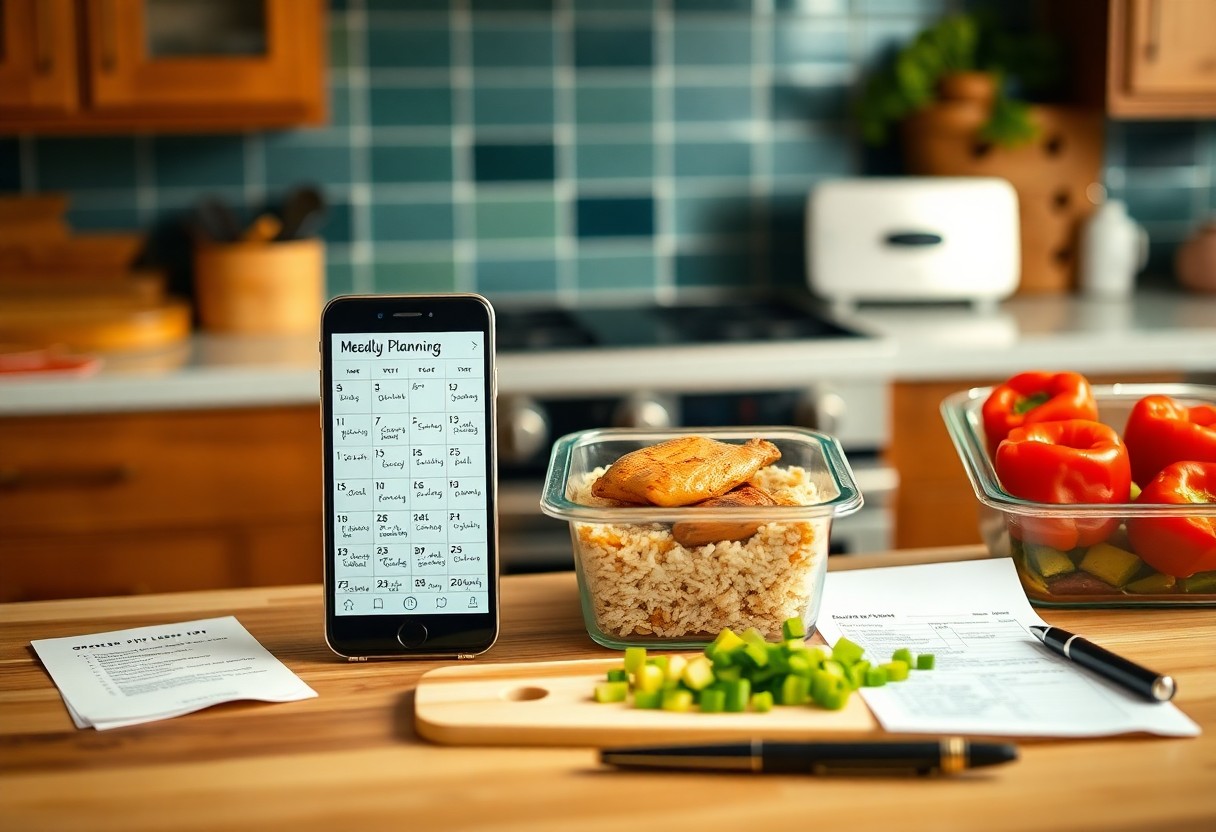
To simplify weeknight cooking, build a 7-day framework: pick 3 easy dinners, 2 batch-cooked mains, and 2 flexible nights for leftovers or takeout; aim for 20-30 minute prep on busy nights and 60-90 minutes for a weekend batch. Vary proteins-chicken, canned beans, and tofu cover most tastes-and rotate vegetables based on what’s on sale. Plan meals around 1-2 produce specials to save money. This reduces decision fatigue and food waste.
- Plan 3-4 core recipes you can remix: roast chicken, chili, grain bowl, and a sheet-pan meal.
- Schedule one shopping trip and one prep day; you’ll reduce weekday cooking time by roughly 40%.
- Keep a running pantry inventory on your phone so you avoid duplicate buys and use staples efficiently.
- Assign theme nights (Taco Tuesday, Stir-Fry Thursday) to streamline choices and get the whole family involved.
Shopping Lists
Group your shopping list by aisle-produce, proteins, grains, dairy, frozen, pantry-to cut grocery time by up to 30%. Add exact quantities: 2 lb boneless chicken, 4 cans (15 oz) beans, 1 lb pasta, 6 apples, and 2 heads of broccoli for a family of four. Use an app or handwritten checklist and check for pantry duplicates before you go. This keeps impulse buys low and meals on track.
Batch Cooking Strategies
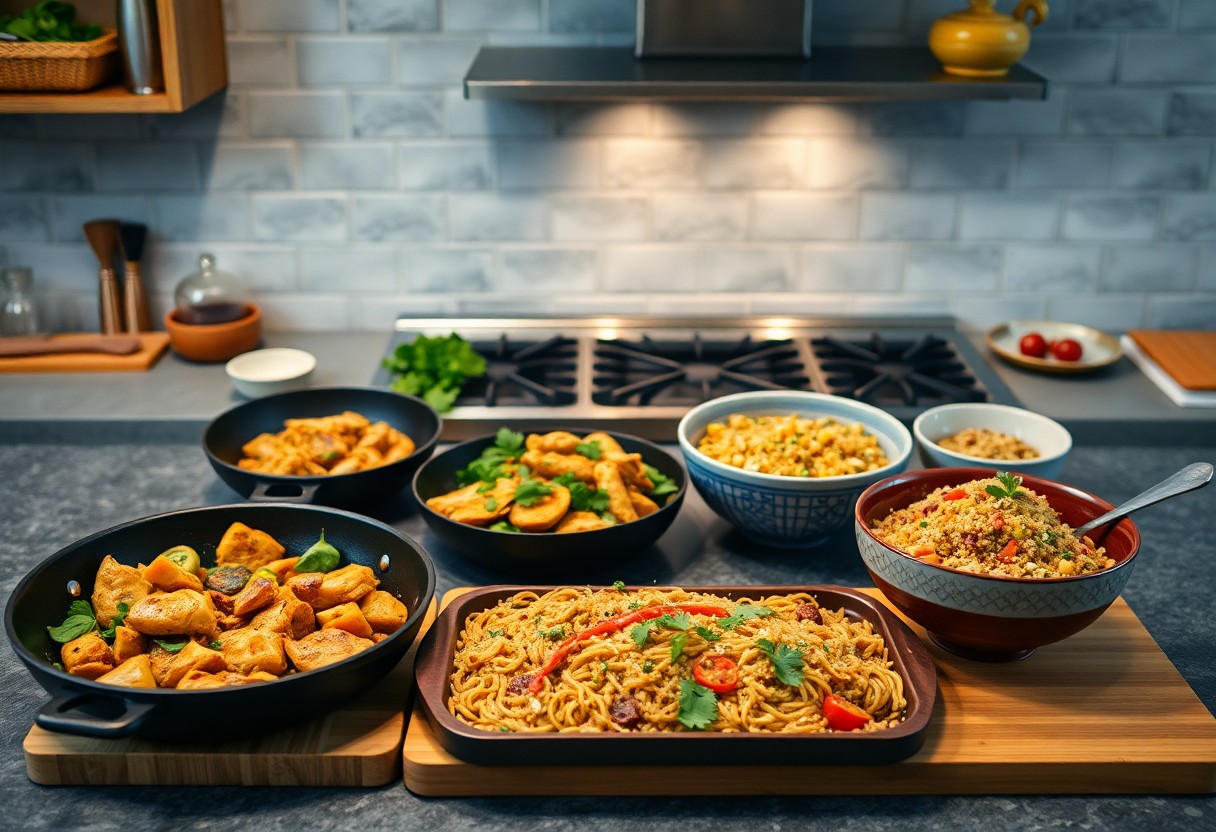
Start with 2-hour Sunday sessions: roast 3-4 lb chicken, cook 8 cups rice, and chop veggies into 3 containers for stir-fries and salads; portion into 4-6 meals. Label with dates and use airtight containers-refrigerated meals last 3-4 days, frozen 2-3 months. Mix flavors with one Italian tray and one Mexican tray to avoid boredom. This makes weeknight dinners 10-15 minutes.
You should stock airtight 2-3 cup containers and a few 2-qt freezer-safe pans; cook 6-8 servings of a base (e.g., chili, Bolognese, or curry) and freeze in 2-serving portions. Defrost overnight in the fridge or use the microwave defrost setting, then reheat until the internal temperature reaches 165°F (74°C). Label each package with contents and date, rotate older batches forward, and plan two nights per week to use frozen meals so variety stays high and waste stays low.
Meal Prep Tips for Busy Families
- Batch similar tasks-chop veggies for multiple recipes, roast a tray of mixed proteins, and cook grains in bulk to save 30-60 minutes across the week.
- Rely on set-and-forget appliances: slow cooker for 6-8 hour meals, Instant Pot for 20-30 minute pressure-cooked dinners, and the oven for sheet-pan meals that feed four to six people.
- Double recipes and freeze half; most cooked dishes stay fresh 3-4 days in the fridge and 2-6 months in the freezer with proper packaging.
- Assume that dedicating one 60-90 minute session weekly can slash weekday prep time and reduce dinner stress.
Planning Meals Ahead
You can schedule a 60-90 minute planning session each weekend to map seven dinners and five lunches, using themes like Meatless Monday and Leftover Thursday to simplify choices. Create a shopping list grouped by store section-produce, proteins, pantry-so you average 10-15 minutes at the checkout. Aim for 3-5 ingredient base recipes you can customize, and plan one double-batch meal per week to freeze for a busy night.
Storage Solutions and Tips
You should use clear, airtight containers in 1-2 cup single-serve sizes and 3-4 cup family sizes, label each with date and contents, and keep similar meals together so you can grab-and-go. Store cooked leftovers 3-4 days in the fridge or 2-6 months frozen; thaw overnight in the fridge to preserve texture. Vacuum sealing and silicone bags reduce freezer burn and save space for bulk meal freezes.
- Choose BPA-free glass for oven-safe reheating and clear plastic for lightweight lunches.
- Portion in meal-sized containers (1-2 cups per serving) to avoid reheating excess food.
- The best practice is to label with date and reheating instructions to speed weekday use.
When reheating, heat to an internal 165°F (74°C) for safety-use a probe thermometer for dense dishes; microwaves work in 2-3 minute bursts with stirring, while a skillet restores crispness to proteins. Thaw overnight in the fridge and refreeze only foods that haven’t been at room temperature over two hours. Keep sauces separate when possible to retain texture, and freeze flat in zip-top bags to thaw faster.
- Freeze meals flat and stack them to maximize freezer space and speed thawing.
- Maintain a simple inventory list on your phone or a whiteboard so you know what’s available.
- The shelf-by-day system (label containers Mon-Sun) prevents guesswork and trims decision fatigue.
Conclusion
On the whole, easy family meals let you save time, reduce stress, and keep everyone satisfied by focusing on simple ingredients, flexible recipes, and batch-friendly techniques; by involving your family in planning and prep, you build habits that make weeknight cooking smoother and more enjoyable, so you can consistently serve nourishing, crowd-pleasing dishes without sacrificing flavor or variety.
To wrap up
Summing up, by choosing simple recipes, planning meals, and involving your family, you can create easy dinners that satisfy varied tastes and save time; build a rotating menu of versatile staples, use shortcuts like prepped ingredients, and adjust seasonings so everyone enjoys mealtime while you stay organized and confident in the kitchen.

Leave a Reply