
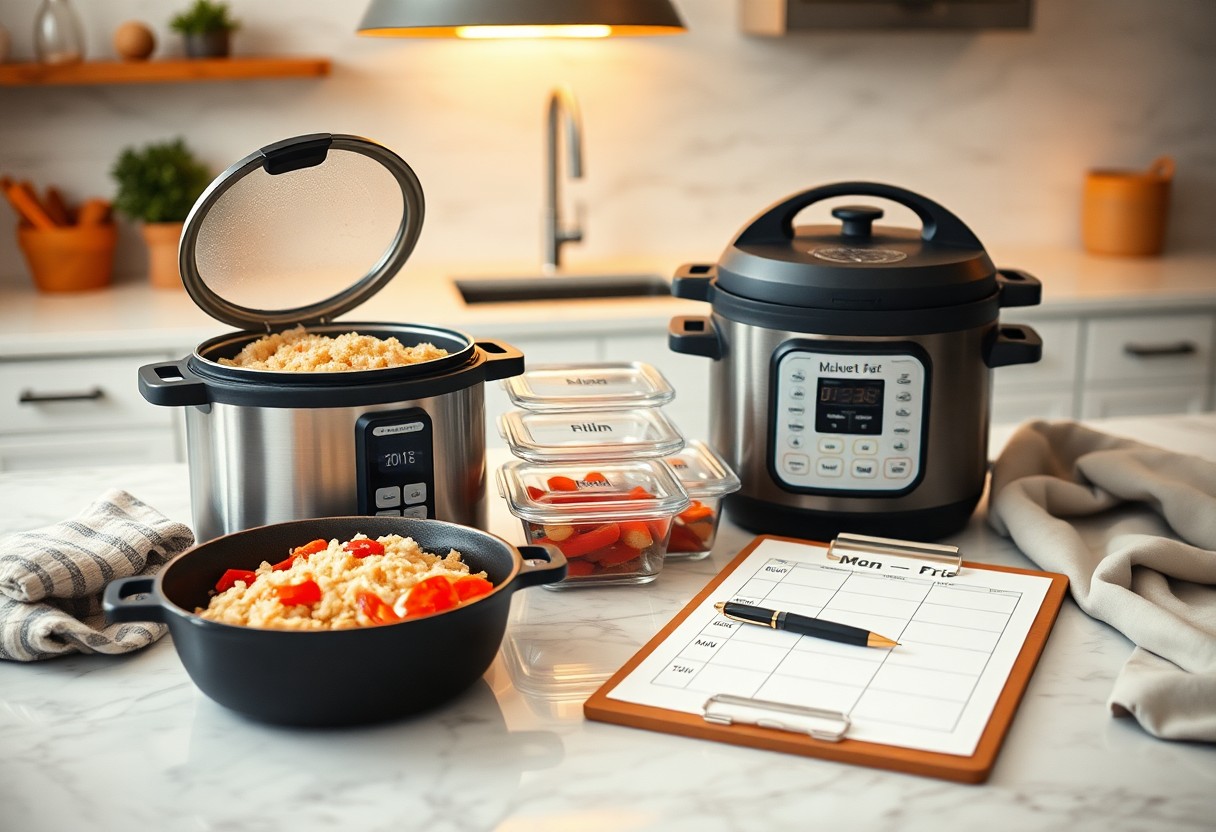
Meal-Planning with one-pot recipes streamlines your weekly menu, reduces cleanup, and helps you control nutrition without sacrificing flavor. You’ll master efficient techniques for layering ingredients, timing, and seasoning so your meals are consistent and satisfying. Use these adaptable recipes to save time, lower grocery waste, and make your cooking routine more manageable and enjoyable.
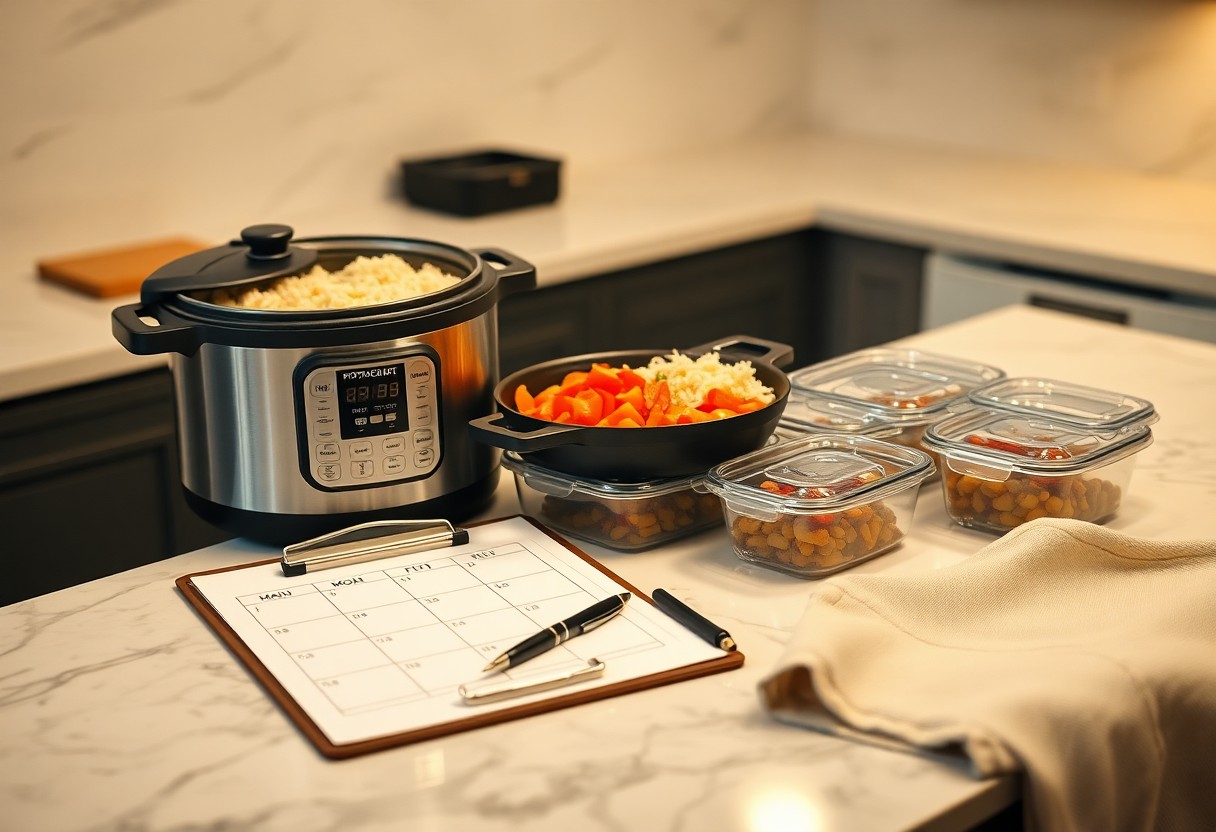
Key Takeaways:
- Minimizes prep and cleanup – cook mains, sides, and sauces in one vessel to save time and reduce dishes.
- Makes weekly planning flexible – interchangeable proteins, grains, and vegetables let you reuse recipes and rely on pantry staples.
- Supports balanced, batch-friendly meals – easy to scale for leftovers, freezer portions, and portion control.
Benefits of One-Pot Cooking
You gain measurable efficiency and consistency: one-pot meals streamline ingredient use and timing so you spend less time juggling pans. For instance, one-pot pastas cook in 12-15 minutes and skillet stews need about 20-30 minutes of active work, while leftovers often last 3-4 days, making batch-cooking practical. That combination reduces decision fatigue, tightens your grocery list, and trims total weekday meal time by roughly 20-40%.
Time-Saving Advantages
Switching to one-pot methods trims both hands-on and after-dinner time, often saving 10-30 minutes per meal. You can prepare a one-pot pasta in 12-15 minutes or a skillet chicken with veg in 20-25 minutes, and doubling recipes gives you ready-made lunches for 2-3 days. These habits let you reclaim weeknights without sacrificing variety or nutrition.
Minimal Cleanup
You reduce sink time dramatically by limiting cookware: one pot, one spoon and a cutting board handle most recipes, cutting cleanup from about 20 minutes to under five. Picking a dishwasher-safe Dutch oven, nonstick sauté pan or instant pot further speeds cleanup, and meals like curries or rice dishes often leave only one vessel to wash.
When you want to streamline even more, soak the pot while you eat for 10 minutes to loosen stuck-on food and use a silicone spatula to protect nonstick surfaces. Stainless steel pans clean quickly after a 10-minute boil with water and baking soda, and a baking-soda paste applied 15-30 minutes removes stubborn spots. Choosing a 6-8‑quart Dutch oven or enamel-coated cast iron also lets you store leftovers in the same vessel, eliminating an extra dish.

Essential One-Pot Cooking Techniques
Dialing in a few core techniques lets you control texture and timing: master sautéing for browning, deglazing to capture flavor, and gentle simmering to meld components. Start with aromatics (onion, celery) sautéed 3-5 minutes, deglaze with ½ cup wine or stock, then simmer-15-25 minutes for grains/vegetables, 60-90 minutes for tougher cuts. You’ll cut active time and ensure consistent results across one-pot recipes.
Sautéing and Simmering
When you sauté, heat oil until it shimmers (~170-190°C) and cook onions 3-5 minutes until translucent; add garlic for the last 30-60 seconds. Brown proteins 2-4 minutes per side to develop Maillard flavor, then deglaze with ½ cup stock or wine to lift fond. After adding liquids, reduce to a low simmer (85-95°C); a beef stew often needs 60-90 minutes, while vegetable-forward one-pots finish in 15-25 minutes.
Layering Ingredients
Layering means sequencing ingredients by density and cook time: you sear aromatics first, add proteins, then dense roots (carrots, potatoes) and finally quick-cooking items like peas or greens. For grains, use standard ratios-rice 1:2 liquid, quinoa 1:1.5-and place them so they absorb heat evenly. Dishes like paella and jambalaya rely on precise order to build texture and an even cook.
To fine-tune layering, stagger additions by minutes-to-done: add root vegetables 20-30 minutes before finish, bone-in chicken 40-50 minutes, boneless cuts 15-25 minutes, and leafy greens in the final 2-4 minutes. Also control moisture: reduce measured liquid by 10-15% for a thicker sauce or add 120-240 ml more for looser results. You can even create a crust (socarrat) by finishing paella uncovered over medium-high heat for 2-3 minutes.
Types of One-Pot Meals
You can group one-pot meals into five practical categories-soups and stews, braises and roasts, skillet sautés and pan-bakes, casserole-style oven bakes, and one-pot pasta and grain bowls-each optimized for different cook times and cleanup. The variety lets you rotate quick 15-30 minute skillet or pasta dinners with low-effort 2-6 hour braises to stretch proteins across multiple meals.
- Soups & stews: 30-120 minutes, great for bulk freezing.
- Braises & roasts: 2-6 hours, tenderize cheaper cuts.
- Skillet sautés & pan-bakes: 15-30 minutes, high-heat searing.
- Casserole-style bakes: 30-60 minutes, combines sides and protein.
- One-pot pasta & grains: 12-25 minutes, minimal liquid techniques.
| Soups & Stews | Minestrone, beef stew – simmer 30-120 min; freezes well. |
| Braises & Roasts | Pot roast, coq au vin – low oven or stovetop for 2-6 hrs for tender results. |
| Skillet Sautés & Pan-Bakes | Chicken thighs & veg – sear then finish in pan; 15-30 min total. |
| Casserole-Style Bakes | Shepherd’s pie, baked pasta – assemble and bake 30-60 min for hands-off dinners. |
| Pasta & Grain Bowls | One-pot spaghetti, risotto, quinoa bowls – 12-25 min; adjust liquid ratios precisely. |
One-Pot Pasta Dishes
You can make full pasta meals in 12-25 minutes by cooking pasta directly with sauce and aromatics; for example, one-pot spaghetti with 400 g pasta, 4 cups crushed tomatoes, 3 cups water, and garlic cooks in about 15 minutes and yields four servings. Vary proteins like 200 g sausage or 300 g shredded chicken, and finish with 30 g grated Parmesan to boost richness without extra pans.
One-Pot Rice and Grain Recipes
You’ll find pilafs, risottos, and quinoa bowls that cook from 12-40 minutes: quinoa typically needs 12-15 minutes at a 2:1 water ratio, long-grain rice 15-20 minutes covered, and risotto 18-22 minutes of stirring with gradual ladling of 500-750 ml stock per 300 g rice. Use toasted grains and a measured 1-2% salt to control seasoning across 3-6 servings.
For deeper technique, toast 1-2 cups of grains in oil for 2-3 minutes before adding liquid to increase nuttiness, and prefer broths over water to add 10-30% more flavor intensity; when batch-cooking, 2 cups dry rice yields about 6 cups cooked, covering 4-6 meals. You can shift textures by finishing pilafs with butter and herbs or making creamy risottos by stirring in 50-100 g cheese and 30-60 g butter at the end for binding.
One-Pot Meal Planning Tips
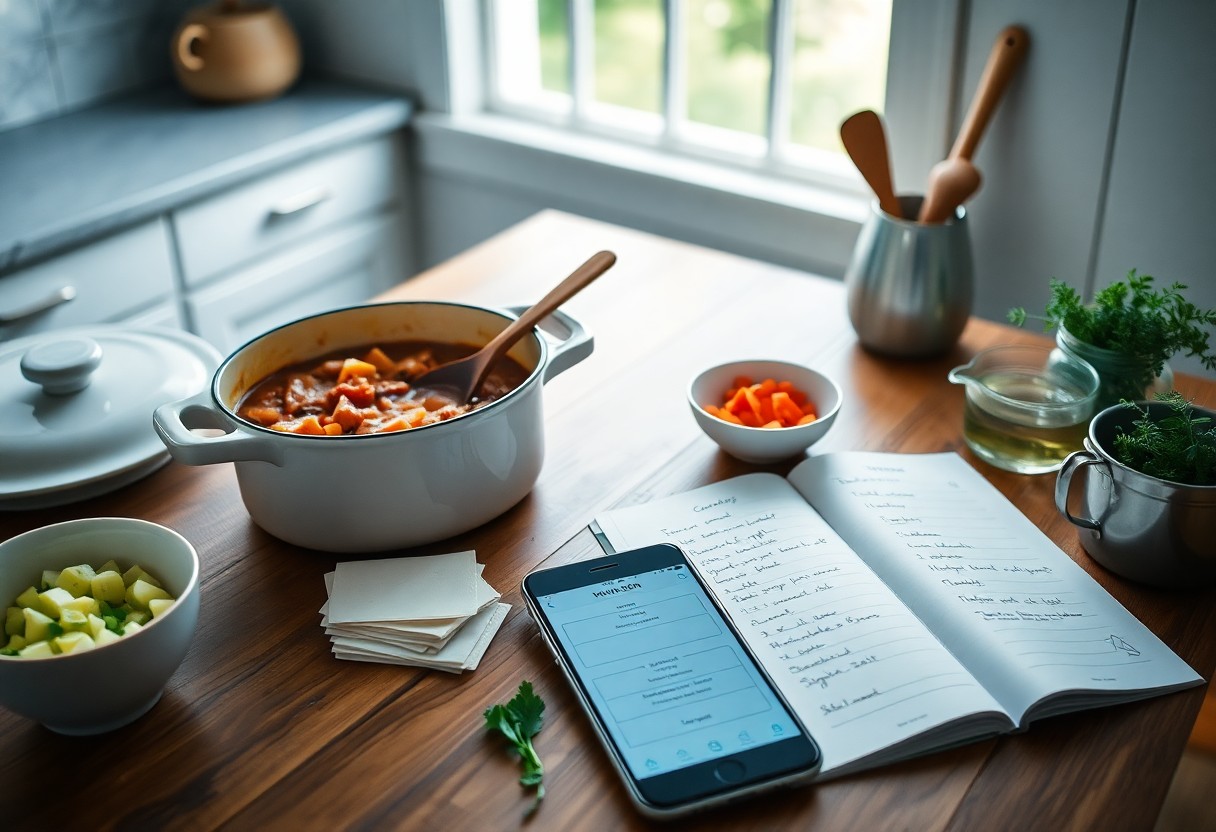
When you plan weekly one-pot meals, map 3-4 recipes around shared staples-rice, canned tomatoes, beans-to cut shopping time to about 20 minutes and reduce food waste by roughly 30%. Rotate proteins (chicken, lentils, tofu) to reuse cooking techniques and batch-cook a grain or sauce on Sunday to trim weekday prep. Use timers and labeled containers to keep servings consistent. This habit saves about 90 minutes a week and simplifies evening decisions.
- Build 3 core bases (tomato, broth, curry) and swap proteins.
- Schedule one batch-cook session per week (45-90 minutes).
- Use clear 2-cup containers for single servings.
- Plan 3 vegetable servings across your three weekly recipes.
Ingredient Substitutions
You can swap 1 cup chicken stock for 1 cup vegetable stock without losing depth, or replace 1 lb ground beef with 1 lb cooked lentils to cut saturated fat by ~50% while keeping texture. Substitute Greek yogurt 1:1 for cream or silken tofu for a vegan creamy base, and use quick-cooking barley instead of rice to shorten simmer time by 10-15 minutes. Keep a short list of 6 go-to swaps in your phone for faster decisions.
Portion Control and Storage
Portion into 2-cup servings (about 400-500 kcal) using airtight containers, label with date, and refrigerate for up to 4 days or freeze for 2-3 months; cool food to under 40°C (104°F) within 2 hours to minimize bacterial risk. Divide meals into protein, grain, and veg portions before sealing to preserve texture when reheating, and count on one 2-cup container per adult meal.
For longer-term storage, freeze individual servings on a tray, then transfer to labeled freezer bags to save space and prevent freezer burn; thaw overnight in the fridge or use the microwave defrost setting for 5-8 minutes depending on portion size. When reheating, stir at 30-60 second intervals to reach an internal temperature of 74°C (165°F) and restore even texture, and keep a running inventory on your phone to avoid duplicate thawing or waste.
Recipe Ideas for Busy Weeknights
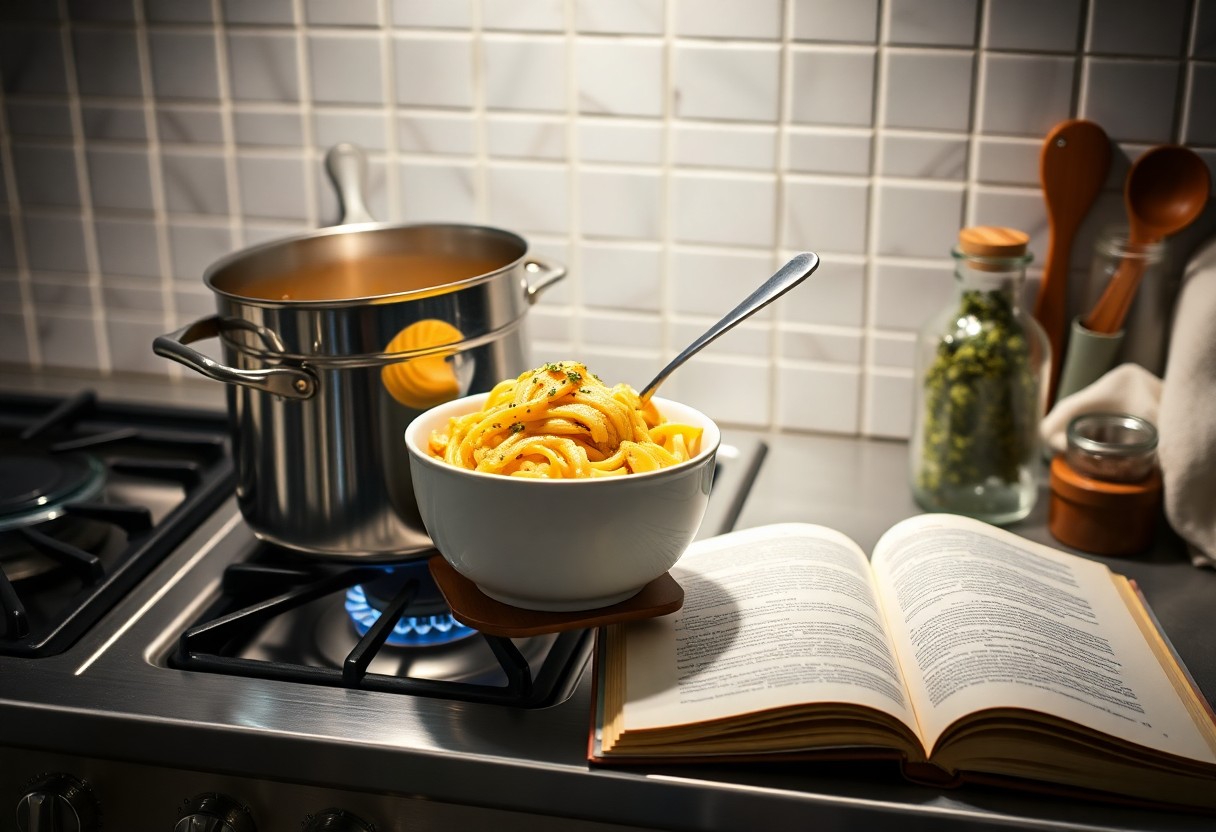
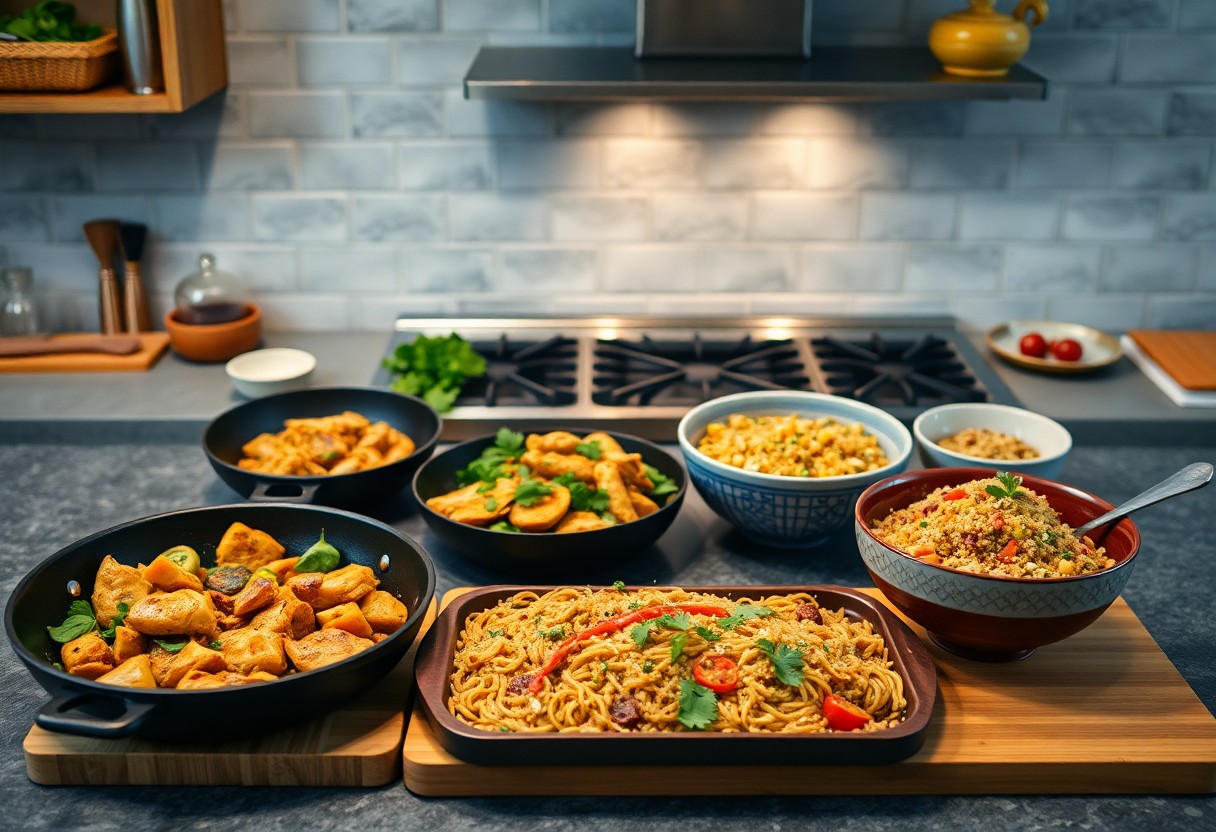
When dinners stack up, you can rotate a few one-pot templates-stir-fry, skillet pasta, grain bowl, and soup-to cover five nights using 8-10 common staples. Swap proteins and use canned goods, frozen veg, and a base grain to assemble meals in 20-40 minutes; for example, turn roasted chicken into tacos, quesadillas, and a quick chicken-and-rice skillet across three nights.
Quick and Easy Variations
You can convert one recipe into several with two simple swaps: change chicken to shrimp for a 15-minute skillet, swap white rice for quinoa (20 minutes) for a nuttier texture, or add canned beans to make it vegetarian. For instance, a 25-minute tomato-garlic skillet becomes shrimp scampi, chickpea marinara, or spicy sausage pasta by altering protein and spice levels.
Hearty and Comforting Options
You’ll reach for slow-simmered stews, creamy casseroles, and baked risottos when comfort is the goal-many one-pot comfort meals serve 4-6 and reheat well. A 40-minute beef-and-barley stew or a 35-minute creamy chicken-and-mushroom skillet delivers leftovers for lunches; using a pressure cooker can trim those times to 20-25 minutes without sacrificing depth.
When you make hearty one-pot dishes, prioritize technique: brown 1 lb of meat first, then add roughly 2 cups of liquid per cup of grains to ensure proper cooking. You can swap in lentils (cook 20-25 minutes) for cost savings, finish with 1 tbsp acid (lemon or vinegar) to brighten flavors, and store leftovers safely for 3-4 days or freeze portions for 2-3 months.
Family-Friendly One-Pot Recipes
When you feed both picky eaters and adults, pick one-pot templates that scale to 4-6 portions: skillet mac and cheese, chicken-and-rice casseroles, and mild chili. You can hide 2 cups grated carrots or zucchini in sauces, swap ground turkey for beef to cut saturated fat, or use a 15-ounce can of beans to add fiber and protein with no extra steps.
Kid-Approved Dishes
You’ll win weeknights with familiar textures turned nutritious: creamy macaroni with pureed cauliflower, quesadilla skillet using 1 cup shredded chicken, or pasta with marinara plus 1 cup cooked lentils. Parents often cut salt by 20-30% and still get buy-in, and a single casserole batch typically yields four servings that reheat well for lunches.
Nutritional Balance in One-Pot Meals
You should aim for roughly ½ vegetables, ¼ lean protein, and ¼ whole grains on the plate: for example, 2 cups mixed veg, 3-4 ounces cooked chicken, and ½ cup cooked brown rice per person. Adding 1 cup cooked lentils contributes about 18 g protein and 15 g fiber to the pot, while 1 tablespoon olive oil provides healthy fats and roughly 120 kcal.
To boost nutrition with minimal effort, swap half the pasta for 1 cup cooked lentils to raise protein by ~18 g per batch, stir in 2 cups spinach during the last 2 minutes to preserve vitamins, and choose low-sodium 14-15 ounce canned tomatoes to control salt. You can roast root vegetables first for deeper flavor, add 1/4 cup chopped walnuts for omega-3s, and portion into four containers to keep serving sizes consistent for your family.
To wrap up
Considering all points, one-pot recipes simplify your meal planning by cutting prep and cleanup, enabling you to batch-cook, vary flavors, and maintain balanced meals with minimal effort; use basic techniques and pantry staples to save time, reduce waste, and keep weeknight cooking consistent and satisfying.

Leave a Reply