
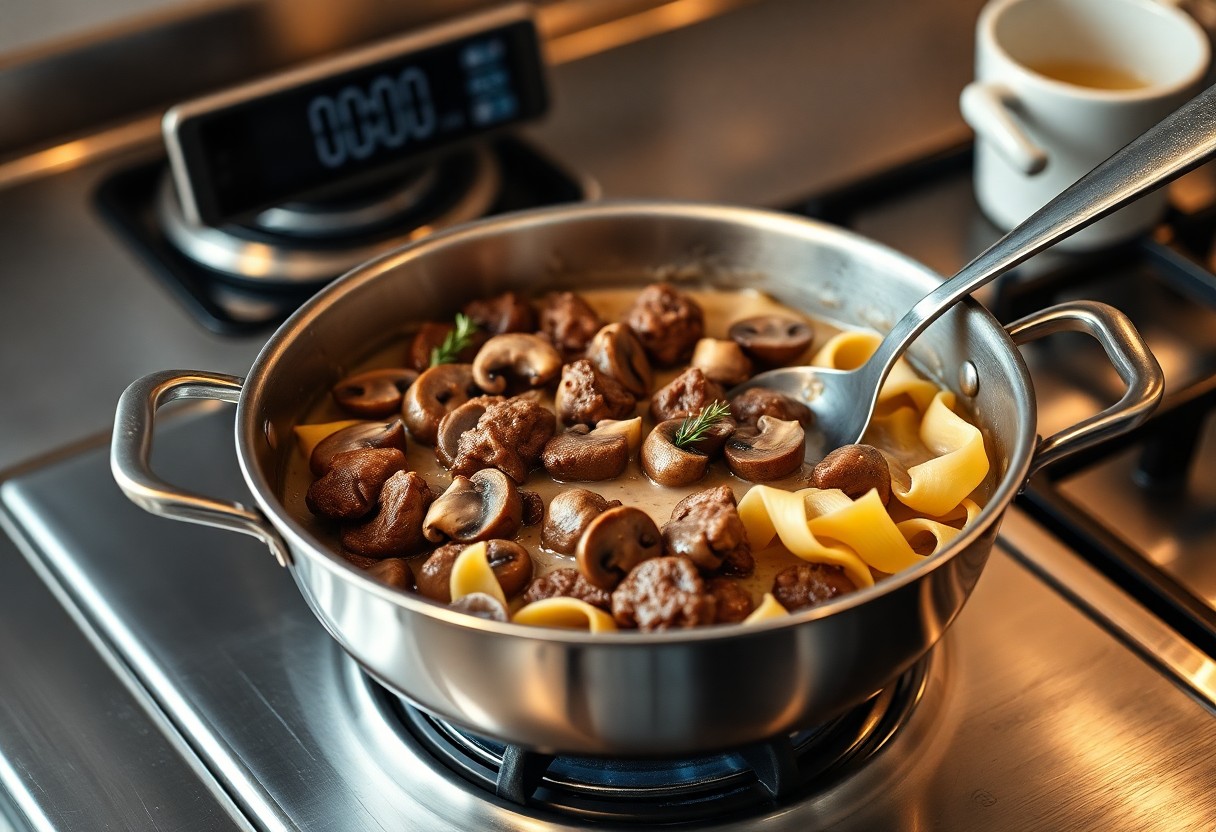
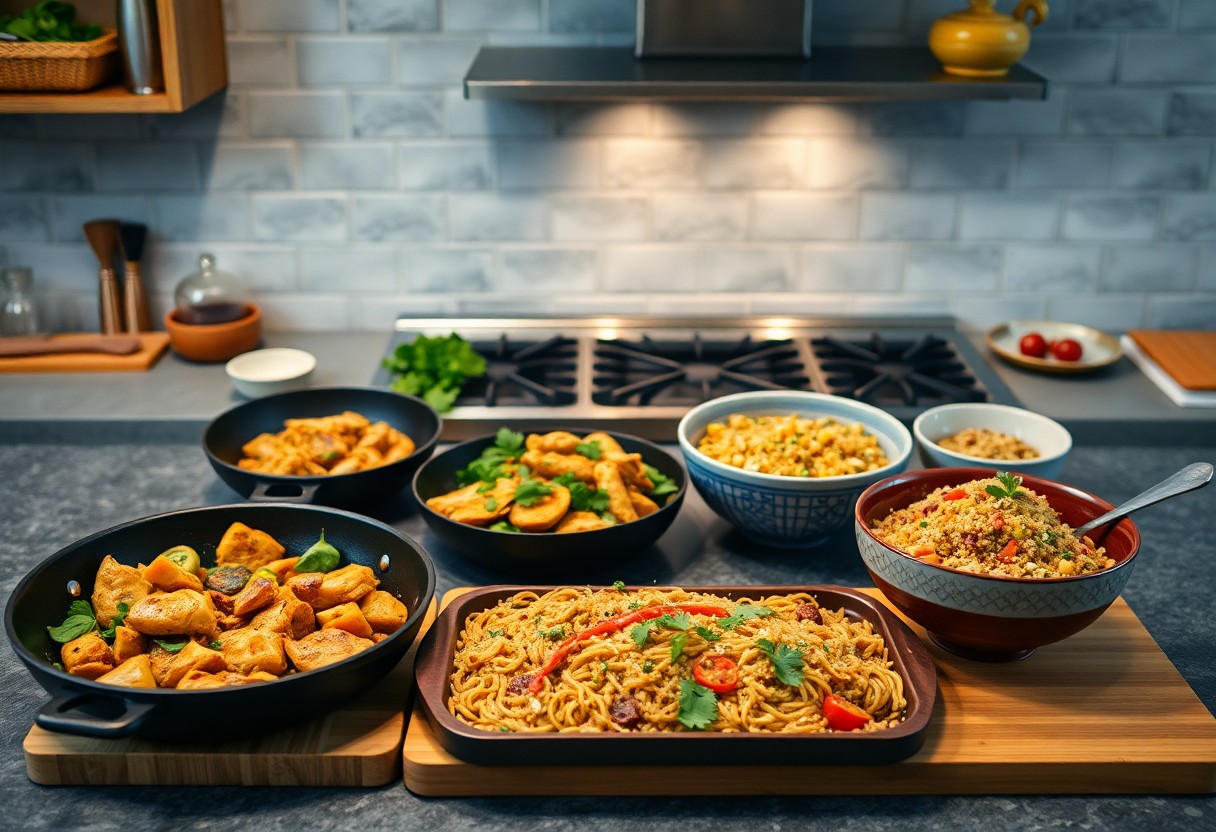
Over just a few minutes, you can create hearty, balanced one-pot dinners that maximize flavor with minimal fuss; this guide shows which quick techniques, ingredient swaps, and seasoning strategies deliver satisfying meals while cutting cleanup and time, so you can confidently customize recipes to your taste, boost nutrition, and streamline weekday cooking without sacrificing quality.
Key Takeaways:
- Max flavor with minimal effort – use aromatics, spices, and quick deglazing to build depth in minutes.
- One-pot technique streamlines cooking and cleanup: sauté, deglaze, then simmer for balanced texture and sauce.
- Highly adaptable: swap proteins, grains, or vegetables to turn pantry staples into fast, satisfying meals.
The Benefits of One-Pot Dinners
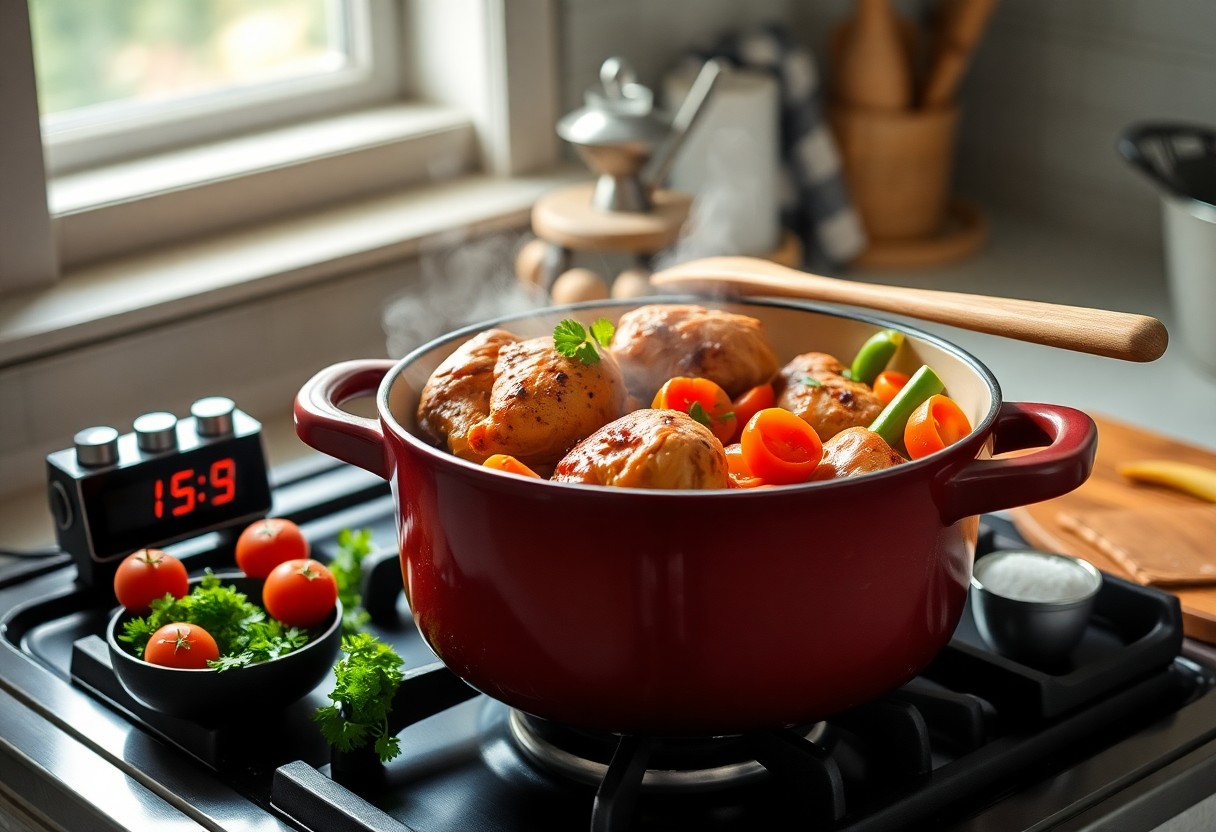
You streamline dinner without sacrificing variety: protein, vegetables, and grains cook together for layered flavor while you save time and energy. You can often finish one-pot meals in 20-40 minutes, shrink grocery lists by focusing on versatile staples, and reduce weekly dishwasher loads by as much as 70% compared with multi-dish menus. These efficiencies free up evenings for family, exercise, or meal planning.
Time-Saving Advantages
You cut active prep to 10-20 minutes by working in the same vessel-brown meat, deglaze, then add grains or veggies-so the meal simmers itself for 15-30 minutes. Batch-cook soups, stews, or casseroles once and portion for 2-4 lunches, saving up to an hour across the week. Using a covered pot and one burner also speeds cooking through steam retention and steadier heat.
Minimal Cleanup
You drastically reduce post-meal chores since only the pot, a serving spoon, and perhaps one cutting board need washing; instead of scrubbing 4-6 dishes, you tackle 1-2. That typically trims clean-up time by 10-15 minutes per meal and lowers dishwasher loads, which cuts water and energy use over the month.
To make cleaning even easier, use enameled or nonstick pots, soak for 5-10 minutes immediately to loosen stuck bits, and wipe between stages to avoid baked-on residue. Storing leftovers in the same pot eliminates transfer dishes, and relying on one silicone spatula and a single cutting board keeps tool count minimal-small habits that can shave another 5-10 minutes off cleanup and reduce detergent use.
Essential Ingredients for Flavor
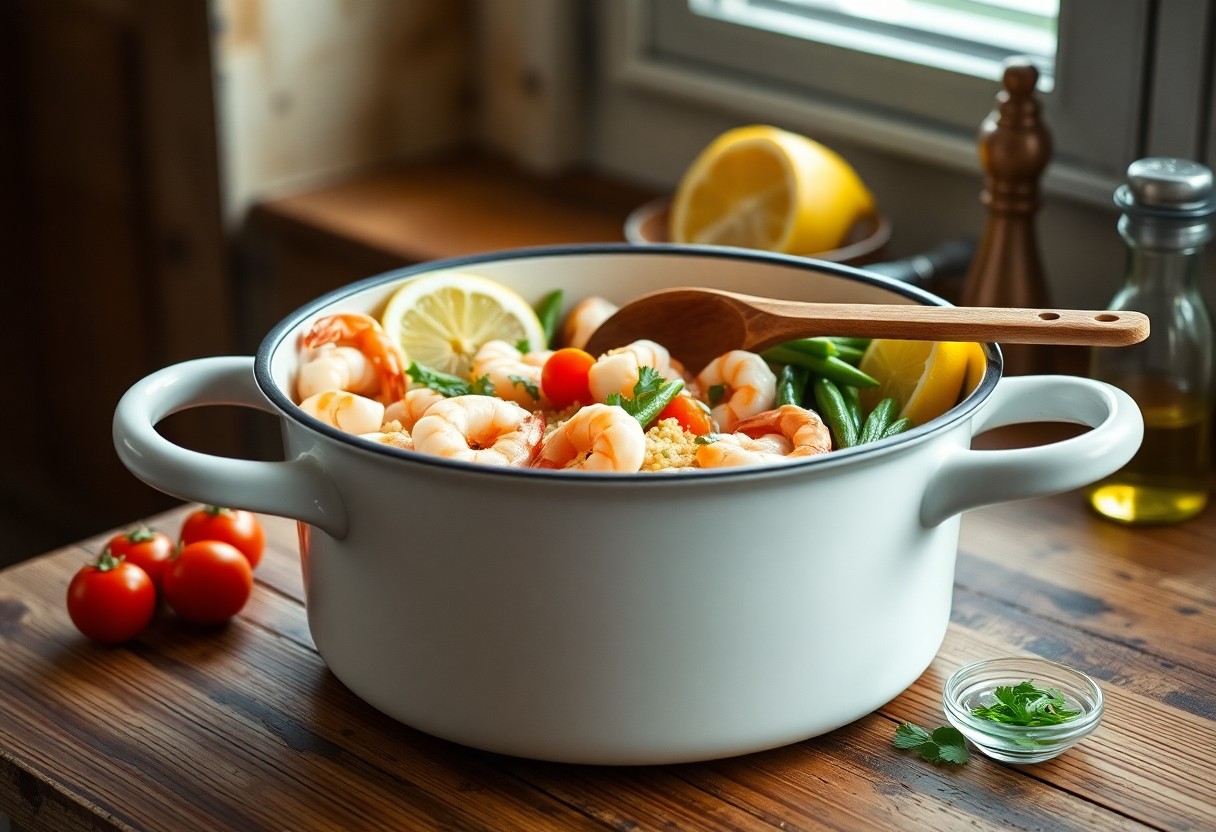
When building one-pot meals you rely on a compact pantry: 2 tbsp olive oil, 1 large onion, 3 garlic cloves, 1 cup low-sodium stock, canned tomatoes (14 oz), 1 tbsp vinegar or soy sauce, and a squeeze of lemon. Add 1/4 cup dry white wine for deglazing, 2 tbsp butter for finish, and high-salt finishers like anchovy paste or grated Parmesan to punch up umami.
Herbs and Spices
Use 1 tsp ground cumin and 1 tsp smoked paprika for warmth, 2 bay leaves for long simmers, and 3-4 sprigs of thyme or rosemary for aromatic depth. Toast 1 tsp whole coriander or cumin seeds for 30-60 seconds to bloom oils, add dried oregano early, and stir in fresh parsley or basil at the end so your herbs stay bright.
Proteins and Vegetables
You should portion proteins at 6-8 oz per person: a 6 oz chicken breast sears in 4-6 minutes per side, 8 oz firm tofu benefits from pressing and browning, and 1 cup canned chickpeas adds instant protein. For veg, chop 2 cups of sturdy vegetables like carrots or potatoes (20-25 minutes) and add tender peppers or zucchini in the final 5-7 minutes; frozen peas go in with 2 minutes left.
When planning timing you should layer ingredients: add root vegetables at the start, then bone-in chicken or pork (add 15-20 extra minutes), and finish with fish or shrimp that need 3-6 minutes and an internal temp of ~145°F. Use canned beans (1 cup drained) for speed or pressure-cook dried beans 25-30 minutes, and aim for roughly 1-1.5 cups stock per cup of rice or denser veg to maintain proper texture.
Quick Cooking Techniques
You can speed through weeknight dinners by mastering a few high-impact methods: high-heat sautéing, fast stir-frying, gentle simmering, and quick steaming. In practice, sautéing and stir-frying take 1-7 minutes per ingredient, simmering holds liquids at roughly 85-96°C to cook grains or beans in 10-25 minutes, and steaming vegetables often finishes in 3-8 minutes, preserving color and nutrients. Apply these techniques in one pan and time components so textures and flavors line up at the finish.
Sautéing and Stir-Frying
You get the best browning by using a wide skillet or wok over high heat with oils that have smoke points above 400°F (204°C). Thin proteins like shrimp or sliced chicken sear in 1-3 minutes per side, while denser vegetables need 3-6 minutes; avoid overcrowding to keep the pan hot. Finish by deglazing with 1/4-1/2 cup wine, broth, or soy to make a quick pan sauce that ties your one-pot elements together.
Simmering and Steaming
Simmering holds liquids just below boiling (about 85-96°C), gently cooking grains, beans, and sauces without breaking textures-expect rice in 15-20 minutes and quick stews in 20-30. Steaming uses a basket or rack with 1-2 cm of water and finishes most vegetables in 3-8 minutes, preserving vitamins and color. Combine both in one-pot dishes to reduce liquids while protecting delicate ingredients like spinach or fish.
To maximize results, control heat and sequencing: bring liquids to a boil then drop to a gentle simmer to prevent grain splitting or protein tightening. For steaming, arrange items in a single layer and stagger timing-start root vegetables first, add quick-cooking greens last-so everything finishes together. If you want more depth, infuse the simmer liquid with 1-2 garlic cloves, a bay leaf, or 1 teaspoon miso and reduce it into a glossy sauce to coat the dish at the end.
Flavor-Packed Recipe Ideas
You can assemble a repertoire that spans 12-90 minute one-pot meals: quick 12-15 minute shrimp scampi with 8 oz pasta and 1 cup stock, 20-30 minute lentil curry with coconut milk, or a 60-90 minute braised short rib for weekends. Focus on liquid ratios, cut sizes, and sequencing-those three variables let you convert most favorite recipes into efficient, deeply flavored one-pot dinners.
One-Pot Pasta Dishes
Use about 1 cup liquid per 4 oz dried pasta and cook uncovered to reach al dente; for silkier sauces finish with 1 tbsp butter and ¼-½ cup grated cheese. You can make spinach‑feta or sun‑dried tomato‑basil versions in 12-18 minutes, swap in 8 oz linguine for clams, or choose shells to trap chunky ragù for maximum sauce-to-pasta ratio.
Hearty Stews and Soups
Begin by browning 1-1½ lb of protein-beef chuck, chicken thighs, or sausage-to develop fond, then add roughly 3-4 cups stock per pound, aromatics, and simmer; lentil stews cook in 20-30 minutes, while beef chuck needs 2-3 hours at low simmer or 35-45 minutes in a pressure cooker. You should adjust seasoning near the end and lift flavors with a splash of vinegar or lemon.
Layer seasoning: brown meat 4-6 minutes per side, sweat onions 5-7 minutes, then deglaze with ½ cup wine or vinegar to release browned bits; add root vegetables cut into 1‑inch pieces for even cooking, and finish with fresh herbs-thyme while simmering, chopped parsley at service. If you want a thicker body, mash 1 cup cooked legumes into the pot or stir in a beurre manié.
Tips for Meal Prep
When prepping, prioritize high-impact steps: chop aromatics, toast spices, pre-sear meat, and par-roast dense vegetables so you can finish dinners in 10-15 minutes; you’ll save time and boost flavor by doing the heavy lifting once. Aim to prep 3 proteins and 4 vegetables each weekend and store them in airtight containers for 3-4 days. Use glass 2-cup portions for single servings and label with dates. Assume that prepping 2-3 components ahead cuts active dinner time by roughly 50%.
- Batch-cook 4 cups cooked rice or quinoa to yield 8+ servings; freeze extras in 1-cup portions.
- Roast sturdy vegetables at 425°F for 20-25 minutes for caramelization and longer fridge life.
- Portion proteins into 2-cup containers; cool within 2 hours and date-label to track freshness.
Batch Cooking Strategies
Scale recipes by 2-4x: roast 3 pounds of chicken thighs, cook 8 cups dry grains, or simmer a 6-8 cup pot of beans to produce 10-12 servings; you can then portion into 3-4 day meal packs or freeze 1-2 week batches. Use sheet pans to roast mixed vegetables simultaneously and reserve sauces separately to keep textures bright. For weekly rotation, plan 2 protein bases and 3 vegetable sides to mix-and-match across 5-7 dinners.
Ingredient Substitutions
You can swap ingredients to stay flexible: replace ground beef with cooked lentils (use equal cooked volumes), trade heavy cream for full-fat coconut milk (1:1) for dairy-free dishes, or switch long-grain rice to orzo to shave 3-5 minutes off cook time. Keep seasoning ratios similar but taste as you go when changing textures or fat levels.
When you substitute, adjust liquids and seasoning: cook 1 cup dried lentils with about 2 cups water and reduce simmer time compared with beans, lower added salt when using canned tomatoes, and add a splash of acid (lemon or vinegar) to brighten milder swaps like coconut milk; if you swap quick-cook pasta for rice, cut simmer minutes by roughly half and reserve some cooking liquid to loosen the sauce.
Customizing Your Dinners
Tailor one-pot dinners by swapping key elements: replace 8 oz (225 g) chicken with a 15‑oz (425 g) can of chickpeas, trade long-grain rice for 1 cup quinoa (1:2 water ratio), or choose farro with a 2:3 liquid ratio for chew. Sear proteins 2-3 minutes per side, add root vegetables 10-15 minutes earlier than tender ones, and punch up profiles with 1 tsp smoked paprika or 2 tbsp miso for instant depth.
Dietary Preferences
If you follow vegetarian, vegan, gluten-free, or low‑FODMAP patterns, swap ingredients and adjust timing: use 1-2 cups cooked lentils or a 12‑oz (340 g) block of firm tofu for protein, opt for gluten‑free pasta (7-9 min cook), and replace garlic with garlic‑infused oil or asafoetida for low‑FODMAP. Add 2 tbsp nutritional yeast or 1 tsp concentrated miso to mimic savory umami.
Seasonal Ingredients
Lean into seasonality: summer tomatoes peak in July-August and add high water content so reduce stock by ~¼ cup; late‑summer corn (1 ear ≈ 1 cup kernels) brings sweetness and char, while fall squash and winter citrus (January-March) shift dishes toward roasting and brightness. Swap one ingredient per recipe to transform the whole dish.
For preserving and timing, quick‑pickle summer cukes in 30 minutes for a tangy lift, blanch and freeze leafy greens for up to 8 months, and roast squash 15-20 minutes at 400°F (200°C) before folding into stews. Add firm vegetables 10-15 minutes earlier, delicate herbs in the final minute, and use charred corn or concentrated reductions to amplify seasonal flavor without extra hands‑on time.
Summing up
Taking this into account you can rely on flavor-packed one-pot dinners ready in minutes to simplify weeknight cooking, maximize taste, and minimize cleanup. With smart ingredient combos, efficient techniques, and pantry staples, you’ll deliver balanced meals fast while honing your timing and seasoning skills. Embrace batch-friendly recipes and modest prep to keep variety high and stress low, ensuring your weeknight dinners stay satisfying, quick, and consistently delicious.

Leave a Reply