
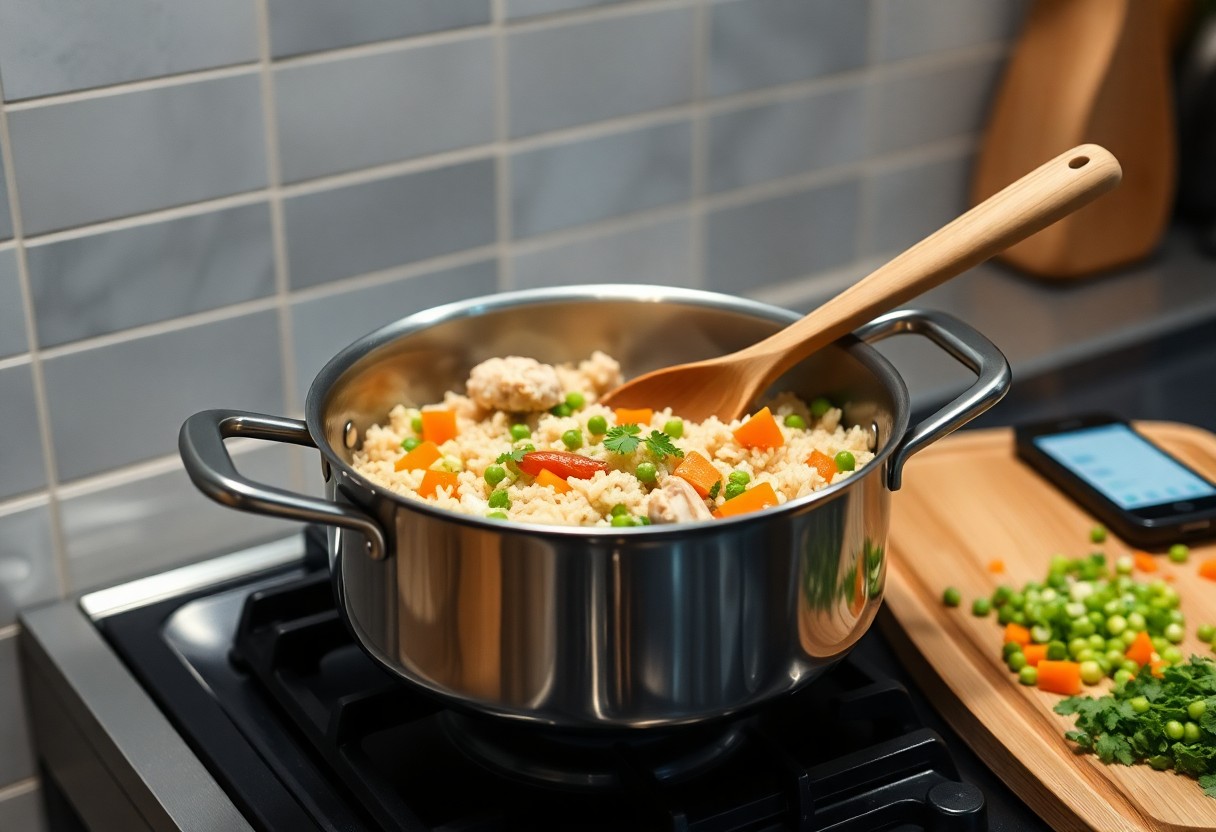
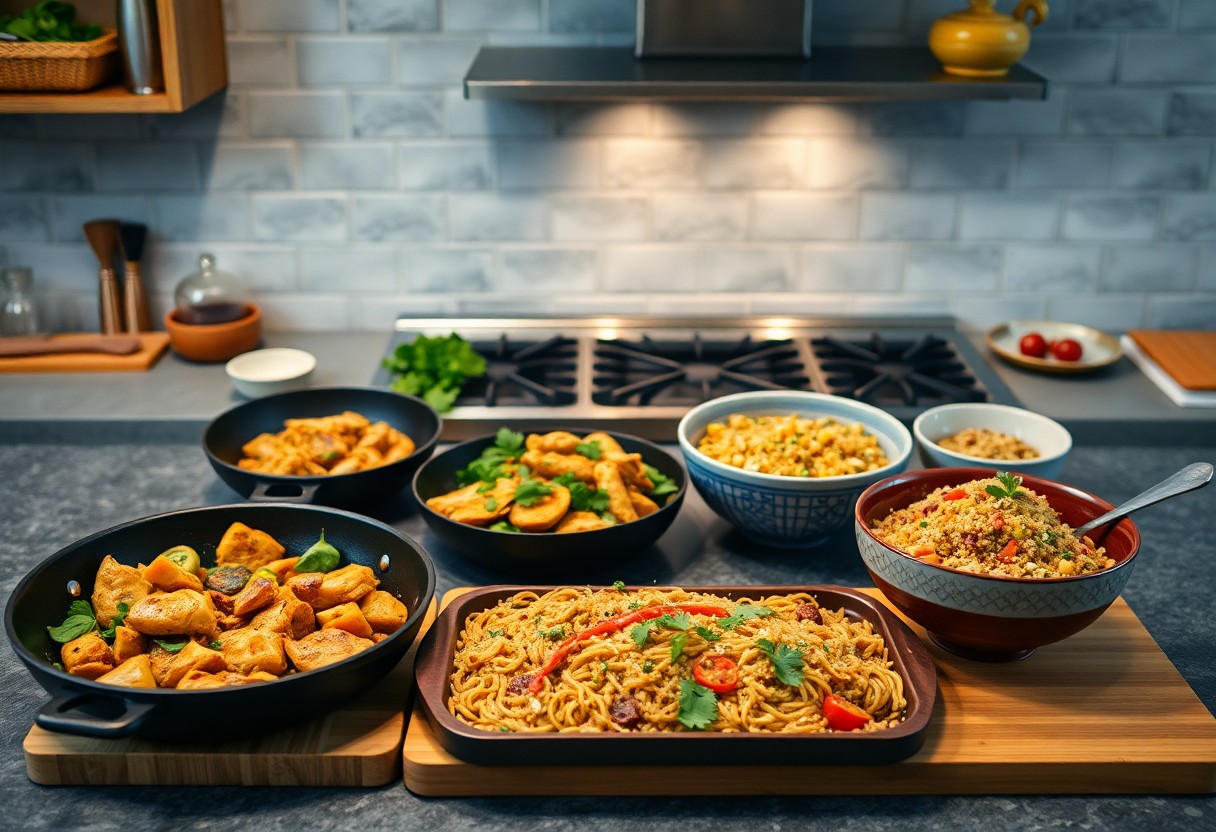
Just use simple ingredients and one-pot techniques to streamline your weekday meals; you’ll save time, reduce cleanup, and still serve flavorful, balanced dishes. This guide presents step-by-step methods, vital equipment, and adaptable recipes so you can confidently assemble soups, pastas, stir-fries, and grain bowls with minimal effort and maximum taste.
Key Takeaways:
- Saves time and cuts cleanup-cook, serve, and clean from one pot.
- Relies on pantry staples and simple ingredient swaps for quick variety.
- Scales easily for meal prep and leftovers, with good freezer-friendly options.
Benefits of One-Pot Cooking
Time Efficiency
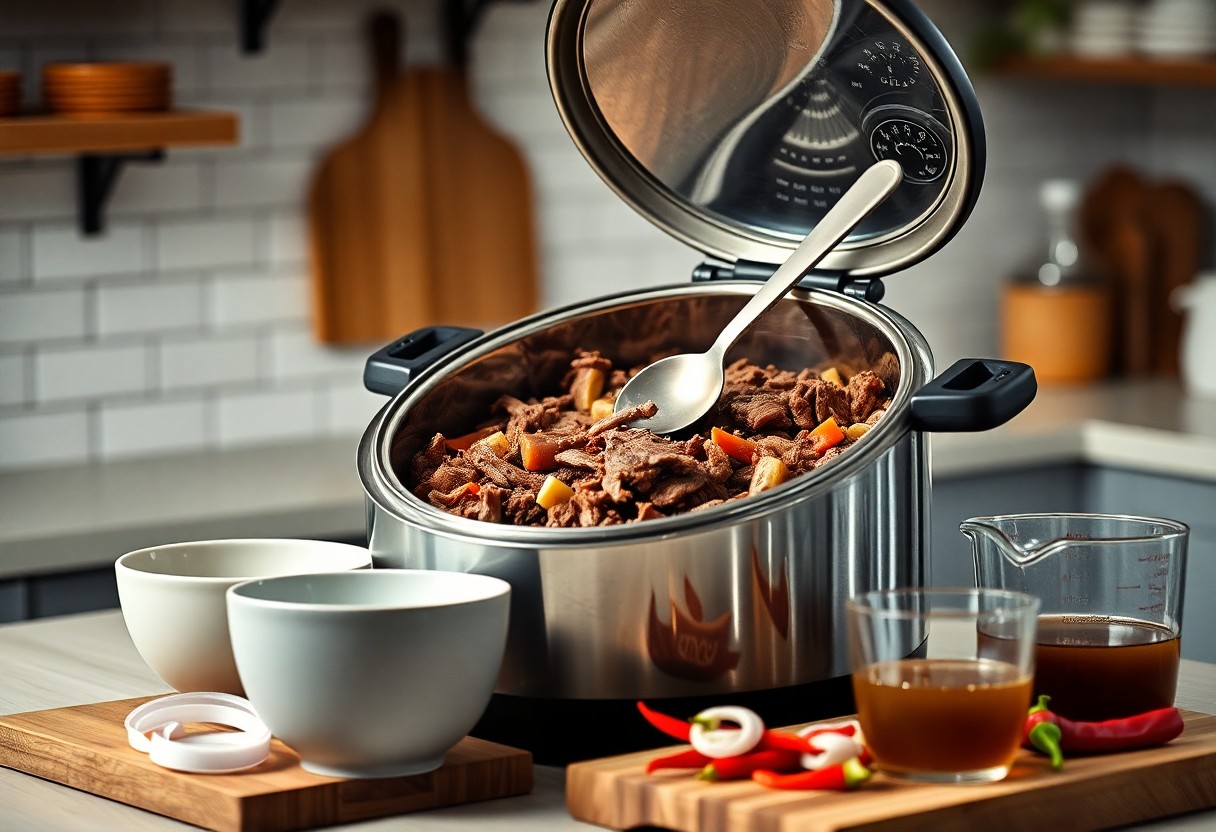
You can cut active cooking and prep time significantly: many one-pot recipes finish in 25-40 minutes versus 45-75 for multi-pot meals. By layering steps-searing protein, adding aromatics, then liquids-you avoid transfers and repeated heating. For example, a one-pot chicken and rice or pasta primavera comes together in about 30 minutes, often saving you 15-35 minutes on weeknights so you have time for errands or family routines.
Simplified Cleanup
With only one vessel to wash, you drastically reduce dishes, utensils, and counter mess: a one-pot stew replaces saucepans, baking dishes, and strainers, often halving cleanup time. You also cut dishwasher loads and detergent use; instead of three pans plus sheets, you typically have just the pot, a spatula, and plates, which lowers water use and scrubbing so you finish faster after dinner.
You can streamline washing further with small habits: soak the pot in hot, soapy water for 10-15 minutes while you eat, use a silicone spatula to scrape rather than metal, and pick dishwasher-safe stainless or nonstick when buying cookware. For stubborn bits, boil 1-2 cups of water in the pot for 5 minutes, add a tablespoon of baking soda, then scrub; avoid abrasive pads on enameled cast iron to preserve the finish and reduce long-term maintenance.
Essential Ingredients for One-Pot Meals
You should keep a small, versatile pantry: 3-4 proteins (chicken thighs, canned beans, firm tofu, shrimp), 5-7 vegetables spanning hardy to tender (onion, carrots, potatoes, bell pepper, zucchini, spinach), 3 grain/pasta options (long-grain rice, quinoa, pasta), 1-2 liters of low-sodium broth, plus olive oil, garlic, canned tomatoes and a few dried herbs. This mix lets you assemble stews, braises, and quick skillet meals with minimal shopping and substitutions.
Proteins
Choose proteins by cooking time and moisture: bone-in chicken thighs stay juicy in 25-30 minutes, while chicken breasts dry if overcooked. You can use canned beans for instant protein-add them during the final 10-15 minutes-or soak and pressure-cook dried beans (25-30 minutes). Firm tofu benefits from pressing and a 3-4 minute sear per side; shrimp finishes in 2-4 minutes, so add it last to avoid overcooking.
Vegetables
Split vegetables into hardy and tender groups so your timing works: root vegetables like potatoes and carrots need 20-30 minutes for 1-inch cubes, crucifers (broccoli, cauliflower) take 10-12 minutes, and leafy greens wilt in 1-3 minutes. You should trim and cut denser veg into uniform 1-1.5 cm pieces to ensure even cooking and stagger additions accordingly.
Frozen vegetables are your time-saver: add peas or corn straight from the freezer during the final 3-5 minutes to preserve texture. Sauté mushrooms 6-8 minutes to reduce moisture and concentrate flavor, and caramelize onions over 12-15 minutes for a sweet base. Finish with a splash of acid-1-2 teaspoons lemon juice or vinegar-to brighten hearty one-pot vegetables.
Grains and Pasta
Match grains to cooking time: long-grain white rice uses a 1:2 water ratio and cooks in ~18 minutes, while brown rice needs 1:2.5 and 40-45 minutes. Quinoa takes 12-15 minutes at 1:2, and most dried pasta finishes in 8-12 minutes. For arborio risotto you’ll need about 3-4 cups broth per cup rice and 18-20 minutes of gradual stirring.
If you want faster meals, parboil or use pre-cooked grains: leftover rice reheats in 5-7 minutes and cuts total cook time. Toast 1 cup of grains for 1-2 minutes before adding liquid to boost flavor. When making one-pot pasta, start with about 3 cups of liquid for 8 ounces and add up to 1 cup more if needed; let the pot rest 5-10 minutes off heat so everything absorbs the final juices.
Quick One-Pot Recipe Ideas
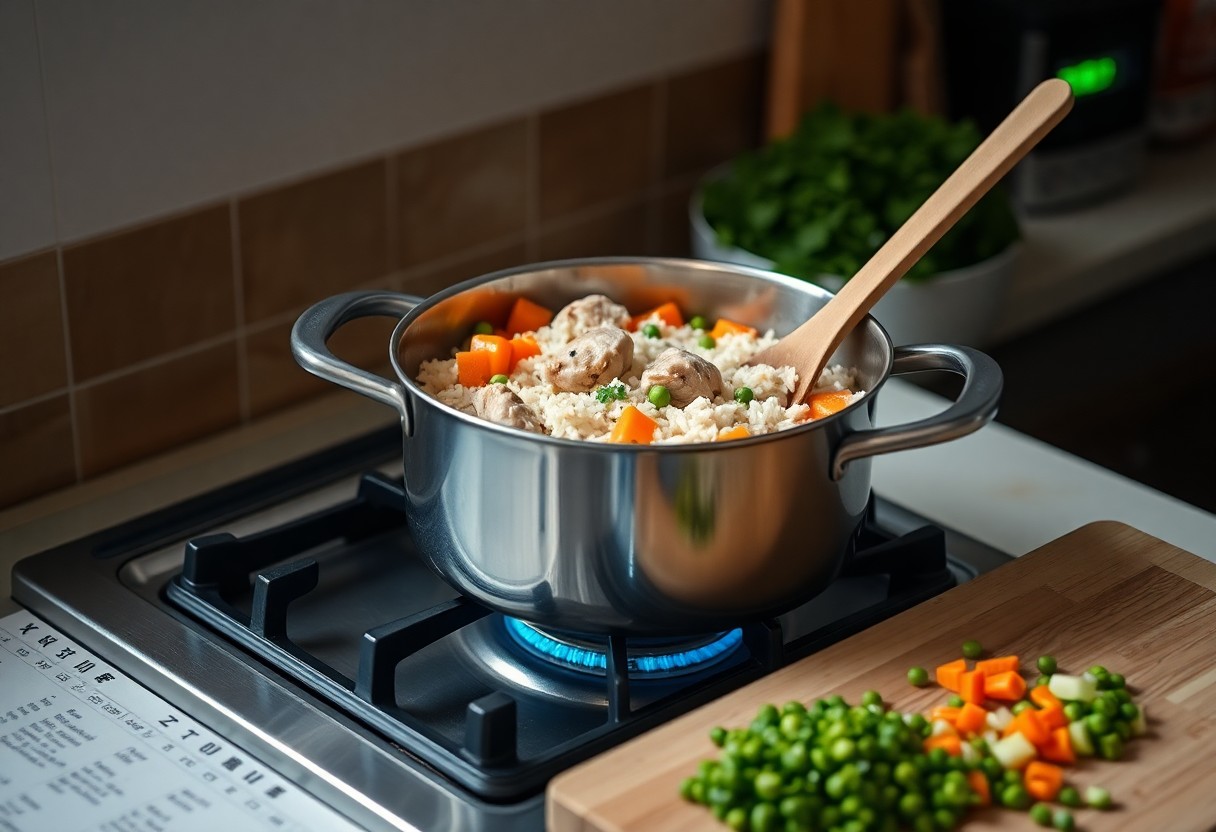
Rotate through easy setups so your weeknights stay low-effort: 10-15 minute one-pot pastas, 20-45 minute rice dishes, and 15-30 minute vegetarian stews. You can follow three templates-pasta with seafood or sausage, rice with braised chicken or smoked sausage, and a legume-based stew-then swap proteins, spices, or greens; 1 pound batches generally serve four and most recipes use a single pan plus a spoon.
One-Pot Pasta Dishes
To save time, you cook pasta directly in the sauce: 12 oz dried pasta plus 4-5 cups stock or water usually serves 3-4 and finishes in 10-12 minutes. Try lemon-garlic shrimp linguine, one-pot spaghetti with cherry tomatoes and basil, or creamy mushroom fettuccine; finish with 1-2 tbsp olive oil and 1/4 cup grated Parmesan for richness and a glossy sauce.
Hearty One-Pot Rice Meals
You can rely on rice for filling meals: white rice uses a 1:2 rice-to-liquid ratio and 15-20 minutes simmering, brown rice needs about 1:2.5 and 35-45 minutes, and 1 cup uncooked rice yields roughly 3 cups cooked (serves 3-4). Build chicken-and-rice casseroles, Cajun jambalaya, or seafood paella using 2-3 cups stock per cup rice and bold aromatics like saffron or smoked paprika.
You start by searing protein and sautéing aromatics for 4-6 minutes to develop flavor, then deglaze with wine or stock before adding rice; simmer covered and avoid stirring for the first 10-15 minutes to prevent gumminess. Add quick-cooking items-peas, bell peppers, shrimp-during the last 5-8 minutes, then let the pot rest covered 8-10 minutes off heat to set the texture.
Vegetarian One-Pot Options
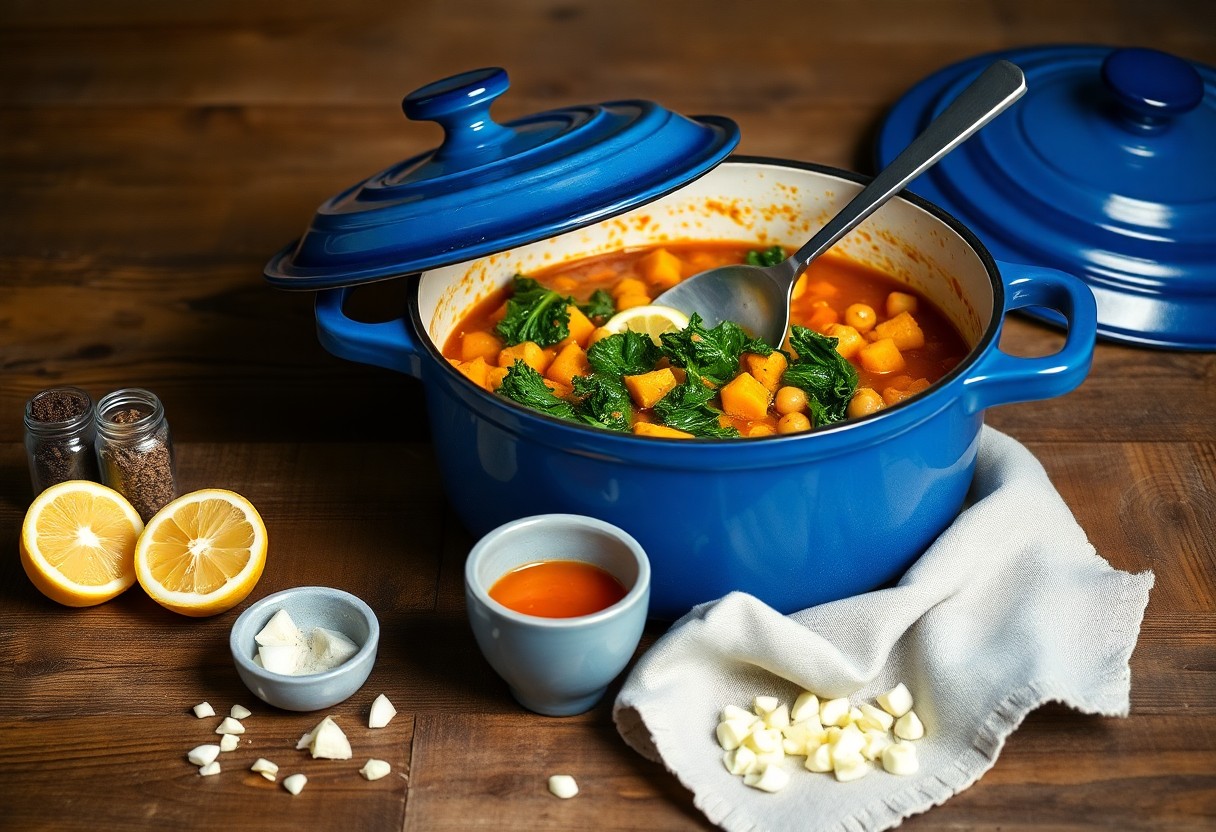
You can make fast vegetarian one-pot meals with lentils, chickpeas, tofu, or canned beans: red lentil dahl cooks in 15-20 minutes, chickpea curry from canned beans in 20-25 minutes, and a vegetable ratatouille simmers 25-30 minutes. Aim for 3-5 vegetables per pot for color and texture, and season with cumin, smoked paprika, or garam masala to build depth.
You balance protein and texture by pairing legumes (1 cup cooked lentils ≈ 18 g protein) with whole grains like quinoa or brown rice; add acidity-lemon juice or 1-2 tsp vinegar-at the end to brighten flavors. Use frozen vegetables to save time, finish with fresh herbs, and drizzle yogurt or olive oil for extra creaminess and mouthfeel.
Tips for Perfect One-Pot Cooking
Focus on timing and texture when you assemble a one-pot meal: small adjustments yield big flavor-sauté aromatics 4-6 minutes, brown proteins 3-5 minutes per side, and add 1/2-1 cup stock to deglaze; use these quick rules to avoid flat results.
- Sear proteins first for Maillard flavor
- Add dense vegetables early (potatoes: 20-30 minutes)
- Stir in quick-cooking items last (greens 2-3 minutes)
Recognizing how heat, liquid, and order interact lets you predict finish times and texture.
Layering Ingredients
You should layer by density and cook time: start with 20-30 minute root vegetables, add proteins that need 15-25 minutes next (boneless chicken thighs ~20 minutes), then finish with 8-12 minute pasta or 2-3 minute greens; sauté aromatics 4-6 minutes first to build a flavor base and deglaze before adding starches to prevent sticking.
Managing Cooking Times
You must stage additions and set timers: begin dense items at time zero, add proteins halfway through vegetable cooking, and fold in herbs or tender greens in the final 2-3 minutes; use a probe thermometer (165°F/74°C target for poultry) and 5-10 minute checkpoints to keep everything aligned.
Anticipate carryover: pulling chicken at ~160°F typically finishes to 165°F while resting (carryover ~3-7°F), and fish often reaches ideal doneness if removed at 125-130°F. Use a thermometer on the thickest piece and taste-test pasta (al dente often 6-10 minutes depending on shape). For dried legumes plan 45-90 minutes simmering or 30-60 minutes if pre-soaked; maintain a gentle simmer (surface ~180-200°F) to preserve texture and prevent splitting.
Nutritional Considerations
Rather than treating one-pot meals as convenience-only, you can adjust them to hit nutrient targets: aim roughly 400-700 kcal per meal and 20-30 g protein to support satiety. Swap half the white rice for quinoa to add about 8 g protein per cooked cup and boost fiber, or add 1-2 cups of mixed vegetables for 5-8 g extra fiber. Use low-sodium broth and herbs to cut excess salt while keeping flavor.
Balancing Flavors and Textures
Varying textures keeps your dinners satisfying: finish creamy stews with a crunchy garnish like toasted almonds or panko, and contrast soft grains with raw herbs or citrus. You can balance sweetness and acidity by adding 1-2 teaspoons of balsamic or a squeeze of lemon; umami from 1 teaspoon miso or 1 tablespoon soy sauce deepens savory notes without extra fat. Taste as you go and adjust small amounts.
Incorporating Superfoods
You can start folding nutrient-dense foods into your one-pot roster: add 1 cup cooked lentils (about 18 g protein) or a 3 oz piece of salmon (~22 g protein) for muscle-supporting protein, stir in a cup of kale or spinach for vitamins A and K, and top with blueberries or a tablespoon of chia for antioxidants and omega‑3s. Small swaps like quinoa for rice increase protein and fiber per serving.
You’ll get the biggest gains by layering superfoods: blend cooked spinach into tomato sauces, fold in 1/2 cup edamame (about 8 g protein) or a cup of cooked lentils for bulk, and finish with 1-2 tablespoons of seeds for healthy fats and texture. Frozen berries and greens keep cost down and retain nutrients, so you can boost fiber and antioxidants without extra prep time.
Frequently Asked Questions
Common Concerns
If you’re wondering about substitutions, you can swap chicken thighs for canned beans at roughly a 1:1 volume ratio and still hit ~20-25 g protein per serving; many timing questions are solved by noting that one-pot pastas take 10-15 minutes and rice dishes 20-45 minutes; to prevent overcooked greens, add them in the last 3-5 minutes; if you plan leftovers, cool within two hours and eat within 3-4 days or freeze portions for up to 3 months.
Final Words
Upon reflecting, you can see how quick one-pot recipes streamline meal prep, cut cleanup, and let you focus on flavor without fuss. With simple techniques and smart ingredient swaps you’ll consistently produce balanced, satisfying meals even on busy days. Embrace these methods to save time, reduce stress, and build a reliable weeknight cooking routine.

Leave a Reply