
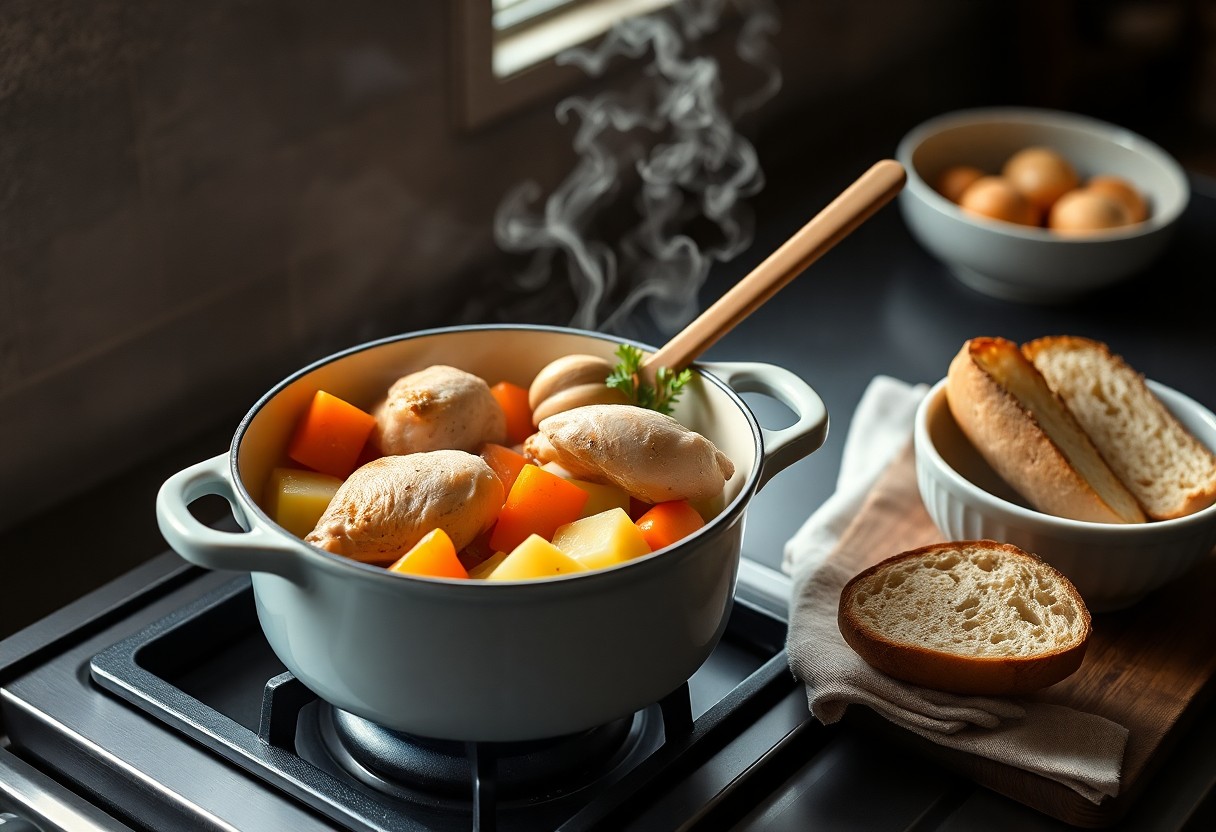
Over busy evenings, you can streamline dinner with easy one-pot comfort foods that save time, reduce cleanup, and deliver satisfying flavors; this post shows practical recipes, smart ingredient swaps, and prep shortcuts so you can confidently put wholesome, cozy meals on your table without stress, making weeknight cooking efficient and reliably delicious for you and your family.
There’s a reliable set of one-pot recipes that let you deliver hearty, flavorful meals with minimal cleanup and time investment; when you lean on braises, stews, and skillet bakes you streamline prep, control nutrition, and free your evenings from complex multitasking. With practical tips on layering flavors, timing, and smart ingredient swaps, you can consistently serve satisfying dinners that fit busy schedules.
Key Takeaways:
- Save time and reduce cleanup by cooking protein, grains, and vegetables together in one pot; plan cooking times so ingredients finish simultaneously.
- Maximize flavor with simple techniques-sear proteins, build layers, deglaze with broth or wine, and finish with fresh herbs or a splash of acid.
- Stay flexible and budget-friendly: swap ingredients based on what’s on hand, scale recipes for leftovers, and freeze portions for easy weeknight meals.
Key Takeaways:
- One-pot recipes save time and minimize cleanup while delivering hearty, comforting meals in under an hour.
- Rely on pantry staples, quick-cooking proteins, and simple layering of aromatics and stock for consistent, flavorful results.
- They’re highly adaptable-swap ingredients for dietary needs, stretch servings with grains or beans, and turn leftovers into new meals.
Benefits of One-Pot Meals
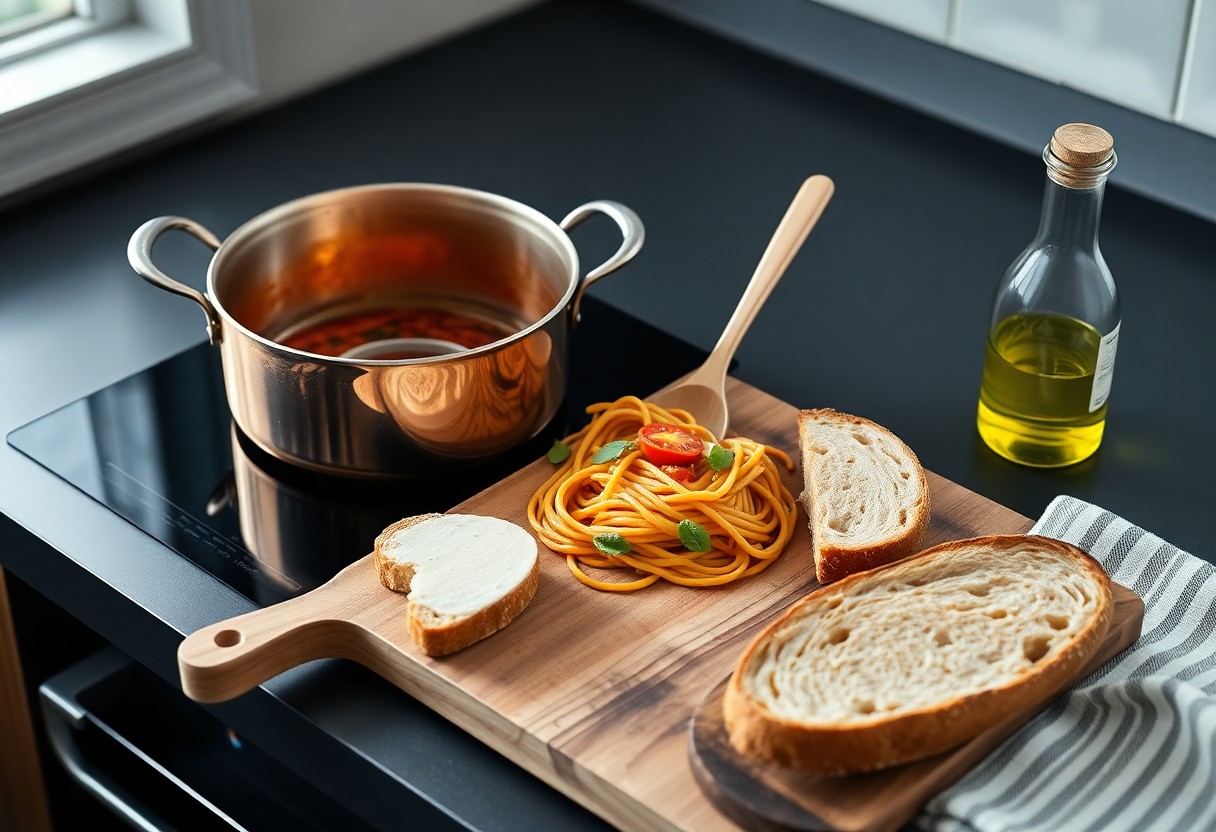
By concentrating flavors and steps into a single vessel, you cut complexity while boosting versatility: soups, risottos, skillet casseroles, and braises all become weeknight staples. You often replace 4-6 separate dishes with one pot and a spoon, making leftovers and freezer portions easier to manage. In practice this approach can save you 20-45 minutes per meal, simplify grocery lists, and help you control portions and nutrition without extra effort.
Time Efficiency
You can slash active prep and cleanup time by streamlining tasks-brown protein, sauté aromatics, then add liquid in the same pan. Many one-pot recipes finish in 30-45 minutes; using a pressure cooker or Instant Pot reduces that to 15-25 minutes for stews and beans. Batch-cook a large pot once and portion for 3-4 meals, turning a single-hour session into multiple stress-free dinners across the week.
Minimal Cleanup
Because you cook, serve, and often reheat from the same pot, dish counts drop dramatically: typically one pot, one serving spoon, and one cutting board versus 8-10 items with multi-dish meals. That reduction can cut your dishwasher load by roughly half to two-thirds and shave 10-20 minutes off post-dinner chores, letting you reclaim evenings without sacrificing homemade food quality.
To minimize washing even further, use enameled or nonstick cookware and soak the pot with hot soapy water while you eat-the residue loosens quickly. Slow-cooker liners, silicone utensils, and dishwasher-safe cutting boards save extra minutes; alternatively, brown and deglaze in the same vessel to avoid extra pans. These small tactics routinely trim cleanup time by 10-30 minutes per meal in busy households.
Benefits of One-Pot Cooking
You gain more than a full meal in one vessel: ingredients meld for deeper flavor, grocery lists shrink, and recipes become easier to scale. One-pot methods let you sear, deglaze, simmer, and finish without transferring food, so you reduce active steps and decision points. Weeknight classics-think one-pot pasta, chicken-and-rice, or a vegetable tagine-turn what would normally require 6-10 pans into a single pot plus a serving spoon, cutting both time and mental load when dinner needs to be quick and reliable.
Time-Saving Convenience
You shorten total meal time because multi-step transitions vanish; many one-pot dinners complete in 20-45 minutes while long braises only need low-attention oven time. By combining processes-browning, deglazing, simmering-you remove prep pauses and reduce hands-on minutes, so a family meal that once took an hour can often be done in half that. For batch cooking, you’ll find leftover portions are ready to reheat without extra assembly, saving you repeated weekday effort.
Easy Cleanup
You deal with far fewer dishes-typically one main pot plus 1-2 utensils instead of a stack of pans-so post-meal cleanup drops dramatically. Choosing an enameled Dutch oven or nonstick pan keeps scrubbing minimal, and many one-pot pieces go straight into the dishwasher, turning cleanup into a five- to ten-minute task rather than a chore that drags on.
To streamline further, you can use parchment, silicone liners, or a single ovenproof dish for roasting then serving, which avoids extra bowls. A quick hot-water soak and a silicone spatula remove stuck-on bits in minutes; for oily residues, boiling a little water and vinegar loosens grime before washing. These small habits keep cleanup fast and let you reclaim evenings without sacrificing home-cooked meals.
Essential Ingredients for Comfort Foods
You’ll build dependable one-pot dinners from a compact list: 2-3 tbsp olive oil, 1 medium onion, 2 carrots and 2 celery stalks for a mirepoix, a 14-28 oz can of tomatoes, 4 cups low-sodium stock, 1 cup dried rice or 8 oz pasta, and protein like 1-2 cups cooked beans or 12-16 oz sausage. Use 1 tsp salt per 4 cups liquid, 1-2 tsp dried herbs, and 1 tbsp acid (lemon or vinegar) to finish.
Pantry Staples
Stock your pantry with multi-use items: two 14-28 oz cans of crushed tomatoes, 2-3 15-oz cans of beans, 16 oz dried pasta, 2 cups rice, and bouillon or 4 cups concentrated stock. Keep 2-3 versatile spices (smoked paprika, cumin, black pepper), 1 bottle soy sauce, and a neutral oil. For example, a single 15-oz can of beans yields about 1.5-2 cups drained – enough for 3-4 servings in a stew.
Fresh Additions
Prioritize aromatics and quick greens: 1 medium onion, 3 garlic cloves, 2 carrots, 2 celery stalks, 1 lemon, and a bunch of parsley or cilantro (≈½ cup chopped). You should add 2 cups baby spinach or 3 cups torn kale at the end – spinach wilts in 1-2 minutes while kale needs 4-5. Include 1-2 potatoes per person when you want extra heft in soups or braises.
To maximize flavor, sweat your onion and carrots for 5-7 minutes before adding liquid and crush garlic into hot oil for 30-60 seconds to bloom aromatics. Store herbs upright in a glass of water for up to 7-10 days, wrap greens in a damp towel for 4-7 days, and use lemon zest (1 tsp) plus 1 tbsp juice as a finishing acid to brighten rich one-pot dishes.
Essential One-Pot Cooking Techniques
Mastering a few core techniques makes it easier for you to deliver consistent results: sear proteins at high heat for 2-4 minutes per side to lock flavor, deglaze with 1/4-1/2 cup stock or wine to lift fond, and finish with a low simmer for 15-30 minutes depending on cut and size; these steps cut cook time and deepen flavor without extra pans.
Stirring for Flavor
When you stir, you build and distribute flavor-scraping brown bits (fond) into the liquid concentrates taste. For risotto, stir every 20-30 seconds for 18-20 minutes to coax out starch and creaminess; with stews or braises, stir sparingly (every 5-10 minutes) to avoid breaking ingredients while preventing sticking. Use a wooden spoon to feel texture and control release of flavors.
Layering Ingredients
Start with aromatics and hard vegetables that need the most time-onions and carrots 5-8 minutes, potatoes or beets 20-25 minutes-then add proteins and grains with their required liquid ratios (e.g., 1 cup rice:2 cups stock), and add quick-cook greens or herbs in the final 2-5 minutes so they stay bright and textured.
Think of layering as choreography: sear meat first (3-4 minutes per side), remove it, sweat onions 4-6 minutes, add root veg and cook 10-12 minutes, return meat and pour in precise liquid (meat stews often need 2-3 cups stock), then simmer for the listed time-60-90 minutes for tougher cuts, 20-30 for chicken thighs-adding delicate ingredients only at the end.
Classic One-Pot Recipes
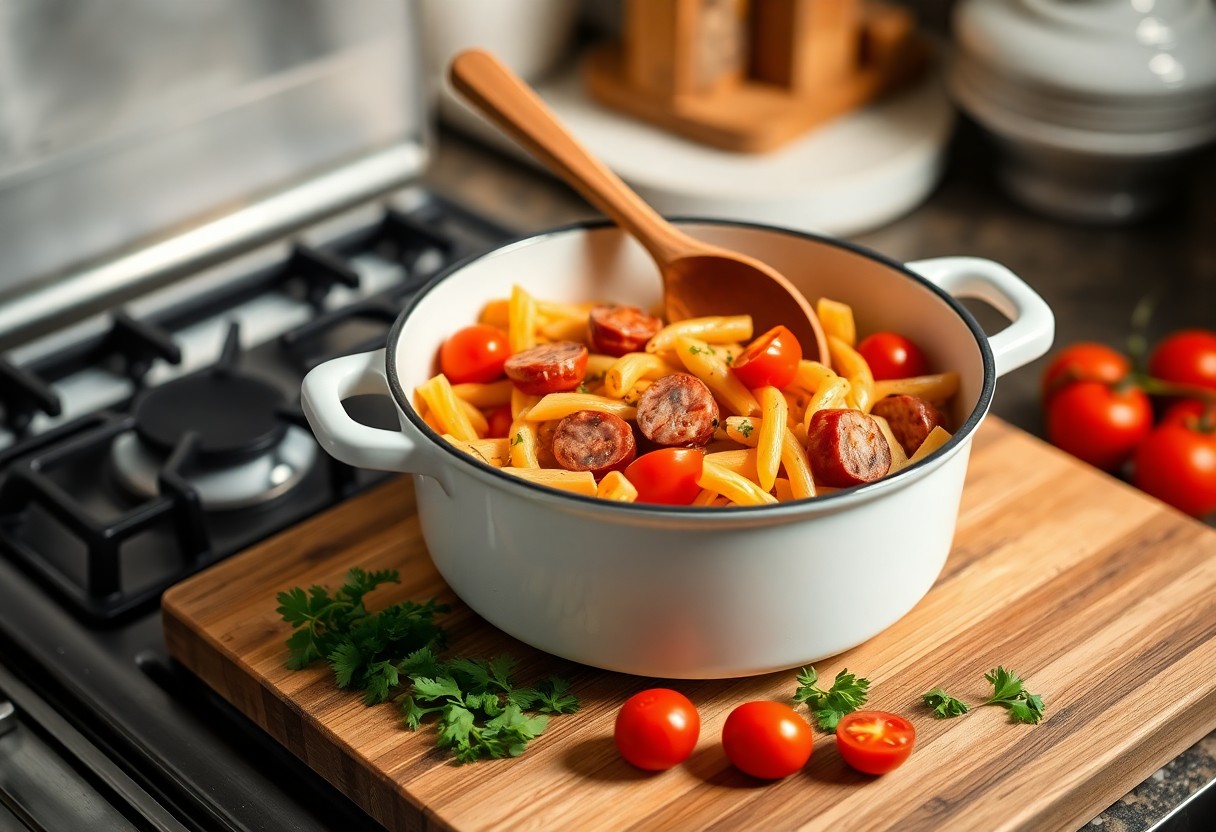
Classic one-pot dishes give you reliable blueprints: a 20-minute shrimp and orzo, a 30-40 minute chicken tortilla soup serving 6, or a 2-2.5 hour braised beef ragu that yields 4-6 portions. You can scale proteins, swap grains-use 2 cups short-grain rice or 12 ounces pasta-and rely on a Dutch oven or heavy skillet. Follow the suggested liquid ratios and timing to achieve consistent texture and depth of flavor.
Hearty Soups
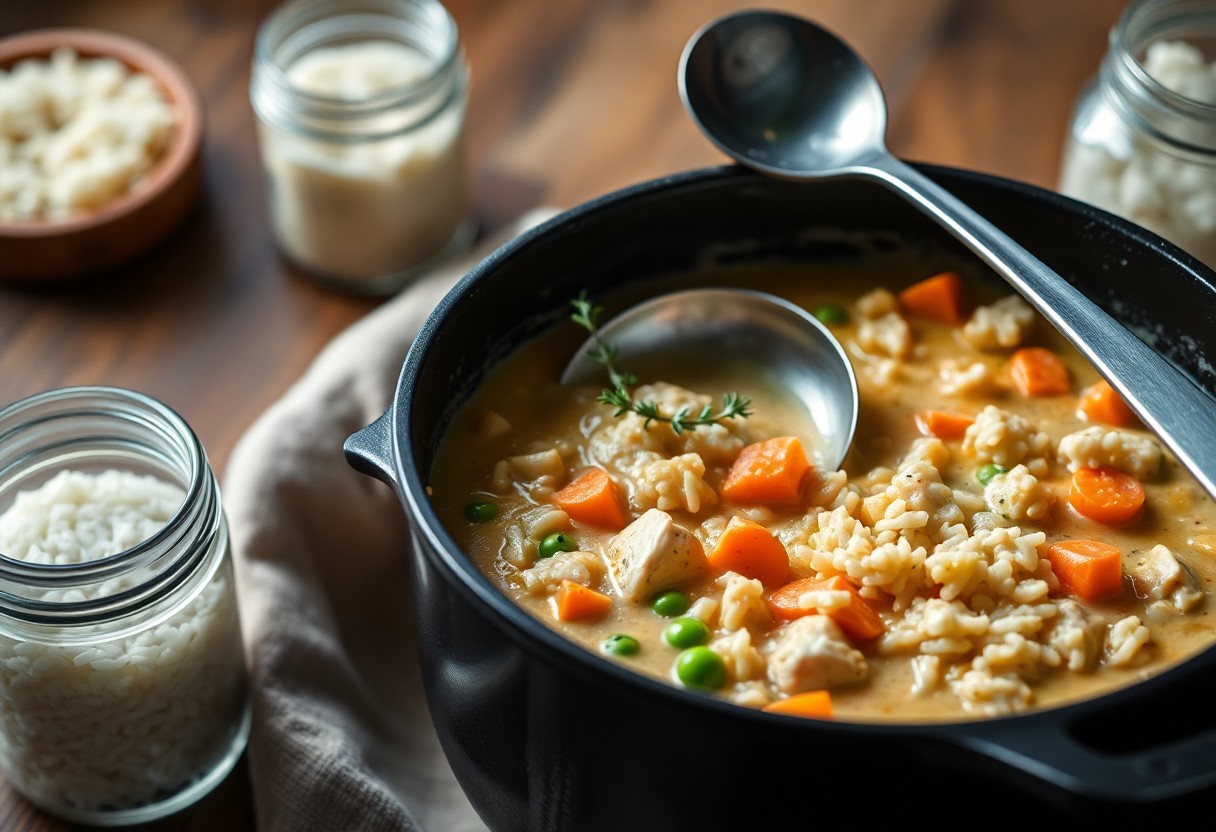
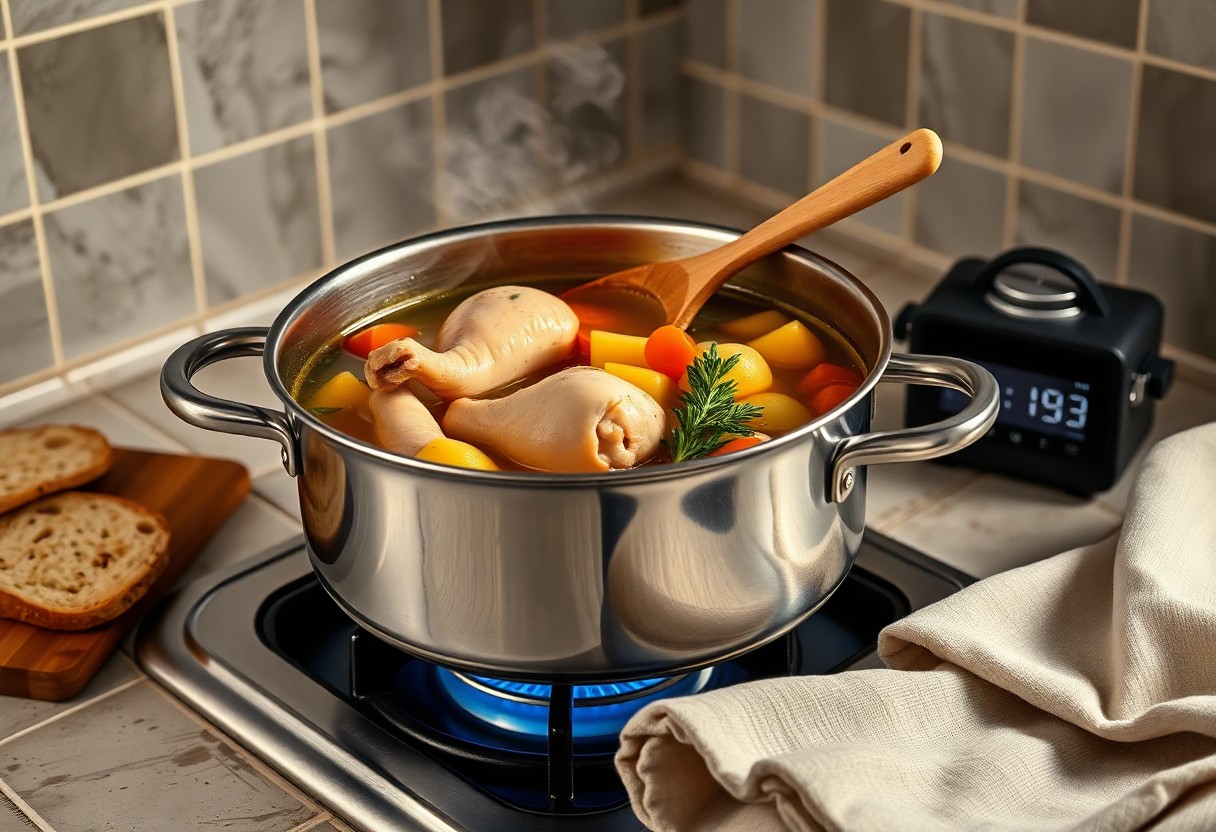
Hearty soups let you stretch a few ingredients into 4-6 bowls: a classic chicken noodle uses 1 lb shredded chicken, 8 cups stock, and 8 ounces egg noodles, finishing in 30-40 minutes. You should sauté aromatics for 5-7 minutes, then simmer to meld flavors; adding 1-2 cups diced root vegetables boosts fiber and satiety. Portion into 2-cup containers to freeze for 2-3 months.
Flavorful Stews
Flavorful stews reward low, slow cooking: brown 1.5-2 lb chuck in 3 batches for a good crust, deglaze with 1 cup red wine or stock, then simmer with 2 cups stock and 2 bay leaves for 2-3 hours until fork-tender. You can choose beef bourguignon, Moroccan lamb with 1 tbsp ras el hanout, or a lentil and vegetable stew that holds 4-5 days refrigerated.
To dial in depth, follow a three-step approach: sear meat for color (3-4 minutes per side), deglaze to lift fond, then braise covered at 300°F (150°C) or on low stovetop for 90-180 minutes. Finish by adjusting salt, adding 1 tbsp acid (balsamic or lemon) to brighten, and thicken with a 1:2 flour-to-water slurry or reduction if needed.
Comfort Food Classics
Hearty Stews
Searing beef in batches develops deep flavor; you brown 1-1.5 lb chuck, then add 1 diced onion, 3 sliced carrots, 2 stalks celery, 2 tbsp tomato paste, 3 cups beef stock and 2 bay leaves, deglaze with 1/2 cup red wine if you like, and simmer 90-120 minutes until fork-tender. Use root vegetables and a splash of vinegar or Worcestershire at the end to brighten the long-simmered richness.
Creamy Pasta Dishes
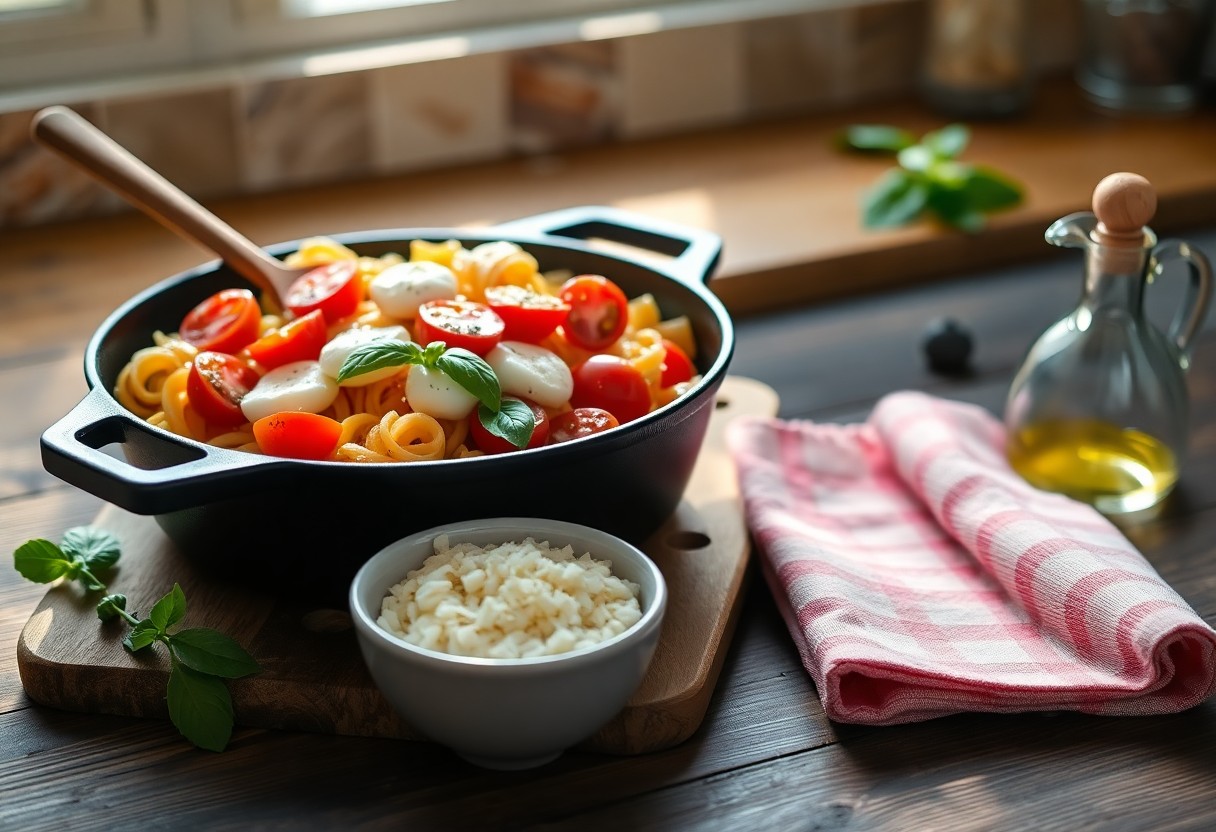
When you make one-pot creamy pasta, aim for a 1:2 pasta-to-liquid ratio: 8 oz (225 g) pasta to about 2 cups (480 ml) combined stock and milk, cook 8-12 minutes until al dente, reserve 1/2 cup pasta water, then stir in 1/2 cup grated Parmesan and 1 tbsp butter off the heat for a silky finish, finishing with lemon zest or parsley to cut the richness.
For example, try 8 oz pasta with 8 oz sliced mushrooms, 2 cloves garlic, 1 cup stock and 1 cup milk, simmer 10 minutes and fold in 1 cup Parmesan; swapping 1/2 cup Greek yogurt or 2 tbsp cornstarch slurry lightens or thickens the sauce. You can add shrimp or shredded rotisserie chicken-those proteins finish in 3-4 minutes-so the whole meal is done in under 30 minutes.
Vegetarian and Vegan One-Pot Options
Plant-Based Comfort
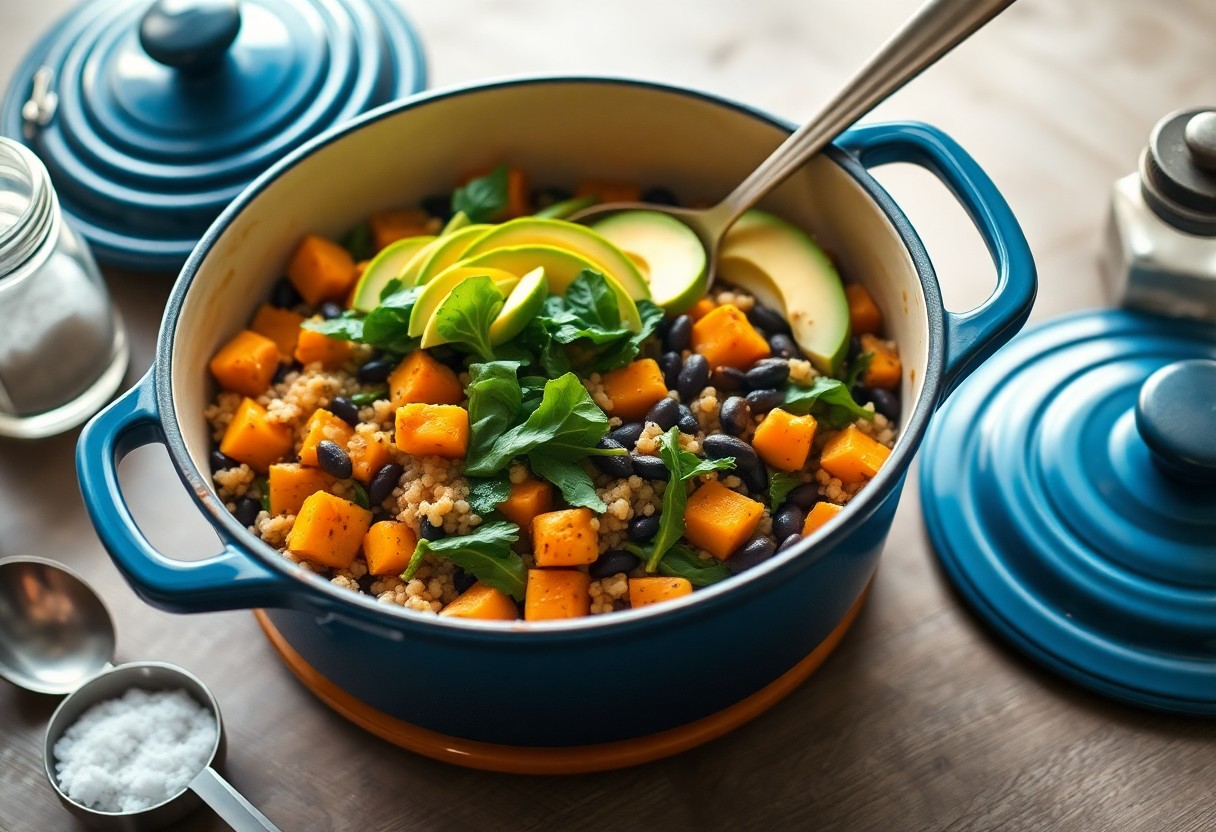
You can swap slow-braised meats for hearty legumes and mushrooms without losing depth: try a one-pot red lentil dal (red lentils cook in 15-20 minutes) or a chickpea-and-roasted-squash curry that simmers 25-30 minutes. Use 1-2 tbsp toasted spices, saute 1 diced onion and 3 cloves garlic first, then deglaze with 1 cup broth per 1/2 cup grain or legume to develop richness while keeping cleanup to a single pot.
Nutrient-Rich Choices
You’ll build balanced meals by pairing legumes, whole grains, and greens: 1 cup cooked lentils provides about 18 g protein and ~15 g fiber, 1 cup cooked quinoa adds roughly 8 g protein, and a handful of kale supplies vitamin K and iron. Combine a cup of beans with 1/2 cup whole grain for a complete amino-acid profile, and finish dishes with 1-2 tbsp olive oil or tahini to improve absorption of fat-soluble vitamins.
For practical swaps, use canned beans to cut cook time to 10 minutes, or pre-soak dried legumes overnight to shave 20-30 minutes. Add tender greens like spinach in the last 2-3 minutes to preserve nutrients, roast root veg separately for caramelization, and include a citrus squeeze or tomato (vitamin C) to boost plant-iron uptake; these steps keep meals nutritious, fast, and satisfying.
Healthy One-Pot Options
Swap heavier sauces and long braises for lighter builds that still satisfy: you can make balanced one-pot meals with whole grains, 2 cups of vegetables per serving, and controlled fats to hit roughly 400-600 kcal per plate. Use brown rice or farro (20-30 minute cooks), add legumes for fiber, and finish with a tablespoon of olive oil and bright acid to lift flavors while keeping sodium and saturated fat low.
Vegetable-Loaded Recipes
You can pack a pot with seasonal veg-try a one-pot minestrone with 4 cups mixed vegetables, 1 cup diced tomatoes, 1/2 cup small pasta, and 1 can drained beans; it simmers in 25-30 minutes and yields 4 servings. Alternately, make a ratatouille-style stew with eggplant, zucchini, and bell peppers that breaks down into a saucy base, or add 2 cups spinach at the end for a quick nutrient boost and color.
Lean Protein Choices
You’ll rely on lean proteins like skinless chicken breast, salmon, turkey, firm tofu, and legumes to keep calories and saturated fat down while delivering 20-30 g of protein per 3-4 oz cooked portion. Sear chicken or turkey for 2-3 minutes per side then simmer 20-25 minutes; salmon needs just 10-12 minutes in a covered pot. Canned beans and lentils cut cook time and add fiber.
To keep lean proteins tender, you can brine chicken briefly (10-15 minutes) or sear to lock juices before a gentle simmer; target 165°F for poultry and 145°F for fish. Press tofu and pan-sear 3-4 minutes per side before braising to maintain texture, and use acidic finishes-lemon, vinegar, or yogurt-to brighten dishes without extra fat.
Quick One-Pot Meals for Busy Nights
When evenings compress, you can rely on one-pot dinners that land in 15-35 minutes: a 20-minute shrimp-and-orzo, a 25-minute lemon-garlic chicken skillet, or a 15-minute egg fried rice made with day-old rice. Use high heat, prep ingredients first, and pick pans with good heat transfer so you brown proteins quickly, wilt greens, and finish sauces without extra transfers or long simmering.
30-Minute Dishes
You can hit dinner in 30 minutes with specific formulas: 12 oz pasta, 2 cups broth, 1 cup cherry tomatoes, and 1 cup spinach simmered until al dente; or 1 lb thin-sliced chicken, 1 onion, 2 bell peppers, and 1 cup stock for a quick fajita skillet. Timing matters-start the longest-cooking element first, use hot pans, and reserve finishing herbs to preserve brightness.
Meal Prep Ideas
You should batch-cook 4-6 servings to stash in the fridge for 3-4 days or freeze portions for up to 3 months. Make large pots of chili, lentil stew, or rice-and-bean bowls, cool quickly, then portion into 2-cup containers so reheating is fast and predictable. Label with date and contents to streamline weeknight choices.
When you prep, separate starchy bases from saucy components when possible-cook 4 cups rice and 8 servings of sauce separately, then combine at mealtime to avoid sogginess. Thaw frozen portions overnight in the fridge, reheat in a covered skillet for 5-7 minutes or microwave on high for 2-3 minutes, and finish with a squeeze of lemon or a handful of fresh herbs to revive flavors.
Tips for Perfect One-Pot Meals
Tight timing and layered flavors make one-pot dinners rewarding: you brown proteins in batches, deglaze with 1/2 cup wine or stock to lift fond, and add dense vegetables first with quick-cooking greens last.
- Sear in 2-3 batches for deeper browning
- Use 1/2-1 cup liquid per 1 cup of rice for pilafs
- Stagger add-ins: root veg 20-30 minutes, dried legumes 30-40 minutes
Knowing how to balance heat, time, and liquid prevents soggy or undercooked results.
Seasoning Strategies
You should layer seasoning: salt early (about 1/2 tsp kosher salt per cup of liquid) to build base, then adjust at the end with another 1/4-1/2 tsp to taste. Toast 1 tsp whole spices or add 1-2 tbsp tomato paste during browning for depth, and finish with 1 tbsp acid (lemon juice or vinegar) per 4-6 servings to brighten. Use fresh herbs in the last 2-3 minutes; dried herbs need 10-15 minutes to bloom.
Choosing the Right Cookware
You’ll pick capacity and material based on servings and technique: choose a 3-4 qt pot for 1-2 people, 5-7 qt for families, or a 10-12″ skillet for maximum browning. Favor enameled cast iron or heavy-gauge stainless for even heat and fond development; avoid thin aluminum that creates hotspots. Make sure the lid seals well and the piece is oven-safe to 400-450°F for finishing in the oven.
Also consider weight, stovetop compatibility, and cleanup: a 3.5-4.5 lb enameled Dutch oven balances heat retention and manageability, while induction ranges require magnetic bases. Keep a nonstick 10-12″ skillet for eggs and delicate fish, but use heavy stainless or enameled cast iron when you need caramelization. You should opt for a tight-fitting lid for braises or a vented lid when reducing liquids, and expect a 5-10 minute longer heat-up for thicker cookware.
Tips for Perfecting One-Pot Cooking
You maximize flavor when you brown proteins in batches, deglaze with 1/2 cup wine or stock, and add aromatics at distinct stages so each layer develops; for example, sear 1-1.5 lb beef first, sauté onions until translucent, then add garlic in the final minute. Knowing how to balance liquid-about 2 cups stock per cup of rice, or 3 cups for 1 lb of root vegetables-keeps textures right and sauces glossy.
- Brown proteins in batches to avoid steaming; aim for 1-1.5 lb per batch.
- Deglaze with 1/2 cup wine or stock, scraping the fond to boost depth.
- Add hardy veg 20-30 minutes before serving; tender greens in the last 2-5 minutes.
- Season in layers: a pinch during searing, then adjust ½-1 tsp at the end per serving.
Layering Flavors
You build depth by sequencing: brown proteins for Maillard flavor, stir in 1-2 tbsp tomato paste and cook 1-2 minutes to caramelize, then deglaze with 1/2 cup stock or wine. Use timing for herbs-rosemary and thyme early for long braises, basil and parsley in the final 3-5 minutes-and finish with 1 tbsp acid (vinegar or lemon) to brighten a heavy sauce.
Adjusting Cooking Times
Adjust cooking times based on ingredient density: white rice usually needs 12-18 minutes, brown rice 40-45; dried lentils cook 15-25 minutes while canned beans need 5-10 minutes to heat through. You can stagger additions-start root vegetables 20-30 minutes before grains and add delicate greens in the last 2-5 minutes to preserve texture.
When you cook meat, aim for internal temps as your guide: chicken 165°F (you can pull at 160°F and rest), pork 145°F, and braised beef often needs 2-3 hours at a gentle simmer to become fork-tender. Also allow one-pot dishes to rest 5-15 minutes off heat so starches thicken, juices redistribute, and flavors meld.
Quick Recipes to Try
Pick a few dependable one-pot templates and rotate them: you can turn a 20-minute shrimp-and-orzo into a weeknight staple, stretch a 30-minute chicken tortilla soup to feed 6, or batch-cook a lentil tomato stew for 4 lunches. Each recipe below gives concrete timing, common pantry swaps, and a clear serving count so you can plan grocery runs and leftovers with confidence.
30-Minute Meals
You’ll hit dinner fast with dishes that finish in 15-30 minutes: a 20-minute shrimp-and-orzo (serves 4) with lemon and frozen peas, a 25-minute beef-and-broccoli stir-fry using flank steak and tamari, and a 15-minute lemon-garlic pasta with canned artichokes. Use one sauté pan, 1 cup stock or pasta water, and frozen veg to cut prep; most require 3-6 ingredients beyond staples.
Slow-Cooker Favorites
You can rely on slow cooks for hands-off dinners that serve 6-8: set pork shoulder with 1 cup apple cider and spices on low for 8 hours for pulled pork, or drop beef stew bones, 2 cups beef broth, and root veg for 7-8 hours. Schedule them in the morning and plan sides to finish in 10-15 minutes.
For better results, sear proteins 3-5 minutes per side before adding to the slow cooker to deepen flavor; use 1-2 cups of liquid in a 6-quart unit depending on the cut, and add dairy or delicate greens in the last 30 minutes. Also portion into 2-cup freezer containers-most slow-cooker recipes yield 6-8 servings and freeze/reheat exceptionally well.
Conclusion
The one-pot approach simplifies weeknight dinners so you can deliver satisfying, flavorful meals with minimal cleanup and less stress. By planning basic staples, layering flavors, and adjusting seasonings to suit your taste, you’ll consistently produce reliable comfort dishes that save time and let you focus on relaxing instead of managing multiple pots and pans.
To wrap up
On the whole, mastering easy one-pot comfort foods simplifies weeknight cooking and gives you satisfying meals with minimal cleanup. By focusing on balanced ingredients, layering flavors, and using reliable techniques, you can adapt recipes to what’s on hand, save time, and build your confidence in the kitchen. Embrace flexible recipes, batch components, and steady seasoning to keep dinners stress-free and consistently delicious.

Leave a Reply