
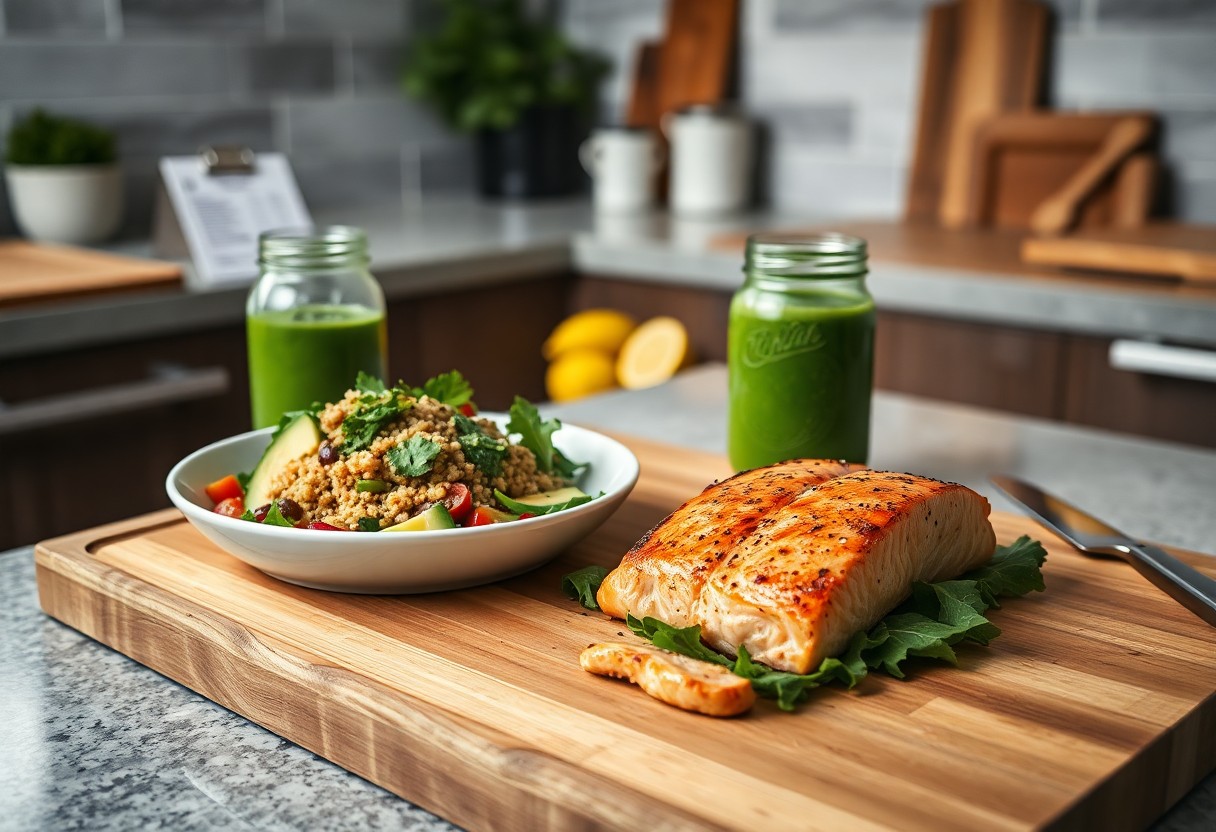
Over time, you can build a reliable repertoire of healthy, easy recipes that simplify your weekday meals while improving nutrition; this guide shows practical techniques, balanced ingredient swaps, and time-saving tips so you can prepare satisfying dishes without sacrificing flavor or variety.
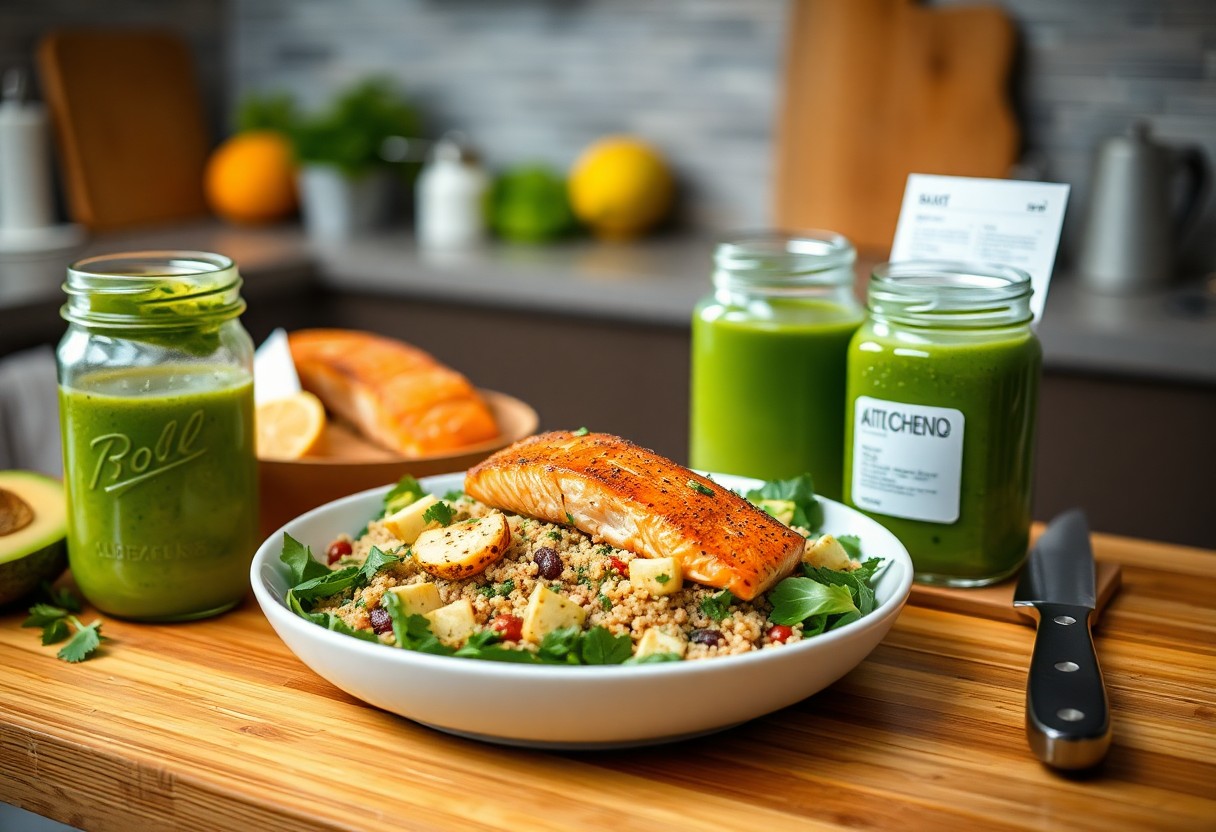
Key Takeaways:
- Build meals around simple, whole ingredients (lean proteins, whole grains, plenty of vegetables) and use easy swaps to keep dishes healthy without extra effort.
- Save time with batch-cooking and one-pan or sheet-pan recipes; prep versatile staples (grains, roasted vegetables, dressings) once and reuse all week.
- Boost flavor with herbs, spices, citrus, and healthy fats while controlling portions and sodium to keep everyday meals satisfying and nutritious.
Quick Breakfast Options
When mornings are tight, you can assemble nutrient-dense breakfasts in 5-10 minutes that keep you full until lunch: pair whole-grain toast with protein-rich toppings, batch-make overnight oats, or scramble two eggs (about 12-14 g protein) with spinach for under 300 kcal; aim for roughly 20-25 g protein plus fiber to stabilize energy and curb mid-morning snacking.
Avocado Toast Variations
You can transform avocado toast by swapping the base and toppings: mash half an avocado with lemon and chili flakes on sourdough, add smoked salmon (≈16 g protein per 3 oz) and capers for omega-3s, or spread cottage cheese and sliced radish to boost protein and texture; using sprouted-grain or rye bread increases fiber and micronutrient density.
Overnight Oats Recipes
You’ll appreciate overnight oats for hands-off prep: combine a 1:1 ratio of rolled oats to milk, stir in 2 tbsp chia or ¼ cup Greek yogurt for thickness and added protein, add fruit and spices, then refrigerate 6-8 hours; a properly balanced jar typically lands in the 300-400 kcal range depending on mix-ins.
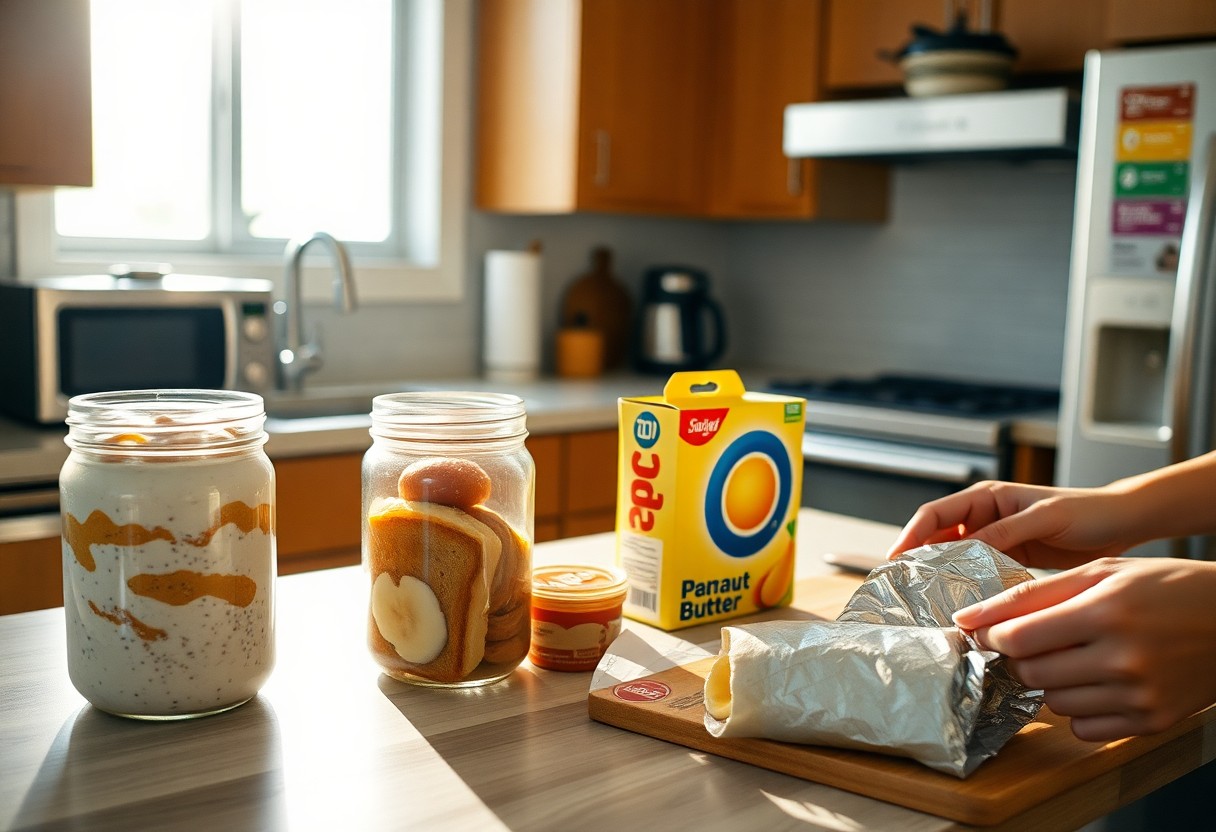
You can prep 3-4 jars at once and store them refrigerated up to 4 days; add a 20 g protein scoop or ½ cup Greek yogurt to nudge protein toward ~20 g, or stir in 1 tbsp nut butter plus 1 tbsp chia for healthy fats and 4-5 g extra fiber-try cocoa-banana, apple-cinnamon-walnut, or mango-coconut combos to keep things interesting.
Nutritious Lunch Ideas
Midday meals should supply steady energy: target 400-600 calories with 20-30 g protein and 5-10 g fiber to keep you full through the afternoon. Build lunches from a base (2 cups greens or 1 cup cooked whole grain), add a 3-4 oz lean protein, colorful vegetables, and a healthy fat like 1 tbsp olive oil or 1/4 avocado. Use leftovers (roasted veggies, grains) to streamline prep and reduce waste.
Salad Bowl Combinations
For balanced bowls, combine 2 cups mixed greens or 1 cup spinach with 1/2 cup cooked quinoa or brown rice, 3-4 oz protein (grilled chicken, canned salmon, or chickpeas), 1/4 cup nuts/seeds, and 1/2 cup chopped vegetables. Try a Mediterranean bowl with 3 oz salmon, 1/2 cup quinoa, cucumbers, olives, feta, and a lemon-olive oil dressing (1 tbsp) for about 450 kcal and 6-8 g fiber.
Healthy Wraps and Sandwiches
Choose whole-grain wraps or 100% whole-wheat bread and aim for 3-4 oz lean protein plus a spread like 2 tbsp hummus or 2 tbsp Greek yogurt to add moisture and protein. For example, turkey + avocado + spinach on whole-grain bread typically delivers 25-30 g protein and 8-10 g fiber when paired with a side of raw veggies or fruit.
When prepping, make 4 wraps at once using durable fillings (roasted peppers, grilled chicken, hardy greens like kale) and wrap tightly in parchment; they keep 2-3 days refrigerated. Swap mayo for mashed avocado or Greek yogurt to lower saturated fat, and add pickled vegetables or a vinegar-based slaw to boost flavor without many extra calories. Toast briefly to improve texture and prevent sogginess.
Simple Dinner Solutions
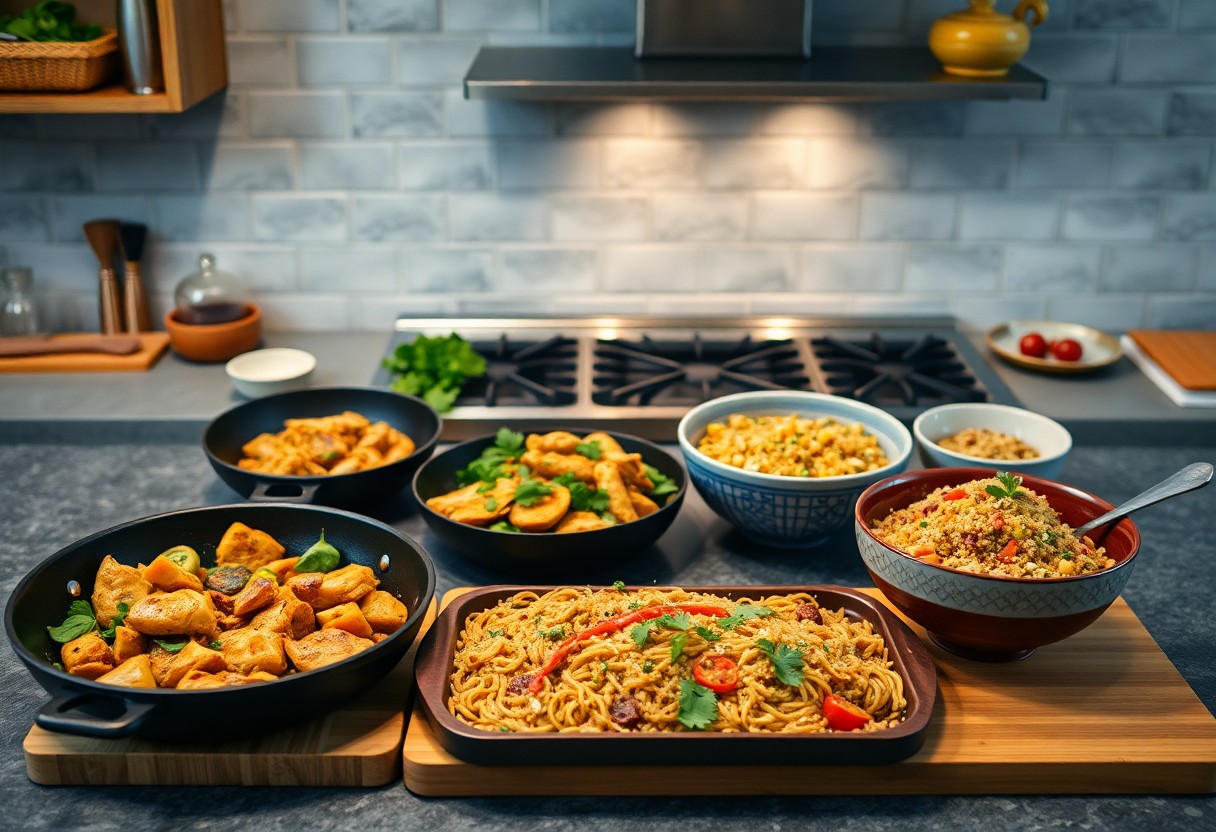
When evenings get busy, you can rely on 20-30 minute meals built from batch-cooked grains, frozen vegetables, and a lean protein to plate healthy dinners fast. Try a 25-minute tofu and broccoli stir-fry over brown rice, or pan-seared salmon (10-12 minute cook time) with quick-steamed greens; prepping a cooked grain and a roasted vegetable each weekend gives you 3-4 mix-and-match dinners without extra effort.
One-Pan Meals
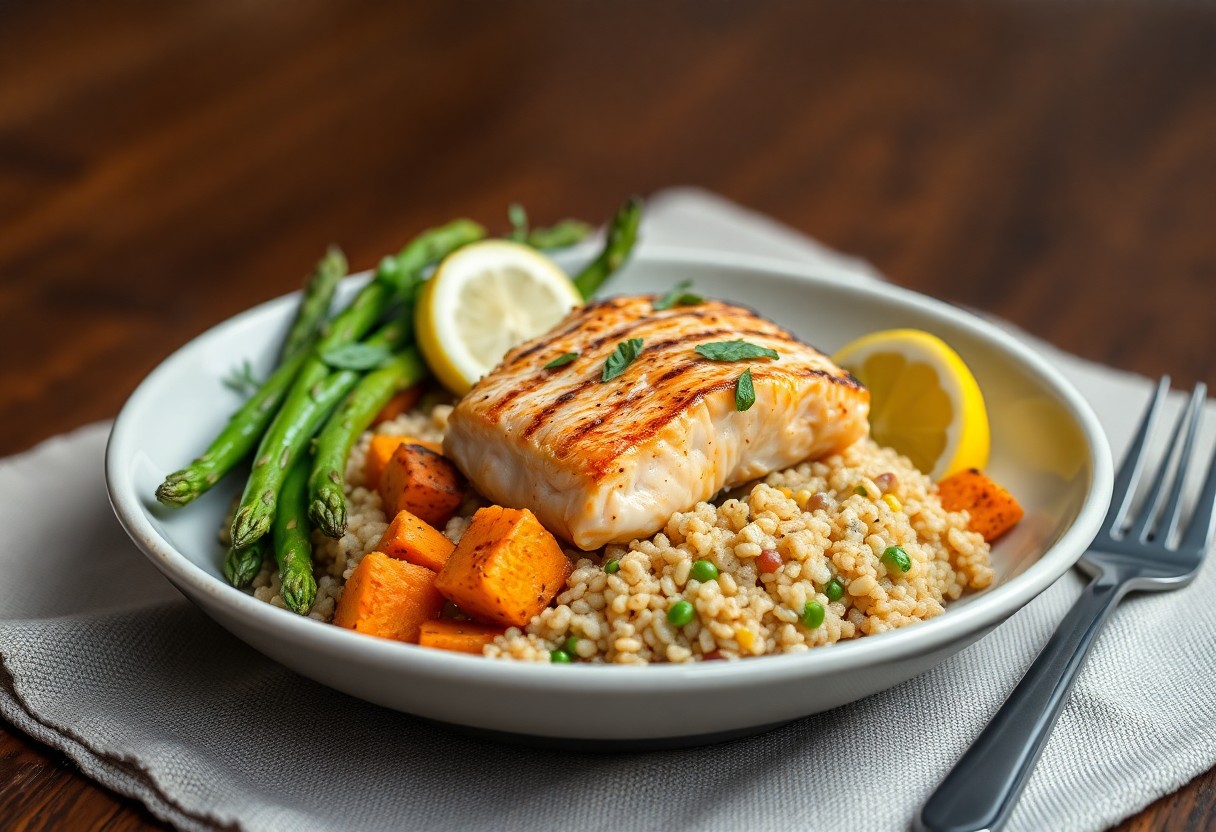
Sheet-pan dinners roast protein and vegetables together at 400°F (200°C) for 20-30 minutes; try bone-in chicken thighs with sweet potatoes and Brussels sprouts or salmon with asparagus and lemon. You cut cleanup and get balanced macros-about 25-30 g protein per serving from a 4-6 oz fillet-and can season once for consistent flavor across the tray.
Quick Pasta Dishes
One-pot pasta cooks in 10-12 minutes when you add dry pasta, 1 can diced tomatoes, garlic, and 4 cups fresh spinach into a pan for a 20-minute meal. Choosing whole-grain pasta yields roughly 6-8 g fiber per 56 g (2 oz) serving, and adding 3-4 oz of shrimp or chicken brings the dish to about 30 g protein.
Reserve about 1/2 cup (120 ml) starchy pasta water when draining; it emulsifies sauces so a tablespoon stirs into the pan to bind. You can boost nutrition with 2 cups arugula or 1 cup frozen peas, finish with 1 tablespoon olive oil and 2 tablespoons grated Parmesan, and portion 56-75 g dry pasta per person plus a 3-4 oz protein or 1/2 cup legumes for satiety.
Wholesome Snacks for Every Day
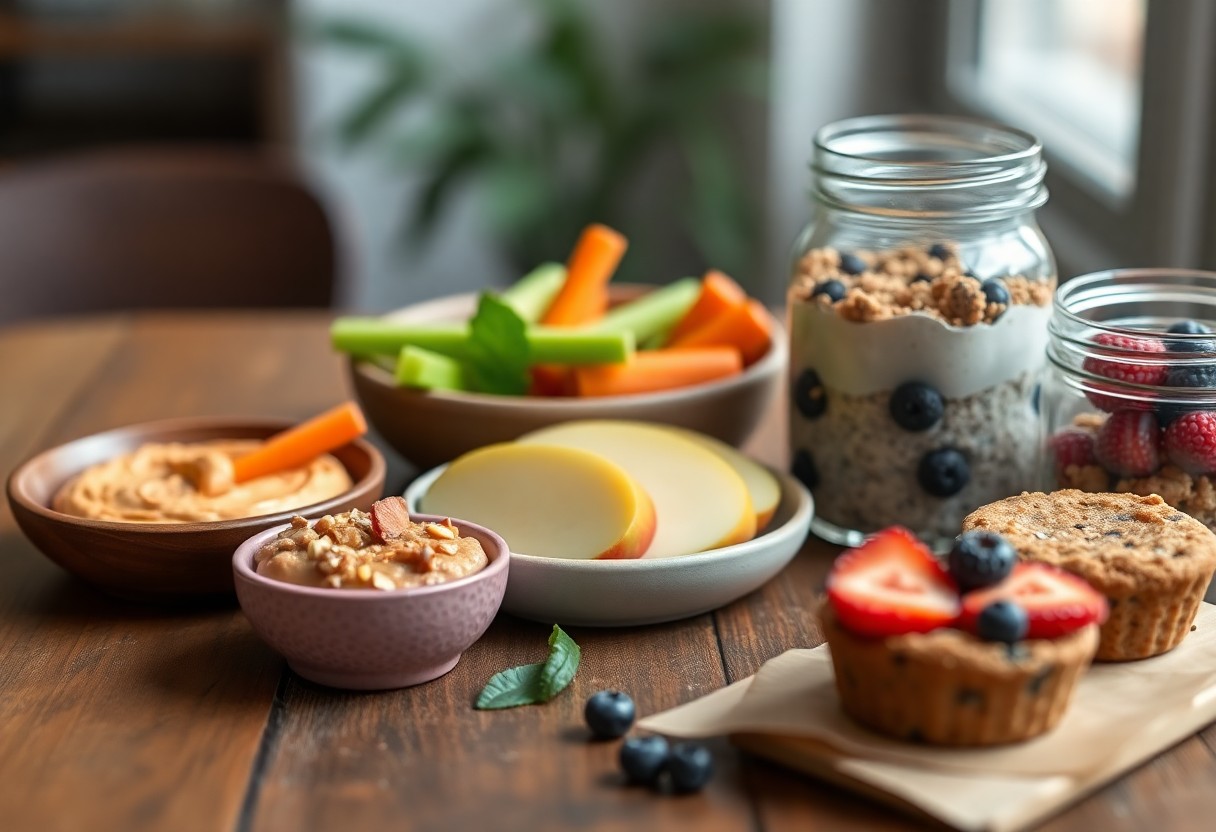
Choose snacks that pair protein and fiber to keep you satisfied between meals; aim for 150-250 kcal, 5-10 g protein and 3-6 g fiber per snack. Examples you can prep include apple slices with 2 tbsp almond butter, 3/4 cup Greek yogurt with berries, or a hard-boiled egg plus whole-grain crackers. Portion into 4-6 containers each week to save time and prevent overeating.
Energy Bites
Combine 1 cup rolled oats, 1/2 cup nut butter, 1/3 cup honey or mashed dates, 2 tbsp chia or flax, and 1/4 cup mix-ins (chocolate chips, dried fruit, seeds); stir, roll into 12-16 balls, then chill 20-30 minutes. Each bite runs about 120-160 kcal depending on ingredients. You can swap peanut butter for almond or sunflower butter for allergies, and add a scoop of protein powder for an extra 8-12 g protein per batch.
Veggie Dips and Hummus
Hummus and vegetable-based dips give you plant protein and fiber with minimal prep; one cup cooked chickpeas contains about 14 g protein and 12 g fiber, so hummus is a filling base. Serve 2 tbsp hummus (roughly 60-80 kcal) with carrot sticks, cucumber rounds, bell pepper strips, or whole-grain pita. You can batch-make 2-3 cups in 10 minutes and keep it refrigerated for 4-7 days to pull from for snacks or lunches.
For a basic hummus, blend one 15-oz can drained chickpeas (about 1.5 cups), 3 tbsp tahini, 2 tbsp olive oil, 2 tbsp lemon juice, one garlic clove, and 1/2 tsp salt until smooth; roast a red pepper or add 1/2 avocado for creamy variations. Swap half the chickpeas for steamed cauliflower to reduce calories, or fold in 1/4 cup Greek yogurt to boost protein by about 4-5 g per cup. Store in an airtight container for up to 5 days.
Flavorful Side Dishes
Roasted Vegetables
Toss hearty vegetables with 1-2 tablespoons olive oil per pound, salt, and pepper, then roast at 425°F for 20-35 minutes, flipping once for even caramelization. Brussels sprouts take ~20-25 minutes, carrots and cauliflower ~25-30 minutes; cut pieces uniformly for consistent cooking. You can boost flavor with 1 teaspoon smoked paprika or 1 tablespoon balsamic after roasting, and keep vegetables crisp by giving them space on the sheet pan to avoid steaming.
Quinoa and Grain Salads
Rinse quinoa to remove saponins, then cook 1 cup quinoa to 2 cups water, simmer 15 minutes and let sit 5 minutes before fluffing; one cooked cup yields about 8 g protein. You can mix 2 cups cooked quinoa with 1 cup halved cherry tomatoes, ½ cup chopped cucumber, ¼ cup crumbled feta, and a lemon-olive oil dressing (3 tbsp oil to 1 tbsp lemon) for a balanced 4-serving side that stores 3-4 days.
Expand beyond quinoa by using farro (chewy, cooks 25-30 minutes), pearled barley (25-40 minutes), or bulgur (quick soak 12-15 minutes); one cup dry typically yields 2-3 cups cooked. Aim for a balance of textures-add toasted nuts, roasted squash, or fresh herbs-and toss warm grains with dressing so they absorb flavors better. For a testable combo, try 2 cups cooked farro, ½ cup dried apricots, ⅓ cup toasted walnuts, 2 tbsp chopped mint, plus 2 tbsp sherry vinegar and 3 tbsp olive oil.
Desserts that Delight
Fruit-Based Desserts
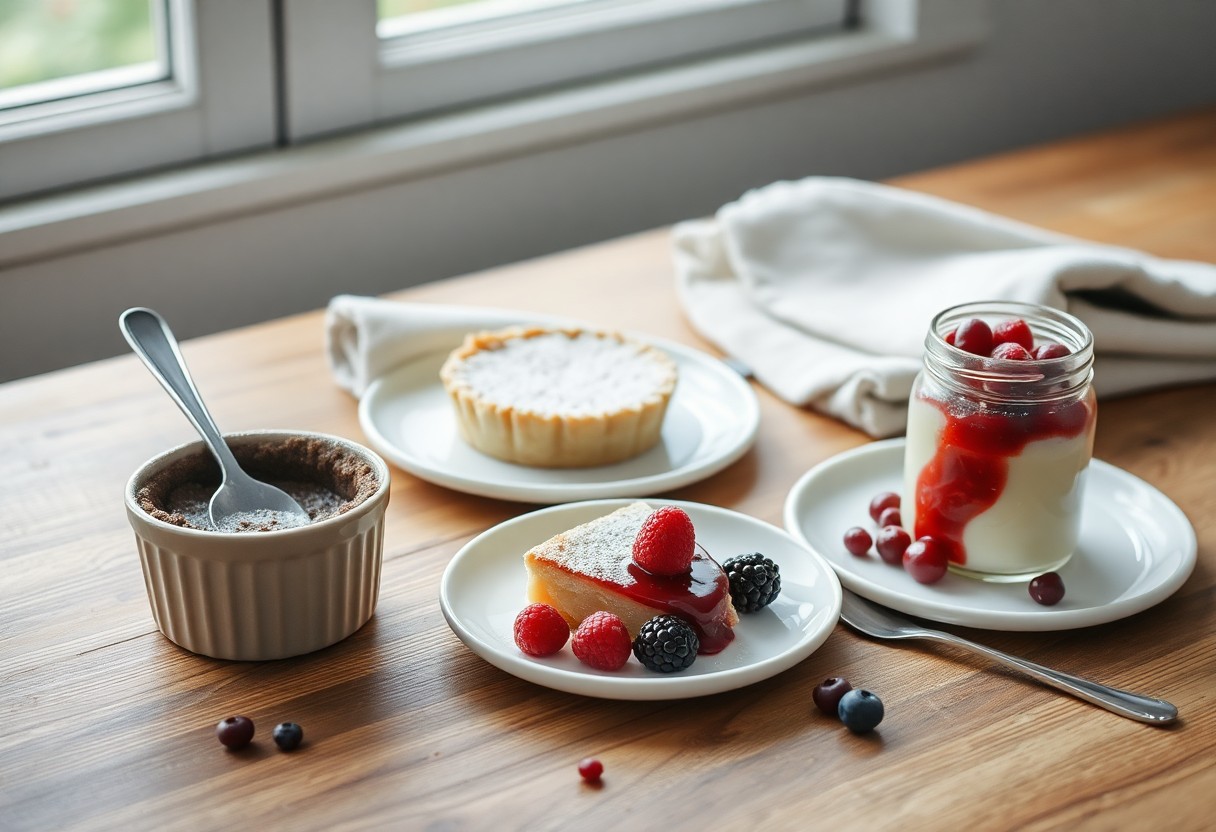
You can spotlight seasonal fruit by roasting or grilling-try halved peaches or apples at 180°C (350°F) for 15-25 minutes with a sprinkle of cinnamon and 1 tsp maple syrup. Pair 100 g of berries (≈32 kcal per 100 g for strawberries) with 100 g plain Greek yogurt (≈10 g protein) for texture and protein, or make a quick chia jam by simmering 2 cups berries and stirring in 1 tbsp chia to thicken.
Guilt-Free Treats
Choose high-satiety desserts like chia pudding (3 tbsp chia seeds to 250 ml milk, set 2-4 hours) or Greek-yogurt parfaits topped with 1 tbsp chopped 70% dark chocolate for antioxidants. You’ll get fiber and protein that help curb cravings while keeping portions generous and satisfying without excess sugar.
Experiment with swaps to lower calories and fat: replace oil 1:1 with unsweetened applesauce in muffins, use mashed banana for sweetness in quick breads, and follow package ratios when substituting concentrated sweeteners. Also boost satiety by adding 20-30 g Greek yogurt or 1-2 tbsp nut butter per serving to slow digestion and reduce overall intake.
To wrap up
Taking this into account, you can streamline everyday meals by choosing balanced, simple ingredients and mastering a few versatile techniques so your cooking stays nutritious, fast, and adaptable; with practice you’ll confidently modify recipes for time, budget, and dietary needs while keeping flavor and variety central to your routine.

Leave a Reply