
There’s a straightforward way you can feed your family well without overspending or spending hours in the kitchen; this guide gives practical, time-saving recipes, shopping tips, batch-cooking strategies, and budget-friendly ingredient swaps so you can put healthy, satisfying meals on the table fast while keeping costs low and stress down.
Key Takeaways:
- Plan weekly menus and batch-cook or freeze portions to save time, money, and reduce waste.
- Build meals around budget-friendly staples (rice, pasta, beans, eggs) and swap proteins based on sales.
- Use one-pot, sheet-pan, or slow-cooker recipes plus simple sauces and seasonings to keep meals quick and flexible.
Quick Breakfast Ideas
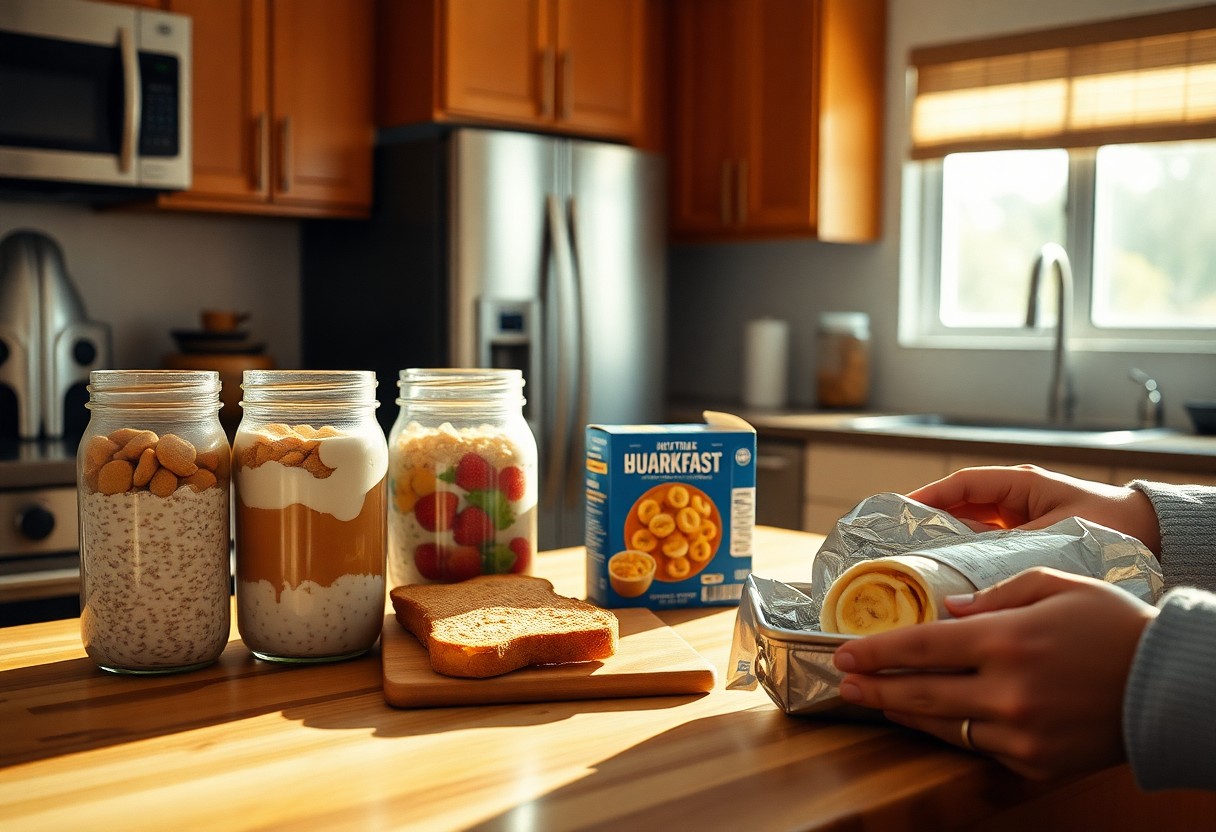
You can assemble several fast, budget-friendly breakfasts in minutes: smoothies take about 2-3 minutes, yogurt parfaits under 5, and overnight oats require a 5-minute prep the night before; batch egg muffins bake in 18-22 minutes and yield 8-12 portions. Plan a 30-minute Sunday session to prepare 8-12 servings that keep mornings moving and lower per-meal costs compared with grab-and-go options.
Overnight Oats
Use ½ cup rolled oats, ½ cup milk, ¼ cup plain yogurt, 1 tbsp chia seeds and a drizzle of honey in a jar; stir, top with ¼ cup fruit, and refrigerate 6-8 hours. You can stack four jars for the week-oats stay good 3-5 days-and swap milk for almond or soy to cut calories or suit allergies.
Egg Muffins
Whisk 8-10 large eggs with ¼ cup milk, 1 cup chopped vegetables (spinach, pepper, onion) and ½ cup shredded cheese, pour into a greased 12-cup muffin tin and bake 18-22 minutes at 350°F (175°C); this yields about 10-12 muffins, costing under $1 per serving versus $3-4 for store sandwiches.
Store cooked egg muffins in the fridge up to 4-5 days or freeze up to 2 months in a sealed container; reheat one in the microwave 40-60 seconds. Pre-cook watery veggies like mushrooms or zucchini to avoid sogginess, use silicone pans for easy removal, and swap in cooked bacon, ham, or black beans for protein variety when batch-prepping for the week.
Simple Lunch Solutions
You can turn leftovers and pantry staples into satisfying lunches in 10 minutes: think grain bowls, quesadillas, or a thermos of soup. Use rotisserie chicken, canned beans, and 1-2 fresh vegetables to create meals under $3 per serving. Plan for 3 lunches from a Sunday batch, label containers, and keep proteins pre-cooked so assembly is fast on busy afternoons.
Wraps and Sandwiches
Start with whole-wheat tortillas or sturdy bread, spread 1-2 tablespoons of hummus or mustard, add 3-4 ounces of rotisserie chicken or canned tuna, plus lettuce, shredded carrot, and sliced avocado. You can make 4 family wraps in 15 minutes for about $6 total, or prep components to assemble lunches in 5 minutes during the week.
Mason Jar Salads
Layer dressing, grains, hearty vegetables, proteins, and greens so salads stay crisp; follow the order and they last up to 4 days refrigerated. You can use 16- or 24-ounce jars, ½ cup cooked quinoa or brown rice, 3-4 ounces of protein, and a generous handful of greens for a portable lunch that fits your workdays and school schedules.
Use a 16-ounce jar for a single serving: add 2 tablespoons dressing, ½ cup cooked grain, ¼ cup beans or 3 oz chicken, ½ cup chopped veggies, and top with 1-2 cups mixed greens; seal and invert before eating to coat. You can batch-make 5 jars on Sunday for $2-$3 each, cutting midday takeout and saving both time and money.
One-Pot Dinner Recipes
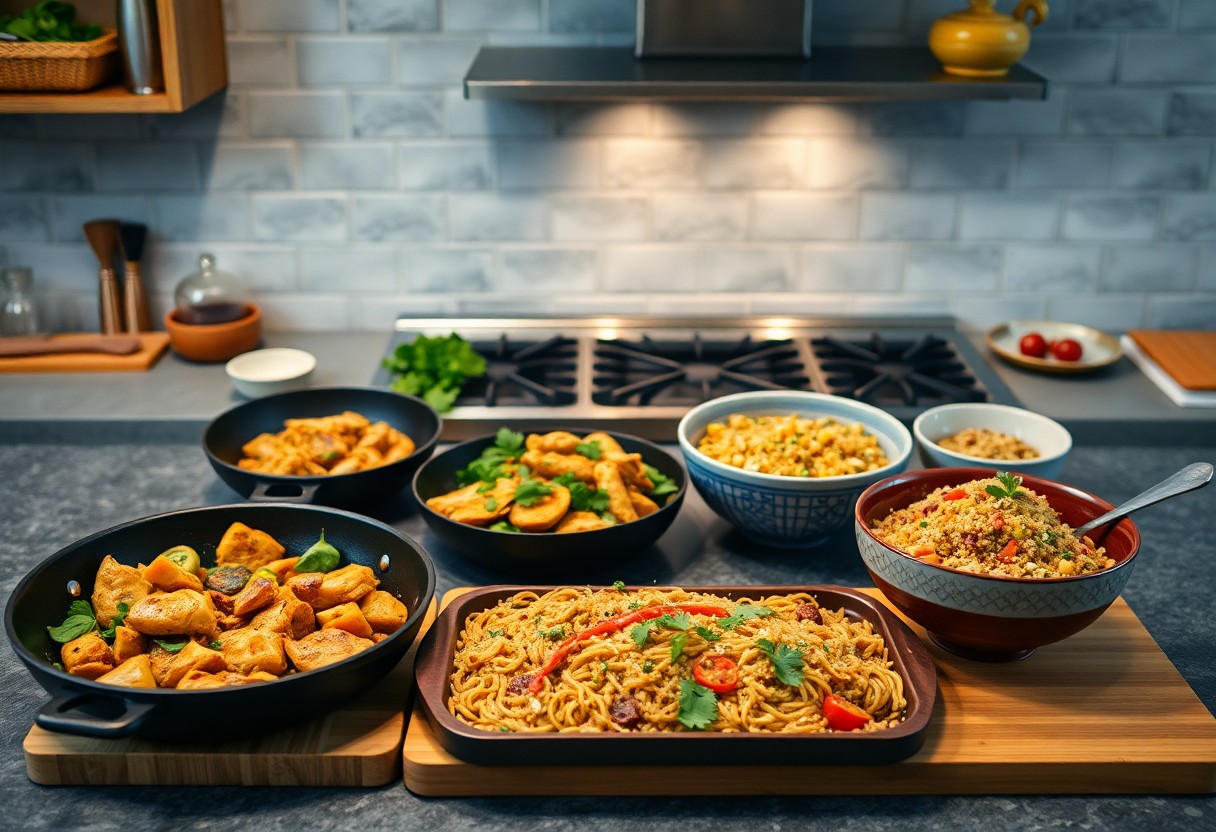
When weeknights compress, you can lean on one-pot dinners to minimize prep and cleanup: try a 30-minute chicken-and-rice skillet that feeds 4 for about $10 or a lentil-and-veg stew yielding 6 servings that reheats well. Use bulk staples-dry pasta, rice, canned tomatoes-and frozen vegetables to keep costs low and prep under 20-30 minutes, so you only wash the pot and a spoon while still delivering a hearty meal your family will eat.
Pasta Dishes
Start with one-pot pasta: add 12 ounces pasta, 4 cups broth, a 14‑oz can of tomatoes, and 2 cups chopped vegetables to a large skillet and simmer 8-12 minutes until tender. You can finish with ½ cup grated cheese or a squeeze of lemon; simple variations like sausage-kale, lemon-garlic shrimp, or mushroom-cream serve 4 and cost about $6-$8 when you rely on pantry staples.
Stir-Fries
You should use a wok or large skillet on high heat to get good browning fast: cook 1 pound of protein (chicken, tofu, or beef) for 3-4 minutes, then add vegetables and stir another 4-5 minutes. Toss with a quick sauce and serve over rice or noodles-total time about 15 minutes-making it perfect when you need an affordable, flavorful meal on a tight schedule.
You can speed prep by slicing vegetables the night before and marinating protein 10-20 minutes in 1 tablespoon soy and 1 teaspoon cornstarch; aim for a 2:1 vegetable-to-protein ratio. For the sauce, mix 2 tablespoons soy, 1 tablespoon rice vinegar, 1 tablespoon honey, and 1 teaspoon cornstarch with 2 tablespoons water-add at the end and let thicken in 30 seconds. Using frozen stir-fry mixes cuts prep to under 5 minutes and keeps cost near $7-$9 to feed 4.
Budget-Friendly Snacks
Stretch your snack budget by prepping 3-4 options on Sunday: portion out 12 homemade granola bars, a big batch of hummus, and a yogurt-based cucumber dip. You’ll spend roughly $8-12 total but get 10-12 snack portions for the week, saving about $1-2 per serving versus many store-bought options. Prep time is 20-30 minutes; store in airtight containers for grab-and-go snacks that keep you from overspending on convenience foods.
Homemade Granola Bars
You can make 12 bars by mixing 3 cups rolled oats, 1 cup nut or seed butter, 1/2 cup honey, and 1/2 cup mix-ins like raisins, chocolate chips, or chopped nuts. Press into an 8×8 pan and refrigerate 30 minutes, or bake 12-15 minutes for firmer bars; prep is about 10 minutes. Buying oats and seeds in bulk drops cost to roughly $0.20-$0.50 per bar.
Vegetable Dips
You can whip classic hummus in 5 minutes using one 15-oz can of chickpeas, 2 tbsp tahini (or peanut butter to save), 1 clove garlic, 2 tbsp olive oil, lemon juice and salt; that yields about 2 cups (≈8 servings) at roughly $0.50 per serving. Pair with carrot sticks, celery, bell pepper strips or cucumber rounds for low-cost, nutrient-dense snacking.
Batch-prep by doubling hummus to fill 2-3 small containers; canned chickpeas run about $0.80-$1 each, while cooking 1 cup dry chickpeas yields ~2.5 cups cooked and lowers per-serving cost if you plan ahead. For variety and protein, blend in ½ cup Greek yogurt, roasted red pepper, or a drained can of black beans; these swaps keep flavors fresh and kids more willing to snack on veggies.
Slow Cooker Meals
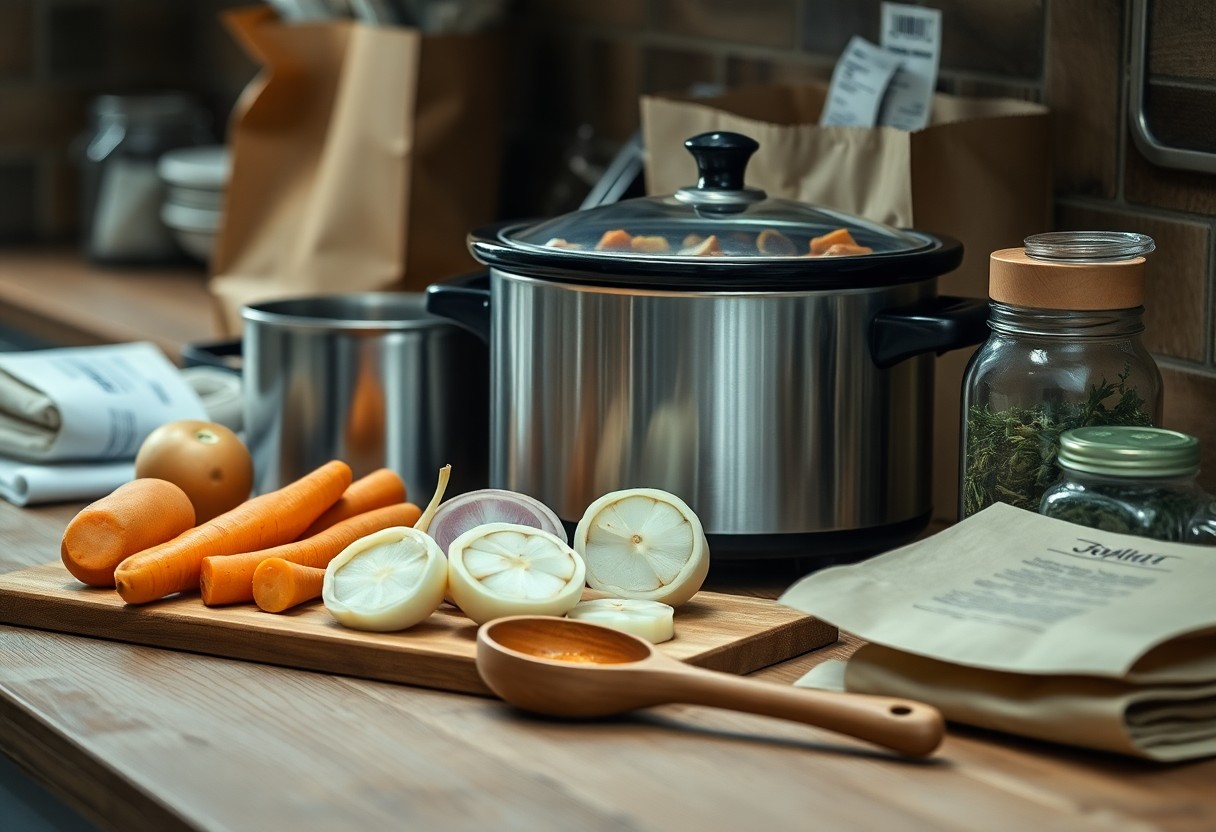
Use the slow cooker to turn inexpensive cuts into tender meals: 2-3 lb pork shoulder cooks 8-10 hours on low for pulled pork yielding about 8 servings, and a 3-bean chili with two 15-oz cans of beans plus a 28-oz can of tomatoes feeds 6-8 for under $1.50 per serving. You can batch-freeze portions in 2-cup containers, set timers to avoid overcooking, and sauté aromatics first to boost flavor without adding cost.
Soups and Stews
Start with a base like 2 cups dried lentils, 4 cups broth, one diced onion and two carrots; cook 6-8 hours on low to yield about 6 hearty bowls. You can toss in a diced potato or a can of drained beans for extra bulk, and one batch reheats well for lunches, cutting per-serving cost to roughly $0.60-$1 while delivering 8-10 grams of protein per bowl when using lentils or beans.
Casseroles
Layering works well: combine 12 oz pasta (par-cooked), 2 cups shredded cheese, 1 lb cooked ground turkey, 2 cups marinara and 1-2 cups frozen vegetables in the insert, then cook 2-3 hours on high or 4-6 on low until bubbling; it serves about 6. You save time by using canned sauces and frozen veg, and leftovers reheat in 2-3 minutes in the microwave for quick family dinners.
When you adapt casseroles for the slow cooker, reduce added liquid by about 25% because the crock retains moisture, and stir once halfway through to prevent uneven texture. Add 1-2 beaten eggs or a 10-oz can of condensed soup as a binder for six servings, and sprinkle 1-2 cups of cheese during the final 15-20 minutes to keep it creamy. Freezing preassembled portions can save 2-3 weeknight dinners when you thaw and reheat as needed.
Meal Planning Tips
Tight weeks demand a clear plan: map 7 dinners, 5 lunches, and 7 breakfasts so shopping stays focused.
- Theme nights reduce decision time-Meatless Monday, Taco Tuesday, Stir‑fry Friday.
- Double dinners and freeze one portion; a single cook session can yield 4 dinners and 4 lunches.
- Build a master-ingredient list (rice, canned tomatoes, beans, frozen veg) to swap meals quickly.
Assume that you can reuse ingredients across three meals to save both time and roughly 20-30% on weekly food costs.
Shopping on a Budget
Prioritize a 30-item max list and check unit prices so bulk wins over single-serve: a 5‑lb bag of rice costs about 20-40% less per pound than small bags. You should buy frozen vegetables, store-brand staples, and 2-3 versatile proteins-one whole chicken, one pack of tofu, one canned fish-to stretch meals; pair these with two sale items each week and use digital coupons to lower the total.
Batch Cooking Strategies
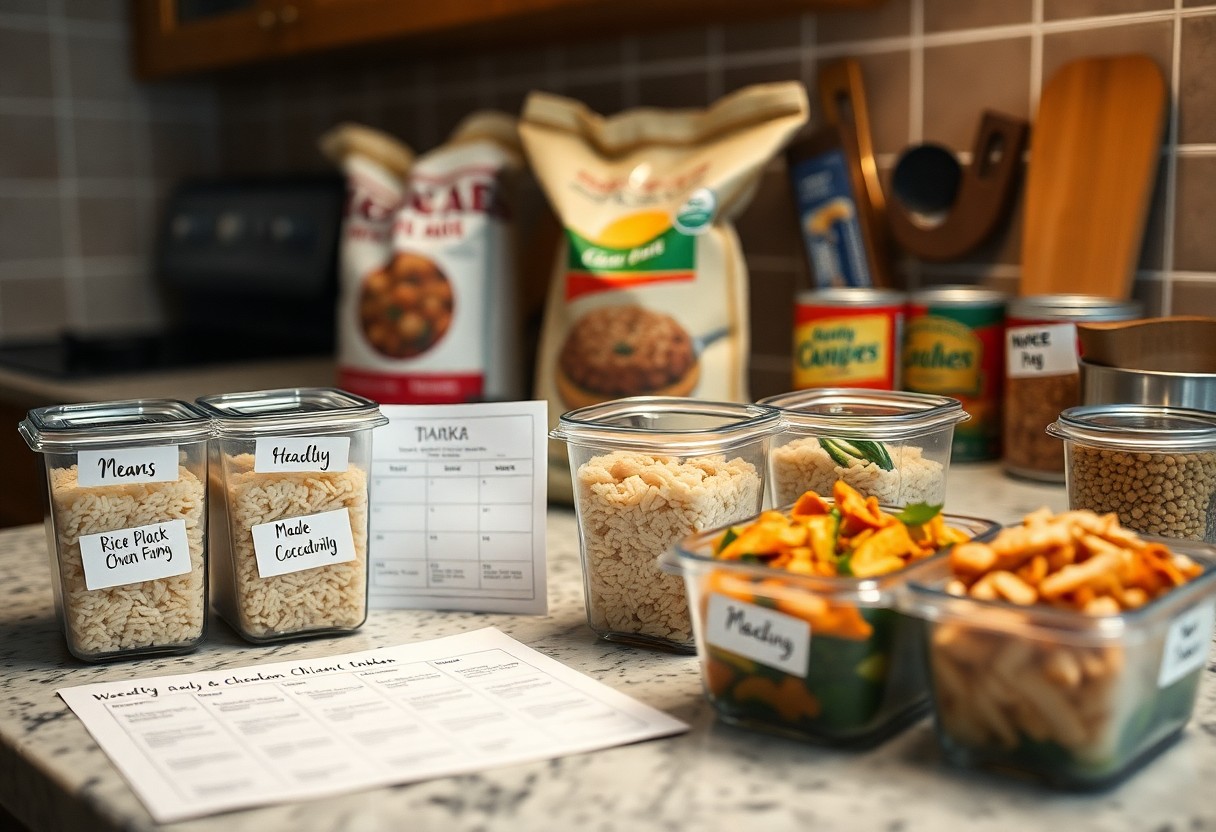
Reserve 2-3 hours on a weekend to batch-cook staples: roast 4 lbs of chicken, make 8 cups of grains, and prep three sauces to mix-and-match into 6-8 meals. You will save roughly 30-45 minutes per weekday meal and reduce takeout; portion into 2-3 cup servings, cool quickly, and store in clear containers for fast reheating.
Label each container with date and contents, keep cooked food in the fridge up to 4 days or freeze up to 3 months, and thaw overnight in the fridge before reheating to 165°F. Use a slow cooker for soups and an Instant Pot for beans-1 cup dry beans yields about 6 cups cooked in 30-40 minutes-then repurpose into wraps, grain bowls, or quick soups to minimize waste and stretch your budget.
Summing up
Considering all points, you can feed your family well without overspending by prioritizing simple, versatile recipes, batch cooking, and pantry staples; planning meals and involving kids saves time and reduces waste, so you’ll stretch both your budget and your schedule while delivering nutritious, satisfying meals week after week.

Leave a Reply