

Beginners often feel overwhelmed by plant-based cooking, but you can build confidence quickly with straightforward, flavorful recipes that use accessible ingredients and simple techniques. This guide shows you step-by-step methods, time-saving tips, and adaptable meal ideas so you can assemble balanced breakfasts, lunches, and dinners without stress. By focusing on core flavors, proper seasoning, and basic kitchen skills, your transition to regular vegetarian cooking becomes efficient and enjoyable, letting you create satisfying meals that fit your schedule and palate.

Key Takeaways:
- Begin with simple ingredients and basic techniques-one-pan meals, sautés, and sheet-pan dinners make learning easy.
- Focus on flavor: use herbs, spices, acids (lemon or vinegar) and umami boosters like soy, miso, tomatoes, or nutritional yeast.
- Keep a versatile pantry and practice basic meal prep: canned beans, grains, frozen vegetables and batch-cooked staples speed up cooking.
Essential Ingredients for Vegetarian Cooking
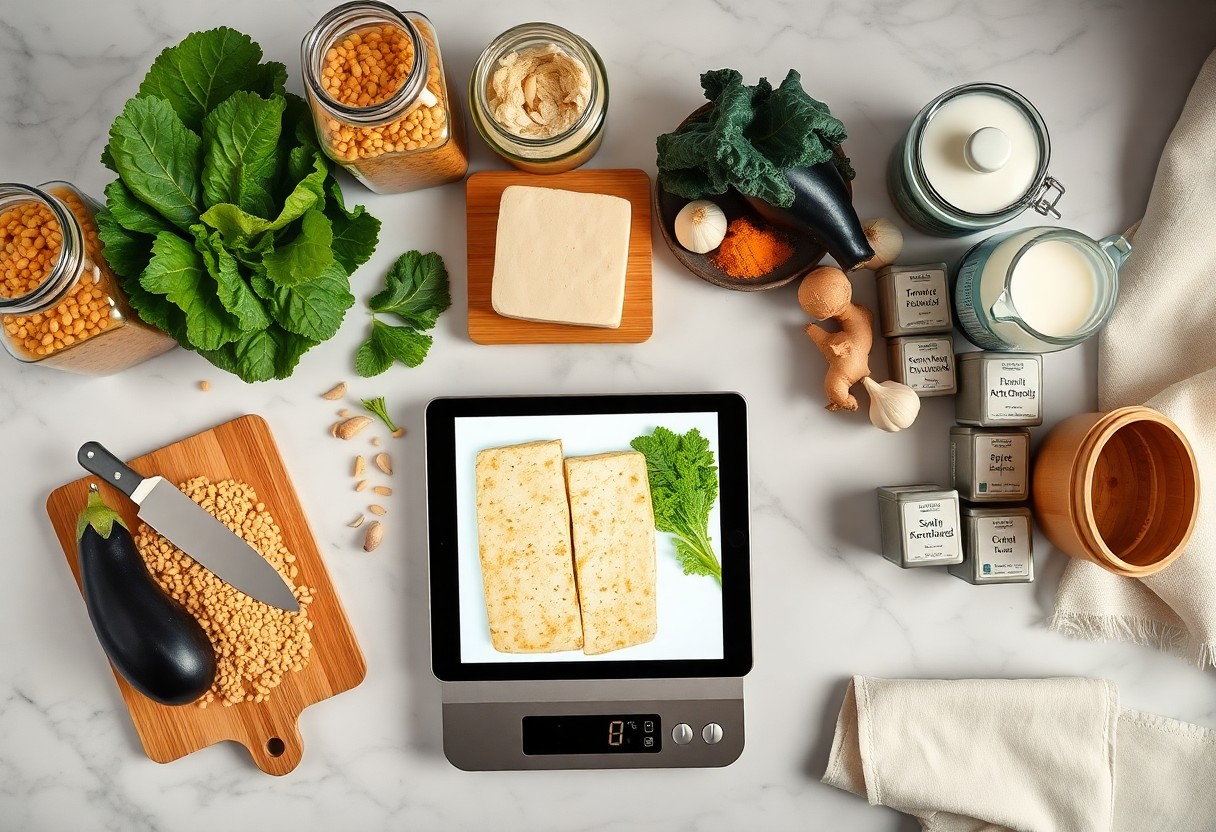
Stock up on a few reliable items that let you assemble meals quickly: three whole grains (brown rice, quinoa, rolled oats), at least four legumes (lentils, chickpeas, black beans, split peas), canned tomatoes, a jar each of tahini and nut butter, plus 1-2 liters of vegetable broth. You should keep olive oil, a neutral oil, soy sauce, and a core spice set-cumin, smoked paprika, turmeric, chili flakes, black pepper-so you can finish dishes with depth and balance without hunting for extras.
Staples for Your Pantry
Keep 1-2 pounds of dry staples on hand: rice, pasta, and 1 cup dry legumes (one cup dried yields roughly 2.5-3 cups cooked). Store 3-4 canned goods-tomatoes, coconut milk, beans-and a few long-lasting flavor boosters like miso, tamari, and vegetable bouillon. Rotate spices every 12-18 months for potency, and label jars so you know when to replace oils (use within 6-12 months after opening for best flavor).
Fresh Produce Selection
Prioritize versatile produce: onions, garlic, carrots, bell peppers, and a dark leafy green (spinach or kale) will cover sautéing, roasting, and salads; add lemons and a firm apple or pear for brightness and texture. Aim to buy 3-5 vegetable varieties plus 1-2 fruits each week so you can mix flavors and colors across simple recipes without waste.
Store produce smartly: keep tomatoes at room temperature and use within 3-5 days, refrigerate citrus to extend life to 2-3 weeks, and place leafy greens in a loose plastic bag with a paper towel to absorb moisture-most last 3-7 days. Freeze bulk greens or blanched vegetables for up to 10-12 months, and roast root vegetables in batches to repurpose through the week, cutting prep time by 50% for weekday meals.
Easy Breakfast Recipes
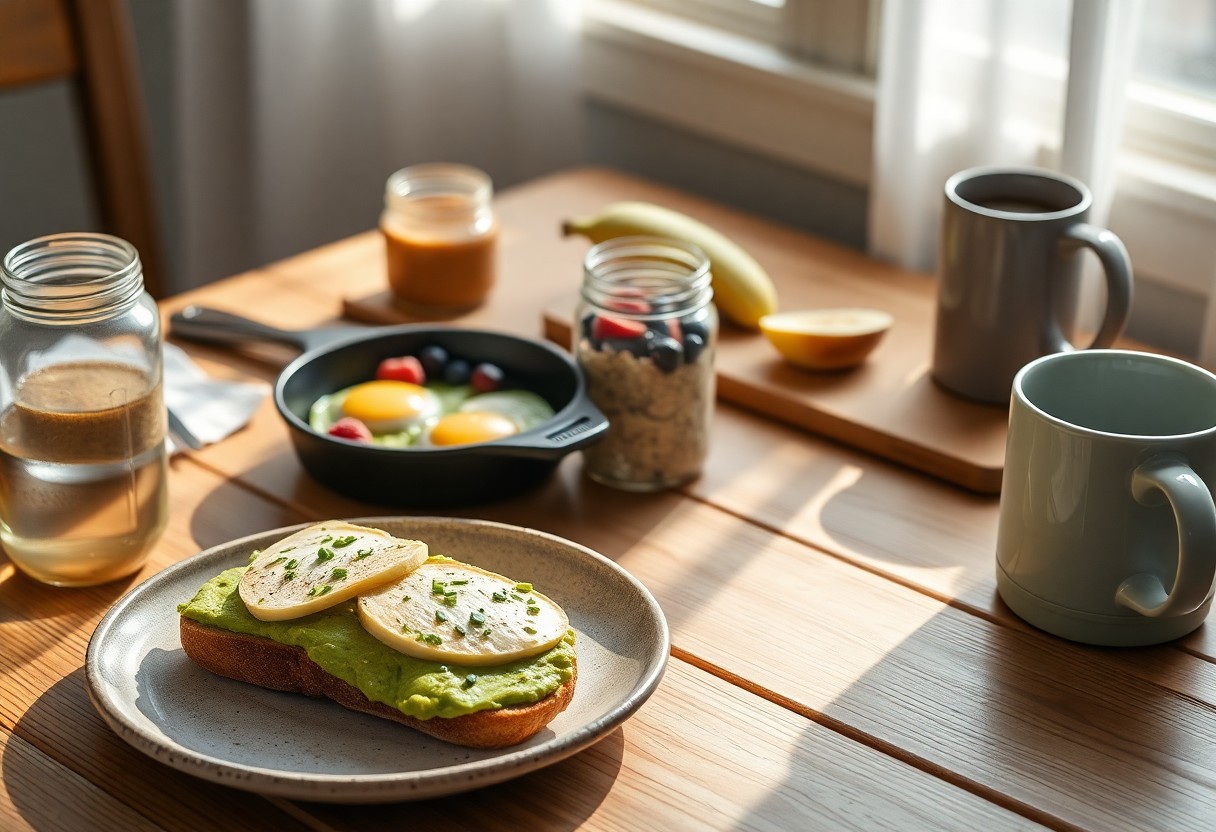
Swap convenience breakfasts for a few reliable, fast recipes you can repeat: a chickpea scramble (one 240 g can, 1 tsp cumin, sautéd 8-10 minutes) yields a protein-rich start, avocado toast with ½ avocado and lemon takes 5 minutes, and a 5-minute chia pudding (3 tbsp chia + 1 cup milk) firms in the fridge for snacking-each option teaches basic techniques and scales for meal-prep or single servings.
Smoothie Bowls
Blend 1 frozen banana, 1 cup frozen berries, ½ cup yogurt and ¼ cup milk until thick; pour into a bowl and top with 2 tbsp granola, 1 tbsp chia or hemp seeds and sliced kiwi for texture. You’ll finish in about 5 minutes, control sugar by using unsweetened yogurt, and can boost calories/protein with 1 tbsp nut butter or a scoop of protein powder.
Overnight Oats
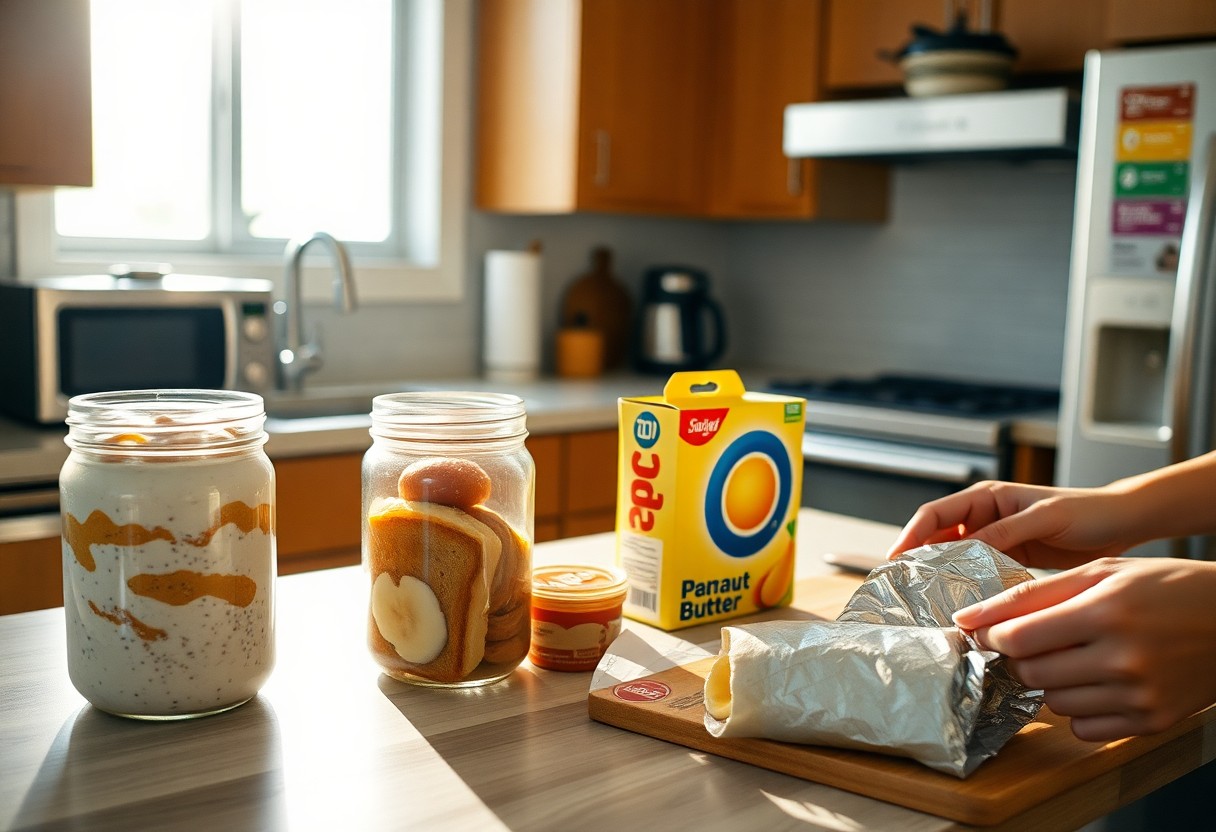
Combine ½ cup rolled oats with ½-¾ cup milk (1:1 to 1:1.5 ratio), 1 tbsp chia and 2 tbsp Greek yogurt-stir and refrigerate 6-8 hours; add 1 tsp vanilla or cinnamon and fruit before serving. This template gives a creamy texture, roughly 6-10 g extra protein from the yogurt per 100 g, and swaps like peanut butter-banana or apple-cinnamon are simple to test.
For batch prep, make three 350-400 ml jars in about 10 minutes and store them 4-5 days refrigerated; use rolled oats for consistent texture since quick oats get mushy and steel-cut need longer soaking. Adjust creaminess with the milk ratio, keep crunchy toppings separate until serving, and heat one jar for 30-60 seconds if you prefer a warm breakfast.
Quick Lunch Ideas
Keep weekday lunches simple: assemble bowls, salads, or sandwiches in 10-15 minutes using staples like one 400 g can of beans, 1 cup cooked grain, and seasonal veg. You can batch-cook 3 cups of quinoa on Sunday to create 5 lunches, mix flavors with a tahini dressing (2 tbsp tahini, 1 tbsp lemon), and rotate proteins-tofu, lentils, or canned chickpeas-for variety without extra prep.
Salad Variations
Try grain salads with ½ cup cooked farro, roasted carrots, 30 g feta, and a mustard vinaigrette for a 400-450 kcal lunch. You can also make a kale Caesar by massaging 1 tbsp olive oil into 3 cups chopped kale, adding ½ cup croutons and 2 tbsp grated Parmesan, or toss 1 cup cooked lentils with cherry tomatoes and parsley for a protein-rich option that keeps well for 2-3 days.
Wraps and Sandwiches
Use whole-grain tortillas or sourdough to build sandwiches with hummus (2 tbsp), roasted peppers, spinach, and a smashed ½ cup chickpeas for creaminess and 12-15 g protein. You can swap spreads-pesto, avocado-or add pickled onions for acidity, assembling in under 10 minutes for a portable lunch that travels well.
Layer ingredients to balance texture: you should start with a spread to act as a moisture barrier, add crisp elements like cucumber or shredded carrot, then soft fillings. If you prefer hot sandwiches, press or grill for 4-6 minutes to melt cheese and crisp the bread. For make-ahead lunches, pack dressings separately and assemble within 24 hours to prevent sogginess.
Simple Dinner Recipes
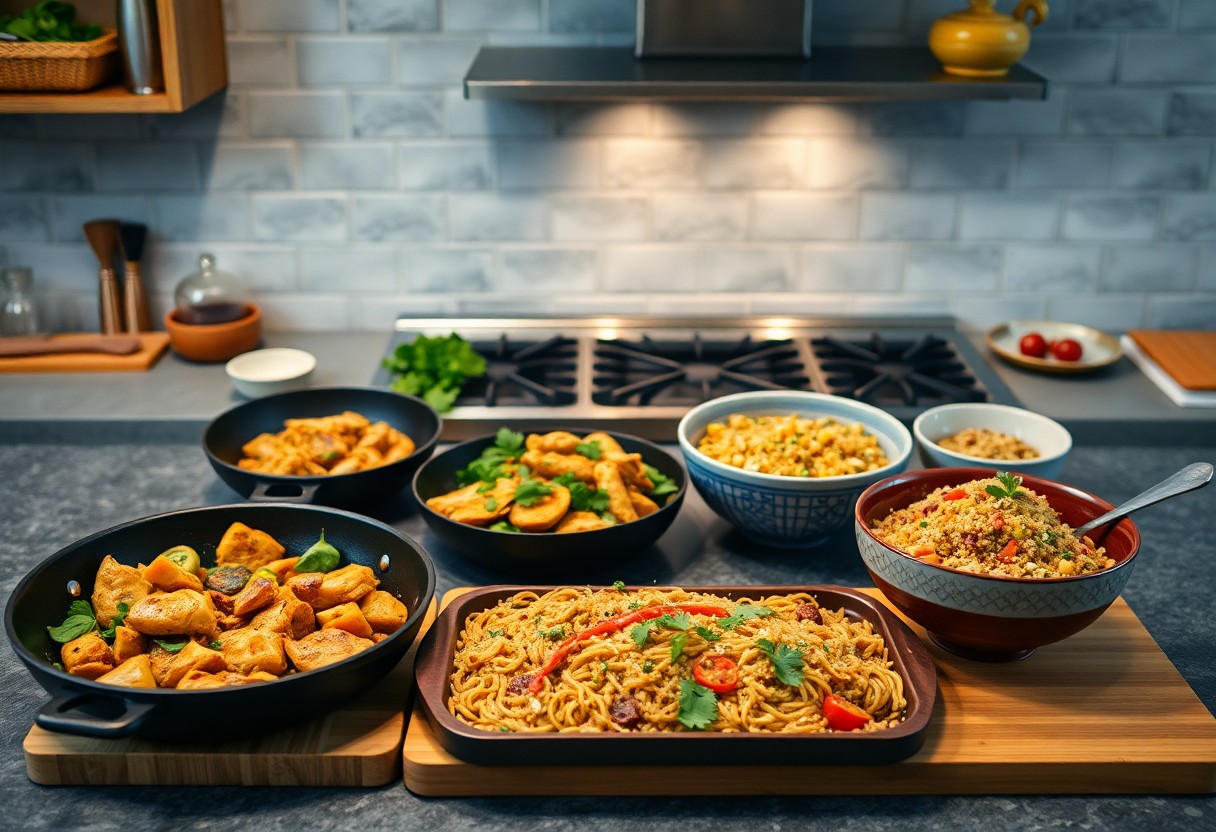
Scale your weekday cooking by choosing dinners that finish in 20-30 minutes and use five ingredients or fewer; for example, a 425°F sheet-pan roasted vegetable and chickpea tray bake takes about 25 minutes and feeds four, while a quick lentil curry simmers in 20-25 minutes and delivers protein and fiber with minimal prep.
One-Pot Dishes
Try one-pot meals like one-pot pasta (pasta, tomatoes, garlic-cook together 12-15 minutes), risotto boiled-for-20 minutes with constant stirring, or a lentil stew that simmers 25-30 minutes; you get fewer dishes and predictable ratios, such as 1 cup rice to 2 cups liquid, for consistent results every time.
Stir-Fried Vegetables
High heat and quick timing let you cook vibrant stir-fries in 5-7 minutes; cut vegetables uniformly (1/4-1/2 inch), use a high-smoke-point oil like peanut or grapeseed, add aromatics early, and finish with a splash of soy, rice vinegar, or toasted sesame oil for balanced flavor and texture.
For a practical example, toss 200 g firm tofu (tossed in 1 tsp cornstarch) with broccoli florets, bell pepper, and carrot; sear tofu 4-5 minutes, add vegetables and stir 4-6 minutes, then stir in a sauce of 2 tbsp soy, 1 tbsp rice vinegar, 1 tsp sugar and 1 tsp cornstarch diluted-serve in under 20 minutes from start to table.
Snacks and Appetizers
Pick quick, high-impact bites like roasted chickpeas (one 15-oz can yields about 3 cups, roasted 20 minutes at 400°F) or sheet-pan nachos that come together in 15 minutes; you can also prep 24 mini falafels from 2 cups drained chickpeas and freeze for weekday snacks. These options let you scale to 4-6 guests with minimal technique while maximizing flavor through spices, charred vegetables, and simple garnishes.
Dips and Spreads
Make a classic hummus in under 10 minutes-one 15-oz can chickpeas, 2 tbsp tahini, 1 clove garlic, 2 tbsp lemon juice, 1/4 cup olive oil-blended until smooth; alternatively, try tzatziki (1 cup Greek yogurt, grated cucumber, 1 tbsp dill) or roasted red pepper spread from 2 charred peppers. You can batch 2-3 cups ahead, store for 4 days, and serve with pita, crudités, or toasted baguette slices.
Finger Foods
Create handheld plates like caprese skewers (tomato, basil, 8 mini mozz per 4 servings), mini quesadillas using 8 small tortillas for 4 people, or baked stuffed mushrooms at 375°F for 15-20 minutes. You’ll find air-frying 10-12 minutes at 375°F gives falafel a crispy exterior with less oil, and using pre-made puff pastry cuts prep time in half for savory turnovers that serve 6-8.
Plan assembly and timing: make dips and fillings a day ahead, refrigerate up to 48 hours, then finish finger foods 20-25 minutes before serving; reheat turnovers at 350°F for 8-10 minutes. Use simple swaps-gluten-free tortillas, dairy-free cheese, or baked instead of fried-to suit dietary needs, and keep a sheet pan and skewers on hand to streamline plating for 4-8 guests.
Cooking Tips for Beginners
Plan for clear steps: set a 20-minute timer for sautés, prep ingredients before heating pans, and taste at three points-start, mid, finish. Measure salt roughly as 1/4-1/2 teaspoon per serving and master one simple sauce (olive oil 1 tbsp, lemon 1 tsp, salt to taste). Use a hot pan for a quick sear-preheat 2-3 minutes-then lower heat to finish. Any practice you repeat-mise en place, timing, or habitual tasting-speeds learning and reduces wasted food.
- Season in layers: add salt early and adjust at the end.
- Use timers and alarms to avoid overcooking.
- Repurpose leftovers into bowls, frittatas, or wraps.
Meal Prep Strategies
Batch-cook staples: make 4 cups cooked brown rice (1 cup dry yields ~3 cups cooked) and roast a sheet pan of vegetables at 425°F for 20-30 minutes. Portion into 3-4 containers with 3-4 oz protein equivalents-use two 15-oz cans of beans to yield ~3 cups drained total. Prep one sauce (e.g., tahini-lemon or tomato-salsa) each weekend to mix-and-match for five different weeknight meals.
Kitchen Tools to Invest In
Prioritize an 8-inch chef’s knife, a 10-12″ cast-iron or stainless skillet, a 2-3 quart saucepan, and a digital scale (grams improve baking accuracy). Add a microplane zester and a silicone spatula; together these six items let you tackle most beginner recipes and typically cost $15-$120 depending on brands.
You should choose a full-tang chef’s knife for balance and have it professionally sharpened every 6-12 months while honing weekly; you’ll use cast iron for high-heat searing and oven finishes (safe to ~500°F), and a 2-3 qt saucepan prevents over-reduction of grains and sauces. Use a digital scale for repeatable results (±1 g), and consider an immersion blender to puree soups and quick sauces without extra dishes.
Final Words
Hence, you can master effortless vegetarian recipes by focusing on simple techniques, staple ingredients, and flavor-building basics; these approachable dishes teach you how to balance textures and nutrients, save time, and scale complexity as your confidence grows, so you’ll consistently produce satisfying meals and enjoy exploring plant-based cooking without overwhelm.

Leave a Reply