
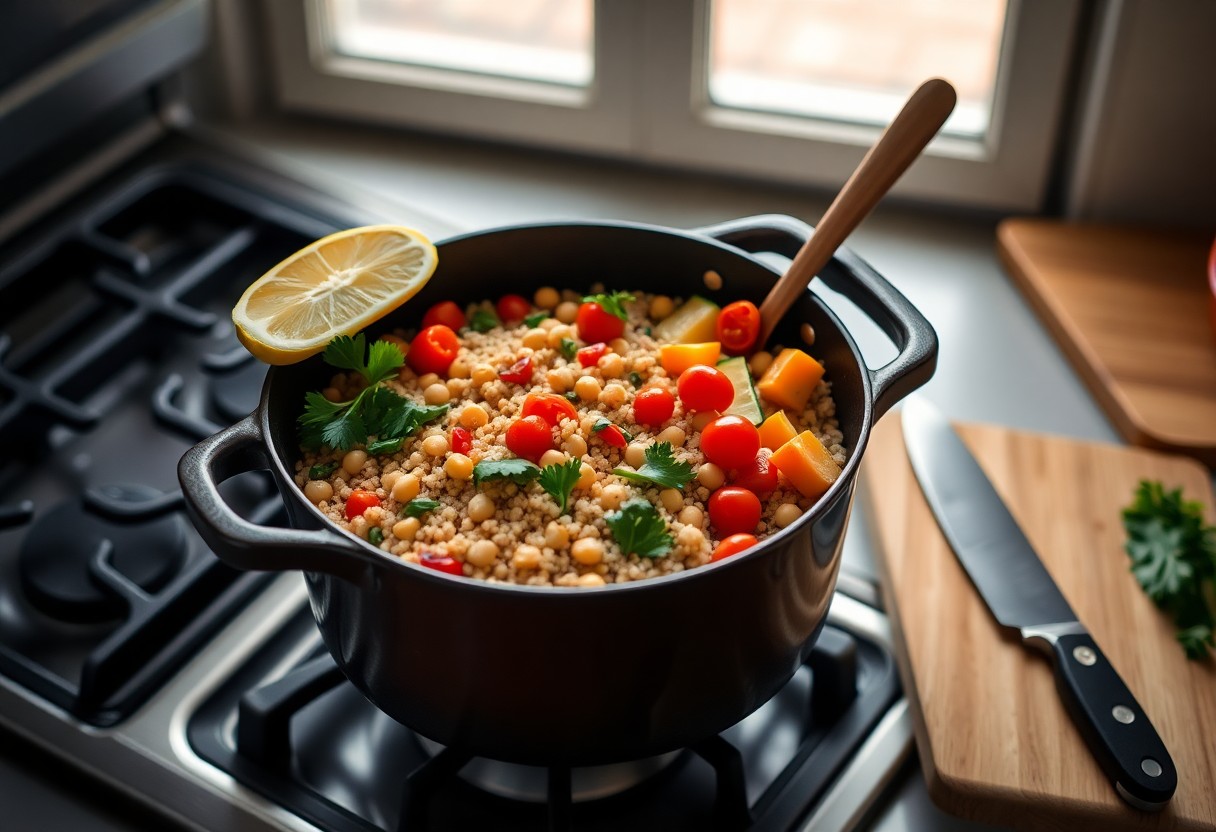
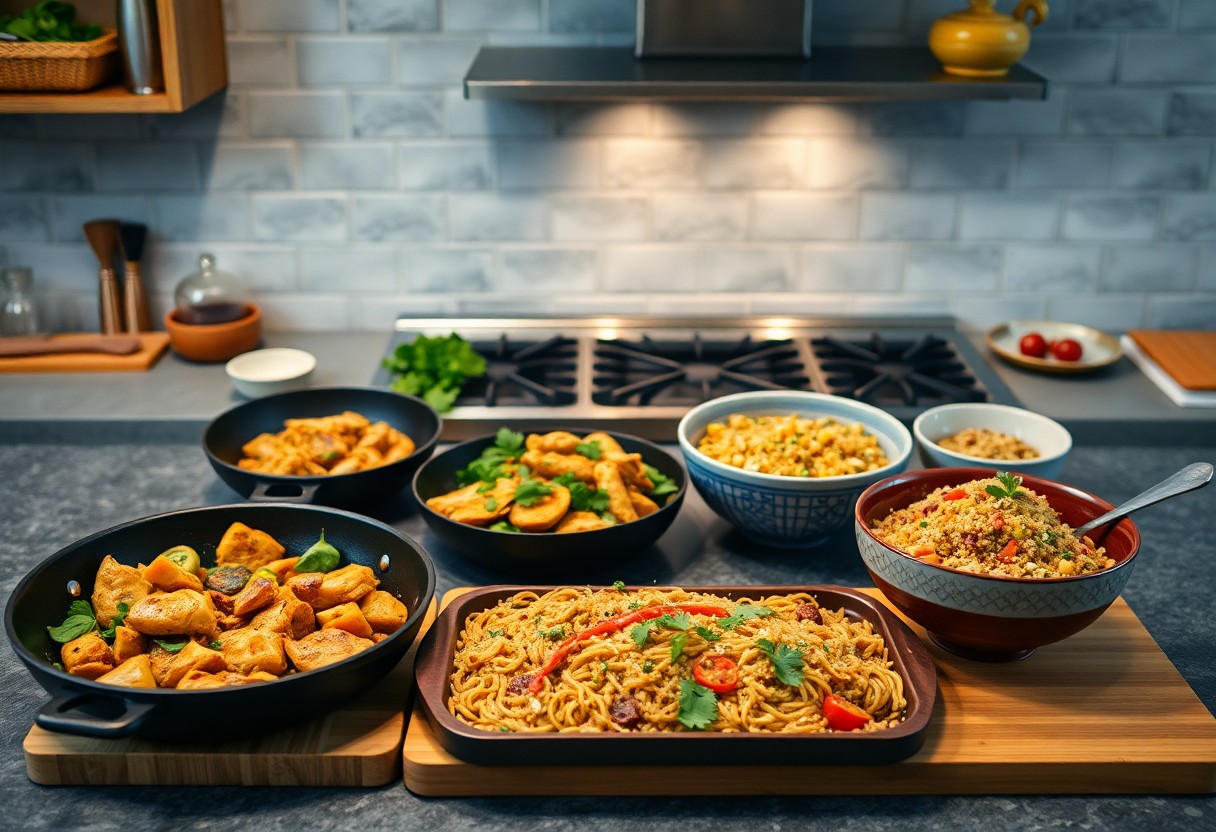
One-Pot meals simplify your weeknight routine while delivering balanced nutrition and bold flavor; this guide shows how to build efficient, healthy one-pot recipes using whole grains, lean proteins, and seasonal vegetables, plus tips to vary spices and textures so you can confidently prepare satisfying, time-saving meals for everyday cooking.
Key Takeaways:
- One-pot meals minimize cleanup and time without sacrificing nutrition by combining lean proteins, whole grains or legumes, and plenty of vegetables.
- Build flavor with techniques like sautéing aromatics, deglazing, and simmering in low-sodium broth to reduce added fats and salt.
- Plan balanced recipes for batch cooking and freezing: portion meals with protein, fiber-rich carbs, and vegetables for easy, healthy weekday dinners.
Benefits of One-Pot Cooking
When you adopt one-pot meals you cut prep and cleanup dramatically: many recipes finish in 20-40 minutes and require 1-2 pans instead of 6-8, lowering dishwashing time by roughly 50-75%. Flavor concentrates as ingredients simmer together, while leftovers stay evenly seasoned for 2-4 days, making weekday lunches simpler and reducing food waste.
Time-Saving Advantages
By relying on a single pot you streamline mise en place and eliminate oven-to-stovetop transfers, often finishing dinners in 15-30 minutes. For example, a one-pan pasta or shakshuka can be on the table in 20 minutes, and batch-cooking grains or stews lets you prepare 3-5 meals’ worth in one hour, saving hours across a week.
Nutritional Benefits
Cooking everything together helps you retain more nutrients by minimizing water loss and total heat exposure; shorter cook times (often 10-30 minutes) preserve heat-sensitive vitamins, while combining vegetables, lean proteins, and whole grains in one vessel makes it easier to hit balanced portions-aiming for half your plate vegetables, a quarter protein, and a quarter grains in many recipes.
You can further maximize nutrition by adjusting technique: add quick-cooking greens in the last 2-3 minutes to preserve vitamin C, toast spices first for flavor so you use less salt, and choose low-sodium broths or a single cup of broth plus water to control sodium. Also practice layering-start dense vegetables and proteins first, then add fragile veg later-so you maintain texture and nutrient density across the dish.
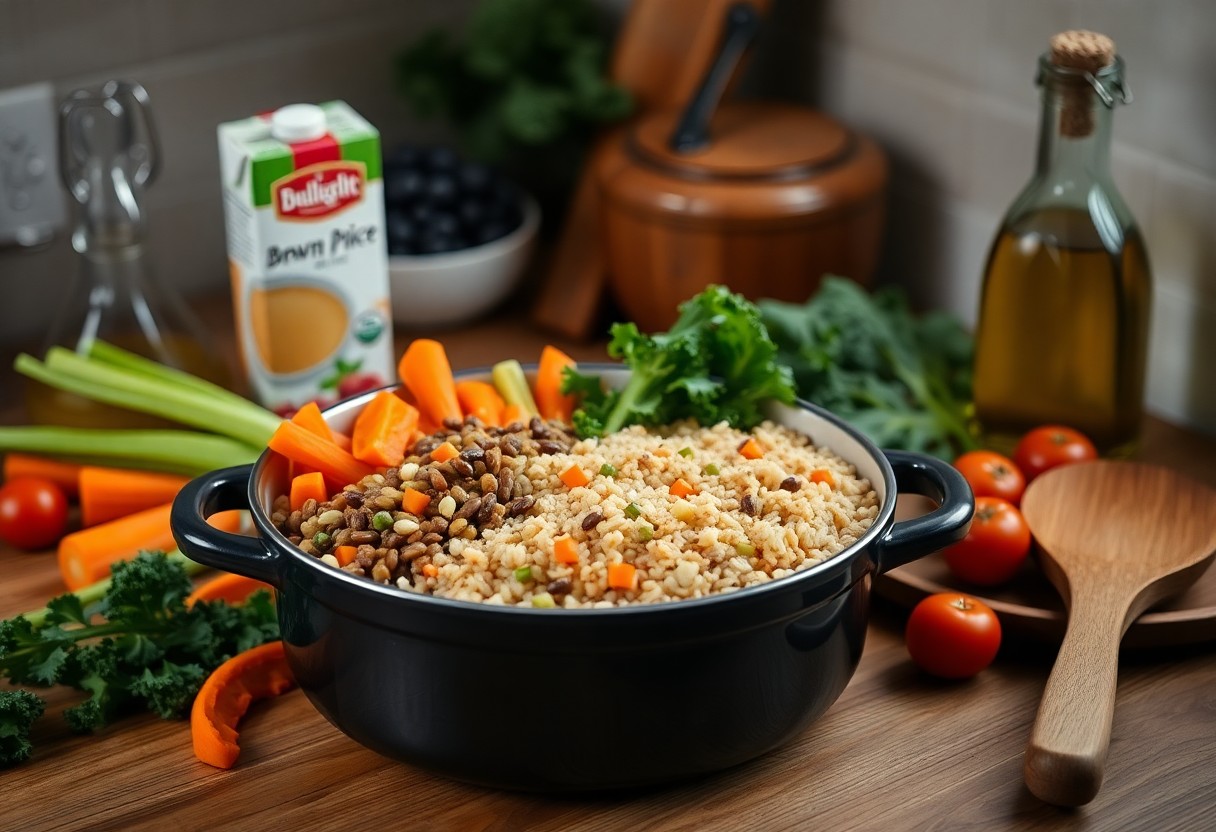
Essential Ingredients for One-Pot Meals
Proteins
You should choose proteins that match the dish’s cooking time: boneless chicken thighs braise tender in about 30-40 minutes, salmon fillets take 8-12 minutes, and shrimp cook in 3-5 minutes. Try firm tofu or tempeh for 10-15 minutes of simmering, and brown stewing beef for 90-120 minutes or use a pressure cooker to cut that to 30-40 minutes. Aim for 85-115 g (3-4 oz) per person and sear first to develop flavor.
Vegetables
Layer vegetables by density so everything finishes together: root veggies like carrots, potatoes, and beets need 20-40 minutes, while bell peppers and zucchini take 6-10 minutes, and leafy greens wilt in 2-4 minutes. You can add frozen peas or corn in the last 2-3 minutes. Timing and cut size-1/2-inch rounds versus large chunks-determine texture and doneness.
Cut root vegetables into 1/2-1-inch pieces to achieve even cooking in 20-35 minutes; halve potatoes for quicker mash, and trim florets small so broccoli cooks in 4-6 minutes. Steam under a lid to preserve nutrients and color, or sauté aromatics first for caramelization. Using frozen vegetables saves prep: add them straight from the bag and reduce simmer time by 30-50% compared with fresh.
Grains and Legumes
Follow water-to-grain ratios and cooking times: white rice 1:2 for 15-20 minutes, brown rice 1:2.5 for 40-45 minutes, quinoa 1:2 for 12-15 minutes, and lentils about 1:3 for 15-25 minutes. Canned beans cut active cooking to the final 5-10 minutes, while dried beans need soaking or pressure cooking (20-30 minutes at high pressure). Toast grains first for nuttier flavor.
Soak dried legumes overnight to reduce simmering by up to half and improve digestibility; if pressure-cooking, allow 20-30 minutes for most beans. Acidic ingredients like tomatoes or vinegar slow legume softening, so add them toward the end. Combine grains and legumes-rice with lentils or barley with chickpeas-to create complete proteins and boost fiber and micronutrients in one-pot meals.
Cooking Techniques for One-Pot Meals
Master a few targeted methods-sautéing, simmering, and baking-to control Maillard browning, collagen breakdown, and moisture retention in one-pot cooking; you’ll switch between high heat for searing, low steady heat for tenderizing, and oven heat for even finishes, timing actions like 2-4 minute sears, 30-90+ minute simmers, or 25-90 minute bakes to match protein and grain densities.
Sautéing
Sautéing uses high, direct heat to build flavor quickly: you want a wide pan over medium-high (roughly 190-205°C/375-400°F), an oil with a high smoke point like avocado (~520°F/271°C) or grapeseed (~420°F/216°C), and to brown proteins 2-4 minutes per side without overcrowding; finish by deglazing with ¼-½ cup stock or wine to lift the fond for sauces.
Simmering
Simmering holds liquid just below boiling-about 85-95°C (185-203°F)-so you get gentle bubbles that tenderize without shredding; you’ll cook chicken thighs 30-45 minutes, vegetable stews 45-75 minutes, and tougher cuts or legumes 1.5-3 hours, keeping the lid on to trap heat or partially off to reduce and concentrate sauces.
Control intensity by watching bubble size: small, steady bubbles for stews and a slightly more active simmer for braises. You should add acidic ingredients-tomato, vinegar, citrus-in the last 10-20 minutes to avoid tightening proteins, and salt toward the end to prevent drying. For dried beans, soaked beans often take 45-60 minutes, unsoaked 75-180 minutes depending on age; skim scum early, stir occasionally, and use a thermometer or probe to confirm fork-tender results.
Baking
Baking one-pot dishes in a Dutch oven or ovenproof skillet shifts to dry, ambient heat-typical ranges are 175-220°C (350-425°F); expect casseroles and grain bakes to take 25-90 minutes depending on depth and density, and use covered baking to trap steam, then uncover for the final 10-20 minutes for browning and crust development.
For consistent outcomes, preheat the oven and follow specific liquid-to-grain ratios: for oven-baked rice you often use ~1.8-2.0 parts liquid to 1 part rice and bake covered at 190°C (375°F) for 35-45 minutes, then rest 10 minutes. Brown proteins first on the stovetop to 2-4 minutes per side, monitor internal temps (poultry 74°C/165°F, pork 63°C/145°F), and adjust oven time for deeper pots or denser vegetables to ensure even doneness.
Healthy One-Pot Recipe Ideas
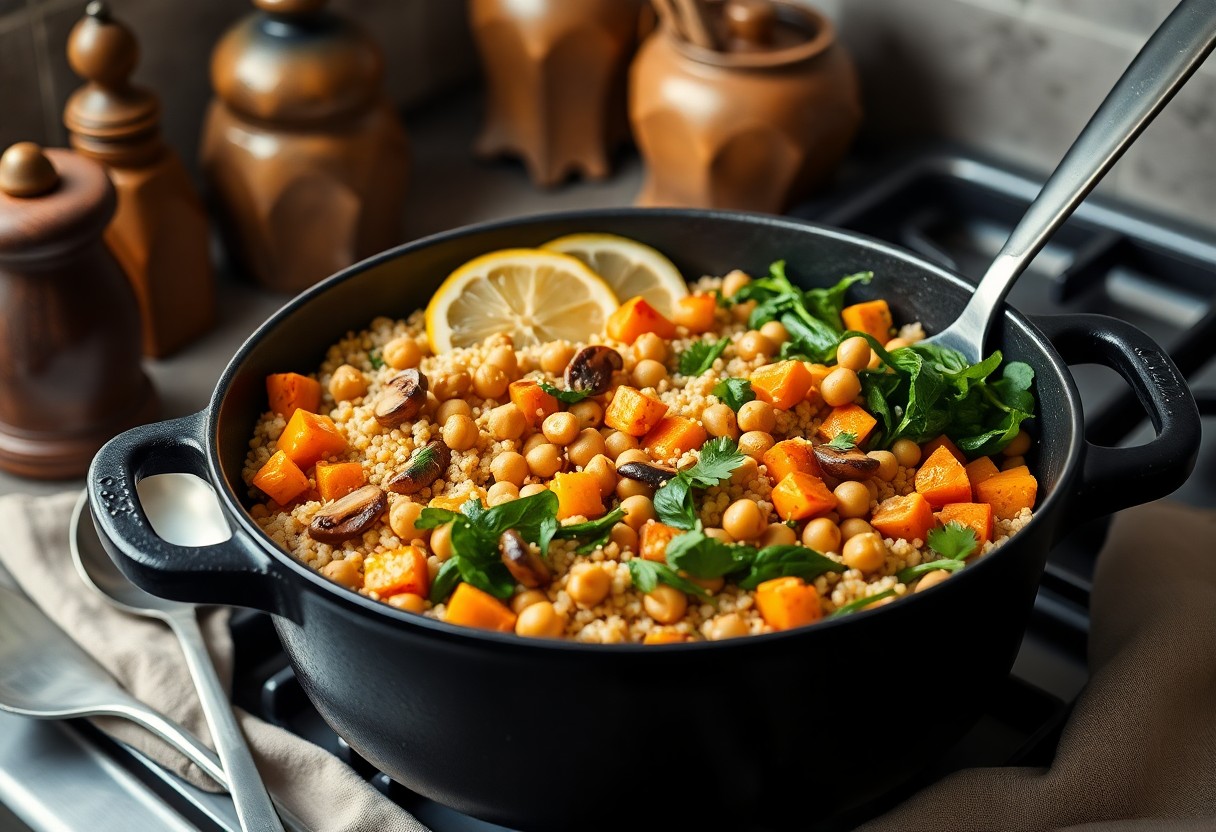
Build balanced one-pot menus by pairing a lean protein, a whole grain, and at least two cups of vegetables-many recipes finish in 20-40 minutes with a single pan. For example, try quinoa pilaf with roasted Brussels sprouts and white beans or a tomato‑based chicken and cannellini stew. You’ll cut prep, control portions, and often hit 25-35 grams of protein per serving when you use a 3-4 ounce cooked protein plus legumes.
Vegetarian Options
Start with legumes and whole grains-half a cup of cooked lentils gives roughly 9 grams of protein-and layer seasonal vegetables that cook at similar rates. Examples include chickpea‑spinach curry, lentil bolognese over whole‑wheat pasta, or a mixed‑vegetable paella with artichokes and peas. You can add tofu or tempeh for extra protein and aim for 25-30 grams of protein per plate by combining a cup of beans with a grain and 1-2 cups of veg.
Meat-Based Dishes
Use quick or slow proteins depending on time: boneless chicken thighs braise tender in 30-40 minutes, ground turkey or beef is done in 10-15 minutes, while beef chuck benefits from a 2-3 hour braise. Try turkey meatball and orzo soup for weeknights, chicken thighs with root vegetables for a 45‑minute meal, or a pork‑and-apple skillet for an hour. Match cut and method to get ideal texture.
When you build meat-based one-pots, deglaze with ½ cup of stock or wine to lift browned bits and add depth; finish with a splash of lemon or vinegar to brighten flavors. Check internal temperatures-165°F (74°C) for poultry and 160°F (71°C) for ground meats-and rest larger cuts 5-10 minutes. Also balance the dish by adding 1-2 cups of vegetables per serving and trimming visible fat to keep calories and saturated fat in check.
Tips for Meal Prep and Storage
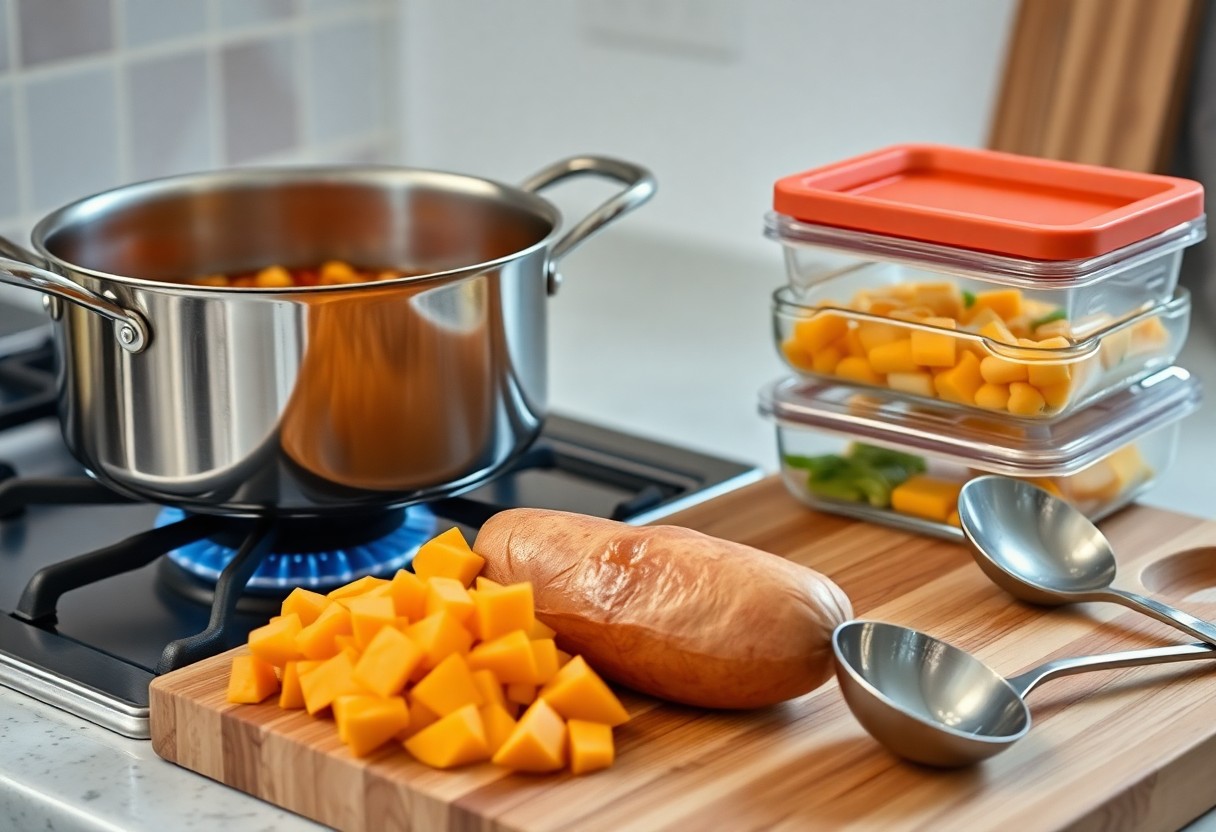
To streamline weekly cooking, you can batch-cook 2-4 one-pot meals and portion into 1-2 cup servings for easy lunches;
- Set aside 60-90 minutes twice weekly to prep proteins, grains, and veg
- Label containers with date and contents and follow FIFO (first in, first out)
- Cool dishes within 2 hours and store at ≤40°F (4°C) to slow bacterial growth
After you rotate and reheat meals safely to 165°F (74°C), you’ll cut waste and save time.
Making Ahead
When prepping, aim to cook staples in bulk: 1 cup dry brown rice yields ~3 cups cooked and keeps 3-4 days refrigerated or up to 6 months frozen; batch-cook 2-3 pounds of lean protein to stretch across 3-5 meals, and par-roast vegetables to save 15-30 minutes at dinnertime while maintaining texture.
Proper Storage Techniques
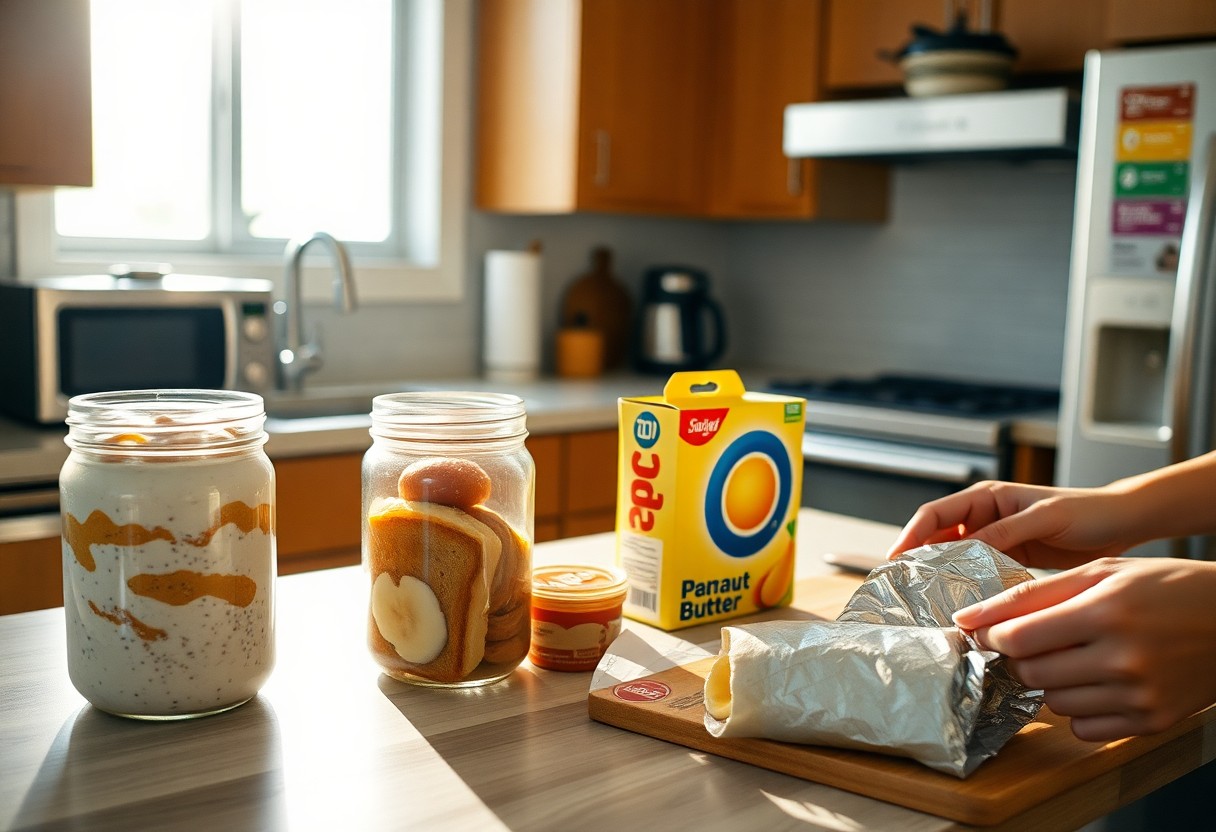
Store portions in airtight glass or BPA-free containers to prevent flavor transfer and use shallow containers (under 2 inches deep) to cool foods faster; keep sauces separate to avoid sogginess, refrigerate within 2 hours, and plan to eat refrigerated meals within 3-4 days or freeze for 2-3 months for best quality.
Use vacuum sealing or freezer-grade bags to minimize freezer burn and label with date and contents; leave ½-1 inch headspace for liquids, thaw frozen meals in the fridge 24-48 hours before reheating to 165°F (74°C), and for quicker use, employ cold-water thawing or microwave defrost followed by immediate reheating.
Customizing Your One-Pot Recipes
You can tweak one-pot meals for time, flavor, and portion size without losing balance: halve a recipe by reducing liquid about 25% and cutting cooking time roughly 20-30%, or double it but increase simmer time by 5-10 minutes and stir more often to prevent hot spots; swap proteins like 8 oz (225 g) chicken for 1 can of beans to boost fiber, and sear aromatics first to deepen flavor before adding liquid for consistent results.
Flavor Variations
Try regional twists: add 1 tbsp soy sauce and 1 tsp toasted sesame oil to transform a stew into an Asian-style bowl, swap in 1 tsp smoked paprika and a squeeze of lime for a Mexican edge, or finish with lemon zest and 1 tbsp chopped fresh herbs for Mediterranean brightness; use a 1:3 dried-to-fresh herb ratio and start with 1-2 tsp bold spices for a 4-serving pot, then adjust to taste.
Dietary Adjustments
When adapting for diets, replace gluten grains with 1 cup rinsed quinoa or brown rice, convert animal protein to plant-based by using 14 oz (400 g) firm tofu or 2 cups cooked lentils, and lower sodium by choosing low-sodium broth and cutting added salt by 25-50%; you’ll preserve texture by adjusting liquids and cook time-grains like quinoa need ~15 minutes, brown rice ~40 minutes.
For more detail, increase fiber and protein simultaneously by adding 1 cup cooked lentils (about 18 g protein, ~15 g fiber) to a 4-serving pot, or use 1 can (15 oz/425 g) beans to replace 8-10 oz (225-280 g) meat; reduce oil calories by swapping 1 tbsp oil (~120 kcal) for 2 tbsp vegetable or chicken stock when sautéing. If using frozen vegetables, add them in the last 5-8 minutes to avoid overcooking, and pre-soak dry beans to cut their stovetop cooking time by up to half.
To wrap up
Ultimately you can simplify meal planning and improve nutrition with healthy one-pot recipes for everyday cooking. By choosing whole grains, lean proteins, seasonal produce and balanced spices, you build satisfying meals that save time and reduce cleanup. With simple techniques and smart swaps, you maintain flavor while supporting your health and busy schedule.

Leave a Reply