
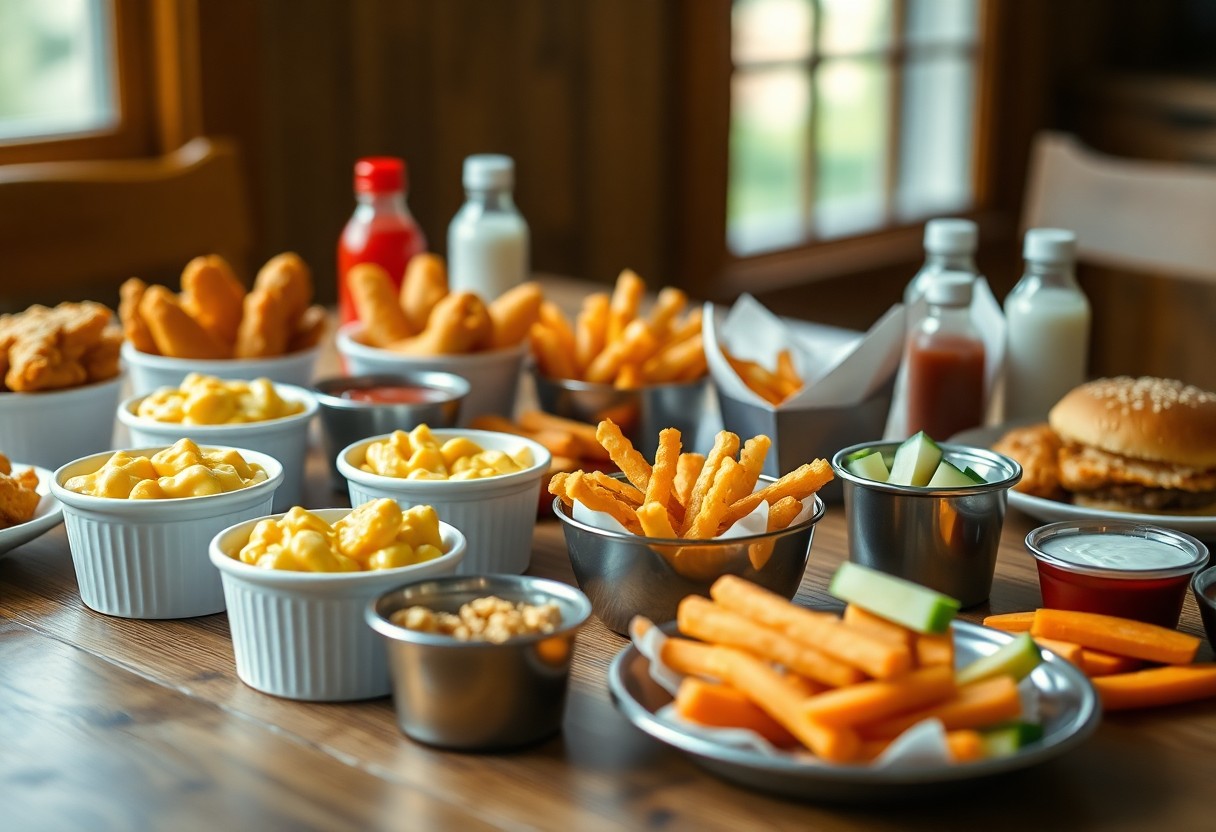
It’s possible to make kid-friendly meals that also satisfy adult tastes by focusing on balanced nutrition, simple upgrades, and bold but familiar flavors; you can streamline mealtime with versatile recipes like roasted vegetable quesadillas, upgraded mac and cheese, and sheet-pan dinners.
Key Takeaways:
- Simple, familiar flavors with grown-up tweaks-herbs, roasting, and bold sauces make dishes appealing to both kids and adults.
- Balanced nutrition presented playfully: incorporate vegetables, whole grains, and lean proteins in colorful, tasty formats.
- Family-friendly flexibility: involve kids in prep and offer customizable toppings and sides so everyone tailors their plate.
Nutritional Balance
Balance your plate so half is vegetables, a quarter is lean protein and a quarter is whole grains; aim for 20-35% of calories from healthy fats and 20-30% from protein. You can meet needs for fiber, calcium, iron and vitamin D by rotating dairy or fortified alternatives, leafy greens, beans and fatty fish twice weekly. Tracking portions with hand-sized servings helps keep meals kid-sized yet satisfying for adults.
Incorporating Vegetables
Start by offering two vegetable colors at every meal and sneak purees into sauces at a 1:3 ratio to maintain familiar textures. You should roast carrots, sweet potatoes and bell peppers to boost sweetness and steam greens lightly to preserve nutrients. Aim for half your plate or 1-2 cups per meal for young children, scaling portions up for older kids and adults to meet daily fiber goals.
Lean Proteins
Prioritize lean cuts-skinless chicken, turkey, white fish, lean pork, beans, lentils and firm tofu-to deliver protein with less saturated fat. Serve about 2-4 ounces for school-aged children and 3-6 ounces for adults, targeting roughly 20-30% of daily calories from protein. You can rotate animal and plant options across the week to balance iron, zinc and amino-acid variety.
Marinate and bake or grill proteins to add flavor without excess oil; try turkey meatballs, baked salmon fingers or black bean sliders for broad appeal. Combine plant proteins-rice plus beans or hummus with whole-wheat pita-to create complete amino-acid profiles, and pair iron-rich choices with vitamin C (tomato salsa, orange slices) to boost absorption. Freeze labeled portions for fast weeknight reheats and consistent servings.
Creative Breakfast Ideas
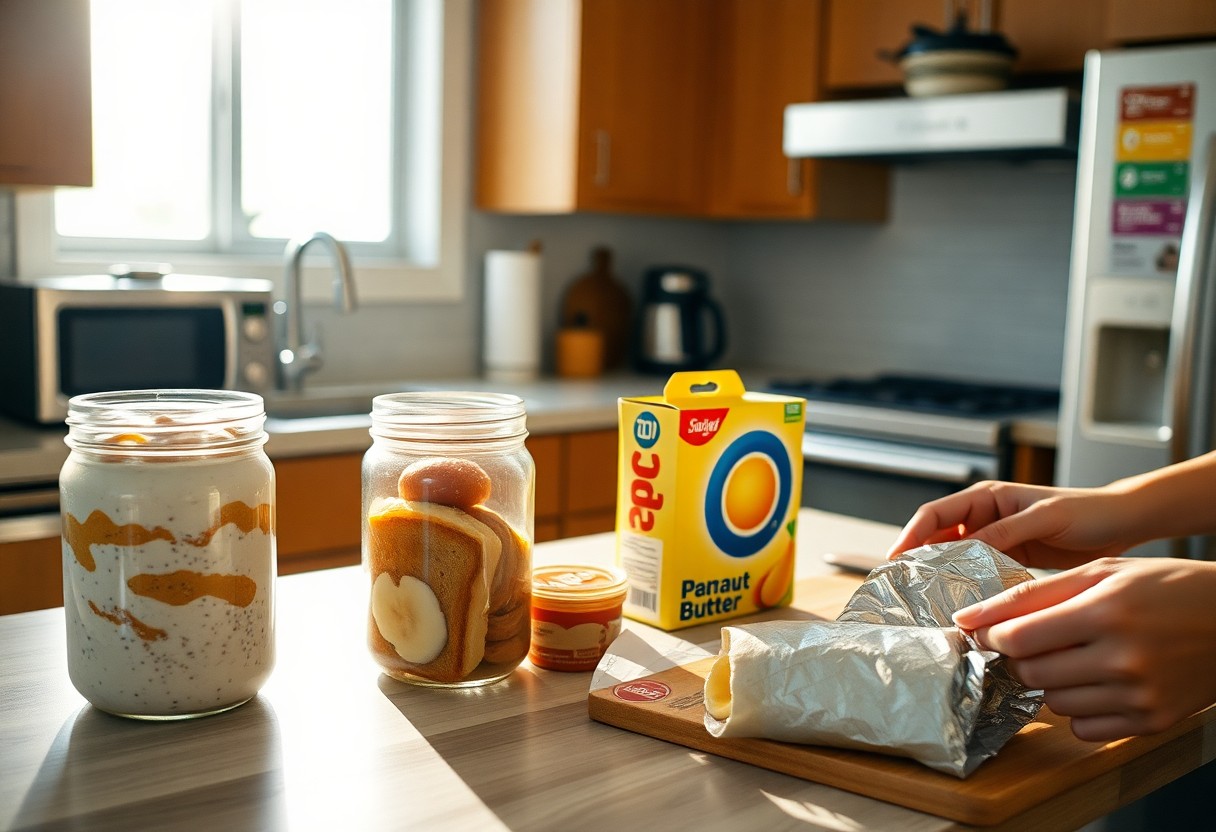
You can rotate five quick, kid-friendly breakfasts-overnight oats, mini frittatas, whole-grain waffles, yogurt parfaits, and smoothies-to keep mornings varied; aim for 8-10 minutes of active prep and prep components the night before like portioned fruit or grated cheese. Offering one protein plus one fruit or veg helps meet morning needs, and involving your kids in assembly increases the chance they’ll eat more.
Fun Smoothies
Try a green smoothie: blend 1 cup spinach, 1 banana, 1/2 cup Greek yogurt, 1/2 cup milk, 1 tablespoon chia seeds and 4-6 ice cubes for 2 kid-sized servings; blend 45-60 seconds until smooth. You can swap spinach for 1/2 cup frozen peas to hide extra veggies, add 1 teaspoon honey for children over 1 year, or toss in 1/4 cup oats to thicken and add fiber.
Healthy Pancakes
Make healthy pancakes with 1 cup oat flour, 1 cup milk, 1 large egg, 1 teaspoon baking powder and a mashed banana for sweetness; this batter yields about 8-10 small pancakes and cooks 2-3 minutes per side on medium heat. You can fold in 1/2 cup grated apple or carrot for added fiber and serve with nut butter or Greek yogurt instead of syrup.
If you double the batch you can freeze individual pancakes for up to 2 months-cool, stack with parchment, and store in a freezer bag. Reheat 20-30 seconds in the microwave or 3-4 minutes in a 350°F toaster oven. To boost protein, stir 2 tablespoons powdered milk or 1/4 cup cottage cheese into the batter, or use a flax egg (1 tbsp ground flax + 3 tbsp water) to make them vegan-friendly.
Wholesome Lunch Options
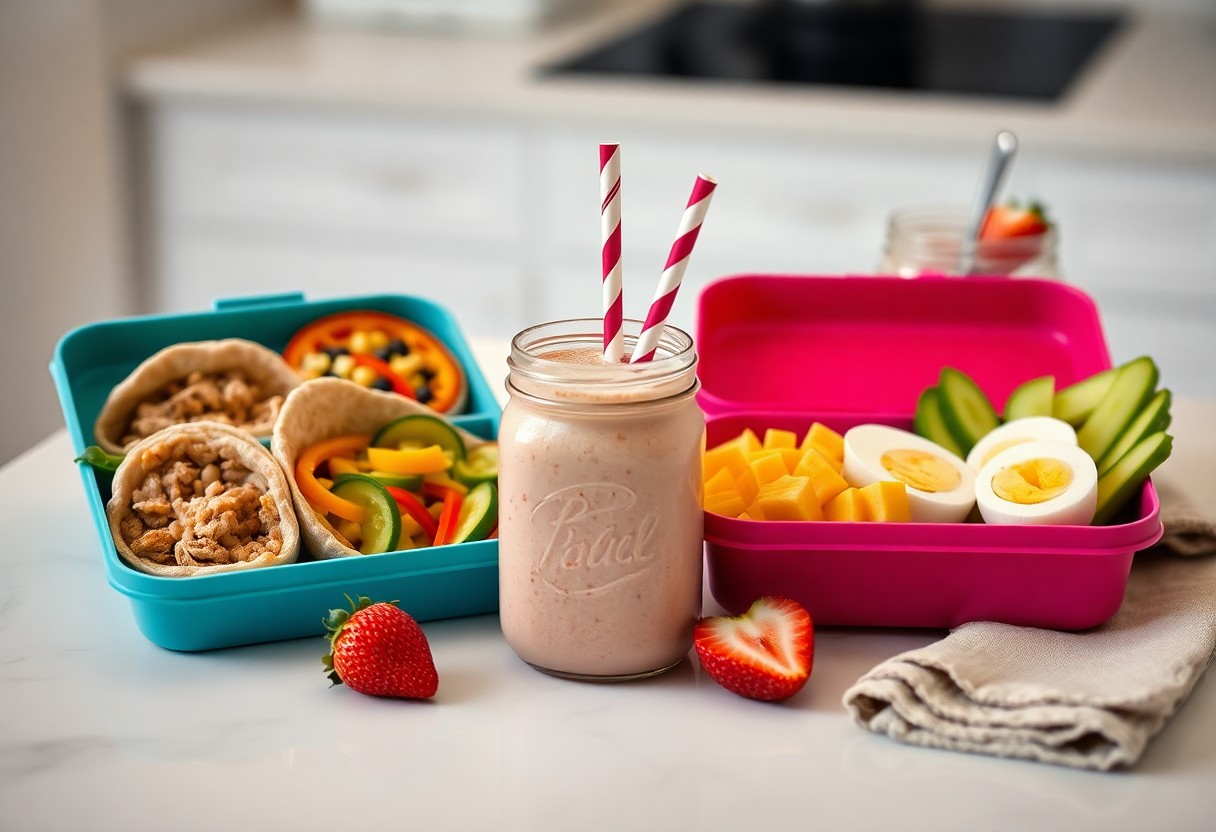
Switch up midday meals with a rotation of salads, wraps, and bento-style boxes that aim for 400-600 kcal and 20-30 g protein; choose one main, a generous vegetable portion, a whole-grain side, and a fresh fruit to keep energy steady through the afternoon. Try rotating 4-5 templates weekly-wraps, grain bowls, soup-and-sandwich combos, veggie-forward pasta, and protein-packed salads-to simplify shopping and boost variety.
Colorful Wraps
Start with an 8-inch whole-grain tortilla (often 2-4 g fiber), spread 1-2 tbsp hummus or mashed avocado, add 3 oz turkey breast (~21 g protein) or ½ cup black beans (~7 g protein), plus spinach, shredded carrot, and roasted red peppers for color. Press and grill 1-2 minutes per side to meld flavors, or slice into pinwheels for a kid-friendly presentation; swapping smoked salmon or marinated tempeh offers adult-friendly depth.
DIY Lunchables
Assemble balanced compartments: 3 oz sliced protein (chicken, turkey, or tofu), 1-2 oz cheese, 4-6 whole-grain crackers, ½ cup raw veggies, and ½ cup fruit-this typically delivers ~20-30 g protein and controlled portions. Use a bento box to keep textures separate, label containers for allergens, and let kids customize their combos to increase acceptance while you enjoy the convenience and control over sodium and added sugar.
For prep, batch-cook proteins twice weekly and portion into 3-4 oz servings; refrigerate cooked meats and dairy no more than 3-4 days at ≤40°F. Pack with an ice pack if lunch sits 4+ hours, and swap components-e.g., falafel + tzatziki + cucumber or smoked salmon + cream cheese + cucumber-to accommodate allergies and adult palates while keeping portions sensible.
Satisfying Dinner Recipes
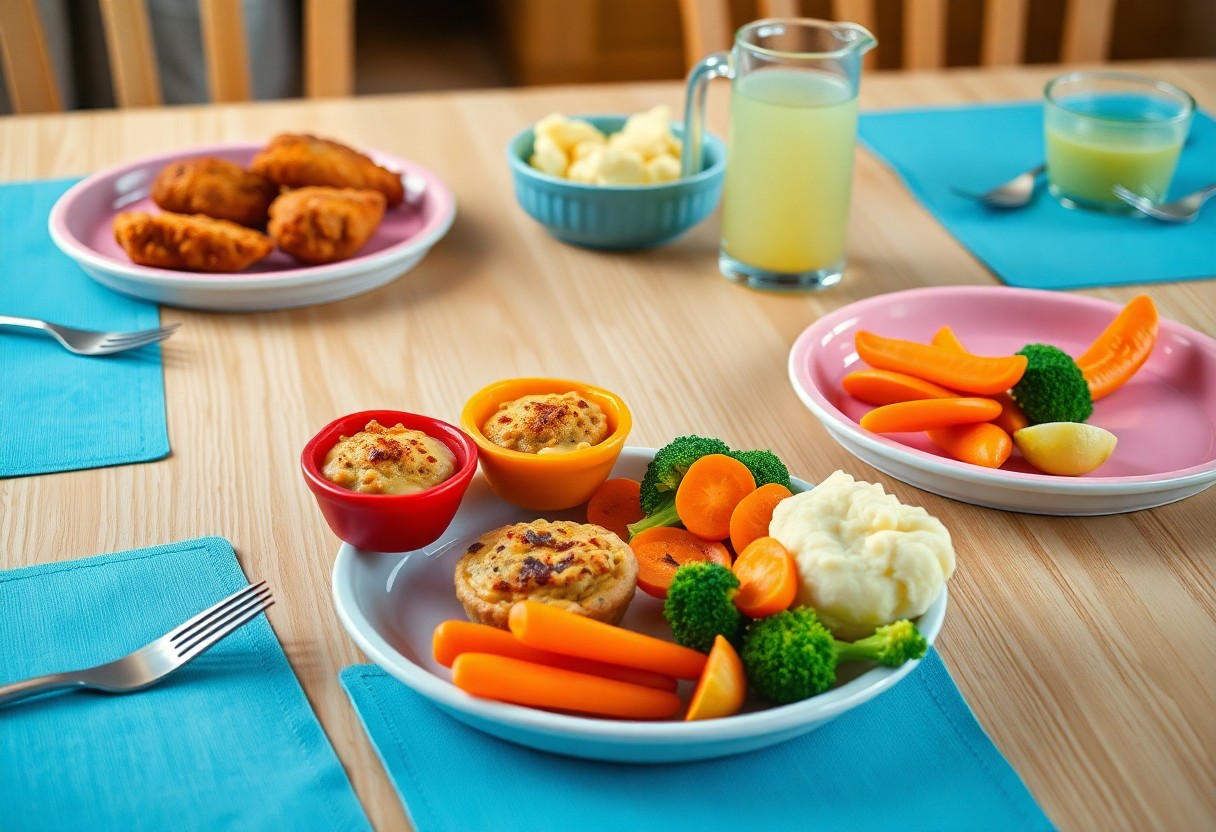
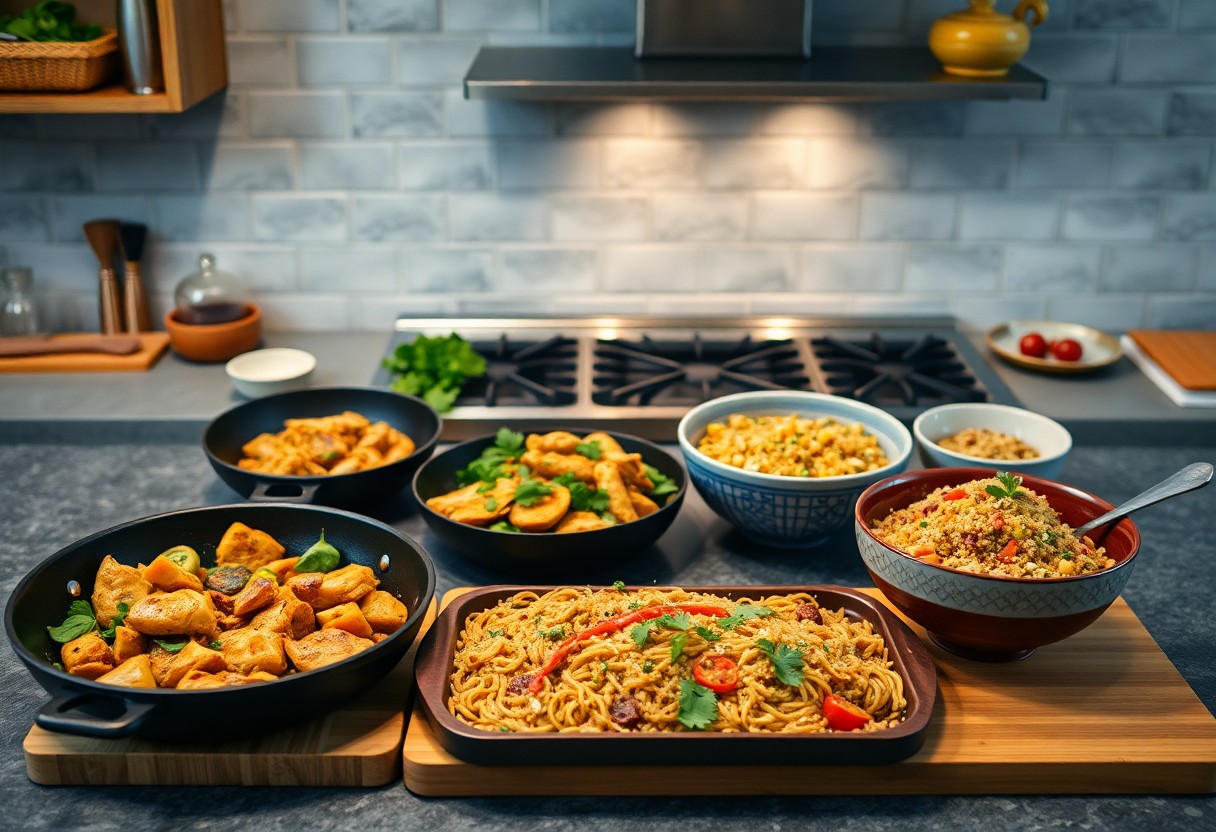
When you plan weeknight dinners, rotate sheet-pan roasts, skillet stir-fries, and slow-simmered stews that target 400-700 kcal and 20-35 g protein per plate; try a 30-minute chicken fajita sheet pan (serves 4, ~25-30 g protein each), baked salmon with roasted broccoli (about 22 g protein per 3 oz cooked), or a 3-hour beef stew that yields 6 portions for easy leftovers.
One-Pot Meals
You can save time and dishes with one-pot recipes like a 30-minute jambalaya, a red-lentil dal that reheats well, or a Dutch-oven chicken and rice that makes six servings; brown 3-4 oz of protein first, add aromatics, then deglaze to lift fond-expect roughly 20-35 g protein per serving when you include meat or legume-based pasta.
Family-Friendly Pastas
You’ll please both kids and adults by pairing whole-grain or regular pasta with crowd-pleasing sauces-turkey Bolognese over whole-wheat spaghetti, creamy butternut squash rigatoni, or penne with roasted cherry tomatoes and 3-4 oz grilled chicken; aim for about 1-1.5 cups cooked pasta and 20-30 g protein per serving to keep meals satisfying but balanced.
You can boost nutrition by swapping in legume pastas (often 12-20 g protein per 2 oz dry) or adding 3 oz cooked chicken, shrimp, or a can of cannellini beans; batch-cook sauce (a typical batch yields ~8 cups for 4-6 meals), roast vegetables at 425°F for 20-25 minutes for deeper flavor, and finish with lemon zest or grated Pecorino to introduce adult-friendly notes without losing kid appeal.
Tasty Snacks for All Ages
Snack time can bridge meals and keep energy steady; aim for 150-250 kcal per serving and 5-12 g protein. Rotate mini cheese-and-cracker plates, air-popped popcorn (3 cups ≈100 kcal), yogurt tubes, sliced fruit with nut butter, and frozen yogurt bark for variety. Measure portions for younger kids and offer family-style bowls so you and the kids can pick combinations that satisfy both picky palates and adult tastes.
Fruit and Nut Combinations
Combine one medium apple with 2 tbsp peanut butter (≈200 kcal, 7 g protein) or mix 1/4 cup almonds with 1/4 cup dried cherries for a portable 220-250 kcal option. You can also make 1-oz trail mixes with 1/4 cup nuts, 2 tbsp seeds, and 2 tbsp dried fruit for sustained energy; chop nuts or swap to ground nut butters for children under four to reduce choking risk.
Veggie Dips
Turn raw vegetables into a crowd-pleaser by pairing sliced bell peppers, cucumber rounds, cherry tomatoes, and snap peas with hummus, tzatziki, or a Greek yogurt herb dip. Two tablespoons of hummus are about 50 kcal and 2 g protein; a 1/4-cup Greek yogurt dip provides roughly 40 kcal and 6 g protein. Offer veggie sticks in bento cups or on skewers to make dipping easy for both kids and adults.
For a quick yogurt dip, whisk 1 cup 0% Greek yogurt with 1 tbsp lemon juice, 1 tbsp olive oil, 1 tsp dried dill, and one minced garlic clove-this yields four 1/4-cup servings at about 5-6 g protein each and keeps 3-5 days refrigerated. If you prefer hummus, blend one 15-oz can chickpeas, 2 tbsp tahini, 1 tbsp lemon juice, 1 clove garlic, and 1-2 tbsp water; two-tablespoon servings are roughly 50 kcal and travel well for packed snacks.
Dessert Alternatives
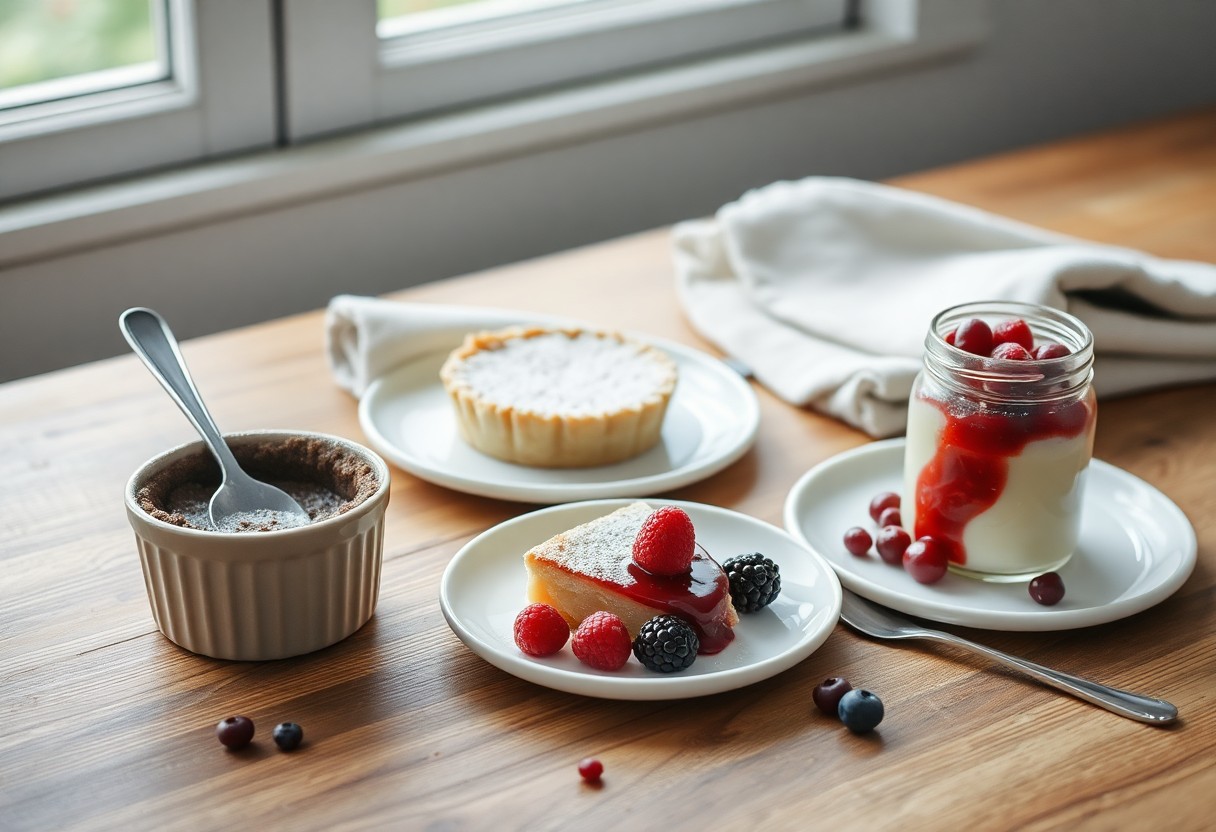
Swap ice cream for frozen Greek-yogurt bark made with 2 cups Greek yogurt and 1 cup mixed berries-about 120-150 kcal and 8-10 g protein per 100 g serving-and use 70% dark chocolate for dipped strawberries to cut added sugar. You can also portion desserts into 100-150 kcal servings, like mini baked apples with cinnamon or single-serve chia pudding, to satisfy sweet cravings without undoing a balanced meal.
Fruit-Based Treats
Blend frozen bananas into “nice cream”-one medium banana supplies ~105 kcal and 3 g fiber-and stir in 1 tbsp peanut butter for extra richness and ~4 g protein. Roast apple wedges with a sprinkle of cinnamon and 1 tsp maple (one medium apple ≈95 kcal, 4 g fiber) for a warm option, or assemble fruit kabobs with 2 tbsp Greek yogurt dip to keep portions around 100-150 kcal.
Healthier Cookies
Try three-ingredient oat cookies: 2 ripe bananas mashed, 2 cups rolled oats, 1/2 cup nut butter-bake into 12 cookies at roughly 90 kcal and 3-4 g protein each. Use almond flour for 25-50% of the dry mix to boost healthy fats, and replace half the sugar with unsweetened applesauce to cut added sugar without sacrificing texture.
Preheat oven to 350°F (175°C) and bake 12-14 minutes for chewy, evenly cooked cookies; flatten dough slightly for consistent results. Swap sunflower seed butter to make them nut-free and use a flax egg (1 tbsp ground flax + 3 tbsp water) if you need eggless cookies. Store cooled cookies 3-4 days refrigerated or freeze portions up to 3 months so you can grab a controlled 60-100 kcal treat on busy days.
Final Words
Conclusively, choosing kid-friendly meals that appeal to adults lets you simplify meal planning without sacrificing flavor or nutrition. By focusing on balanced ingredients, adaptable seasonings, and creative presentation, you can satisfy diverse palates and promote healthy habits at the table. With a few reliable recipes and smart swaps, your family meals become more enjoyable and efficient while still tasting grown-up.

Leave a Reply