
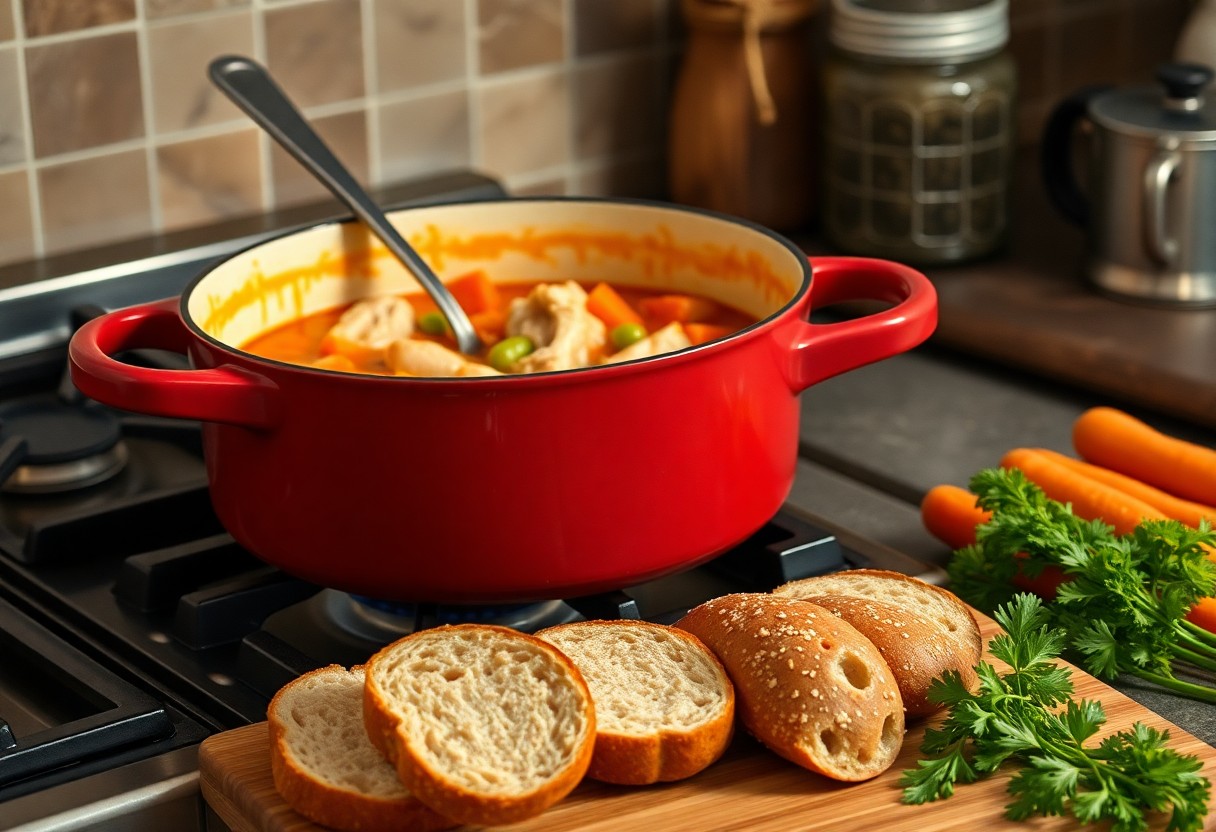
Most weeknight dinnertime stress disappears when you rely on one-pot family meals that simplify cooking, reduce cleanup, and still deliver balanced, flavorful dishes. This guide gives practical techniques, ingredient swaps, and timing strategies so you can plan versatile, nutritious meals that suit your family’s tastes and free up your evening for more meaningful time together.
Key Takeaways:
- Cut cooking time and cleanup by combining protein, grains, and vegetables in a single pot for fast, balanced family dinners.
- Rely on pantry staples and simple ingredient swaps to adapt meals for tastes, budgets, and dietary needs.
- Use basic techniques-stagger cooking times, follow proper liquid ratios, and finish with herbs, acid, or cheese-to boost flavor and texture.
The Benefits of One-Pot Meals
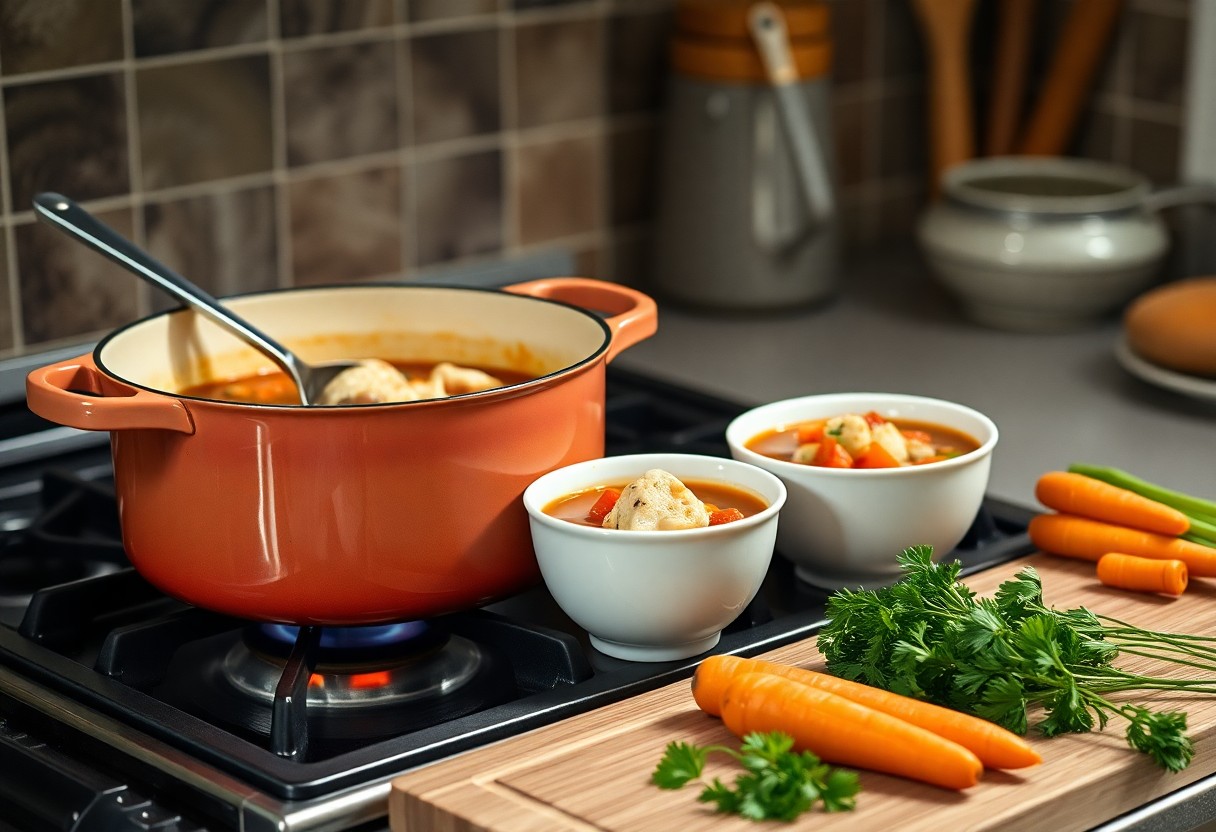
You streamline weeknight cooking by combining prep, cooking, and cleanup in a single vessel; many one-pot recipes finish in 20-40 minutes and can cut dishwashing time by roughly 50-70%. You also stretch ingredients-one large pot can feed 4-6 people with leftovers for 2-3 lunches-while lowering grocery costs when you convert bones, scraps, and pantry staples into nourishing stews and casseroles.
Time-Saving Convenience
You reduce active hands-on time to 10-20 minutes with techniques like quick sautés and single-pot simmering, leaving 15-40 minutes for unattended cooking. For example, a 30-minute chicken-and-rice skillet requires about 12 minutes prep and one pan to wash, so you spend less time at the stove and more time on homework, errands, or family time.
Nutritional Advantages
You preserve and capture nutrients by cooking vegetables, grains, and proteins together so soluble vitamins and minerals remain in the broth or sauce you consume. Combining foods in one pot also boosts macronutrient quality-one cup cooked lentils supplies ~18 g protein and a cup of brown rice adds ~5 g, improving amino-acid balance when served together.
You can design one-pot meals to meet dietary goals: pairing 1-2 cups of mixed vegetables per pot delivers multiple servings of fiber and micronutrients, while legumes plus whole grains create complete protein for vegetarian families. Additionally, homemade stocks and sauces let you control sodium-commercial canned soups often exceed 800 mg sodium per cup, whereas a homemade pot can stay below 300 mg-so you reduce processed ingredients while increasing fiber, iron, and bioavailable nutrients extracted during slow simmering.
Essential Kitchen Tools for One-Pot Cooking
To keep your weeknight routine efficient, outfit your kitchen with pieces that cover sautéing, simmering, braising and oven finishing: think a 6-7 quart Dutch oven, a 12-inch heavy skillet, and a 2-3 quart saucepan with a tight-fitting lid; each should be oven-safe to at least 450°F and offer even heat distribution so you can sear, deglaze, and bake without switching pans.
Recommended Cookware
You’ll want a 6-quart enameled cast-iron Dutch oven for stews and roasts, a 12-inch stainless or hard-anodized skillet for browning, and an 8-quart stockpot for big batches; add a 2-3 quart saucepan for sauces. Prioritize materials with good thermal mass and nonreactive surfaces-stainless or enameled cast iron-plus lids that seal well to trap steam and concentrate flavors.
Helpful Utensils
Equip your prep station with a heat-resistant silicone spatula, 12-inch stainless tongs, a wooden or silicone spoon for stirring, a slotted spoon for lifting solids, and a 3-4 inch chef’s knife; include an instant-read thermometer (reads in ~3 seconds) so you hit safe temperatures without overcooking.
For deeper utility, add a small whisk for pan sauces, a ladle sized to your pot volume, a microplane for citrus and cheese, and oven mitts rated for high heat; choose utensils with long handles (10-12 inches) and silicone heads rated to 500°F to protect enameled surfaces and keep your workflow smooth.
Essential Ingredients for One-Pot Dishes
When you stock your pantry for one-pot cooking, prioritize multi-use items that build layers of flavor and stretch across meals: canned whole tomatoes (28 oz), low-sodium stock (32 oz), dried pasta (16 oz), 1-2 cups rice, a 15‑oz can of beans, plus aromatics like 2-3 onions and 6 garlic cloves. Add olive oil, butter, a 13.5‑oz coconut milk, and a jar of tomato paste to convert basic recipes into family-ready dinners.
Staples to Keep on Hand
Keep two 32‑oz cartons of stock, two 28‑oz cans of tomatoes, a 16‑oz pasta, 2 cups long-grain rice, 1 lb dried beans, a jar of tomato paste, olive oil, butter, 6 eggs, lemons, a block of Parmesan, and a small jar of curry paste. These items let you turn stews, casseroles, curries and one-pot pastas into dinner in 20-45 minutes with minimal shopping.
Flavor Enhancers
Layer flavor with salt, acid, and umami: use kosher salt to taste, add 1-2 tablespoons soy or fish sauce for depth, stir 1 tablespoon miso into broth, and finish with 1-2 teaspoons vinegar or lemon juice per pot. Fresh herbs like parsley or cilantro brighten finished dishes, while bay leaves or thyme add steady background notes during simmering.
You can toast whole spices 30-60 seconds to release oils before adding liquids, drop a Parmesan rind into soups for glutamate-rich richness, deglaze with 1/4 cup wine or stock to lift fond, and swirl in 1 tablespoon butter at the end for silkiness. Start with 1 teaspoon acid per serving and adjust; small, targeted additions transform simple one-pot meals into layered, restaurant-quality dishes.
Family-Friendly One-Pot Recipes
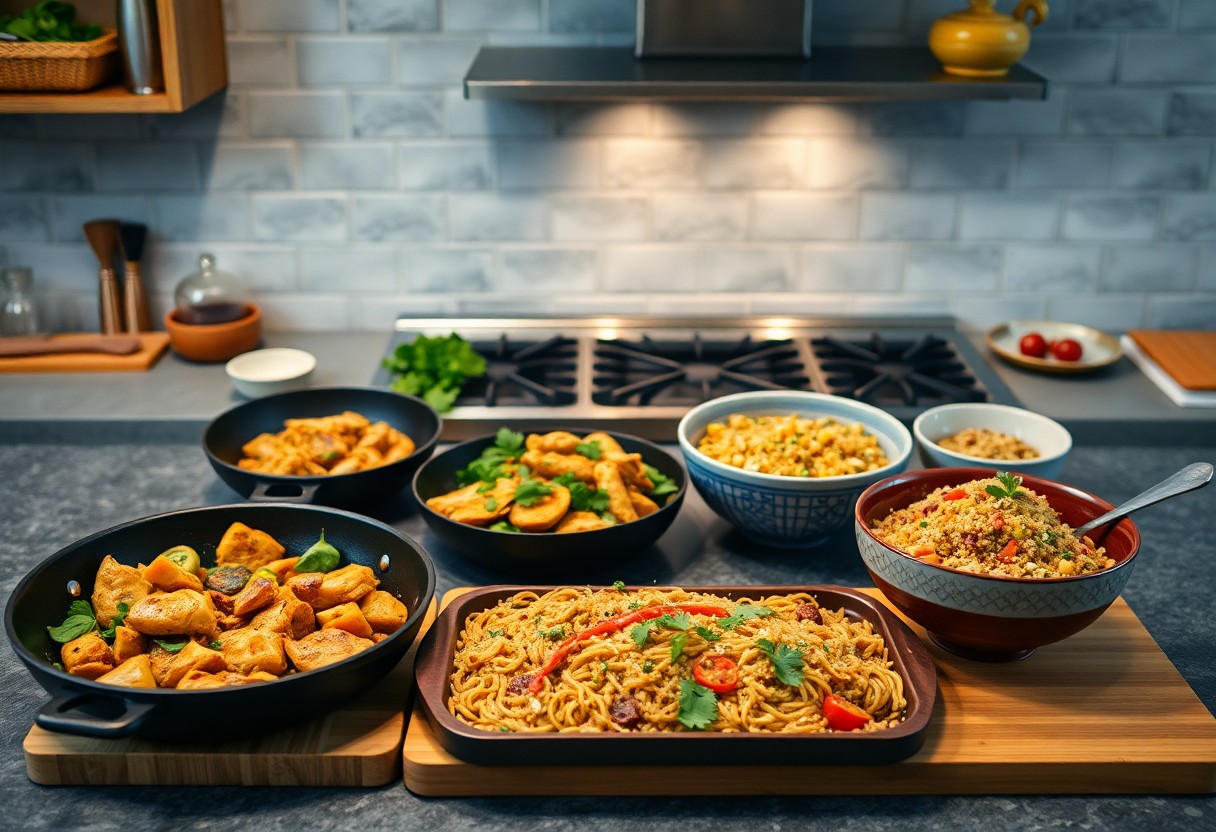
You can feed a family of 4-6 with minimal cleanup by choosing one-pot recipes like chicken-and-rice skillet, turkey chili, or pasta primavera. Use 30-45 minute weeknight formulas for lean proteins and 2-3 hour braises for weekends; leftovers store well for 2-4 days and freeze in 1-2 cup portions for quick reheats. Prioritize recipes that balance protein, veg, and whole grains so you hit nutrition targets without extra dishes.
Hearty Meat Dishes
When you pick cuts, opt for quick-cook (chicken thighs, pork tenderloin) for 25-35 minute meals or tougher cuts (short ribs, chuck) for 2-3 hour braises that serve 6-8. Brown meat first to build flavor, deglaze with 1 cup stock or wine, then simmer with 1-2 cups vegetables and 2-3 herbs; examples include beef-and-barley stew and chicken cacciatore, which reliably please picky eaters and adults alike.
Vegetarian and Vegan Options
Try lentil bolognese, chickpea tikka, or a one-pot ratatouille that cooks in 20-40 minutes and yields 4-6 servings. Use 1 cup dried lentils (about 18 g protein per cooked cup) or two 15-oz cans of beans for protein, swap dairy for 1 cup coconut milk or 3 tbsp nutritional yeast for creaminess, and boost umami with 1-2 tbsp tomato paste or soy sauce.
To deepen vegan flavors, combine legumes with grains-1 cup cooked lentils plus 1/2 cup brown rice gives complete amino acids-and sear mushrooms or roast eggplant first for caramelization. Add 1-2 tbsp miso dissolved in 2 tbsp water or 1 tbsp soy sauce for savory depth, and use canned beans to cut cook time to 5-10 minutes when you need dinner ready in under 30 minutes.
Tips for Perfecting One-Pot Meals
Hone a few repeatable techniques to raise every dish: brown proteins 2-4 minutes per side to build fond, deglaze with 1/4-1/2 cup wine or stock to lift browned bits, season in layers and adjust salt at the end, and give stews 5-10 minutes off-heat to settle flavors; choose a 4-6 quart heavy-bottomed pot for even heat and reduce liquid gradually to control concentration.
- Brown first, then sweat aromatics 3-5 minutes.
- Deglaze with 1/4-1/2 cup liquid after browning.
- Add hardy herbs early, delicate herbs just before serving.
- Use an instant-read thermometer for proteins (165°F for poultry).
Layering Flavors
You should toast whole spices 30-60 seconds, sauté onions and garlic until translucent (3-5 minutes), then add ground spices another 30-60 seconds to bloom oils; incorporate 1-2 tbsp soy sauce or 1 tsp anchovy paste for umami, finish with 1 tbsp lemon juice or 1-2 tsp vinegar and 2-4 tbsp chopped fresh herbs to brighten, and match profiles like smoked paprika with chorizo or basil with tomato for clear flavor direction.
Managing Cooking Times
You can stagger ingredient additions: add root vegetables 20-25 minutes before finish, chicken breasts 12-15 minutes, thighs 20-25; white rice typically needs 18 minutes covered with a 2:1 liquid ratio, brown rice 40-45 minutes, and lentils 20-25 minutes; rely on an instant-read thermometer and visual checks to avoid overcooking.
Sear chicken 3-4 minutes per side, remove, sauté onion 3-4 minutes, toast 1 cup rice 1-2 minutes, add 2 cups stock, nestle chicken back in and simmer covered 18-20 minutes before a 1-2 minute uncover to concentrate sauce. Thou should let the pot rest 5-10 minutes to finish steaming and firm the grains.
Creative Variations on One-Pot Meals
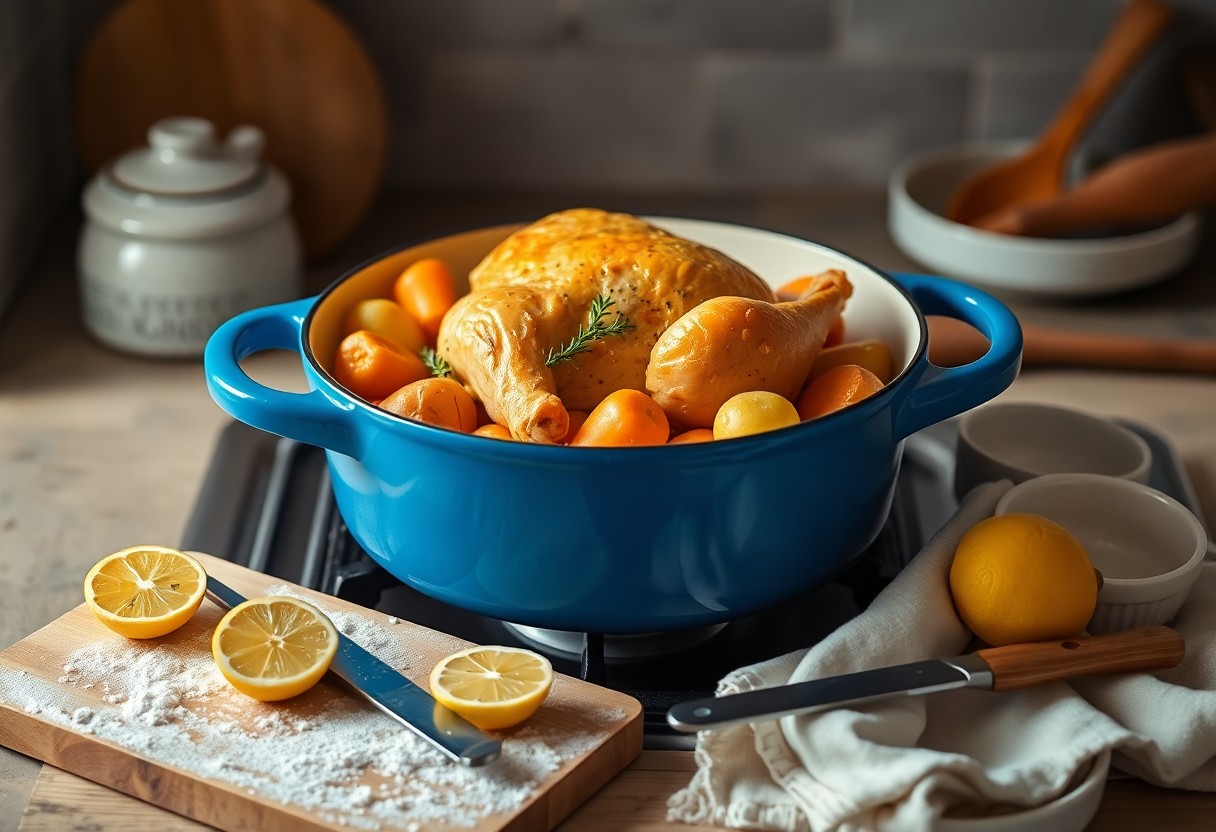
Shift ingredients and techniques to keep weeknight dinners exciting: swap rice for farro, chicken for canned chickpeas, or broth for coconut milk to change texture and depth. Use a 12-inch skillet for 4 people or a 6-quart Dutch oven for longer braises. Small swaps-3-4 new spices, a splash of acid, or a 10-15 minute extra simmer-can turn a familiar recipe into something new without adding steps.
Global Inspirations
Travel through flavor without extra prep: make a Moroccan-style chicken with cumin, coriander, and preserved lemon (45 minutes), a Japanese donburi with a 10-minute soy-mirin glaze, Mexican pozole with hominy and chiles that feeds 6, or an Indian yellow dal using 1 cup lentils simmered 25-30 minutes. You can keep 3-5 pantry spice blends to rotate weekly for instant variety.
Seasonal Adaptations
Match produce to technique: spring asparagus and peas need 3-5 minutes at the end, summer tomatoes benefit from a quick 10-15 minute stew to concentrate sugars, fall squash roasts 20-30 minutes before combining, and winter root vegetables require a 40-60 minute braise. You should reduce liquid by about 25% for water-rich summer produce to avoid a watery finish.
For example, in spring swap 1 cup frozen peas for 2 cups fresh and add them in the last 4 minutes; in summer cut 1/4 cup broth when using 2-3 cups ripe tomatoes; for fall, brown 1-2 lb cubed squash 10 minutes before simmering to caramelize sugars; in winter, use a 5-6 quart pot and braise beef 90-120 minutes for deep flavor. Aim for ~1 lb protein per 2-3 adults to scale portions.
Summing up
Considering all points, you can streamline weeknight cooking by relying on one-pot family meals that save time, reduce cleanup, and encourage balanced nutrition; by planning versatile ingredients, mastering basic techniques, and using batch-cooking strategies you’ll feed your family efficiently without sacrificing flavor or variety.

Leave a Reply