
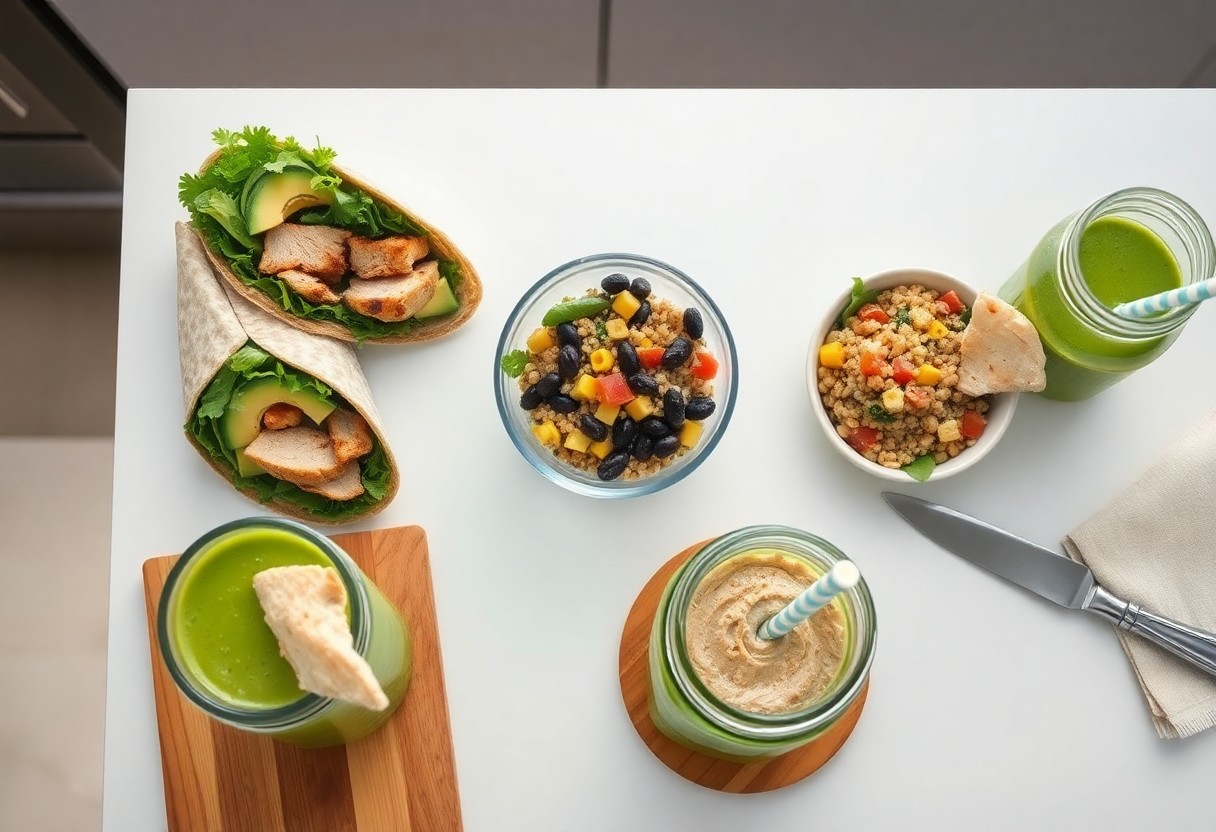
With simple staples, quick techniques, and balanced flavors, you can prepare satisfying lunches that boost your energy and well-being without spending hours in the kitchen. This guide provides practical, time-saving recipes, smart swaps, and clear assembly strategies so you can customize meals for taste and nutrition and consistently enjoy wholesome midday meals that fit your schedule.
Key Takeaways:
- Build balanced, customizable bowls with whole grains, lean protein, and colorful veggies for fast, nutritious lunches.
- Batch-cook staples (grains, roasted veggies, proteins) to simplify weekday assembly and reduce prep time.
- Use smart shortcuts-canned beans, pre-washed greens, microwavable grains, and ready dressings-to keep meals quick and flavorful.
Nutritional Considerations
Importance of Balanced Meals
A balanced lunch helps you sustain energy and focus through the afternoon; aim for roughly 500-700 kcal with 20-30 g protein to extend satiety for 3-4 hours. Pair 1-2 cups of vegetables, ½-1 cup of whole grains, and healthy fats like 1 tbsp olive oil or 10-12 nuts. This combination reduces midafternoon snacking and supports steady blood sugar.
Key Nutrients for Lunch
You should focus on protein, fiber, healthy fats and complex carbs: target 20-30 g protein (e.g., 3-4 oz salmon or 1 cup cooked lentils), 5-10 g fiber (1 cup beans or 2 cups leafy greens), and about 1 tbsp healthy fat like avocado. Include vitamin C-rich fruit to boost iron absorption and a calcium source such as yogurt for bone and muscle support.
Try practical plates: half a bowl of mixed greens plus ½ cup quinoa, 3-4 oz grilled chicken (≈20-25 g protein), 1 cup roasted vegetables, and ¼ avocado delivers protein, fiber, complex carbs and healthy fat in one meal. You’ll get about 6-8 g fiber and 400-600 kcal depending on portions; adding citrus or bell peppers increases vitamin C for better iron uptake from plant sources like lentils.
Quick Lunch Recipes
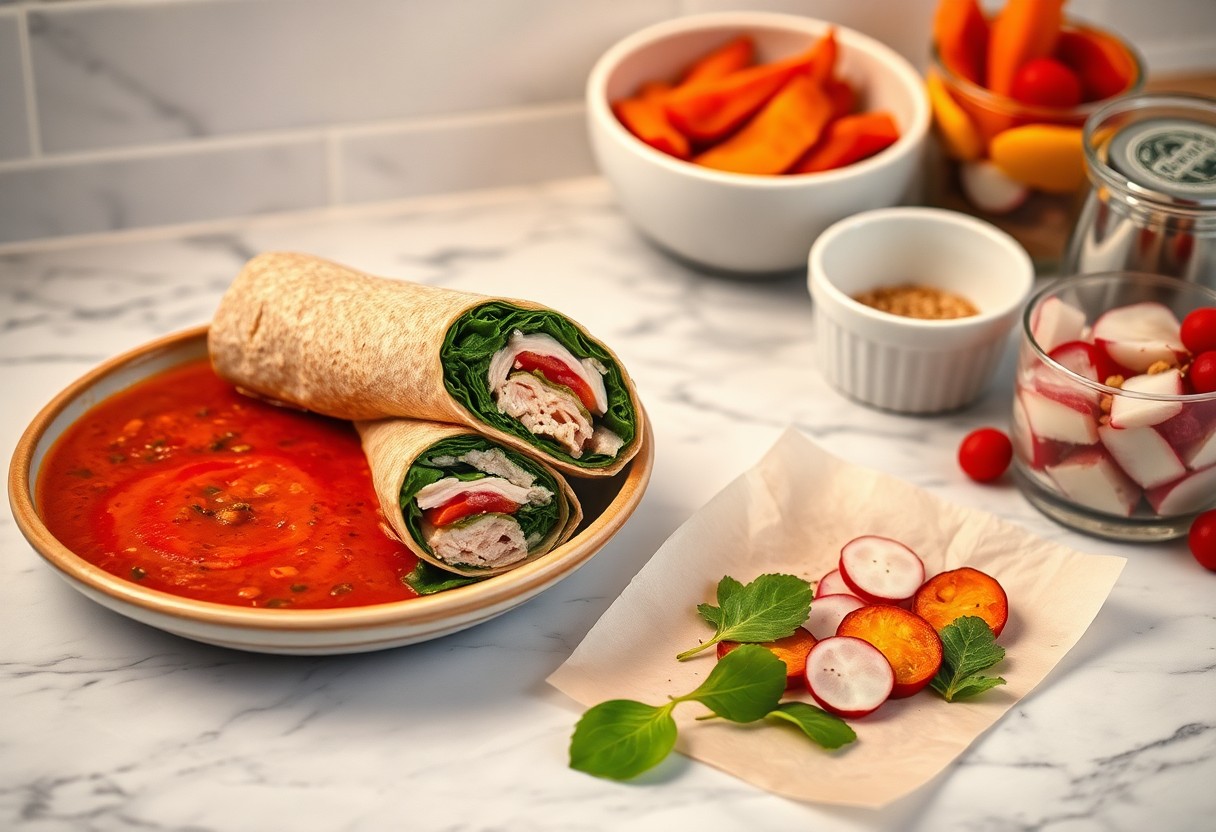
Turn pantry staples into fast, satisfying lunches you can assemble in minutes: wraps in 5, mason-jar salads for three days, or reheated soups from frozen portions. Aim for about 25-35 g protein per meal by pairing 3-4 oz lean protein with 1/2-1 cup cooked grains and plenty of vegetables, and use prepped components to keep assembly under 10 minutes.
10-Minute Salad Ideas
You can build bright, protein-forward salads in 10 minutes using pre-washed greens and pantry proteins: 1 can tuna with 1/2 cup chickpeas, cherry tomatoes, lemon, and 1 tbsp olive oil; or baby spinach, 3 oz rotisserie chicken, avocado, and a mustard vinaigrette. Swap in canned beans, smoked salmon, or hard-boiled eggs to hit ~20-30 g protein quickly.
Easy Grain Bowls
Start with 1 cup cooked base-quinoa, brown rice, or farro-add 3-4 oz protein like baked salmon, tofu, or grilled chicken, then 1 cup roasted or raw vegetables and 1-2 tbsp sauce: tahini-lemon, soy-ginger, or pesto for instant flavor and balance.
Batch-cook 2-3 cups dry grains (1 cup dry quinoa yields ~3 cups cooked; brown rice 1 cup dry ≈ 2-3 cups cooked) so you can portion bowls in under 5 minutes during the week. Use a 1:0.5:1 ratio-1 cup grains : 1/2 cup protein : 1 cup veg-as a guide, store components for 3-4 days refrigerated, and reheat grains with a splash of water for even warmth.
Healthy Wraps and Sandwiches
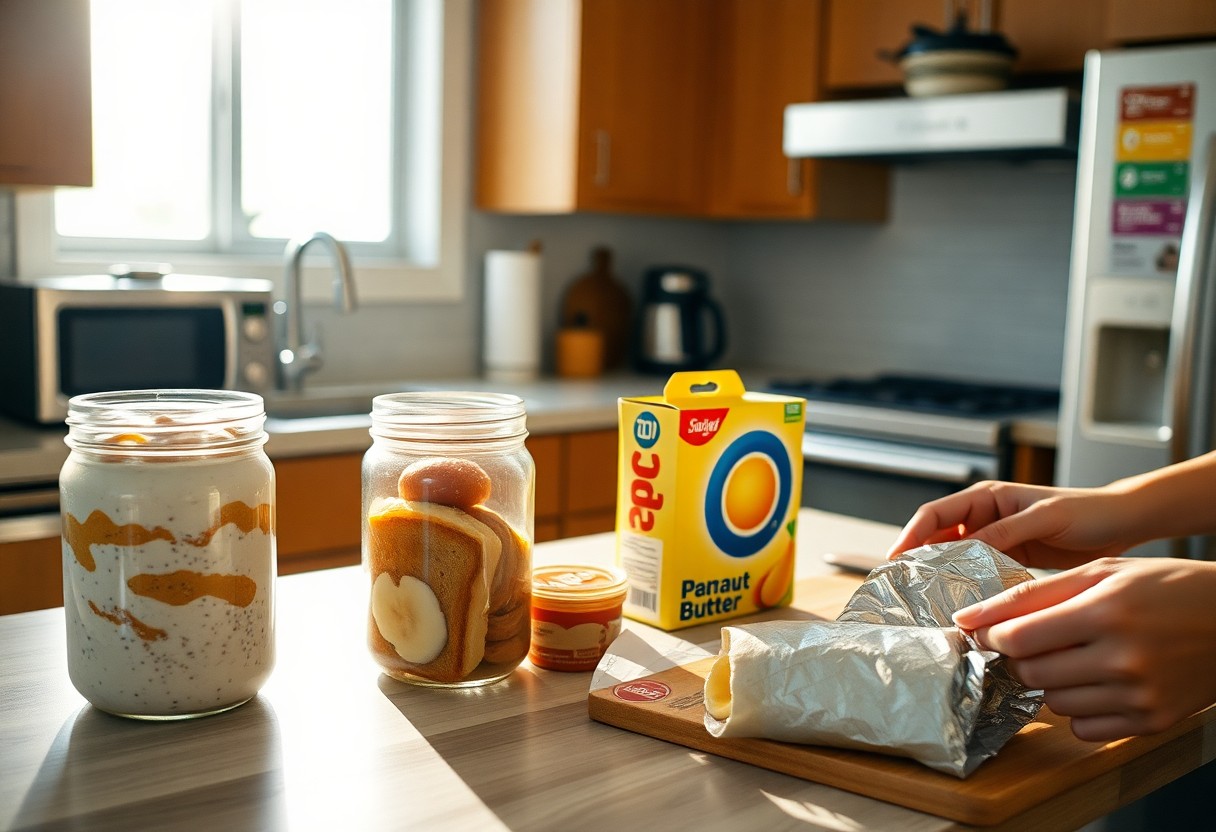
You can build fast, portable lunches that hit protein and veg targets: assemble wraps in 5 minutes using whole-grain tortillas or hearty slices, swap mayo for Greek yogurt or mashed avocado, and aim for 25-30 g protein per meal to keep you full. Use leftovers-grilled chicken, roasted veggies, or canned tuna-to cut prep time, and press or grill briefly for a warm, crunchy finish that improves texture and flavor.
Creative Fillings
Mix textures and flavors: turkey with thin apple slices, arugula, and Dijon; hummus with roasted red pepper, spinach, and crumbled feta; smoked salmon with cucumber, dill, and a smear of low-fat cream cheese. You can also mash white beans with lemon and herbs as a vegan spread that adds fiber and about 6-8 g protein per half-cup. Aim for a veg-to-protein ratio that fills half the wrap with vegetables.
Whole Grain Options
Choose products labeled “100% whole grain” with at least 3 g of fiber per slice or serving; sprouted-grain and whole-rye breads often offer more micronutrients and 4-6 g protein per serving. Whole-grain tortillas and breads hold up better when packed, and swapping refined white bread for whole grain raises fiber intake substantially-helpful if you target roughly 25-35 g fiber daily.
When shopping, scan ingredient lists so whole grain (like “whole wheat,” “whole oats,” or “sprouted wheat”) appears first; you’ll see brands such as Ezekiel or other sprouted loaves that provide extra B vitamins and magnesium. If you buy in bulk, freeze extra slices and toast them before assembling to restore texture without added fat, keeping your lunches convenient and nutrient-dense.
Make-Ahead Lunches
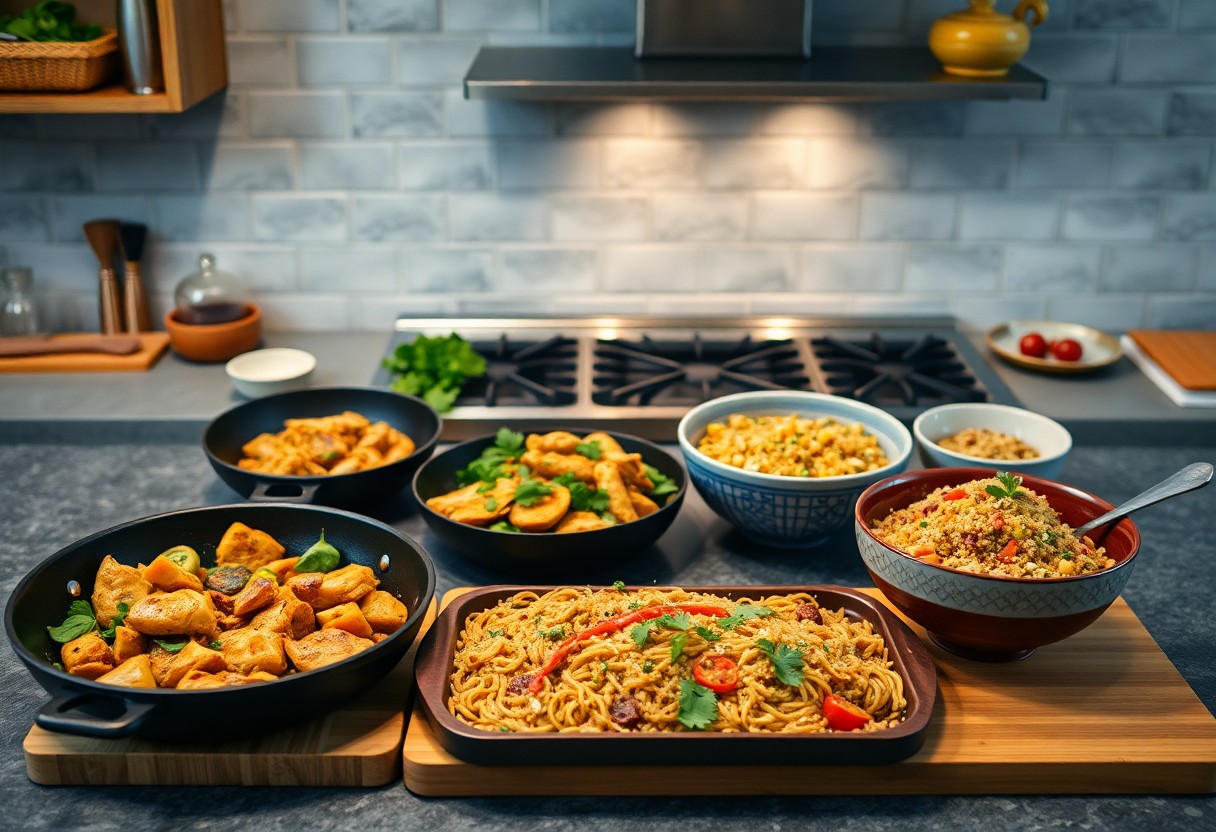
When you plan ahead, make-ahead lunches cut stress and save 30-60 minutes on busy weekdays by batch-cooking staples like roasted sweet potatoes, quinoa, grilled chicken, and lentils. Portion into 3- or 4-serving containers, label with dates, and mix-and-match during the week; for example, 500 g chicken breasts yield about four 4‑oz portions, while 2 cups dry quinoa makes roughly 6 cups cooked.
Batch Cooking Tips
Block out 60-90 minutes once or twice weekly to roast, simmer, and assemble. Use a rimmed sheet pan at 425°F (220°C) to roast mixed vegetables for 25-35 minutes, and cook grains in big batches-2 cups dry rice or quinoa yields about 6-7 cups cooked. Try one-protein, two-vegetable rotations to simplify planning and reduce waste.
- Choose recipes that share ingredients to shorten shopping and prep time.
- Portion into 2-cup meal containers for balanced lunches and easy calorie control.
- Freeze single-serve portions in silicone trays or freezer-safe bags for up to 3 months.
- Rotate flavors weekly so you don’t get bored: curry one week, Mediterranean the next.
- Recognizing when to freeze versus refrigerate helps preserve texture and nutrients.
Storage Solutions
Store meals in airtight glass containers for longevity and microwave safety; heat-resistant borosilicate glass works well. Refrigerate cooked grains and vegetables for 3-5 days, cooked poultry and seafood for 3-4 days, and freeze portions you won’t eat within a few days for up to 3 months.
Label containers with date and contents, and stack flat in the freezer to save space; vacuum sealing removes air to prevent freezer burn and preserves texture. When reheating, thaw overnight in the refrigerator or use the microwave’s defrost setting, and ensure internal temperature reaches 165°F (74°C) before eating; pack lunches with insulated containers or ice packs to keep cold items below 40°F (4°C) until midday.
Kid-Friendly Lunch Ideas
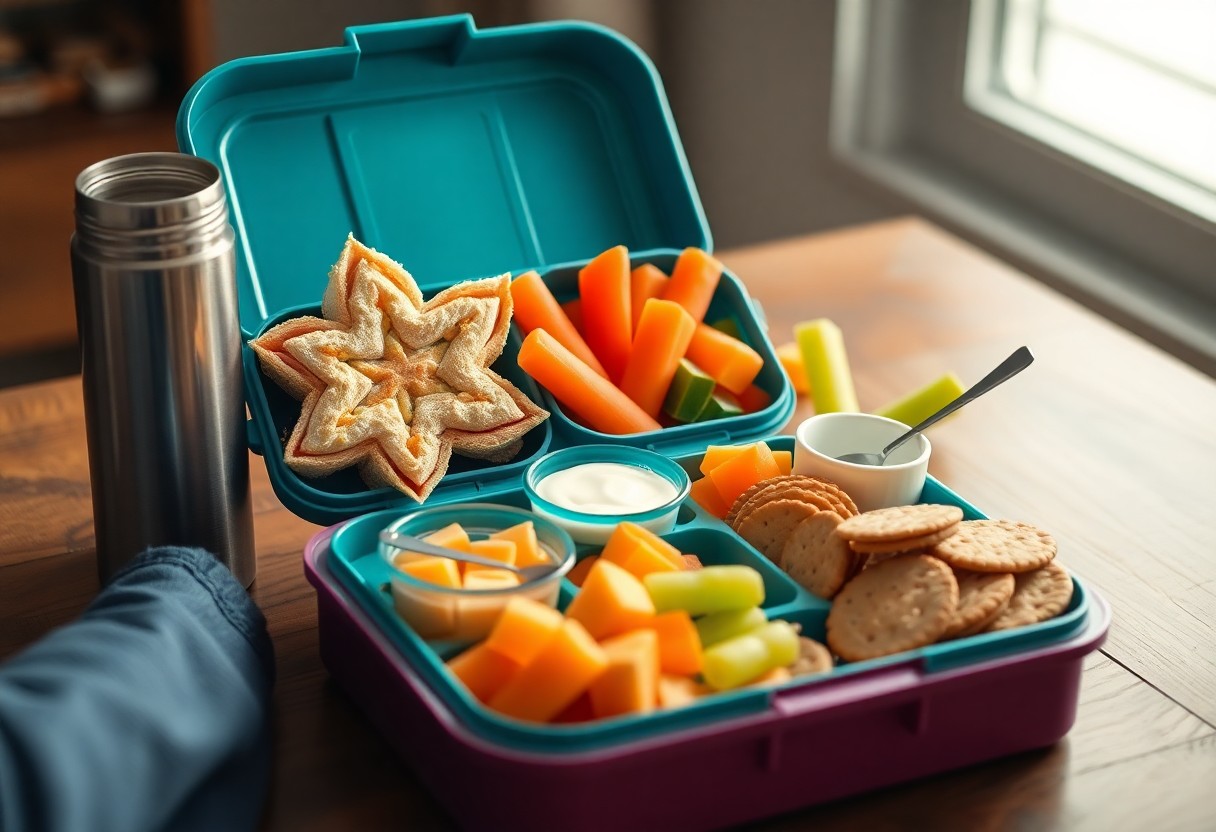
Aim for balanced lunches that mix protein, whole grains, and at least 1/2 cup of vegetables or fruit; children often respond better when you offer two choices. Try turkey-and-cheese roll-ups, whole-grain pita with hummus, or pasta salad with peas and cherry tomatoes. For portion guidance, plan roughly 1,200-2,000 calories daily depending on age and activity and split into three meals plus snacks so your kid gets steady energy and nutrients.
Fun and Nutritious Options
Pack colorful options like fruit kabobs, mini whole-wheat pita pizzas, yogurt parfaits with 1/4 cup granola, and carrot sticks with 2 tablespoons hummus; your kids eat more when food looks playful. You can mix textures-crunchy cucumbers, creamy avocado, and 2-3 ounces lean protein like chicken strips-to hit three food groups and keep meals under 400 calories for younger children.
Involving Kids in Preparation
Let kids choose between two proteins or assemble components-ages 3-5 can rinse berries and place toppings, 6-8 can spread condiments and roll sandwiches, and 9+ can chop soft veggies with supervision; this builds skills and increases willingness to try new foods. Give them 5-10 minute tasks and set out measured portions (1/4 cup, 1/2 cup) so you keep prep time predictable and efficient.
Start a mini assembly station with small bowls of measured toppings, kid-safe utensils, and a visual checklist your child can tick; hand them a plastic knife or crinkle cutter and supervise cutting until about 8-10 years old. Teach handwashing for 20 seconds before prep, rotate simple weekly recipes to reuse steps, and expect helping to improve acceptance of new foods over several weeks.
Vegetarian and Vegan Options
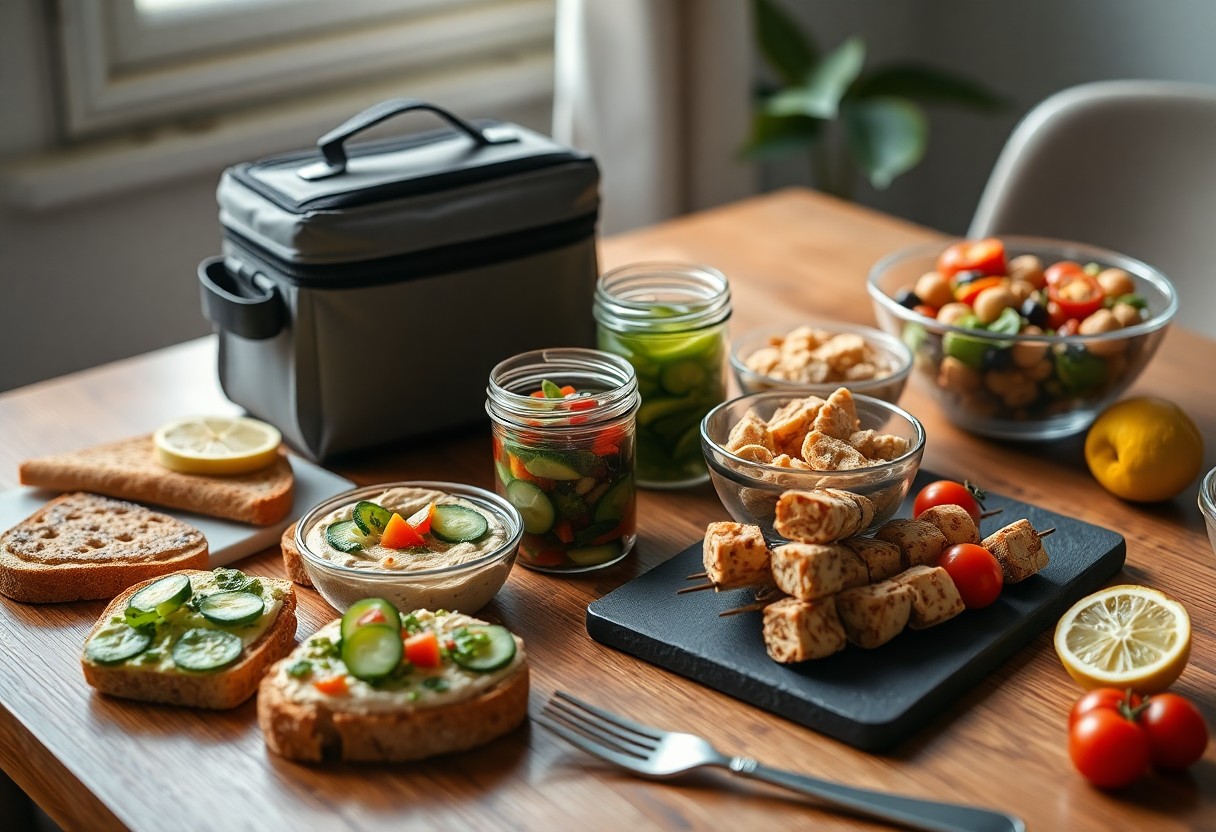
You can build quick, satisfying lunches that hit protein and fiber targets by mixing legumes, whole grains, and colorful vegetables; try a chickpea salad sandwich, a tofu stir-fry over brown rice, or a quinoa bowl with roasted vegetables and tahini. Many of these take 10-25 minutes, and packing 15-25 g of protein per meal keeps energy steady-batch-cook lentils or roast a tray of vegetables to streamline weekday prep.
Plant-Based Recipes
Try a 10-minute hummus-and-veg wrap for 8-12 g protein, a 20-minute lentil bolognese (one cup cooked lentils ≈18 g protein) over whole-wheat pasta, or a quinoa bowl with roasted sweet potato and kale; one cup cooked quinoa provides about 8 g protein. You’ll get fiber, iron, and flavor by adding pickled onions, toasted seeds, or a lemon-tahini dressing.
Protein Sources for Vegans
Lean on lentils, chickpeas, black beans, tempeh, tofu, edamame, seitan, quinoa, and seeds: cooked lentils ≈18 g protein per cup, chickpeas ≈15 g/cup, tempeh ≈19 g/100 g, firm tofu ≈10-12 g/100 g, edamame ≈17 g/cup, seitan ≈25 g/100 g, hemp seeds ≈10 g per 3 tbsp. Mixing several sources gives variety and balanced amino acids.
Combine foods to reach a 20-30 g protein target: for example, one cup cooked lentils (18 g) plus 1/2 cup quinoa (≈4 g) and vegetables hits that range. Batch-cook legumes, keep a jar of roasted chickpeas for crunch, and sprinkle hemp or pumpkin seeds (3 tbsp hemp ≈10 g) on salads to boost protein quickly without extra cooking. Include fortified plant milks or a B12 supplement if you follow vegan diets long-term.
Conclusion
Drawing together the strategies above, you can assemble quick, nutrient-dense lunches using pantry staples, smart prep, and simple swaps. Prioritize balance-lean protein, whole grains, vegetables, and healthy fats-and batch-cook components to save time. With a few go-to recipes and basic tools, you’ll sustain healthy, satisfying meals even on hectic days.

Leave a Reply