
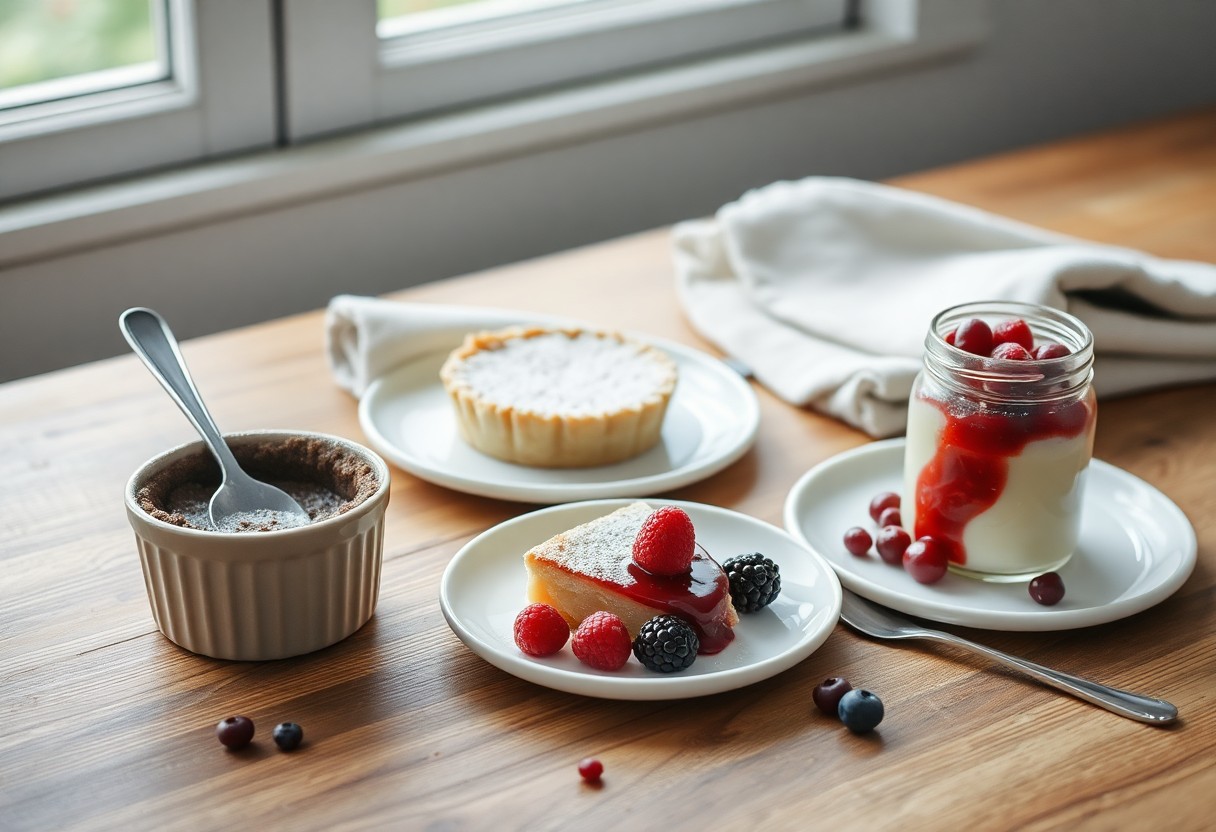
You can create satisfying, balanced dinners tonight using pantry staples and minimal time. This post gives clear, step-by-step recipes, smart substitutions, and timing tips so you can plan, prep, and plate nutritious meals in 20-30 minutes with confidence, using tools already in your kitchen.
Key Takeaways:
- Build fast dinners from pantry staples and versatile proteins-aim for 20-30 minute recipes that mix grains, greens, and one cooked protein.
- Choose one-pan, sheet-pan, or skillet methods to cut prep and cleanup while using roasting, sautéing, or stir-frying to maximize flavor quickly.
- Boost taste with simple swaps and condiments-herbs, citrus, sauces, and spices let you customize meals and stretch ingredients across several nights.
Quick and Easy Breakfast Ideas
Start your morning with fast, balanced options that take 5-15 minutes or a short prep plus chilling. You can mix protein and fiber-eggs, oats, Greek yogurt, or whole-grain toast-to fuel you until lunch. Try overnight oats for grab-and-go, a veggie omelette for roughly 12-18 g of protein, or a yogurt parfait with ¾ cup yogurt and ½ cup fruit for sustained energy.
Overnight Oats
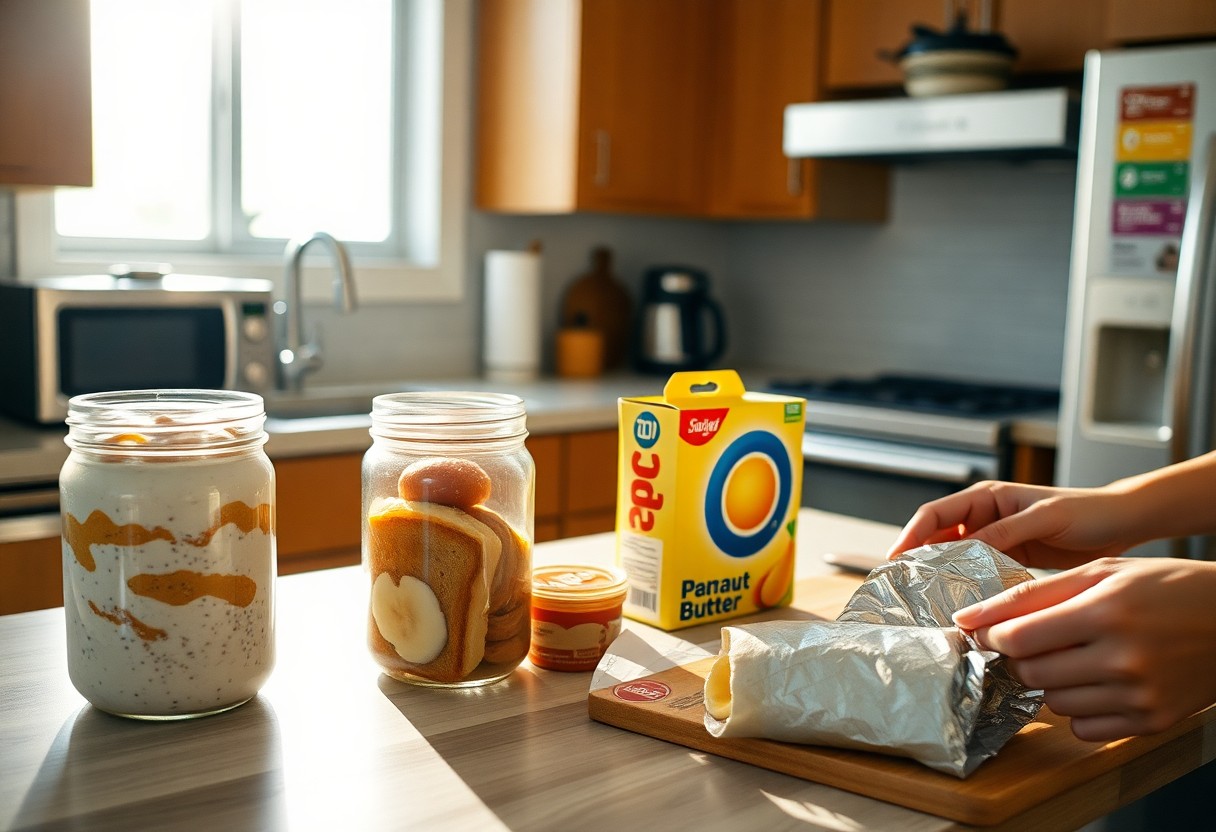
Combine ½ cup rolled oats with ½-¾ cup milk or yogurt, add 1 tbsp chia seeds and 1 tsp honey, then refrigerate at least 4 hours. When you top with ½ cup berries and 2 tbsp nuts or seeds, you add fiber and healthy fats; prep takes about 5 minutes and yields a portable breakfast with roughly 8-10 g protein if you use yogurt.
Veggie Omelette
You can whisk 2-3 eggs with a splash of milk, sauté 1 cup mixed vegetables (spinach, bell pepper, mushroom, onion) for 2-3 minutes, pour the eggs over, add ¼ cup grated cheese, and fold-total cook time 5-7 minutes. A two-egg omelette gives about 12 g protein and boosts your vitamin intake when you include colorful veggies.
You should heat a nonstick pan over medium and use 1 tsp oil or butter to prevent sticking; cook firmer vegetables first for 2-3 minutes, then lower to medium-low before adding the eggs so they set gently. If you want the top to finish without flipping, cover for 30-60 seconds; season with salt, pepper, and fresh herbs, and serve with whole-grain toast to round out your meal.
Simple Lunch Recipes
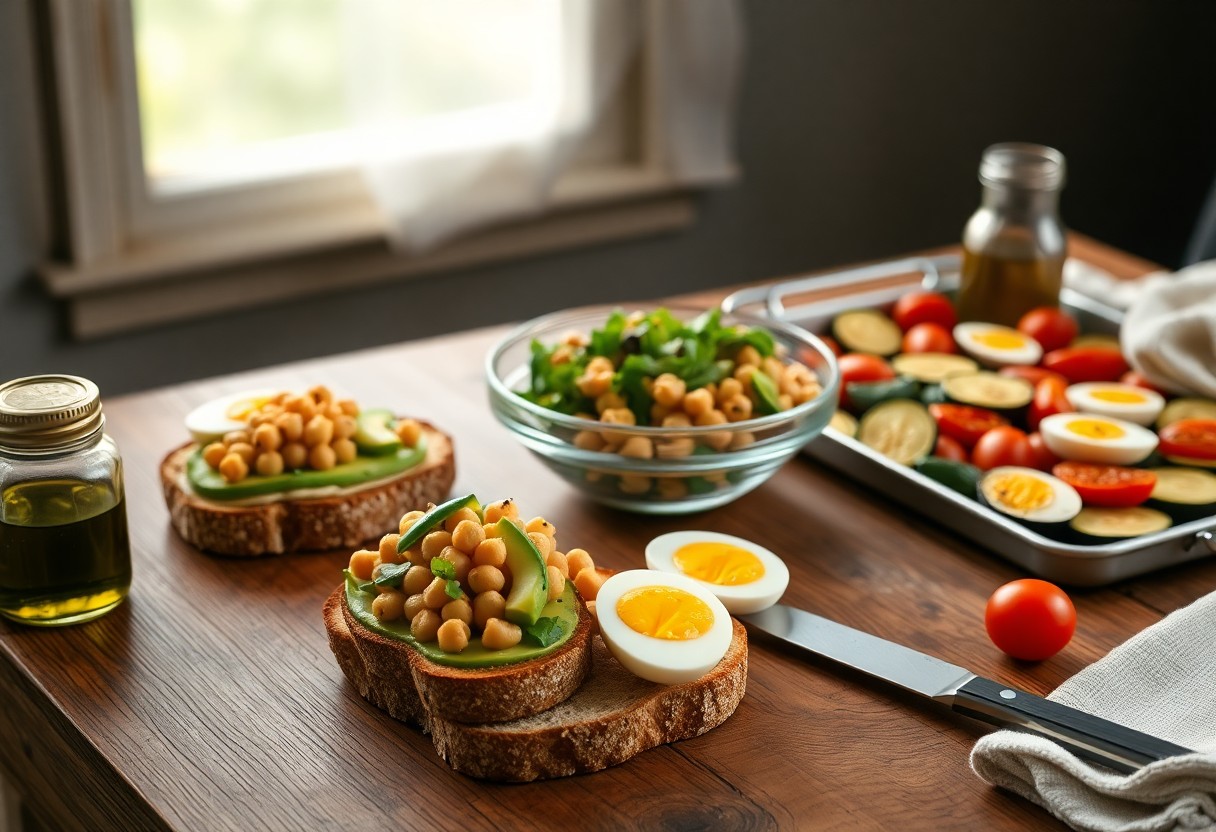
For midday meals you can assemble satisfying plates in 10-20 minutes using pantry staples and a single pan. Grilled cheese and quinoa salad cover quick comfort and nutrient-dense options: the sandwich is ready in under 10 minutes, while the salad can be batch-cooked in 20 minutes and kept 3-4 days. Boost protein with 3-4 oz canned tuna, a hard-boiled egg, or ½ cup chickpeas for a more balanced midday meal.
Grilled Cheese Sandwich
Use 2 slices of bread and about 2 oz (60 g) cheese; butter the outer faces with roughly 1 tablespoon each. Heat a skillet over medium-low and cook 3-4 minutes per side until golden and the cheese melts smoothly. Press gently with a spatula for even contact, and add a tomato slice or 1-2 thin ham slices to increase protein and flavor.
Quinoa Salad
Rinse 1 cup quinoa, cook with 2 cups water, simmer 15 minutes and rest 5 to yield about 3 cups cooked. Toss with 1 cup chopped cucumber, 1 cup halved cherry tomatoes, ¼ cup crumbled feta, 2 tablespoons olive oil and the juice of one lemon; season with salt and pepper. One cup cooked quinoa delivers roughly 8 g protein and steady fiber to keep you full.
Rinse quinoa to remove saponins, or dry-toast it 2-3 minutes first for nuttier flavor. You can batch-cook 2 cups dry (≈6 cups cooked) to stretch across 3-4 lunches; mix in ½ cup canned chickpeas or 1 cup roasted sweet potato to add 10-15 g protein and more fiber. Follow a 3:1 oil-to-acid vinaigrette ratio for balance, and store portions refrigerated up to 4 days.
Easy Dinner Options
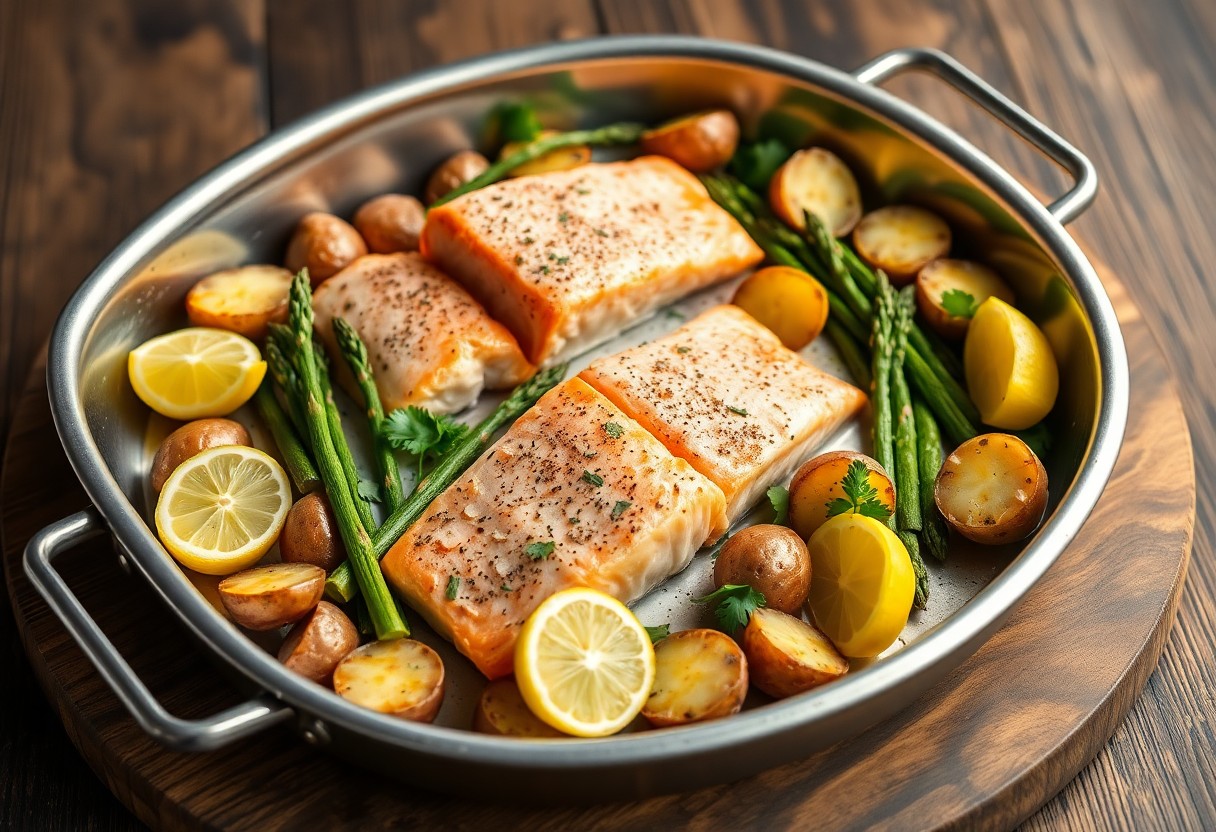
Rotate five fast templates that finish in 20-30 minutes: one‑pan pasta with canned tomatoes and spinach, stir‑fried vegetables and rice using leftover grains, sheet‑pan chicken with potatoes and carrots, a simple omelette with herbs, and a quinoa-and-bean bowl; you can aim for 3-5 main ingredients plus a pantry spice to keep prep under 15 minutes and cleanup minimal.
One-Pan Pasta
You can cook 12-16 ounces of pasta directly in 2 cups broth plus a 14‑ounce can of tomatoes; add a handful of spinach and 1-2 cloves garlic, simmer 10-12 minutes until sauce reduces, then stir in 1/4 cup grated Parmesan and a squeeze of lemon-serves 2-3 and uses one pot for fast cleanup.
Stir-Fried Vegetables and Rice
You can start with day‑old rice; heat 2 tablespoons neutral oil over high heat, fry 2 cups mixed vegetables (bell pepper, snap peas, shredded carrot) for 3-5 minutes, push aside to scramble 1-2 eggs or add 4 ounces diced tofu, then mix in 1-2 tablespoons soy sauce and toss with rice for 2-3 minutes-serves 2.
You’ll get better texture using a wok or large skillet and cutting vegetables into uniform 1/2‑inch pieces so peppers soften in ~3 minutes while broccoli needs 4-5; blanch dense veg first to keep total stir time under 7 minutes, add 4-6 ounces shrimp or chicken for protein (cook 2-4 minutes), and finish with 1 teaspoon toasted sesame oil and chopped scallions for aroma.
Family-Friendly Snacks
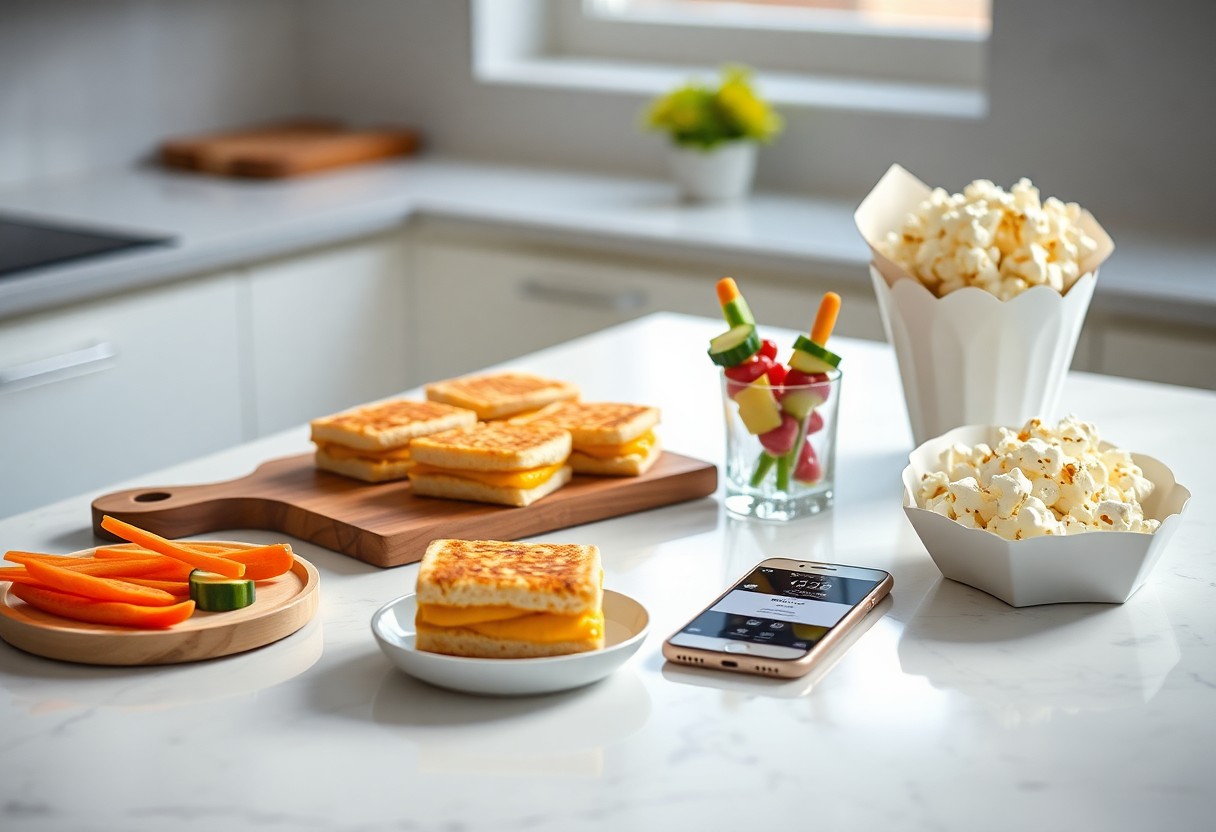
For busy families, you can keep snack time simple and balanced with a rotation of fresh fruit, cut vegetables, whole-grain crackers and small portions of protein like cheese or nut butter. Aim for about 1/2 cup fruit or 1 ounce cheese per child, prep trays in 10-15 minutes, and use airtight containers to portion snacks for after-school grabs or quick road trips.
Fruit and Yogurt Parfait
Layer 1 cup Greek yogurt (≈17 g protein) with 1/2 cup mixed berries and 1/4 cup granola for a 5-minute parfait that fills you up and adds calcium. You can swap honey or maple for sweetness, choose plain yogurt to cut added sugar, and portion into jars for easy grab-and-go snacks or breakfast for 2-3 kids.
Homemade Hummus and Veggies
Blend one 15-ounce can of drained chickpeas with 2 tablespoons tahini, 2 tablespoons lemon juice, 1 clove garlic, 2 tablespoons olive oil and 1/2 teaspoon salt until smooth-about 2-3 minutes in a food processor. You’ll get roughly 1 to 1.5 cups of hummus, which serves 3-4 as a dip for carrot sticks, cucumber slices, bell pepper strips or pita wedges.
To vary flavor, you can roast a red pepper and add it whole, stir in 1/2 teaspoon smoked paprika, or blend 1/4 cup roasted beet for color; each variation keeps about 4 days refrigerated in a sealed container. Chickpeas provide roughly 15 g protein per cooked cup, so offer 2-3 tablespoons of hummus per child to add plant-based protein and fiber to the snack.
Cooking with Kids
Turn evenings into short cooking lessons by assigning 10-15 minute tasks: washing produce for ages 2+, tearing lettuce or measuring 1/4-1/2 cup for ages 3-5, and safe knife practice with a serrated kid’s knife at 6-8. You should plan recipes with 3-5 ingredients and clear steps so kids stay engaged; try setting a 20-minute timer to keep the kitchen moving and celebrate one small win each night.
DIY Pizza
Give kids responsibility for assembly: spread 1/4-1/2 cup marinara, sprinkle 3/4 cup shredded cheese, and add 3-4 toppings each. Use store-bought dough, pita, or tortilla for 10-12 minute bakes at 425°F (220°C). You should pre-cut toppings into 1/2-inch pieces and let children create patterns-this teaches portions and keeps prep under 20 minutes while serving a balanced meal with protein if you add 1-2 tablespoons of cooked chicken or beans.
Fruit Kabobs
Make colorful, no-cook skewers with 6-8 pieces per stick using 1-inch cubes of watermelon, pineapple, grapes, and berries; swap wooden skewers for blunt plastic ones for younger children. You can have kids arrange colors or shapes, wash fruit together, and aim for a 10-15 minute activity that doubles as dessert and vitamin-packed snack-one medium fruit kabob provides roughly 80-120 calories depending on fruit choices.
For variety, combine sweet and tart: pair 1 cup pineapple with 3/4 cup strawberries and 1/2 cup kiwi for a tangy profile, or add 2 tablespoons of honey-yogurt dip for protein. You should keep kabobs chilled up to 4 hours and avoid soft fruits like bananas until serving to prevent browning; freeze grapes for a cool treat and use seedless fruit for smaller children to reduce choking risk.
Quick Desserts
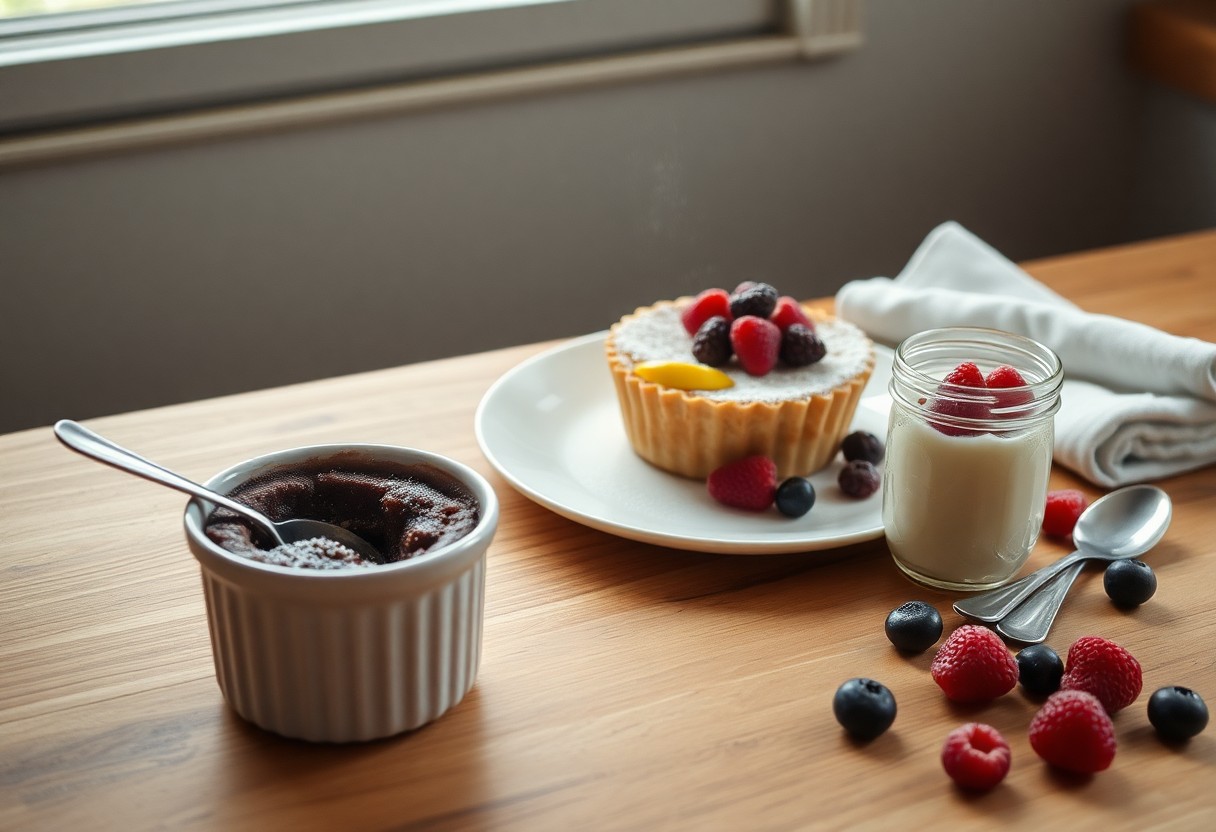
You can finish a satisfying sweet in under 10 minutes using pantry staples: fruit parfaits with yogurt and granola, a chocolate mug cake in the microwave, or toasted pita with honey and ricotta. Aim for 3-5 ingredients and 3-5 minutes of prep; portion control keeps treats around 150-250 calories each.
Chocolate Mug Cake
You whisk 4 tbsp flour, 2 tbsp sugar, 2 tbsp cocoa, 1/4 tsp baking powder, 3 tbsp milk, 2 tbsp oil and 1 egg (or 2 tbsp applesauce) in a mug; microwave 60-90 seconds. Try adding a spoonful of peanut butter or 1 tbsp chocolate chips for a molten center and serve immediately for best texture.
No-Bake Energy Bites
You mix 1 cup rolled oats, 1/2 cup nut butter, 1/3 cup honey, 1/4 cup mini chocolate chips and 1 tbsp chia or flax; chill 20-30 minutes and roll into about 12 balls. You’ll get portable snacks (~100-130 calories each) that store well for busy evenings or on-the-go cravings.
If you want more control, you add 2 tbsp protein powder to boost protein – the batch still yields about 12 bites. You can swap honey for 1/3 cup maple syrup to make them vegan, or use sunflower seed butter for a nut-free version. Store refrigerated up to 10 days or freeze for 2-3 months; thaw a few minutes before eating.
To wrap up
Taking this into account, you can rely on simple meal ideas to keep your weeknight cooking efficient and satisfying; focus on versatile staples, quick protein and vibrant vegetables, use pantry shortcuts and one-pan techniques, and adapt recipes to your schedule and tastes to build confidence and consistently put nourishing, enjoyable meals on your table.

Leave a Reply