
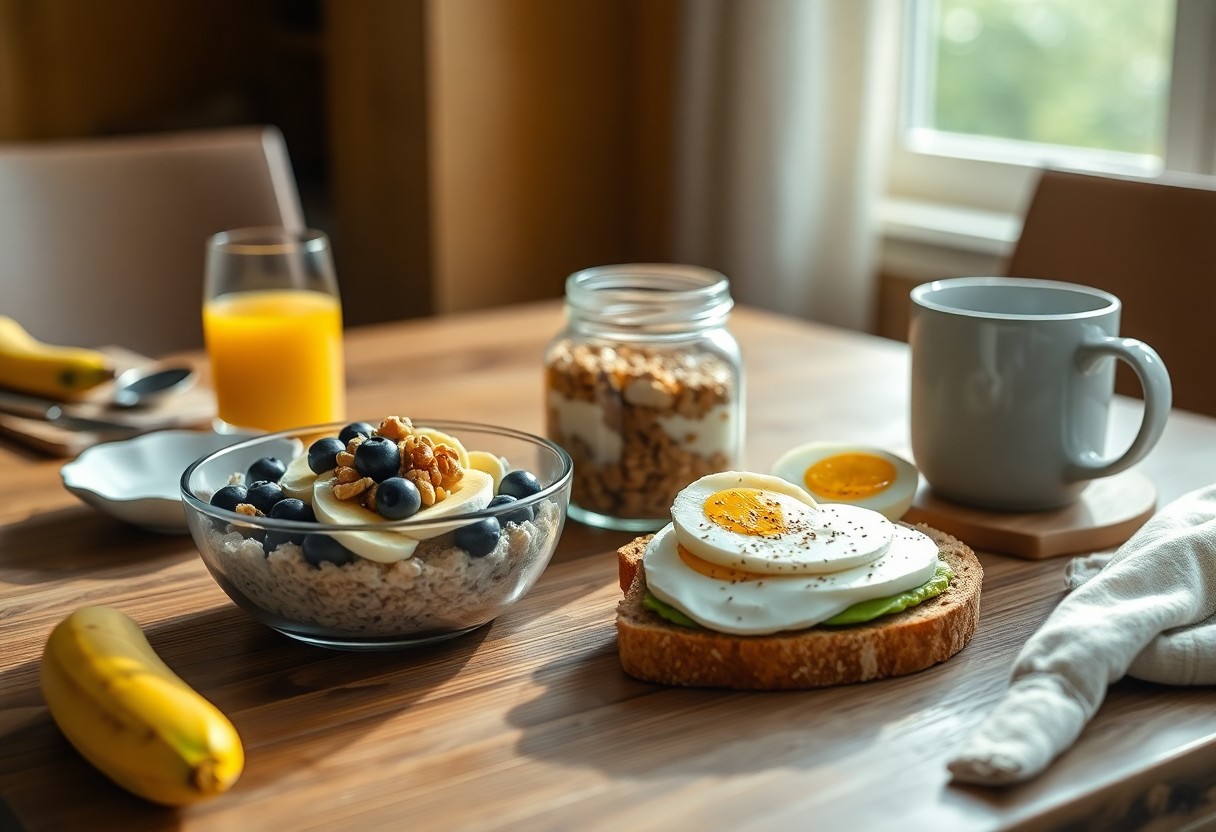

Morning choices set the tone for your day, so choose meals that combine whole grains, lean protein, healthy fats, and fresh fruit to sustain energy and focus; simple options like oatmeal with nuts and berries, Greek yogurt with seeds, or an egg-and-avocado toast deliver steady fuel and keep your metabolism steady through busy mornings.
Key Takeaways:
- Balance protein, complex carbohydrates, and healthy fats for steady, lasting energy (eggs or Greek yogurt + oats or whole-grain toast + avocado or nut butter).
- Prep components ahead-overnight oats, egg muffins, or portioned smoothie packs-to save time and avoid low-energy choices in the morning.
- Include fiber-rich whole foods and hydrate (fruit, vegetables, whole grains, plus a glass of water) to support digestion and sustained alertness.
Benefits of a Energizing Breakfast
Starting your day with the right foods sharpens focus and stabilizes energy: research links a balanced morning meal to improved attention and mood within the first two hours of work or study. When you combine 20-30 g of protein with low‑GI carbs and 5-8 g of fiber, you reduce mid‑morning hunger and avoid the blood‑sugar swings that sap productivity, so your morning output stays steady rather than crashing by mid‑day.
Importance of Breakfast for Energy Levels
After an 8-12 hour overnight fast your liver glycogen falls, so a meal within an hour or two of waking refuels glucose for both brain and muscle use. If you skip that intake, you often experience reduced concentration and earlier fatigue; conversely, eating 300-450 kcal with balanced macros typically extends alertness and lowers the need for high‑sugar snacks before lunch.
Nutritional Components for Sustained Energy
Aim for 20-30 g protein, 30-40 g complex carbohydrates, 5-8 g fiber, and 10-15 g healthy fats at breakfast to create lasting fuel. Examples that hit these targets include two eggs plus a slice of whole‑grain toast and half an avocado, or 1 cup Greek yogurt with ½ cup oats and a tablespoon of nut butter; these combinations blunt glucose spikes and support steady output through the morning.
Digging deeper, choose protein sources with high leucine content (eggs, dairy, whey) to preserve lean mass and satiety; pair them with oats, quinoa, or sprouted bread for low glycemic index carbs that release energy over 3-4 hours. Add fiber from berries or chia (2-6 g per serving) and a small portion of nuts for omega‑3s; if you need a quick option, a 20 g whey shake plus a banana and 1 tbsp almond butter delivers similar balance in under five minutes.
Quick and Easy Breakfast Ideas
You can assemble energy-dense breakfasts in 5-15 minutes that meet protein, complex-carb, and healthy-fat needs. For example, two hard-boiled eggs (≈12 g protein) with a slice of whole-grain toast and 1/4 avocado provides sustained fuel; Greek yogurt (150 g) plus 40 g oats and 1 tbsp chia delivers roughly 15-20 g protein and 6-8 g fiber. Batch-cook grains and eggs to cut morning prep time.
Overnight Oats
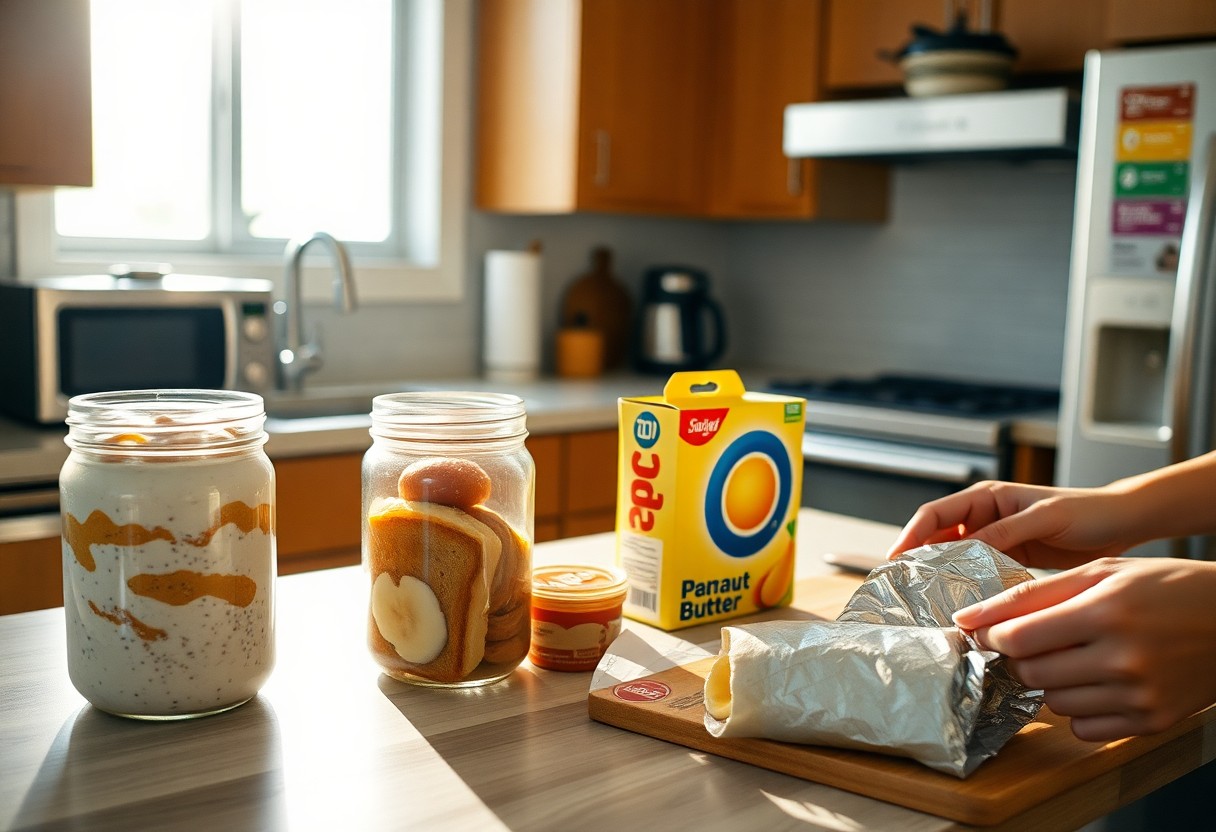
You can mix 1/2 cup rolled oats, 1/2 cup milk, 1/4-1/2 cup Greek yogurt, and 1 tbsp chia the night before and refrigerate 6-8 hours; this yields about 10-20 g protein and 6-8 g fiber depending on dairy choice. Add 1/2 banana or 1/4 cup berries for 10-15 g carbs and antioxidants, and portion jars for up to 3 days of grab-and-go breakfasts.
Smoothie Bowls
You should blend a thick base using 100-150 g frozen fruit, 1/2 banana, and 1/2 cup unsweetened milk or kefir plus 1 scoop (≈20 g) protein powder or 100 g Greek yogurt to hit ~20-25 g protein; a frozen base keeps it spoonable. Top with 2 tbsp granola, 1 tbsp nut butter, and 1 tbsp seeds for added healthy fats and 5-8 g extra protein and fiber.
For reliable texture, use a 2:1 ratio of frozen fruit to liquid and pulse rather than over-blend so the bowl remains thick; target a 300-450 kcal serving depending on toppings. To control added sugars, favor berries and unsweetened yogurt and sneak in 30 g spinach for iron with only ~7 kcal. Rotate toppings to include hemp seeds, sliced almonds, or low-sugar granola to vary micronutrients and keep your breakfasts balanced.
High-Protein Morning Options
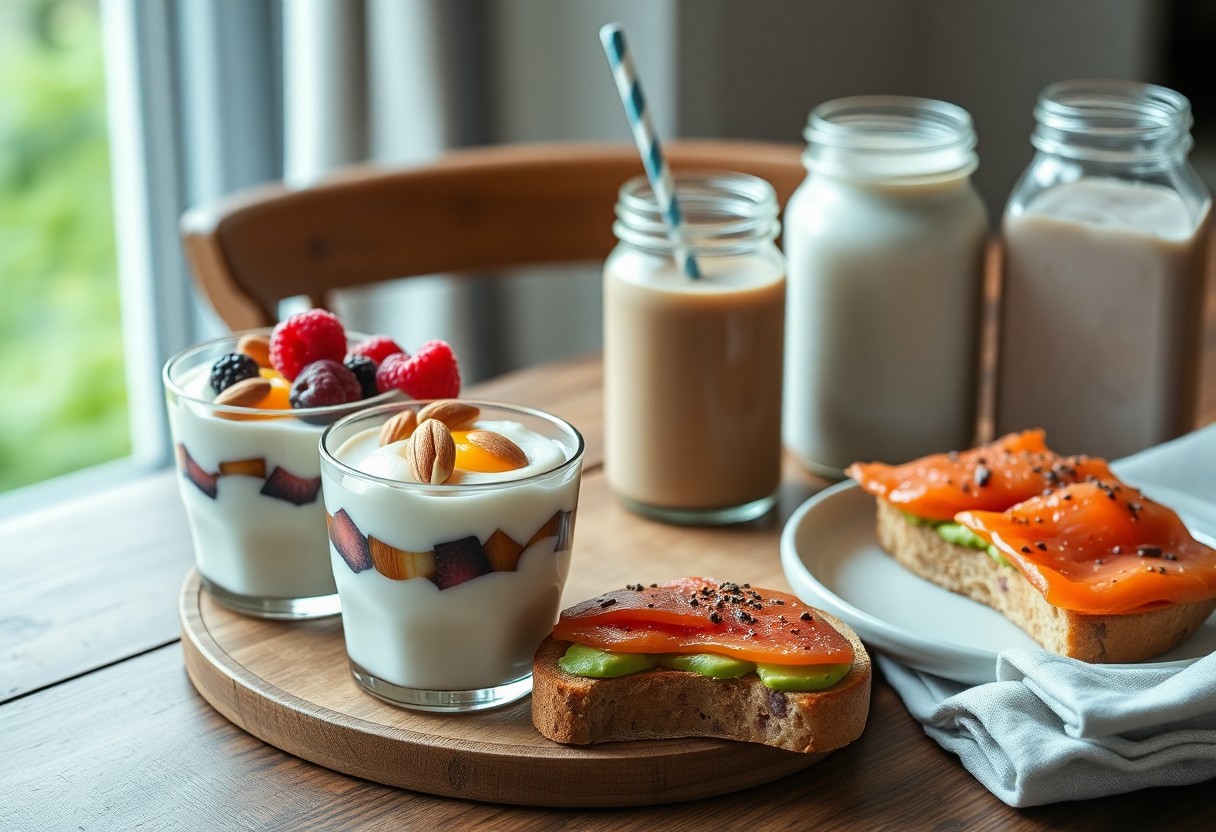
For sustained energy, aim for 20-30 grams of protein at breakfast; you’ll blunt mid-morning hunger and support muscle maintenance. Choose Greek yogurt (15-20 g per 170 g cup), two large eggs (~12 g), or a 25-30 g whey/plant protein shake, and combine with 30-40 g whole grains or a tablespoon of nut butter for balanced macros. You can assemble most of these in 5-15 minutes or batch-cook for grab-and-go meals that keep your energy steady until lunch.
Greek Yogurt Parfaits
Start with 170 g plain Greek yogurt (15-20 g protein), layer 1/2 cup mixed berries for antioxidants, and add 1/4 cup high-fiber granola or 30 g oats for 20-30 g carbs. Sprinkle 1 tablespoon chopped nuts for 4-6 g healthy fat and extra calories. You can swap in cottage cheese or stir 20-25 g whey into yogurt to boost protein to 30+ grams while keeping prep under five minutes.
Egg-Based Dishes
Two large eggs provide about 12 g protein and ~140 kcal, and you can scramble, make an omelet, or microwave beaten eggs in 1-1.5 minutes for a fast meal. Add 30 g spinach and 30 g feta for vitamins and flavor, or fold in 1/2 cup black beans for an extra 7-8 g protein. You’ll pair eggs nicely with whole-grain toast or roasted sweet potato to round out the meal.
If you batch-cook, a 12-egg frittata yields roughly six servings with ~12 g protein each before add-ins; including 1/2 cup cooked black beans per serving adds about 7-8 g more. Store portions in the fridge up to four days or freeze single servings for 6-8 weeks, then reheat in the microwave 45-60 seconds or oven at 175°C (350°F) for 10-12 minutes. This approach saves time while reliably hitting your morning protein targets.
Whole Grain Choices for Lasting Energy
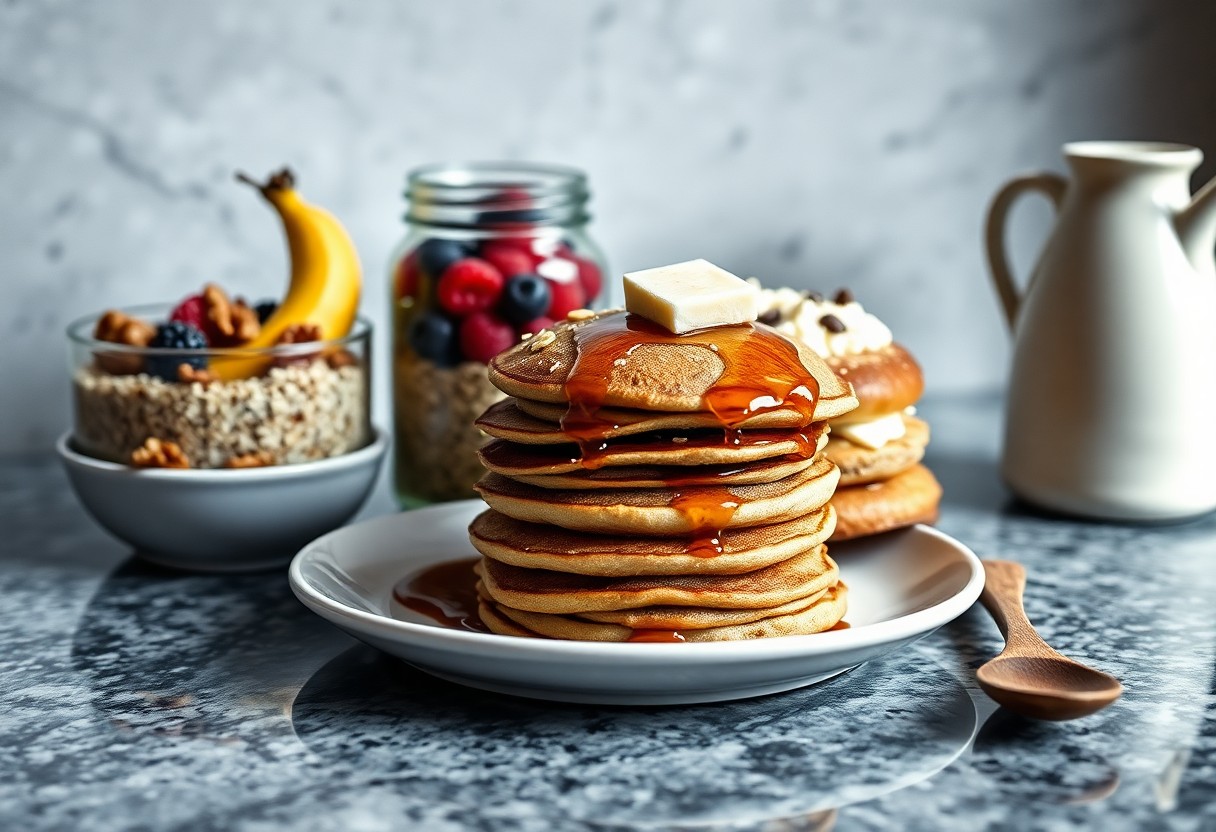
Choose whole grains that slow digestion and keep your blood sugar steady; examples like whole wheat, oats, barley, and quinoa deliver sustained energy and fiber. Aim for 5-10 grams of fiber at breakfast to blunt mid-morning hunger, and favor options with low-to-moderate glycemic index. For instance, one slice of whole-wheat bread supplies roughly 3-4 g fiber and 4-5 g protein, while 1 cup cooked quinoa provides about 8 g protein and 5 g fiber-small swaps that add up to steadier energy through the morning.
Whole Wheat Toast Variations
Top a slice of whole-wheat toast with combinations that balance carbs, protein, and healthy fats: try mashed avocado + a poached egg (egg ≈6 g protein), nut butter (2 tbsp ≈7-8 g protein) + sliced banana + chia seeds, or ricotta + berries + a drizzle of honey. You can also swap for sprouted-grain or seeded loaves for extra micronutrients, and use cottage cheese or smoked salmon to hit 20-30 g of morning protein when paired with an additional serving like Greek yogurt.
Quinoa Breakfast Bowls
For a gluten-free, complete-protein base, use cooked quinoa-1 cup yields about 8 g protein and 5 g fiber-and cook at a 1:2 quinoa-to-water ratio, simmering roughly 15 minutes. Build savory bowls with sautéed spinach, roasted tomatoes, and two eggs for 20+ g protein, or make sweet bowls with almond milk, walnuts, and berries for added omega-3s and antioxidants; quinoa’s balanced amino-acid profile and mineral content (iron, magnesium) make it excellent for lasting energy.
Cook a batch of quinoa (1 cup dry makes ~3 cups cooked) for quick weekday bowls; refrigerate up to 5 days or freeze portions for up to 3 months. You can toast the grains briefly before cooking to deepen flavor, then customize servings to include 15-30 g protein-add Greek yogurt, nuts, or an egg-and finish with citrus, cinnamon, or a spoonful of tahini for extra healthy fats and flavor complexity.
Meal Prep Tips for Busy Mornings
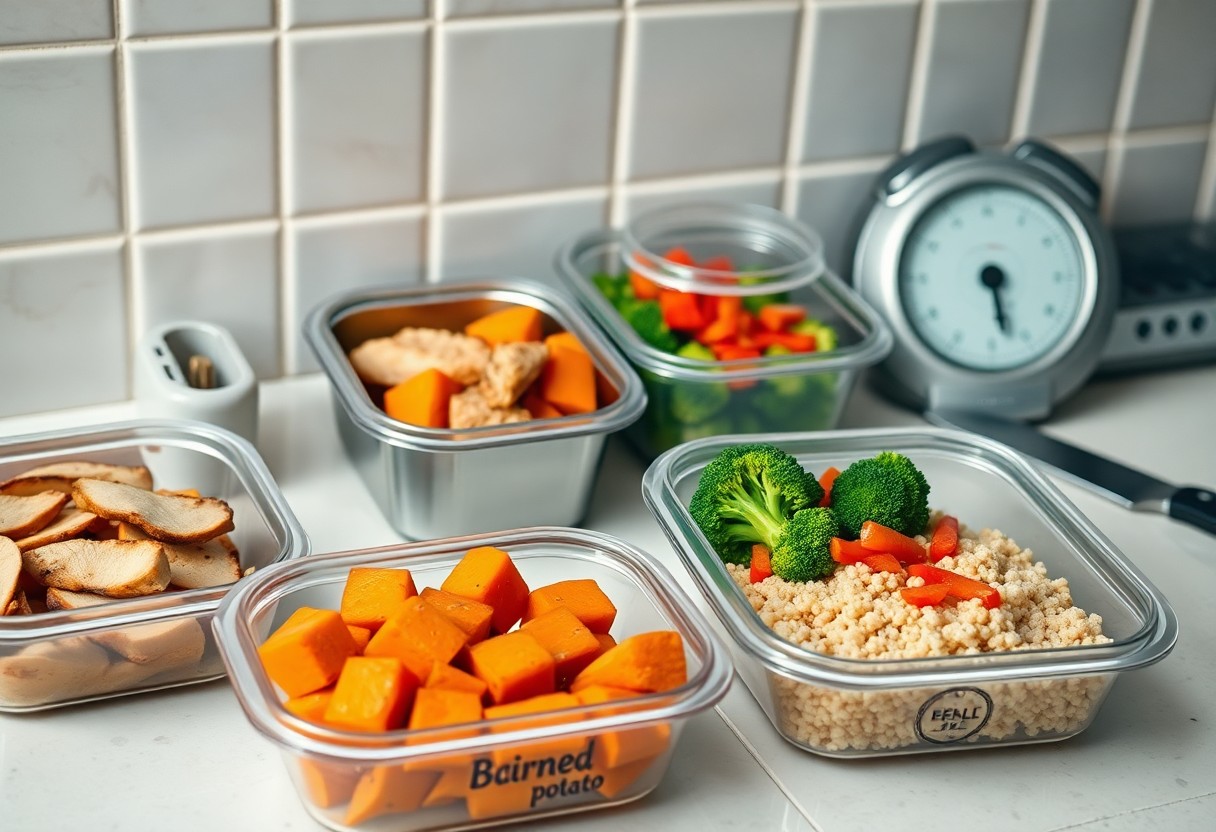
When mornings shrink to minutes, set up repeatable habits that cut decision time and stabilize energy: pre-portion mixes, label containers, and keep grab-and-go protein ready. Aim to spend 30-60 minutes on one weekly prep session to save 10-15 minutes each weekday morning. Recognizing that small weekly investments yield large daily returns keeps this sustainable.
- Pre-portion 4-6 breakfasts (overnight oats, egg muffins) into clear containers.
- Cook 2-3 proteins (12 eggs, 1-2 lb chicken, 1 can tuna × 3) to rotate through the week.
- Chop veggies for 3-4 days and store in airtight containers with paper towels to absorb moisture.
- Label with date and reheating notes so you waste less time deciding.
Preparing Ingredients in Advance
You can wash, chop, and portion staples so assembly is painless: dice peppers and onions for 3-4 days, roast 2-3 sweet potatoes, and cook 3-5 cups of whole grains for the week. Hard-boil 8-12 eggs or portion 5 single-serve yogurt cups with fruit. Store ingredients in airtight glass jars or BPA-free tubs to maintain freshness and make mornings frictionless.
Batch Cooking for the Week
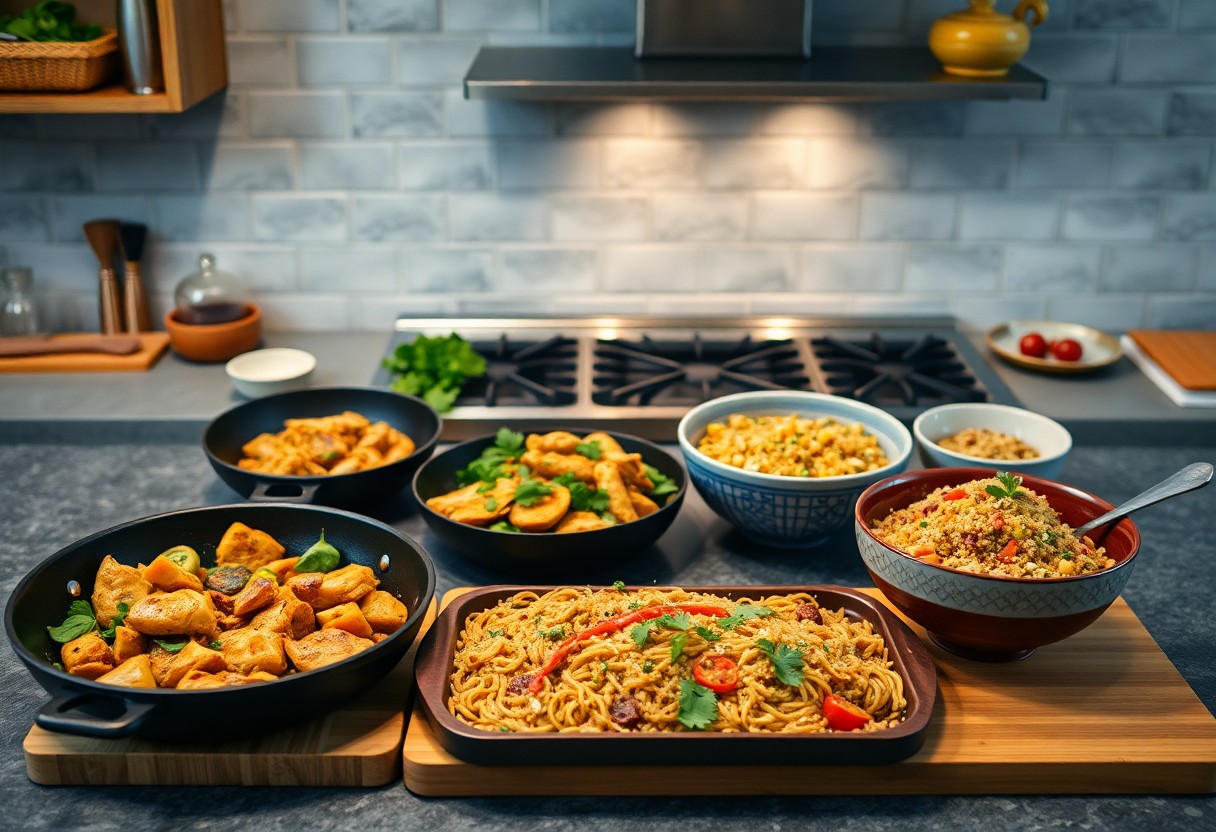
Use big tools-sheet pans, Instant Pot, or slow cooker-to produce 4-7 servings per batch: roast 3-4 lbs mixed vegetables on one pan, cook 1.5-2 cups dry steel-cut oats to yield six breakfasts, and braise 1-2 lb chicken breast for salads and wraps. Freeze half if you only need 3-4 days of ready food to avoid waste.
Plan two types of batches to rotate flavors: one savory (egg muffins, roasted veg, shredded chicken) and one sweet (oat jars, banana muffins, chia pudding). Portion into 8-12 oz containers, label with date, and freeze extras for up to 8-12 weeks; thaw overnight in the fridge or reheat 90-120 seconds in the microwave for a quick, energy-dense meal.
Creative Toppings and Add-Ins
Mix small, nutrient-dense add-ons to lift energy with no extra cooking: sprinkle 1-2 tablespoons of seeds, add a handful (about 1 oz) of nuts, a tablespoon of nut butter, or ½ cup fresh berries. Use spices like cinnamon or turmeric and a dollop of Greek yogurt to balance carbs and protein. These tweaks let you hit fiber, healthy fats, and micronutrients quickly-1 tablespoon almond butter gives ~3-4 g protein while seeds supply several grams of fiber and omega-3s.
Fruit and Nut Combinations
When you pair fruits with nuts, you combine quick carbs and sustained fats: top 6 oz Greek yogurt (≈15 g protein) with ¼ cup blueberries and 1 oz walnuts (≈4 g protein, ~2.5 g ALA), or spread 1 tablespoon peanut butter on banana slices for 4-6 g protein and extra potassium. You can swap apple slices with almond butter and cinnamon for a portable option that delivers 3-5 g protein and longer-lasting energy.
Seeds and Superfood Boosts
You can layer 1-2 tablespoons of seeds-chia, hemp, ground flax-onto oats or smoothies to boost protein, fiber, and omega-3s; for instance, 3 tablespoons of hemp provide about 10 g complete protein while chia forms a gel that slows digestion. Add a teaspoon of bee pollen or a small scoop of spirulina occasionally to raise antioxidant and micronutrient content without many extra calories.
Combine 1 tablespoon hemp, 1 tablespoon chia, and 1 tablespoon ground flax in a bowl to add roughly 7-9 g protein, 6-9 g fiber, and ALA omega-3s; grind flax to improve absorption, soak chia for creaminess, and keep hemp raw to preserve its full amino-acid profile. If you want more iron or B12, rotate in ½ teaspoon spirulina or 1 tablespoon pumpkin seeds for mineral diversity and a nutrient-dense lift.
Summing up
With these considerations you can build simple morning meals that fuel your day: combine protein, whole grains, healthy fats and colorful produce to sustain energy and focus, plan quick options you enjoy, and batch components for busy mornings. By testing portions and timing, you’ll fine-tune what keeps your energy steady and productive through the morning.

Leave a Reply