
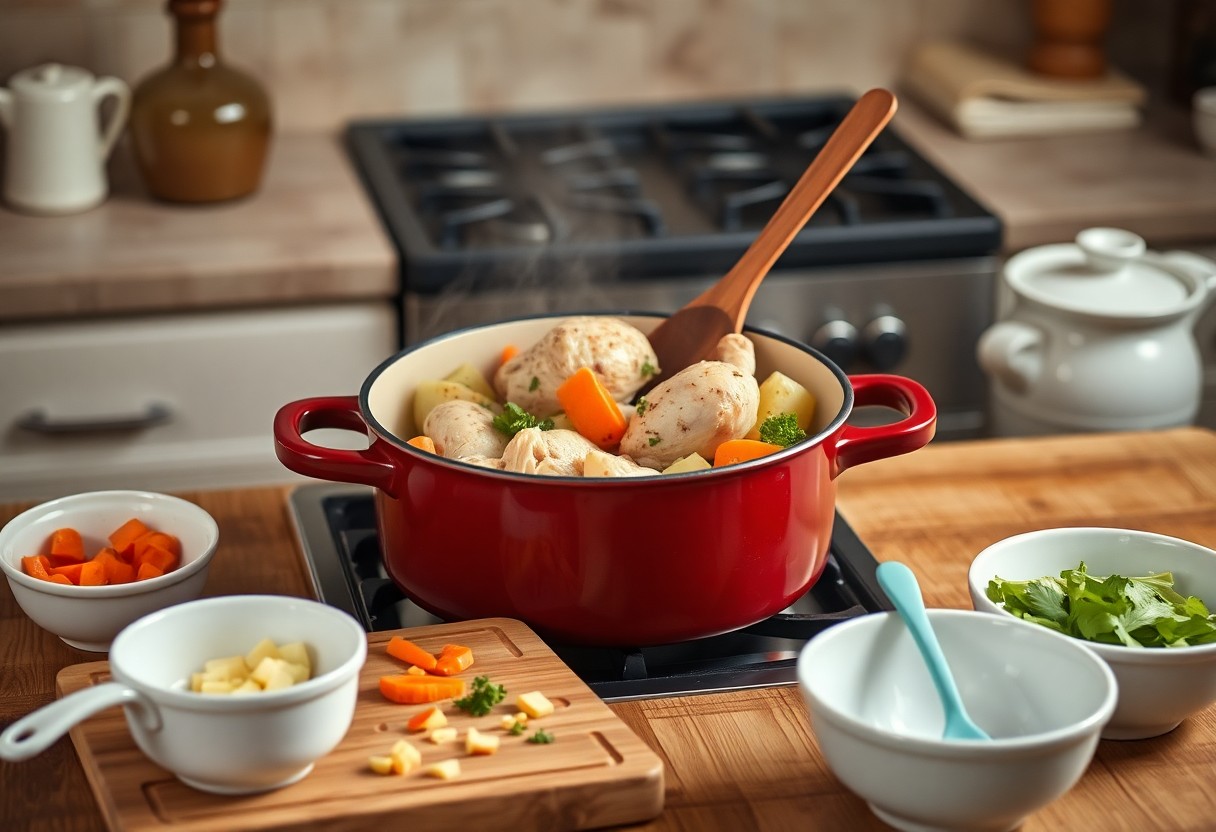
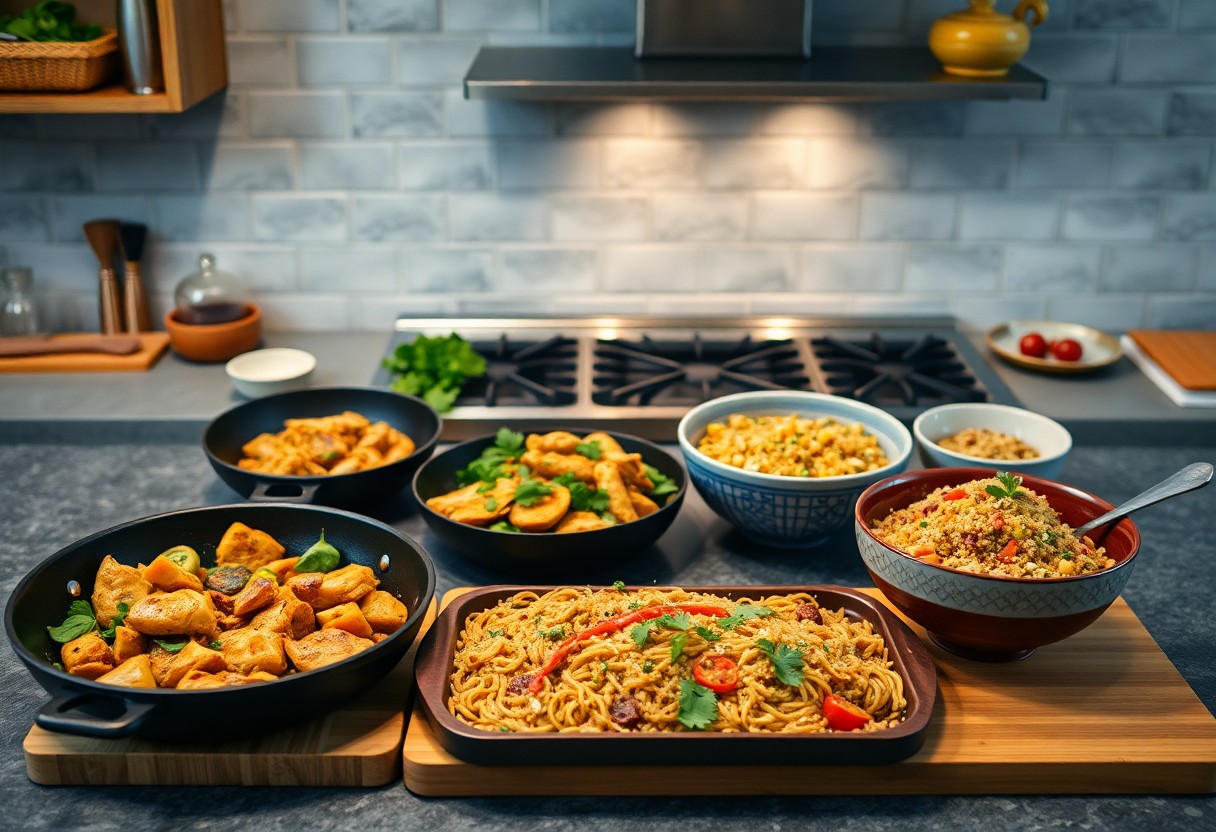
Simple one-pot meals save you time and minimize cleanup while delivering balanced, family-friendly nutrition; in this guide you’ll learn adaptable recipes, batching strategies and flavor-boosting tips so you can prepare hearty dinners that suit your picky eaters and hectic schedule without sacrificing taste or variety.
Key Takeaways:
- Time-saving: one-pot recipes combine cooking stages in a single pan for quick prep and minimal cleanup.
- Family-friendly nutrition: tuck vegetables, lean proteins, and whole grains into one dishes for balanced, kid-approved meals.
- Flexible and budget-wise: swap ingredients based on what’s on hand, scale easily, and make leftovers stretch across meals.
Benefits of One-Pot Cooking
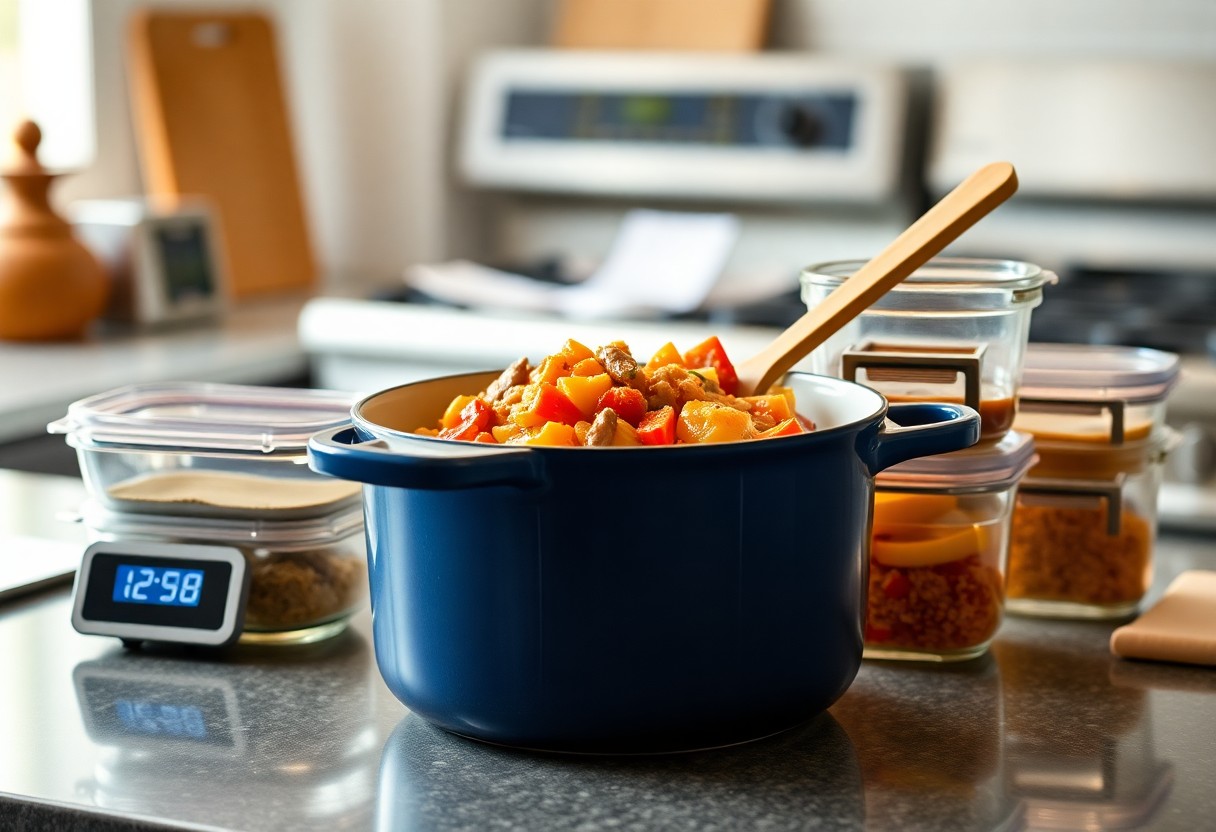
Beyond saving you time and dishes, one-pot meals concentrate flavors and lock in nutrients by reducing transfers between pans; many recipes finish in 15-40 minutes and scale easily for a family of four. You’ll stretch proteins with grains and beans-one pound of chicken plus 2 cups of rice can feed four-lower grocery costs, and simplify meal planning by turning leftovers into soups or casseroles without extra cookware.
Time-Saving Advantages
You cut active prep dramatically by combining tasks: sauté, deglaze, and simmer in one vessel. One-pot pastas and skillet dinners often take 10-30 minutes of total time, while slow-cooker or pressure-cooker versions need 10-20 minutes hands-on and then unattended cooking for hours. This multitasking reduces your overall kitchen time and frees you to help with homework or commute without sacrificing a homemade meal.
Minimal Cleanup
You end up washing one main pan plus a serving spoon, shrinking post-meal cleanup from 20-30 minutes to roughly 5-10 minutes for typical weeknight dinners. Fewer pots mean less soaking and less elbow grease, so you reclaim time that usually disappears at the sink after feeding the family.
You can speed cleanup further by choosing cookware wisely: nonstick or stainless pots that are dishwasher-safe, trimming and soaking for 10 minutes right after serving, and storing leftovers directly in the same pot (once cooled) saves transfer dishes. Also, using a single cutting board and a bowl for prep limits daily dish count and makes cleanup a simple, quick routine.
Essential Ingredients for One-Pot Meals
Stack your kitchen with a mix of shelf-stable basics and a small rotation of fresh produce and proteins so you can assemble dinners in 20-40 minutes. Keep dried grains (rice, quinoa), pasta, canned tomatoes and coconut milk, bouillon or stock, legumes, and versatile oils and spices on hand; pair those with aromatic onions, garlic, lemons, and a protein like chicken thighs or firm tofu for reliable, family-sized meals that scale easily to feed four.
Pantry Staples
Stock at least 8-12 pantry items: 2 rice types (white and brown), one pasta, 2 cans of tomatoes, 1 can of coconut milk, dried lentils (cook in ~20 mins) or beans, 4-6 bouillon cubes, olive oil, soy sauce, flour/cornstarch, and spices such as paprika, cumin, oregano, and black pepper. Canned goods last 12-18 months, so rotate them; these staples let you make soups, stews, curries, and one-pot pastas with minimal extras.
Fresh Ingredients to Consider
Prioritize aromatics (onion, garlic), long-lasting vegetables (carrots, potatoes, bell peppers), quick greens (spinach, kale), fresh herbs (parsley, cilantro, basil), lemons for acid, and proteins like 1-1.5 lb chicken thighs, 1 lb ground meat, or firm tofu. Many vegetables keep 3-10 days refrigerated; planning two proteins and a handful of produce each week gives you flexibility to switch recipes without extra shopping.
Slice root vegetables larger so they cook 20-30 minutes with the dish, while adding spinach or basil in the final 2-3 minutes preserves texture and nutrients. For proteins, brown ground meat ~8-10 minutes, simmer chicken thighs 20-25 minutes, and add firm fish in the last 6-8 minutes. Freeze excess herbs in oil or blanch-and-freeze greens to extend freshness and speed future one-pot dinners.
Types of One-Pot Dishes
| Soups & Stews | Broths, chowders, chili |
| Grain Bowls & Pilafs | Rice pilaf, quinoa risotto, paella |
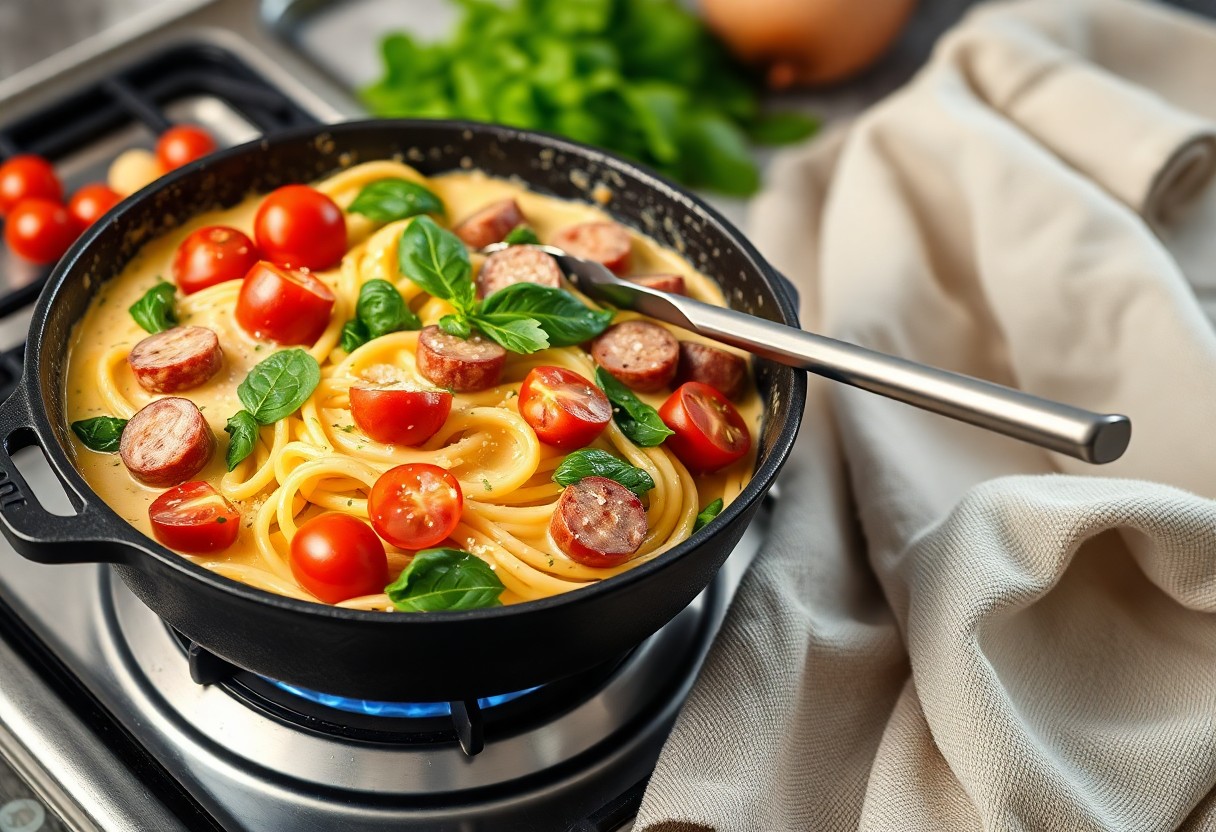
| Pasta Skillets | One-pot spaghetti, mac & cheese, skillet lasagna |
| Casseroles & Bakes | Chicken pot pie, tuna casserole, shepherd’s pie |
| Skillet & Sheet-Pan Meals | Frittatas, stir-fries, pan-roasted chicken with veg |
- Soups and stews: simmer times range from 25 minutes (lentil) to 2-3 hours (beef) for depth.
- Grains: most require a 1.5-2:1 liquid-to-grain ratio and yield 4-6 servings per cup dry.
- Pasta one-pot: cook 8-12 minutes uncovered with frequent stirring to avoid sticking.
- Casseroles: assemble with precooked ingredients, bake 20-45 minutes at 350-400°F (175-200°C).
You’ll find five reliable categories-soups/stews, grains, pastas, casseroles, and skillets-each optimized for quick prep and 4-8 servings; soups often simmer 30-90 minutes, grains use a 1.5-2:1 liquid ratio, and pastas finish in 8-12 minutes in the pot. Any category can be scaled, swapped for dietary needs, and batch-frozen for later meals.
Hearty Soups and Stews
You can stretch a single roast into 6 hearty stew servings by adding 3 cups of root vegetables and 2 cups broth; beef stews develop richness with 2-3 hours low heat, while chicken or lentil stews are ready in 25-40 minutes. Use canned tomatoes, 1-2 bay leaves, and 1 tsp smoked paprika to deepen flavor quickly, and freeze 2-cup portions for easy reheats.
Casseroles and Bakes
You’ll rely on casseroles for hands-off dinners that feed 4-8: mix 2 cups cooked protein, 3 cups vegetables, 2 cups cooked starch (rice or pasta), and a creamy binder, top with ~1 cup cheese, and bake at 375°F (190°C) for 20-40 minutes depending on density.
To cut sodium and add protein, replace canned soup with a quick béchamel made from 2 tbsp butter, 2 tbsp flour, and 2 cups milk, then stir in ½ cup Greek yogurt and 1 tsp mixed herbs; assemble up to 24 hours ahead or freeze for up to 3 months, adding 10-15 minutes to bake time when cooking from frozen.
Step-by-Step Guide to Making One-Pot Meals
| Steps |
Start by mapping out each cooking stage: you should brown aromatics 3-5 minutes, sear proteins 4-6 minutes per side, deglaze with 1/2 cup stock or wine, then add grains or vegetables and 2-3 cups liquid. Simmer 15-30 minutes for rice, 20-25 for quinoa, or 60-90 for hearty stews. Finish with acid and fresh herbs to brighten flavors. |
Planning and Preparation
Plan by checking your pantry and scheduling mise en place: chop vegetables in 10-15 minutes, measure 1-2 teaspoons spices per 4 servings, and portion protein into 6-8 ounce pieces. You can halve or double liquid ratios-use 2:1 liquid-to-rice and 1.5:1 for quinoa. Preheat your pot, line up tools, and have a lid ready to shave up to 10 minutes off total cook time.
Cooking Techniques
Use three core techniques: you sear for Maillard flavor, deglaze to lift browned bits, and simmer to meld ingredients. Sear at medium-high for 3-5 minutes, deglaze with 1/4-1/2 cup liquid, then reduce heat to low and simmer with a tight lid. Check internal temps-165°F for poultry, 145°F for fish-to ensure safe, steady results.
When working with grains, you should stir risotto constantly for 18-20 minutes, adding 1/2 cup hot stock at a time for creaminess; for pilaf, toast rice 2-3 minutes before adding 2:1 stock and avoid stirring. If braising tougher cuts, cook low at 275-300°F (oven) or simmer on the stovetop 2-3 hours until collagen breaks down, then finish with acid and fresh herbs to balance richness.
Family-Friendly One-Pot Recipes
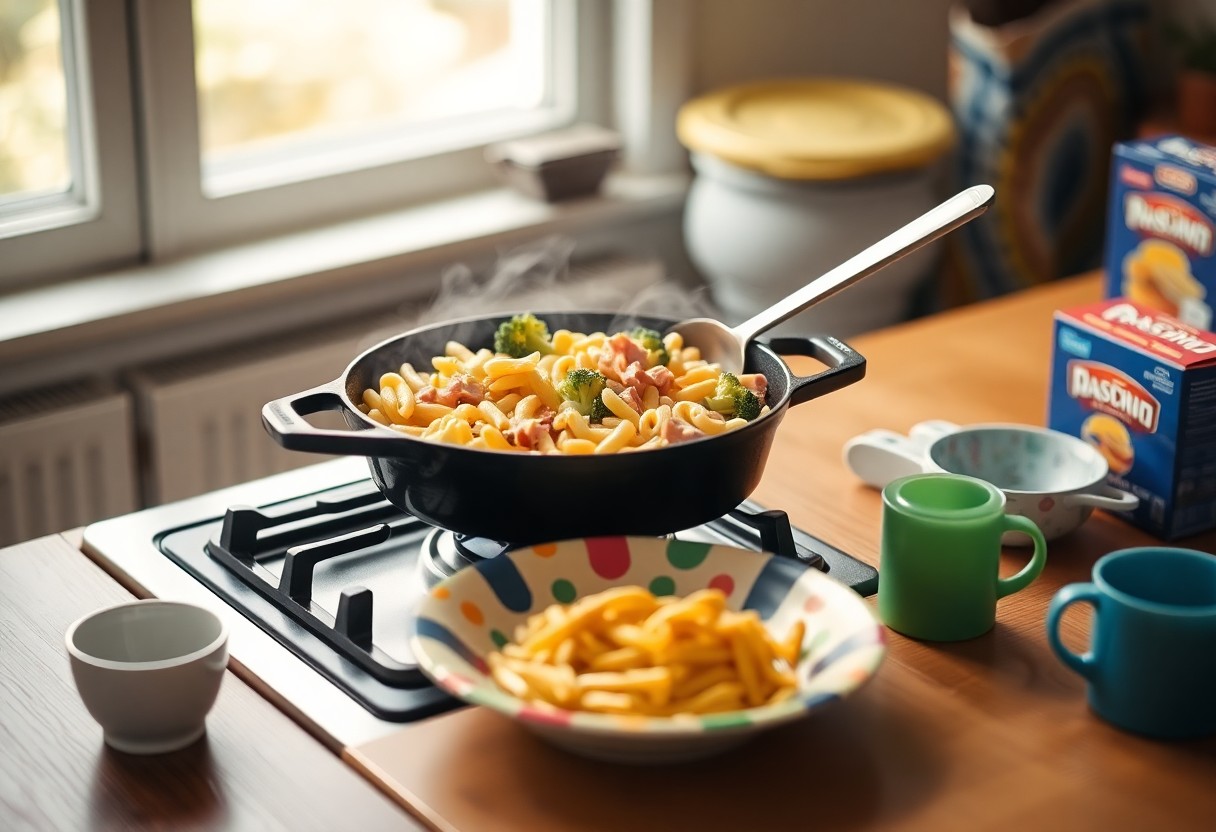
For busy weeknights, prioritize recipes that deliver comfort and speed: a one-pot chicken and rice that serves 4 in 30 minutes, a chili that yields 6 servings, and a 20-minute stovetop mac and cheese kids love. You can hide 1-2 cups of pureed vegetables into sauces, swap half the pasta for lentils to boost protein, and batch-freeze portions for 3-4 weeks to simplify future dinners.
Kid-Approved Options
Start with mild flavors and fun textures: cheesy taco pasta, mini meatballs in tomato sauce, and creamy chicken risotto often win votes and take 20-35 minutes. You should cut veg into small, even pieces and puree a cup of carrots into sauces to add nutrients without a fuss. Serve build-your-own bowls or dip-friendly sides like apple slices and yogurt to encourage picky eaters to try new bites.
Healthy Variations
Swap refined grains for whole ones-1 cup cooked quinoa provides about 8 g protein versus roughly 4 g in white rice-use low-sodium broth and limit oil to 1 tablespoon (≈120 kcal) to control calories. You can add 2 cups of spinach or kale per pot, plan for about 4 oz lean protein per person, and fold in beans for extra fiber; these swaps raise nutrient density while keeping flavors familiar.
Focus on technique to make swaps taste great: toast whole grains 2-3 minutes, sauté aromatics 3-5 minutes before adding liquids, and use a 1:2 grain-to-liquid ratio for quinoa (1:2-1:3 for farro). You should season in layers, finish with a squeeze of lemon or a splash of vinegar to brighten, and check doneness 5 minutes early so vegetables stay vibrant and slightly crisp.
Tips for Customizing One-Pot Dishes
You can tailor proteins, liquids and textures easily: swap chicken for tofu (1:1 by weight), reduce broth by 25% when using starchy rice, toss in frozen peas for a quick veg boost, or brown meat first to add depth; finish with a splash of vinegar or 1 tbsp soy for balance. Use low-sodium stock to cut sodium by 30-50% when feeding kids. Any pantry staples-canned tomatoes, dried beans, bouillon-can expand meals quickly.
- Swap proteins: ground beef → lentils, 1 cup dried = ~2-3 cups cooked
- Change grains: pasta → 1 cup quinoa per 2 cups liquid
- Adjust liquids: reduce by ~25% for absorptive ingredients
- Finishings: fresh herbs, citrus, toasted nuts for texture
- Batch tips: double, cool, freeze in 2-3 cup portions
Flavor Enhancements
You should build layers: sauté 1 onion and 1-2 cloves garlic until golden, add 1 tsp smoked paprika or ½ tsp cumin, then deglaze with 1 tbsp lemon juice or 2 tbsp wine; finish with chopped parsley, 1 tbsp butter, or toasted seeds for texture. Toast whole spices 30 seconds to release oils, and small boosts like 1 tsp sugar or 1 tbsp soy dramatically balance acidity and salt.
Dietary Considerations
You can adapt one-pot recipes to diets by swapping ingredients: replace wheat pasta with quinoa or brown rice (use 1 cup grain to 2 cups liquid), use 1 can (15 oz) chickpeas or 1 cup dried lentils for vegetarian protein, and choose low-sodium broth to lower salt by up to 50%; for child-friendly meals reduce spice to one-third of adult levels and aim for 4 oz protein per adult serving.
You should also manage cook times and ingredient prep: par-cook dense items, use canned beans to skip long soaking, and opt for quick-cooking grains like quinoa when time is tight; for specific swaps, use garlic-infused oil for low-FODMAP needs and replace cream with Greek yogurt or blended white beans to cut fat while keeping body and protein.
Summing up
Hence you can rely on simple one-pot dishes to deliver quick, balanced meals that cut prep and cleanup, let you adapt ingredients to taste and dietary needs, and free up time for your family. With basic pantry staples and minimal technique you’ll streamline weeknight cooking, reduce waste, and keep meals varied and satisfying even on your busiest days.

Leave a Reply