
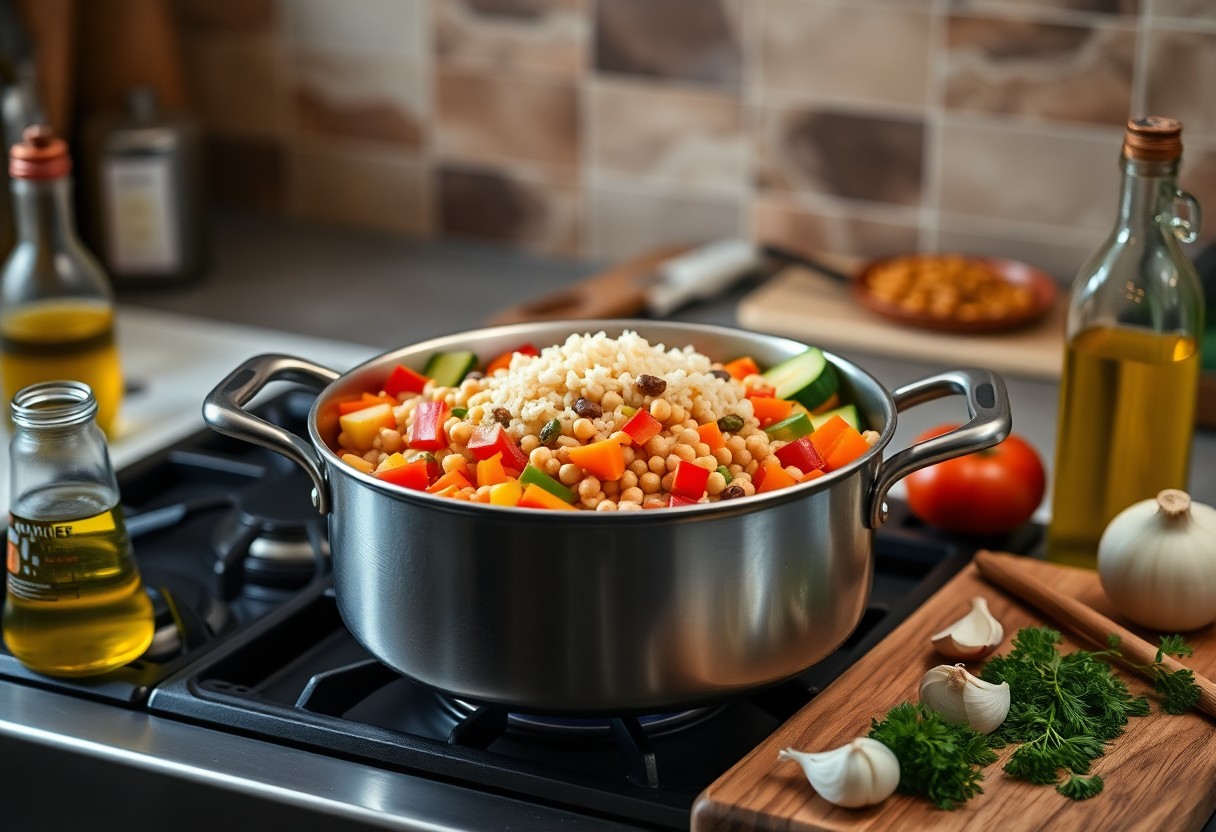
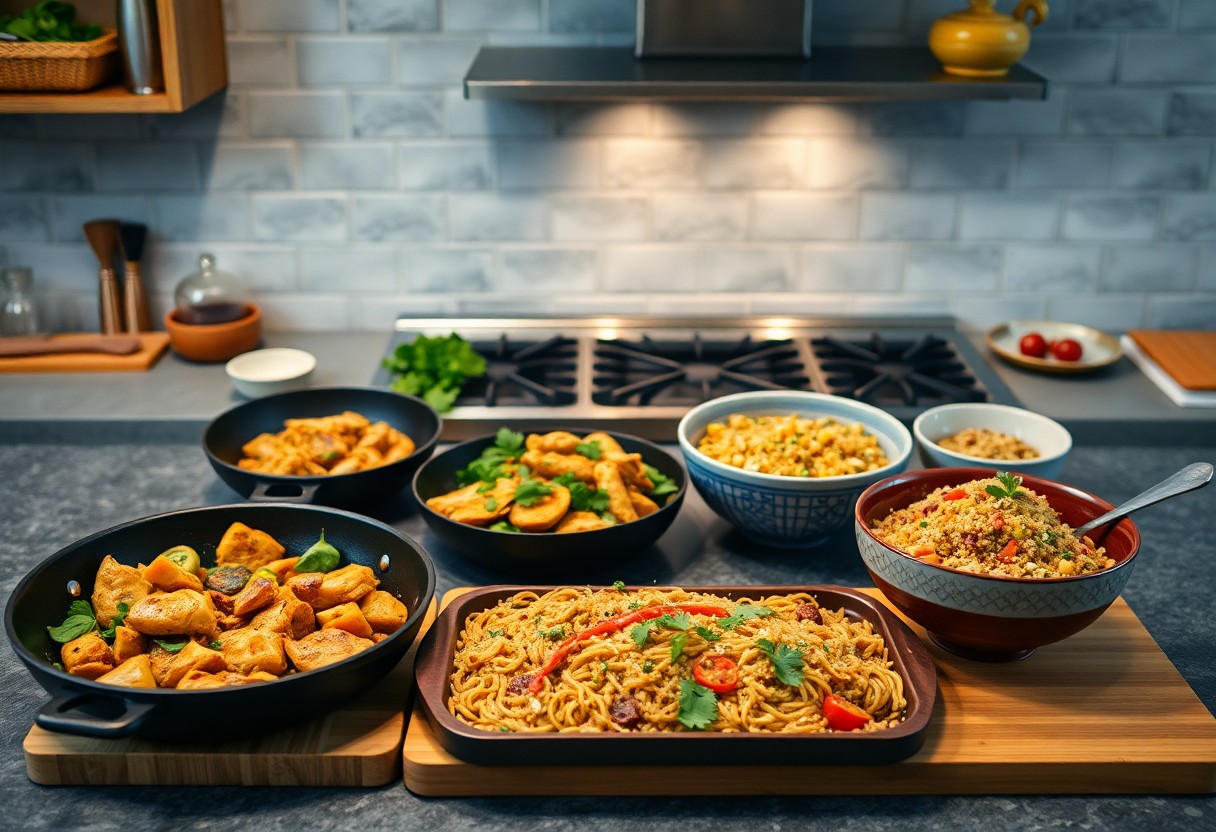
OnePot meals streamline your evening routine by combining flavor, nutrition, and minimal cleanup into a single pan. This collection gives you straightforward vegetarian recipes-grain bowls, stews, pastas, and skillet dishes-that use pantry staples, predictable techniques, and flexible timing so you can adapt to what you have and the time you need. You’ll get clear ingredient lists, concise step-by-step methods, and practical tips for batch cooking and storing leftovers, helping you keep dinners fast, nutritious, and low-stress.
Key Takeaways:
- Save time and reduce cleanup by cooking entire meals in one pot using pantry staples and minimal equipment.
- Create balanced dinners by combining vegetables with plant-based proteins (beans, lentils, tofu) and whole grains in one skillet or pot.
- Enjoy flexibility-recipes are easy to adapt, scale, and repurpose for leftovers or meal prep.
Benefits of One-Pot Cooking
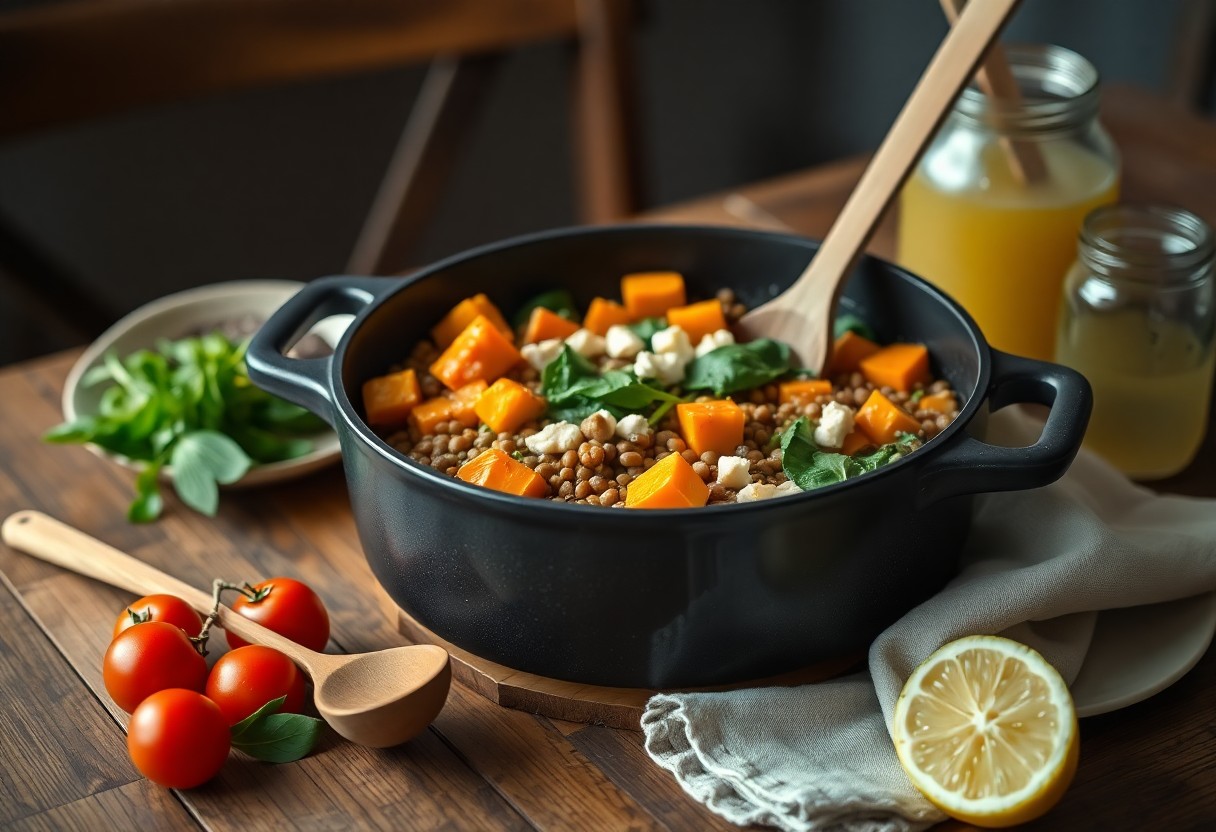
You’ll get more than fewer dishes: one-pot cooking compresses steps-sauté, simmer, steam-into a single vessel so grains and legumes absorb flavors while you do other things. Weeknight examples like lentil curry or skillet shakshuka take 25-40 minutes from start to table, and many home cooks report cutting prep and cleanup time by over half. That efficiency keeps dinners predictable and satisfying without extra effort.
Time-Saving Advantages
When you streamline everything into one pot, multitasking becomes simple: sauté onions, add spices, toss in vegetables and a grain, then simmer-no juggling five pans. For instance, a one-pot Mexican quinoa yields a full meal in about 30 minutes and eliminates separate roasting or boiling steps. You can batch-cook 4-6 servings at once, saving 20-40 minutes across several weeknight meals and reducing decision fatigue.
Minimal Cleanup
Fewer pans means less post-dinner dread: you often wash one pot, one utensil and maybe a cutting board. In practice, that cuts sink time dramatically-many cooks spend under 10 minutes rinsing and loading the dishwasher after a one-pot meal compared with 20-30 minutes for multi-dish dinners. That small change frees evenings for other tasks or relaxation.
Beyond time savings, cleanup compounds across the year: saving 15 minutes per dinner five nights a week equals roughly 65 hours annually. You can further reduce mess by using a silicone spatula and a nonstick or enameled Dutch oven-fats rinse easily and baked-on bits loosen after a 10-minute soak. That translates to less detergent, lower water use, and fewer missed evening activities.
Essential Ingredients for Vegetarian One-Pot Meals
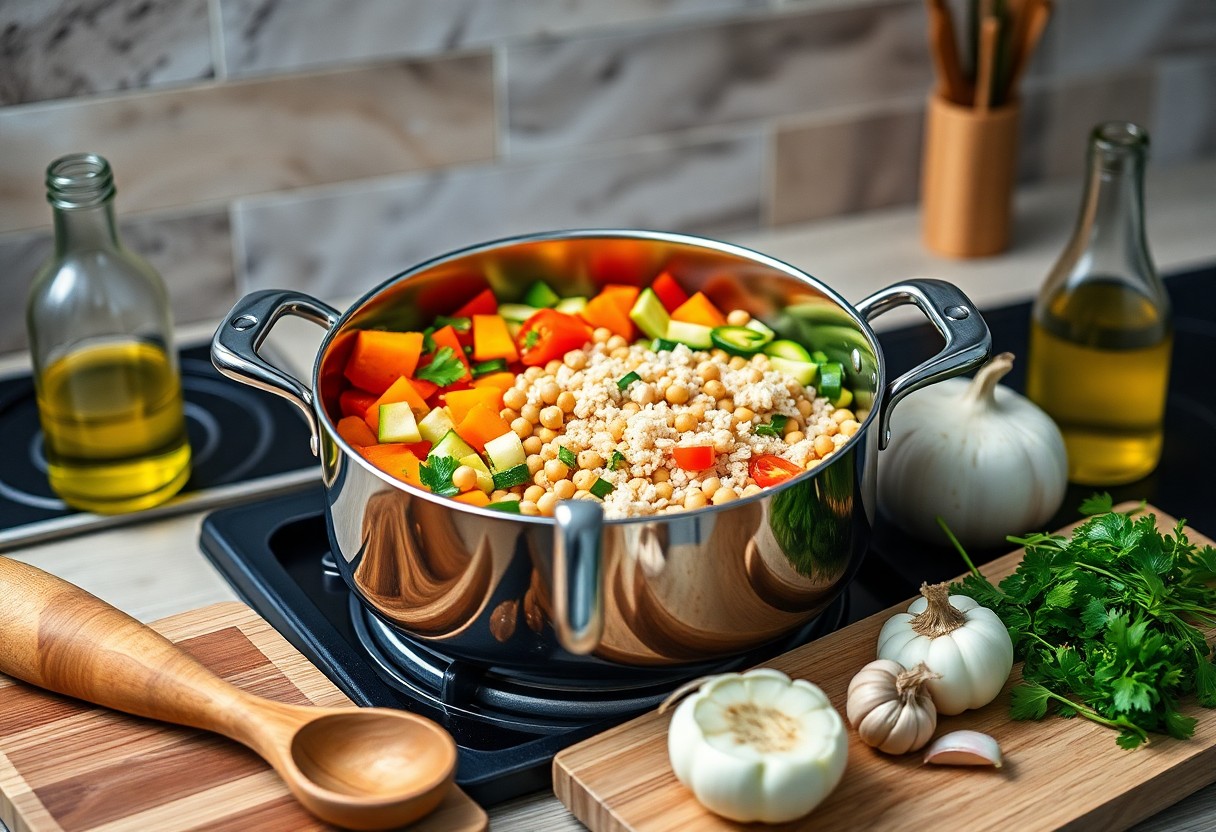
You want a lean pantry: whole grains (quinoa, brown rice, farro), a variety of legumes, canned tomatoes (400 g cans), good vegetable broth, olive oil, onions and garlic, and a small spice kit (cumin, smoked paprika, coriander). Use 1-2 fresh herbs-parsley or cilantro-for finishing. Stocking 3-4 staples of each category lets you mix-and-match proteins, textures, and flavors, turning a single pot into a balanced meal in 20-60 minutes depending on grains and legumes.
Whole Grains
Quinoa cooks in 12-15 minutes with a 1:2 grain-to-liquid ratio, while brown rice needs 40-45 minutes at 1:2.5; pearled farro and barley take 20-40 minutes. You can use quick-cooking couscous (1:1, 5 minutes) or instant polenta for 10-minute meals. Plan your pot timing: add long-cook grains first, or par-cook them separately to keep total one-pot time under 45 minutes.
Vegetables and Legumes
Lentils are one-pot heroes: red lentils soften in 15-20 minutes, green/brown need 30-45 minutes. Dried beans require soaking and long simmering unless you use canned (one 400 g can yields about 240 g drained). Add root vegetables like carrots and potatoes early, and reserve quick-cook veg-spinach, zucchini, peas-for the last 2-5 minutes to preserve texture and color.
For deeper results, sweat onions and garlic 5-7 minutes before adding spices, then bloom spices 30-60 seconds to release oils; deglaze with 1/2 cup broth or wine to lift browned bits. You’ll get 17-18 g protein from 1 cup cooked lentils, so pairing 1 cup lentils with 1-2 cups whole grain per pot yields a filling, nutrient-dense meal-finish with 1 tablespoon acid (lemon or vinegar) to brighten flavors.
Quick and Easy One-Pot Recipes
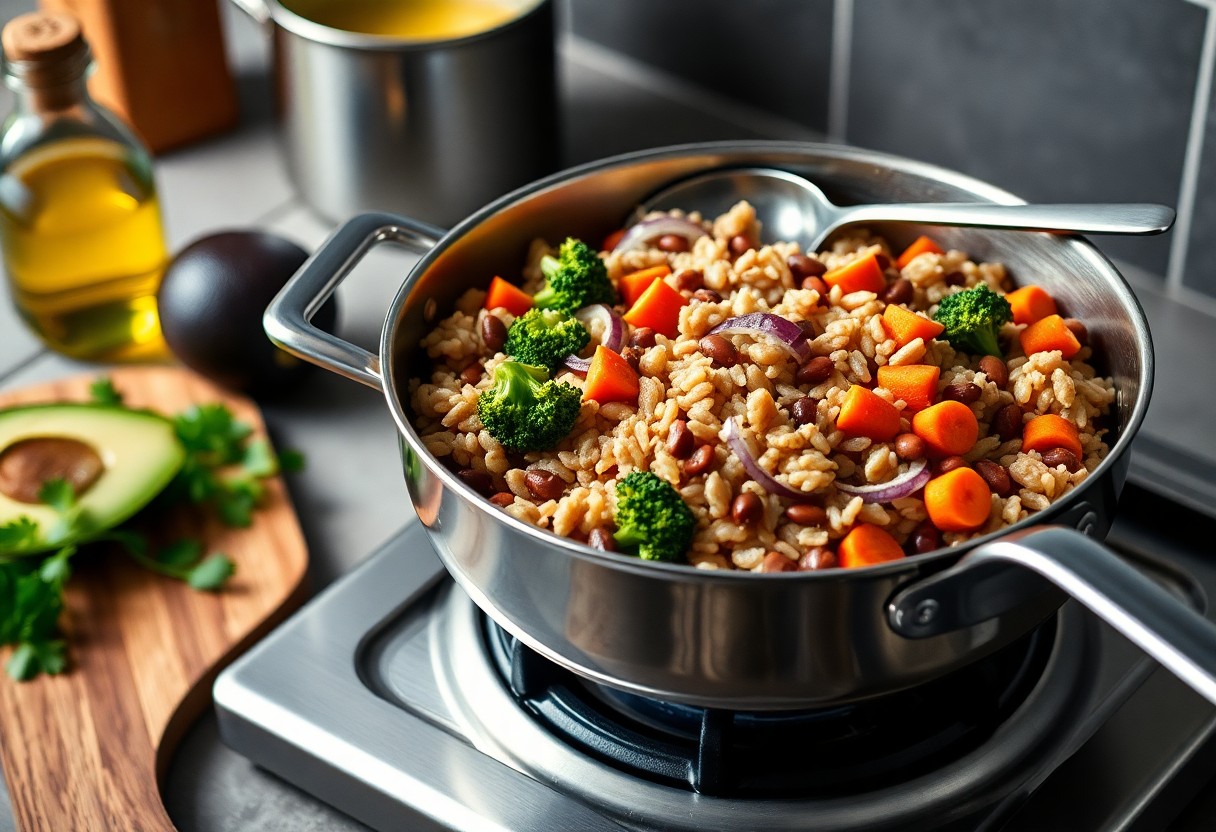
You can turn pantry staples into a satisfying dinner in 20-40 minutes using these one-pot recipes. They typically yield 2-6 servings – for example a hearty vegetable chili makes about 4 servings while a creamy risotto serves 2-4. Focus on timing: weeknight bowls in 20-30 minutes, simmered stews closer to 40. Use a heavy-bottomed pot, measure liquids precisely, and batch-cook leftovers for 2-3 days of lunches.
One-Pot Vegetable Chili
You build this with 2 cans (15 oz) of beans, 1 can (14-15 oz) diced tomatoes, one large onion, two bell peppers, 1 cup frozen corn, and 2 tbsp chili powder. You should sauté onion and pepper for 5 minutes, add spices, beans and tomatoes, then simmer 20-25 minutes. It serves 4, freezes for up to 3 months, and takes about 35-40 minutes total; top with avocado, cilantro, or plain yogurt.
Creamy Mushroom Risotto
You start with 1 cup arborio rice and 12-16 oz mixed mushrooms. Sauté mushrooms separately for 6-8 minutes to brown, toast the rice 2 minutes, deglaze with ½ cup white wine (optional), then add warm vegetable stock ladle by ladle for roughly 18-20 minutes until al dente. It serves 2-4 and finishes best with 2 tbsp butter and ¼ cup grated Parmesan.
You’ll get the signature risotto texture by keeping the stock hot and adding about 3.5-4 cups of stock per 1 cup rice, ladling ½ cup at a time and allowing absorption before the next addition. For deeper umami, rehydrate ¼ cup dried porcini in ½ cup hot water and add both the mushrooms and soaking liquid. You can swap half the butter for olive oil to keep it lighter while maintaining silkiness.
Flavor Enhancers for One-Pot Dishes
Balance big flavors with small additions: add a bay leaf or a sprig of thyme while simmering, finish with 1 tablespoon lemon juice or 1 teaspoon vinegar to brighten, and use 1 teaspoon smoked paprika or 1 tablespoon tomato paste per pot to build depth. You can deepen umami with 1 tablespoon miso or 1-2 tablespoons soy sauce without over-salting, and a splash of coconut milk (¼-1 cup) rounds textures in stews or curries.
Herbs and Spices
Use dried-to-fresh ratios of about 1:3 (1 teaspoon dried = 1 tablespoon fresh) and add hardy herbs like rosemary or thyme at the start, while delicate herbs-basil, cilantro-go in the last 2 minutes. Toast whole spices 30-60 seconds before adding liquids to release oils; try 1 teaspoon cumin seeds or ½ teaspoon coriander seeds per 4 servings for a noticeable lift.
Sauces and Broths
Start with low-sodium vegetable stock as your base and plan 2-3 cups liquid per cup of grain or legume as a starting point, then layer sauces: 1 cup tomato passata, ¼-1 cup coconut milk, or 1-2 tablespoons soy sauce change the dish’s character quickly. You’ll control sodium best by using low-salt stock and adding concentrated flavorings to taste.
When you need concentrated flavor, deglaze the pot with ¼ cup wine or vinegar after sautéing aromatics, then reduce by half before adding bulk liquids; dissolve 1 tablespoon miso off heat to avoid bitterness, and use 1 tablespoon tomato paste sautéed briefly to add caramelized sweetness. For quick umami, bouillon paste at about 1 teaspoon per cup of water gives intense stock without extra simmer time.
Tips for Perfect One-Pot Meals
Refine small habits to boost consistency: use medium-high heat to build a fond, stagger ingredient additions by density, and finish with an acidic touch like 1 tsp lemon or 1 tbsp vinegar to wake flavors. Test textures early-grains often need 10-20 minutes, lentils 15-25 minutes-and salt in stages so you don’t overdo it. Recognizing when to lift the lid, taste for doneness, and adjust liquid or heat will prevent soggy grains and undercooked pulses.
- Sear aromatics 2-4 minutes before adding liquids to deepen flavor.
- Toast grains 1-2 minutes for nuttiness; quinoa usually uses 1:1.5 to 1:2 liquid ratio.
- Deglaze with 1/4 cup wine or stock to release browned bits.
- Stagger cooking: root veggies first, quick greens last (add in final 3-5 minutes).
- Use a tight-fitting lid to trap steam when cooking whole grains-reduces water loss by ~25%.
Cooking Techniques
You should start by building layers: sauté onions and garlic 3-4 minutes until translucent, then toast grains 60-120 seconds before adding liquid; this adds color and reduces starchiness. When using canned beans, add them in the last 5-10 minutes to avoid mushiness; dried legumes need pre-soaking or 30-60 minutes simmering. For even cooking, bring to a simmer, then lower to medium-low and check after two-thirds of the listed cooking time.
Portion Control
You’ll plan portions by volume: aim for 1/2-3/4 cup cooked grains per person and 3/4 cup cooked legumes or 100-150 g tofu for protein. Vegetables should fill about 1-2 cups per serving to meet fiber needs. Scale by serving: 1 cup dry brown rice yields roughly 3 cups cooked-enough for four 3/4-cup portions-so adjust dry measurements rather than guessing by sight.
For batch cooking, multiply those targets: for four people, use 1 cup dry rice (≈3 cups cooked) and 1-1¼ cups dry lentils (they yield ~2-3 cups cooked depending on type). Track calories if needed-3/4 cup cooked quinoa is ~170 kcal, while 3/4 cup cooked lentils is ~160 kcal-so you can balance grains and legumes to hit a target of 400-600 kcal per meal. Use a kitchen scale for repeatable results.
Meal Prep and Storage Ideas
Making Ahead
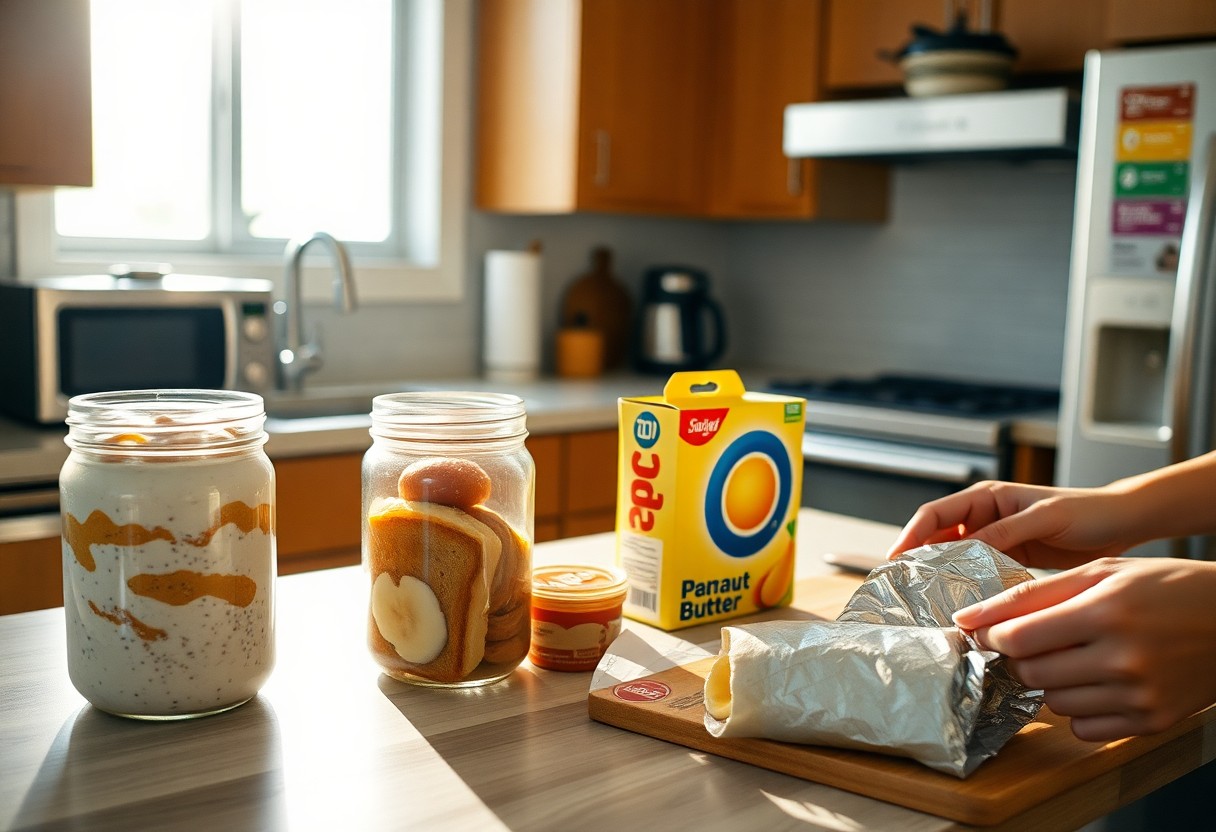
When you plan, make soups, stews and curries up to 3 days ahead and freeze portions for up to 3 months; par-cook grains and roast vegetables, store separately in airtight glass containers; assemble grain bowls in mason jars, layering dressing at the bottom so salads stay crisp; cool cooked food until warm to the touch and refrigerate within two hours, labeling each container with the date to streamline reheating.
Storing Leftovers
Place leftovers in shallow airtight containers and refrigerate within two hours; most cooked vegetarian one-pot meals keep 3-4 days in the fridge and 2-3 months in the freezer. You should use glass when possible to avoid odors, and label with the cooking date. Reheat on the stovetop or microwave to an internal temperature of 165°F (74°C) before eating, stirring to ensure even heating.
To keep texture, you should separate starchy bases and sauces when possible: store rice or pasta in one container and sauce in another, adding a splash of water or broth when you reheat to prevent dryness. Thaw frozen meals overnight in the fridge or use the defrost setting, and re-crisp vegetables or toppings in a 400°F (200°C) oven for 8-12 minutes; consume refrigerated leftovers within 4 days to reduce food-safety risk.
Summing up
Presently you can rely on simple one-pot vegetarian recipes to streamline your weeknight cooking, delivering balanced meals with minimal cleanup and flexible ingredients. By mastering a few techniques-layering flavors, timing vegetables, and using pantry staples-you’ll save time, reduce stress, and confidently feed yourself and others nourishing dinners that are easy to adapt to your preferences and seasonal produce.

Leave a Reply