
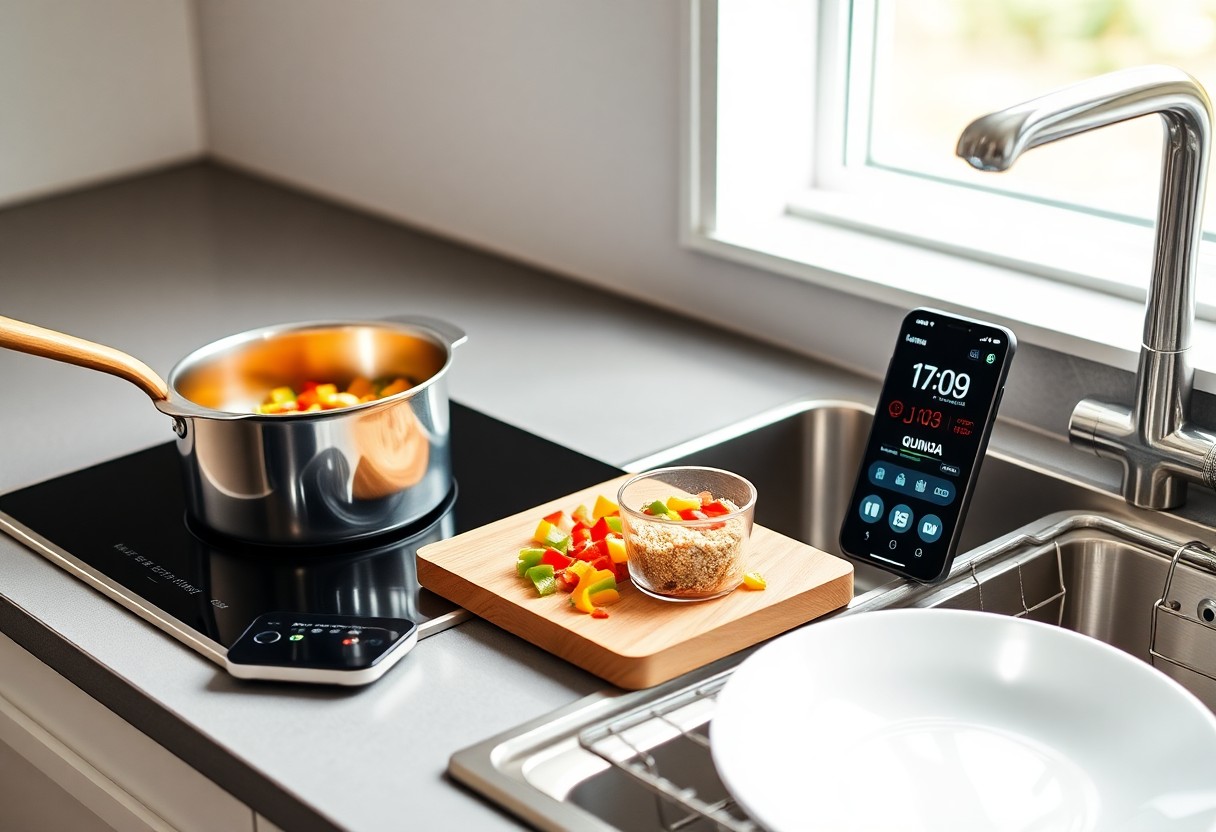
Overwhelmingly, one-pot recipes streamline weeknight cooking by combining ingredients, reducing prep and cutting dish counts so you can finish meals faster and with less cleanup. When you choose well-balanced, single-pot dishes you control flavors, nutrition, and portioning while saving time on both cooking and washing, making efficient home cooking practical and sustainable for your routine.
Key Takeaways:
- One-pot meals cut active cook time and reduce dishes by combining sautéing, simmering, and baking steps in a single pan.
- Choose the right pot or pan and use ingredient order and heat control to build flavor without extra cleanup.
- Prep ingredients and rely on versatile staples so you can adapt recipes quickly and finish cleaning while food rests.
Benefits of One-Pot Cooking
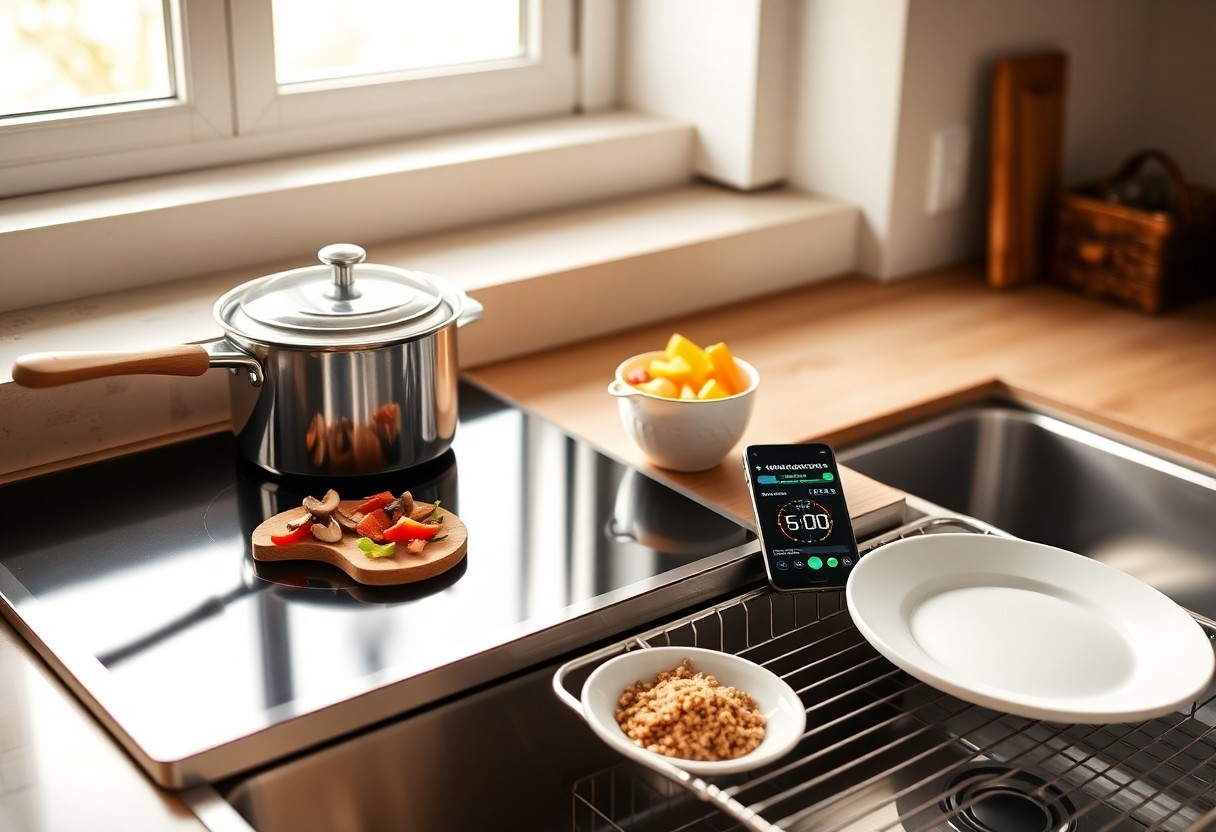
Beyond simplifying steps, one-pot cooking delivers concrete gains: you can shave 15-30 minutes off weeknight meals and cut the number of dishes by half or more. By combining searing, simmering, and finishing in a single vessel-think chicken‑and‑rice or a lentil stew-you reduce stove juggling and make portioning, storing, and reheating easier, which matters if you batch-cook for 3-4 days or feed a family of four on busy evenings.
Time-Saving Advantages
When time is tight, one-pot recipes collapse multiple stages into continuous workflows: sear ingredients, add liquid, then simmer-no pan transfers. You’ll often complete a hearty one-pot dinner in 30-40 minutes for 4 servings, versus 50-70 minutes and multiple pans for separate components, and you’ll cut active hands-on time by 10-20 minutes per meal.
Reduced Cleanup Efforts
With only one pan, you dramatically lower dish count: a full multi-course meal that generates 8-12 items can become 2-3 pieces with one-pot cooking, which reduces sink time and the number of dishwasher cycles. You’ll also use fewer utensils and cutting boards, simplifying post-meal routines and saving water and detergent.
To streamline cleanup further, use techniques like lining pans with parchment for baked one-pot dishes, soaking the pot for 10 minutes in hot water to loosen stuck bits, and switching to silicone spatulas that leave no scratches. Choosing nonstick or enameled cast-iron for acidic stews prevents stubborn stains, and cleaning right away usually cuts scrubbing time by half.
Essential Ingredients for One-Pot Meals
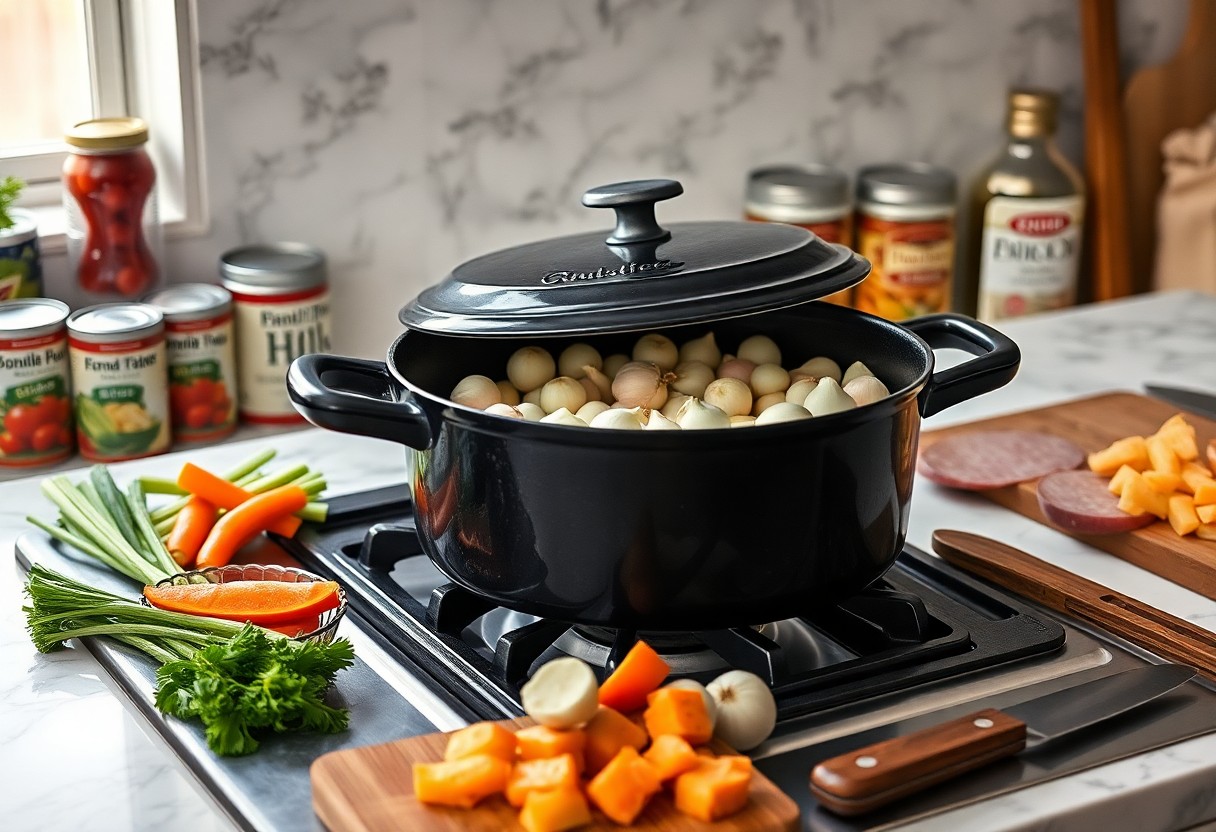
You’ll build one-pot menus around a core set: 4-6 canned goods (diced tomatoes, chickpeas, coconut milk), 1-2 long-grain starches (rice, pasta), 2-3 lentil or bean varieties, and 1-2 liters of low-sodium broth. Add aromatics (onion, garlic), cooking oil, and 5-8 spices-smoked paprika, cumin, oregano-to support 10-15 minute sautés and 20-40 minute simmers.
Pantry Staples
You should keep: 5-7 cans (tomatoes, beans, coconut milk), 1 kg rice, 500 g pasta, 400 g dried lentils, and at least 2 liters of broth. Include versatile condiments-soy sauce, vinegar, tomato paste-and shelf-stable fats like olive oil and ghee. Those items let you convert a basic sauté into curries, stews, or risottos in 20-45 minutes.
Fresh Produce Recommendations
You should prioritize hardy vegetables-onions, carrots, potatoes, and bell peppers-that tolerate long braises; keep 2-4 of each on hand. Sturdy herbs like parsley and cilantro and aromatics such as ginger extend flavor lifespan. Also buy 1-2 heads of quick-cook greens (spinach, kale) for last-minute freshness or frozen vegetables to save prep time and reduce waste.
You’ll add root vegetables at the start-potatoes need 25-35 minutes, carrots 20-30-so they soften during simmering. Sear peppers and onions 4-6 minutes to build fond; stir in greens in the final 1-3 minutes to preserve texture. For meal prep, store washed greens in a paper towel-lined container and freeze chopped vegetables in 1-2 cup portions to shave 5-10 minutes off prep.
Popular One-Pot Recipes
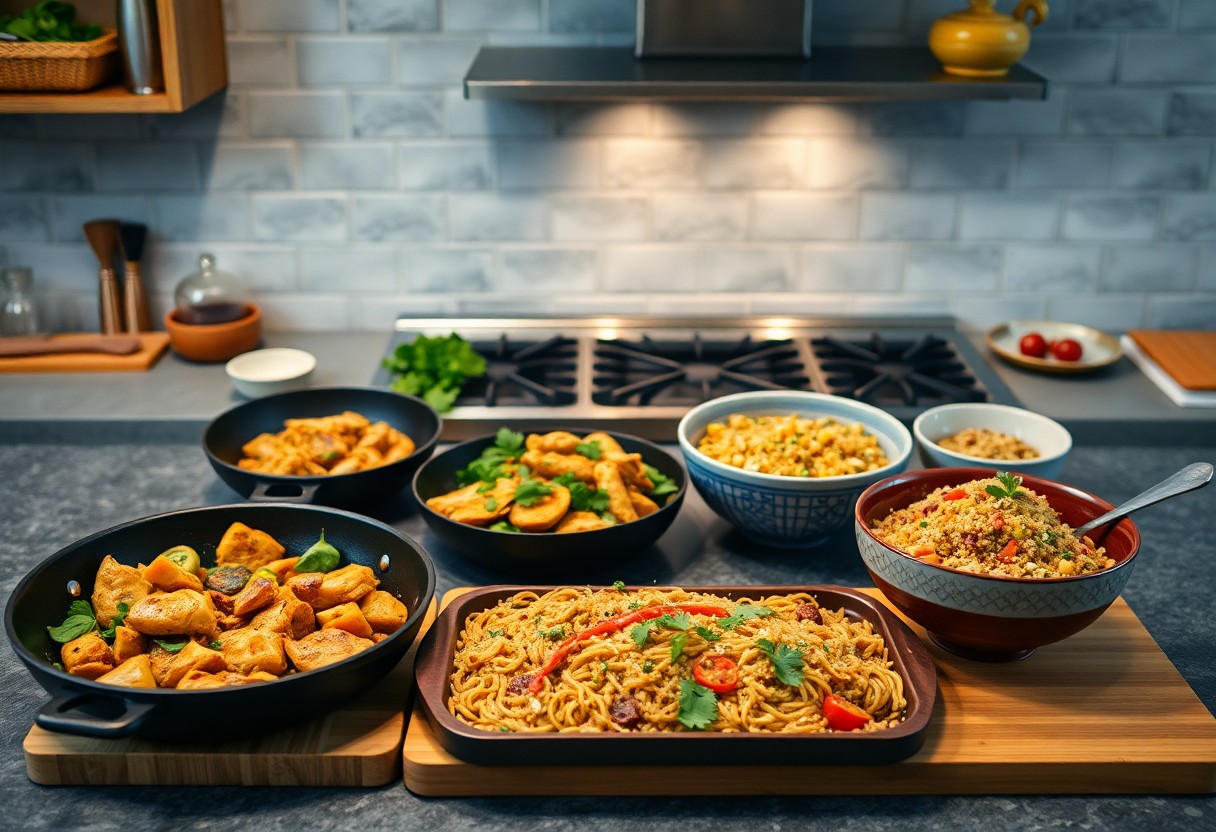
You’ll find three go-to families: soups, rice-and-grain bowls, and pastas, each suited to different time windows and cookware – a 4-quart Dutch oven for long-simmering stews, a 12-inch skillet for quick sautés, or a medium pot for pasta. Soups often simmer 30-60 minutes for depth; rice dishes usually take 20-40 minutes including resting; one-pot pastas finish in 8-12 minutes. Examples to try: lentil stew with chorizo, chicken‑and‑rice pilaf, and creamy tomato‑basil spaghetti.
Hearty One-Pot Soups
Aim for front-loading flavor by sautéing aromatics and browning proteins, then add 1 cup dried lentils to about 4 cups stock or 1 pound chicken pieces to 6-8 cups stock and simmer 25-45 minutes. You can bulk up meals with 2 cups chopped root vegetables or a 14‑ounce can of diced tomatoes. If you want thicker texture, mash a cup of cooked beans into the pot or blitz a portion with an immersion blender.
Quick One-Pot Pasta Dishes
Use 8-12 minutes of active cooking: combine 12 ounces dry pasta with just-covering liquid, aromatics, and 1-2 cups chopped vegetables in a high-sided skillet or shallow pot, bring to a simmer, and stir occasionally until al dente. Popular builds include garlic‑lemon shrimp with angel hair, sausage‑and‑pepper rigatoni, and a one-pot carbonara finished with ½ cup grated Pecorino.
To maximize success, start by spreading ingredients in an even layer so pasta cooks uniformly, then maintain a gentle boil; test for doneness at 8 minutes and add liquid in ¼‑cup increments if needed. Reserve ¼-½ cup starchy cooking water before draining to loosen the sauce, finish with 1-2 tablespoons butter or ½ cup grated cheese for shine, and serve immediately to keep texture optimal.

Cooking Techniques for Success
You should focus on three repeatable moves: brown proteins and aromatics to build flavor, deglaze with ¼-¾ cup liquid to lift fond, and control steam by using the lid-partially covered for reductions, fully covered to trap heat. Searing for 3-5 minutes per side, toasting spices 30-60 seconds, and finishing casseroles at 350-375°F for 10-20 minutes will consistently sharpen results and cut active monitoring time.
Layering Ingredients
Place long‑cooking items first: root vegetables like potatoes or carrots (20-25 minutes) and bone‑in chicken thighs (25-30 minutes) belong at the bottom or added early; add aromatics next-onions 4-6 minutes, garlic 30-60 seconds-then grains or pasta, and finish with quick greens and herbs to preserve texture. You’ll get even cooking and avoid mush by matching placement to cook time and moisture needs.
Adjusting Cooking Times
When you swap ingredients, recalculate: white rice usually needs 12-15 minutes, barley 25-30, and most pastas 8-12 minutes once the liquid simmers; cut oven finish times by 5-10 minutes if ingredients are pre‑browned. Test for doneness 3-5 minutes early to prevent overcooking and reduce heat or add ¼ cup liquid if the pot goes dry.
Use temperature and carryover as guides: an instant‑read thermometer at 165°F for poultry ensures safety, and a 3-5 minute rest lets juices redistribute. At elevations above ~3,000 ft increase simmer time by roughly 5-15% and add 5-10% more liquid; timers plus one or two taste checks keep adjustments precise.
Tips for Flavor Enhancement
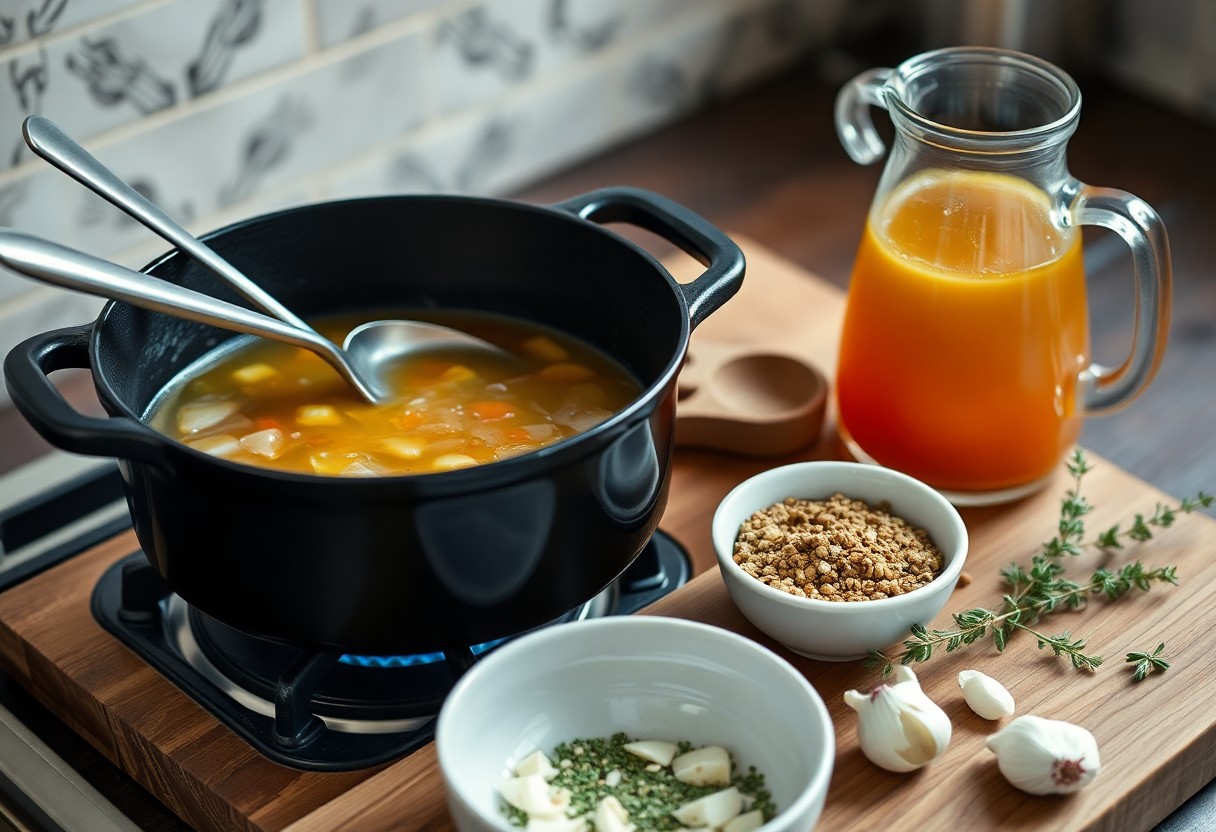
Push flavor with focused moves: bloom spices, caramelize tomato paste for 1-3 minutes, and add acids last to brighten; toast whole seeds 30-60 seconds to release oils. Use precise boosts-1-2 tbsp soy, 1 tsp fish sauce, or a squeeze of lemon-to shift a pot without overworking it. Knowing how and when to layer these elements will let you turn simple one-pot recipes into complex, balanced meals.
- Toast whole spices 30-60 seconds before adding liquids to amplify aroma.
- Add 1-2 tbsp tomato paste early and brown for depth, finish with acid.
- Use 1 tsp fish sauce or 1 tbsp soy for umami instead of extra salt.
Herbs and Spices
Apply the 3:1 conversion-1 tsp dried = 1 tbsp fresh-and time additions: add hardy herbs like thyme or bay early for 15-30 minutes, while delicate ones like basil and cilantro go in the last 2-5 minutes. You can also crush garlic or ginger to release juices, and toast seeds like cumin for 30-60 seconds to deepen flavor without extra ingredients.
Sauces and Additions
Lean on concentrated sauces: caramelize 1-2 tbsp tomato paste, stir in 1 tbsp soy or 1 tsp fish sauce for umami, or add 1/4 cup coconut milk for creaminess. Layer them-base during deglaze, finish toward the end-and always taste after each 1-2 minute adjustment so you don’t overshoot balance.
When deglazing, dissolve paste or curry into 1/4 cup hot liquid to prevent clumps and bloom pastes in 1-2 tbsp oil for 1-2 minutes to unlock flavor. Finish with 1 tbsp butter or 1-2 tbsp grated hard cheese to enrich mouthfeel, and salt only after reduction since concentration can raise sodium impact.
Storing and Reheating One-Pot Meals
When you cool one-pot meals within two hours, portion them into shallow airtight containers to speed cooling and prevent bacterial growth; label with date, refrigerate at 40°F (4°C) for 3-4 days, or freeze stews up to 3 months and delicate vegetables 1-2 months. You can separate grains from sauces to preserve texture, and glass containers or heavy-duty freezer bags work well for long-term storage.
Proper Storage Methods
You should use shallow containers (1-2 inches deep) so heat dissipates quickly, and set your fridge to ≤40°F (4°C). For freezing, leave ~1 inch headspace for expansion and use heavy-duty freezer bags or freezer-safe glass; vacuum sealing can extend quality. Label containers with contents and date, and store rice chilled within one hour to reduce risk.
- Shallow, wide containers cool faster-use 1-2 inch depth for leftovers.
- Freeze mixed dishes in portioned bags to reduce thawing time and waste.
- The best practice is to label containers with date and reheating notes to avoid spoilage and simplify meal rotation.
Reheating Tips
When you reheat, begin with low, even heat: stovetop covered at low simmer for 5-10 minutes while stirring to reach 165°F (74°C); oven at 300°F (150°C) for larger batches until steaming; microwave in 1-2 minute bursts, stirring between intervals. Add 1-2 tablespoons of stock or water per cup to restore moisture, and avoid reheating more than once to protect quality and safety.
You can gauge time by volume-1 cup typically needs 60-90 seconds in a microwave, while 3-4 cups require 4-6 minutes with stirring every 90 seconds; for thick stews, stir from the center and test with a thermometer. To revive creaminess, whisk in a tablespoon of milk or stock and cover while heating to trap steam.
- Microwave: stir every 60-90 seconds and rotate plate for even heating.
- Stovetop: keep covered and stir occasionally to prevent scorching.
- The thermometer should read 165°F (74°C) before you serve reheated dishes.

Leave a Reply