
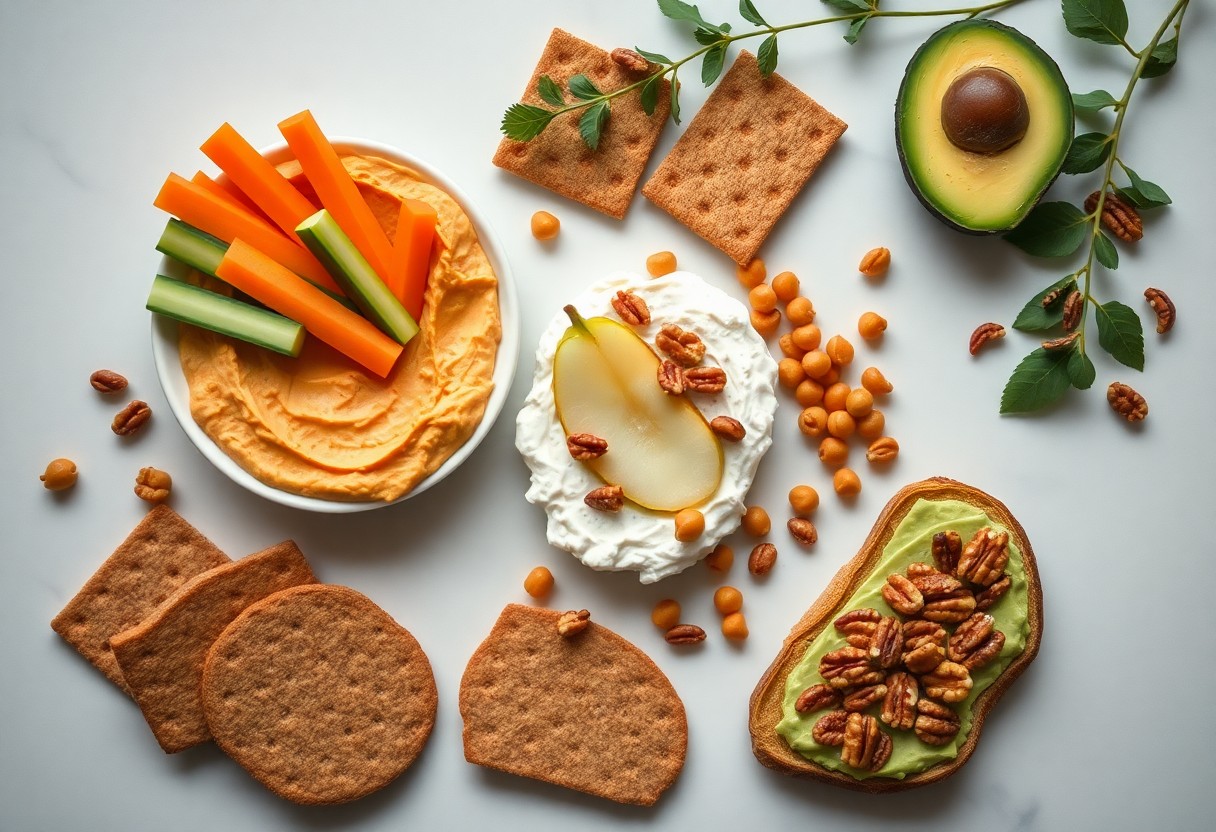
You can stay satisfied between meals by choosing snacks that combine protein, fiber, and healthy fats; pairing Greek yogurt with berries and nuts, hummus with vegetables, or an apple with almond butter are portable, nutrient-dense options. Prioritize whole foods, portion control, and mindful timing to prevent energy dips and overeating, and adjust choices to your schedule and activity level for sustained fullness and better focus.
Key Takeaways:
- Combine protein and fiber-such as Greek yogurt with berries or hummus with veggies-to slow digestion and prolong fullness.
- Add healthy fats and low-glycemic carbs like nuts, avocado, or whole-grain crackers to stabilize blood sugar and curb cravings.
- Prep portioned, high-volume snacks (chopped veggies, hard-boiled eggs, homemade trail mix) to make satisfying choices convenient.
The Importance of Smart Snacking
Choosing the right mini-meals alters appetite hormones and stabilizes blood sugar so you avoid energy dips and overeating later; aim for snacks of 150-300 calories containing roughly 15-20 g protein, 3-5 g fiber and 5-10 g healthy fat. You can slow digestion and prolong fullness with combos like Greek yogurt plus berries, apple with 2 tablespoons peanut butter, or hummus with sliced peppers.
Understanding Hunger Signals
You should distinguish physiological hunger-stomach rumbling, low energy, lightheadedness, trouble concentrating-from habitual or emotional cues like boredom or stress. When you’re unsure, pause 10-15 minutes and sip water; genuine hunger often persists and responds to a protein-and-fiber snack. Also note that ghrelin rises before meals while protein-rich choices suppress it longer, helping you wait for the next meal.
Benefits of Healthy Snacks
Healthy snacks give sustained energy, steadier blood glucose, and reduced likelihood of overeating at the next meal; they also boost daily nutrient intake when you choose whole foods. Targeting 15-20 g protein and 3-5 g fiber per snack helps satiety, and keeping portions in the 150-300 kcal range makes it easier to manage total daily calories without feeling deprived.
Practical examples reinforce those benefits: 170 g plain Greek yogurt delivers about 15 g protein; one small apple with 2 tablespoons peanut butter provides roughly 7-8 g protein and 3-4 g fiber (~200 kcal); 1/4 cup almonds offers ~6 g protein and ~3 g fiber (≈160-170 kcal). You can prep 3-4 snack combos for the week so you grab balanced choices 3-4 hours after meals and avoid impulsive, high-sugar options.
Protein-Packed Snack Ideas
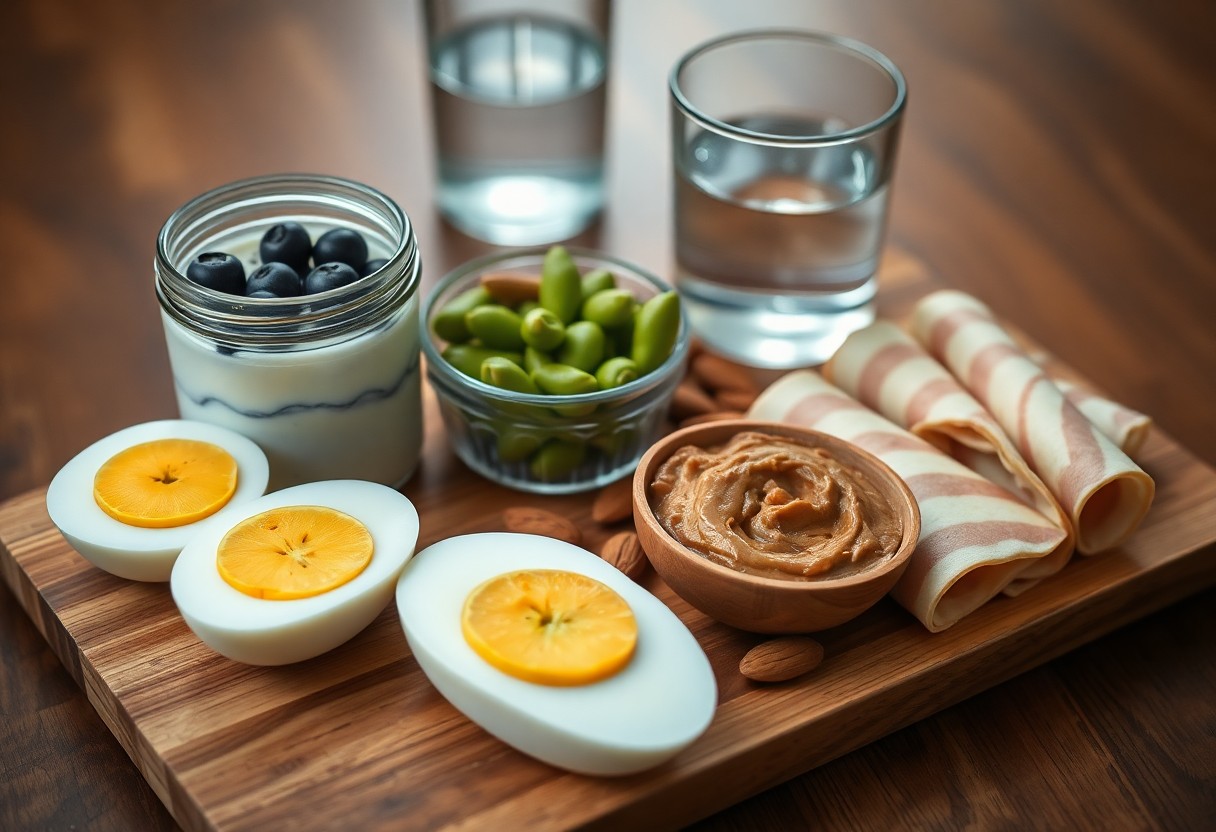
Aim for snacks that deliver roughly 10-20 g of protein to extend fullness between meals; practical choices include Greek yogurt, cottage cheese, hard-boiled eggs, edamame, and nut butter on whole-grain toast. Mixing a protein source with fiber or healthy fat stabilizes blood sugar and slows digestion, so you can plan quick combos-like a 6-oz Greek yogurt or two tablespoons of peanut butter plus a slice of seeded bread-to keep energy steady for 2-4 hours.
Greek Yogurt and Berries
Choose a 5-6 oz container of plain Greek yogurt (about 15-20 g protein) and top with ½ cup berries for 3-8 g fiber depending on the berry; this combo gives protein for satiety and antioxidants for recovery. You can stir in 1 tbsp chia seeds or 2 tbsp granola for extra texture and 2-4 g more protein, keeping the snack balanced at roughly 150-250 calories.
Nut Butter and Whole Grain Toast
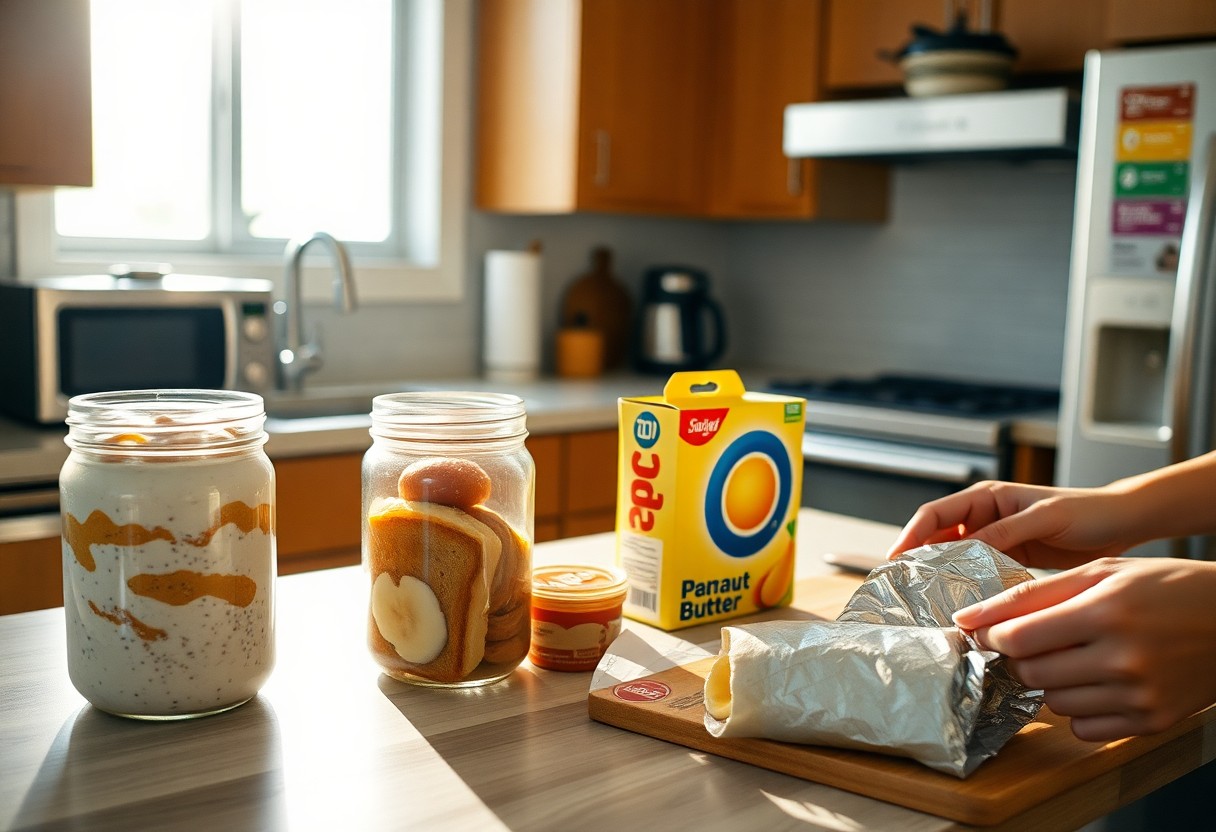
Spread 1-2 tbsp of natural peanut or almond butter (around 4-8 g protein per tablespoon pair) on one slice of whole-grain or sprouted bread (typically 4-6 g protein) to hit ~10-14 g protein per snack; add banana or apple slices for fiber and potassium. Choosing minimally processed nut butter reduces added sugars and oils, and pairing with whole grains prolongs fullness through combined protein, fat, and complex carbs.
Two tablespoons of peanut butter are roughly 180-200 kcal and supply about 8 g protein, while a slice of hearty whole-grain bread adds 70-100 kcal and 4-6 g protein, so the stack totals approximately 250-300 kcal and 12-14 g protein. If you want more protein without many extra calories, add a hard-boiled egg (+6 g protein) or sprinkle 1 tbsp hemp or chia seeds (+2-3 g) to push the snack toward 18-20 g when needed for longer gaps between meals.
Fiber-Rich Snack Options
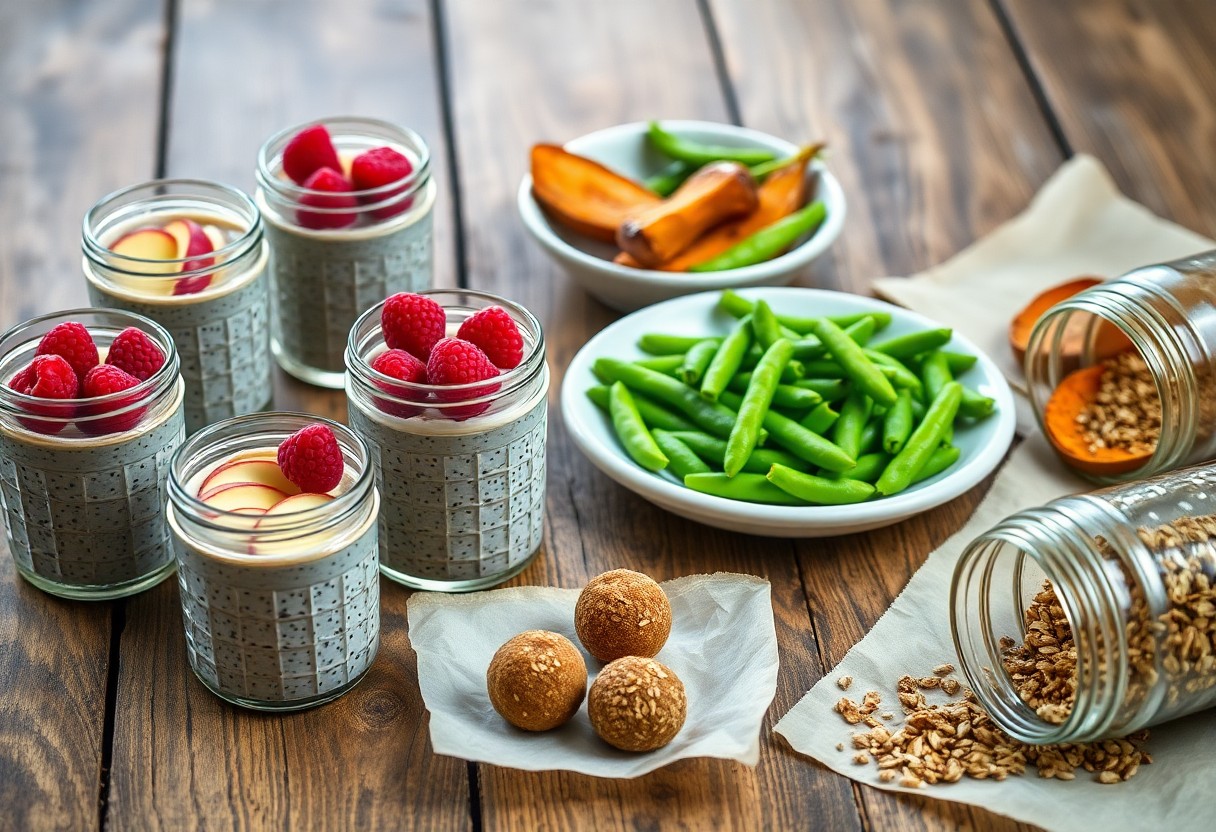
Aim to include 5-8 grams of fiber in snacks when possible to slow digestion and increase satiety; examples include a cup of raspberries (~8 g fiber), ½ cup cooked chickpeas (~6 g), or 3 cups air-popped popcorn (~3-4 g). You can combine these with protein-Greek yogurt, cottage cheese, or a small handful of nuts-to create a balanced snack that sustains energy for several hours.
Veggies with Hummus
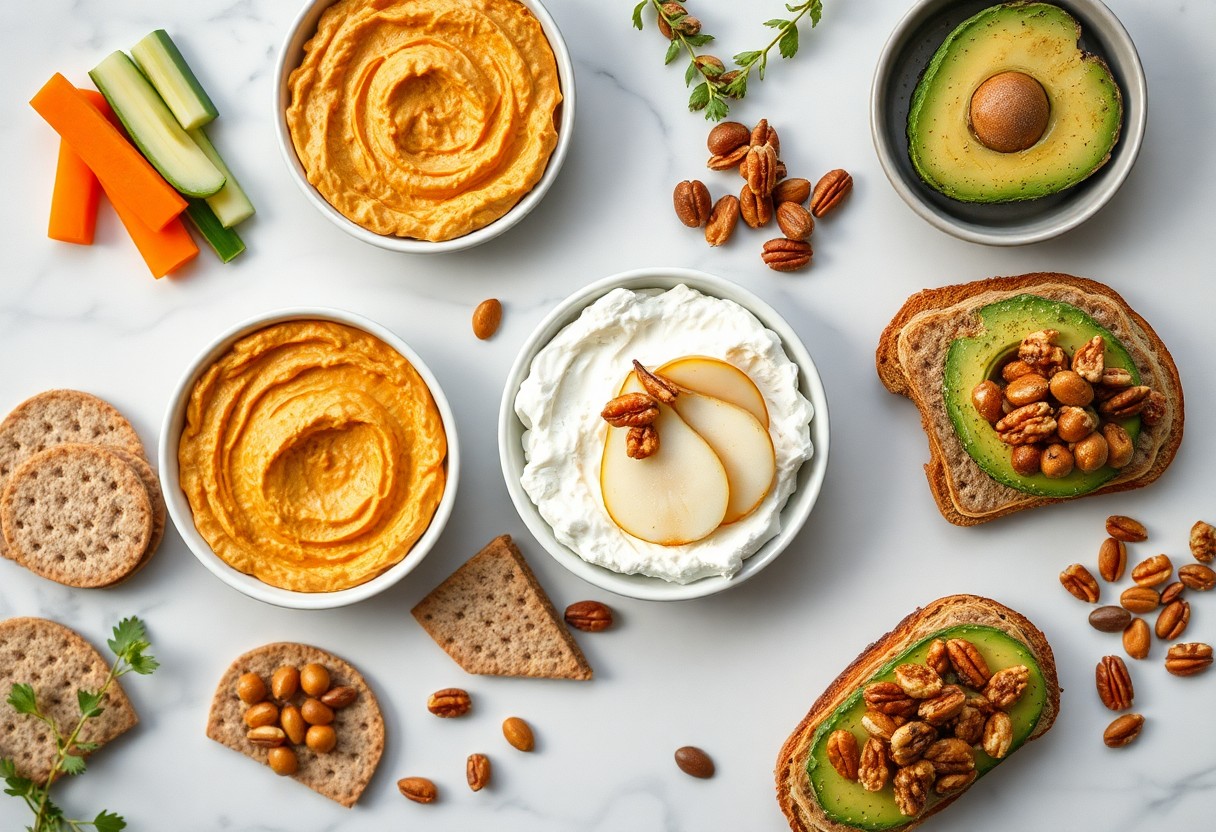
Choose crisp vegetables-bell pepper strips, cucumber, carrots, snap peas-for volume and fiber, and pair them with 2-4 tablespoons of hummus (about 2-4 g protein) to add plant-based protein and healthy fats. You’ll get chewable bulk from the veggies and slower digestion from the legume-based dip; try swapping classic hummus for roasted red pepper or edamame hummus to vary flavor and micronutrients.
Popcorn and Nuts
Air-popped popcorn is a whole grain: about 3 cups yields roughly 3-4 g fiber and ~90-100 calories, while a 1-ounce (28 g) serving of almonds adds ~3.5 g fiber and ~160 calories. Pairing them gives a satisfying mix of carbohydrates, fiber, and healthy fats that helps blunt hunger between meals without a large portion size.
For practical portions, combine 3 cups air-popped popcorn with 1 oz almonds or pistachios for roughly 6-8 g total fiber and ~250 calories-an effective, portable snack. Keep added butter and sugary toppings minimal; instead use a sprinkle of nutritional yeast, smoked paprika, or a pinch of sea salt to boost flavor without negating the fiber benefits. Weigh nuts occasionally to avoid oversized portions.
Healthy Fats to Keep You Satisfied
Include a focused serving of healthy fats-about 10-15 g per snack-to slow digestion and extend fullness for a few hours; monounsaturated and polyunsaturated sources like avocado, nuts, seeds, and olive oil also support blood lipid profiles. You can strategically pair these fats with fiber or protein to blunt appetite peaks and reduce the urge to overeat at your next meal.
Avocado on Crackers
Top one to two whole-grain crackers with 1/4-1/2 an avocado (roughly 5-12 g fat and 2-5 g fiber) for a creamy, filling bite; add a squeeze of lemon, a pinch of salt, and a sprinkle of hemp or chia seeds to boost protein and omega-3s. You’ll get sustained energy without a heavy post-snack slump.
Trail Mix with Seeds and Nuts
Build a trail mix using almonds, walnuts, pumpkin seeds, and a small handful of unsweetened dried fruit; a 1/4-cup (≈30 g) portion typically delivers ~150-200 kcal, 6-8 g protein and 10-15 g healthy fats, plus fiber to slow absorption. Walnuts contribute plant omega-3s (about 2.5 g ALA per ounce) for extra satiety and heart benefits.
Pack homemade trail mix in 1/4-cup single-serve bags to control portions and avoid calorie creep; aim for a ratio close to 2 parts nuts : 1 part seeds : 1 part dried fruit, swap chocolate chips for cacao nibs to limit added sugar, and pair a portion with a piece of fruit or 3/4 cup Greek yogurt to add 8-12 g more protein when you need longer-lasting fullness.
Low-Calorie Snack Choices
Pick snacks that deliver bulk and flavor for under 100-150 calories so you feel satisfied without overeating; examples include raw vegetables, broth-based mini-soups, or whole-grain popped snacks. For instance, 3 cups air-popped popcorn (~90 kcal, ~3 g fiber) or a medium cucumber with 2 tablespoons salsa (under ~50 kcal) give volume, while pairing either with 6-10 g protein-like cottage cheese or a boiled egg-stretches fullness between meals.
Air-Popped Popcorn
When you crave crunch, air-popped popcorn is one of the highest-volume, lowest-calorie options: about 3 cups provide roughly 90 calories and around 3 g of fiber. Flavor it with nutritional yeast for a cheesy note or smoked paprika and a light olive-oil spray to enhance satiety without adding heavy fats; avoid butter and oil-heavy toppings to keep the calorie advantage.
Cucumber Slices with Salsa
Cucumber slices are roughly 95% water and only about 15 kcal per 100 g, so pairing them with 2 tablespoons of fresh salsa (≈10-15 kcal) yields a crisp, hydrating snack under ~40-50 kcal that delivers vitamin C and bright flavor without dense calories-ideal when you want something refreshing and light.
Choose fresh or low-sodium salsas-store-bought types can range 150-300 mg sodium per 2 tbsp-and homemade pico de gallo (tomato, onion, cilantro, lime) keeps sodium minimal. If you need more staying power, add 1/8-1/4 avocado (≈30-60 kcal) or 2 tablespoons cooked black beans (adds fiber and ~30-40 kcal) to boost healthy fats or plant protein while keeping the snack well below a typical meal’s calories.
Tips for Smart Snacking
Rotate between protein, fiber, and healthy fats to extend fullness-aim for snacks with roughly 10-20 g protein and 5-10 g fiber, spaced 2-3 hours after meals. Try batch-prepping single-serve portions so you won’t overeat when tired. Recognizing hunger cues versus habit-driven eating helps you choose snacks that support steady energy without excess.
- Pair 10-20 g protein (e.g., 1 cup Greek yogurt) with 5-10 g fiber (¼ cup berries or a small apple).
- Use your hand as a guide: palm = protein, fist = veg/fruit, thumb = fats like nut butter.
- Prep 3-4 grab-and-go portions each week to prevent impulse choices.
- Track timing: snack 2-3 hours after meals or when hunger rates around 4-6 on a 1-10 scale.
Portion Control
Weigh or measure servings until you internalize sizes-28-30 g (1 oz) of nuts, ½ cup cooked grains, or a single-serve 150-200 kcal yogurt cup. Use smaller plates or portioned containers and pre-portion snacks into zip bags so you avoid eating directly from large packages; this keeps most snacks in the 150-300 kcal range when you want to bridge hunger without replacing a meal.
Mindful Eating Practices
Eat without screens and set aside 10-15 minutes so you can chew slowly-aim for about 20-30 chews per bite-to let satiety signals register. Apply a 1-10 hunger scale: begin a snack when you’re around 4-6, pause after five minutes to reassess, and opt for water first if hunger is minimal; this reduces mindless nibbling and increases satisfaction from smaller portions.
Begin each snack with three deep breaths to reset emotional cues, then focus on sensory details like texture and flavor-crunch, creaminess, saltiness-to enhance perceived fullness. Try logging hunger levels before and 10 minutes after snacks for a week; many people find this simple experiment reveals patterns and lowers total daily intake while improving afternoon energy stability.
Summing up
Following this, choose snacks that pair protein, fiber, and healthy fats-Greek yogurt with nuts, apple with almond butter, hummus with veggies, or cottage cheese with berries-to stabilize blood sugar and extend fullness. Control portions, favor whole foods, and plan snacks to fit your routine so you avoid energy dips and overeating.

Leave a Reply