
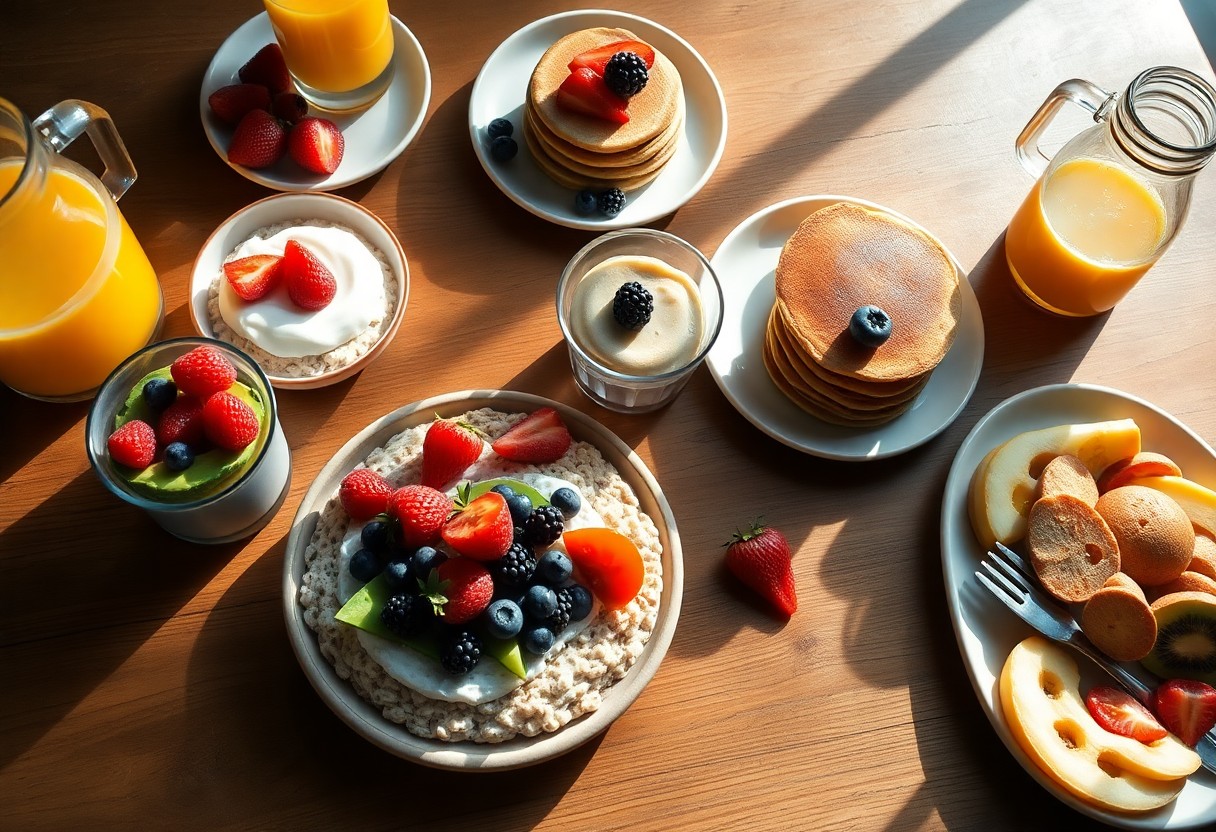
With simple ingredients and smart prep you can create nourishing, crowd-pleasing breakfasts that fit your busy mornings and varied tastes; this guide shows proven recipes, timing tips, and substitutions so you confidently feed kids and adults alike, build healthy routines, and save time without sacrificing flavor.
Key Takeaways:
- Prioritize quick, balanced recipes that combine protein, whole grains, and fruit for satisfying mornings.
- Use make-ahead options and customizable components so meals suit busy schedules and picky eaters.
- Engage kids with simple prep and playful presentation to boost appeal and accommodate dietary needs.
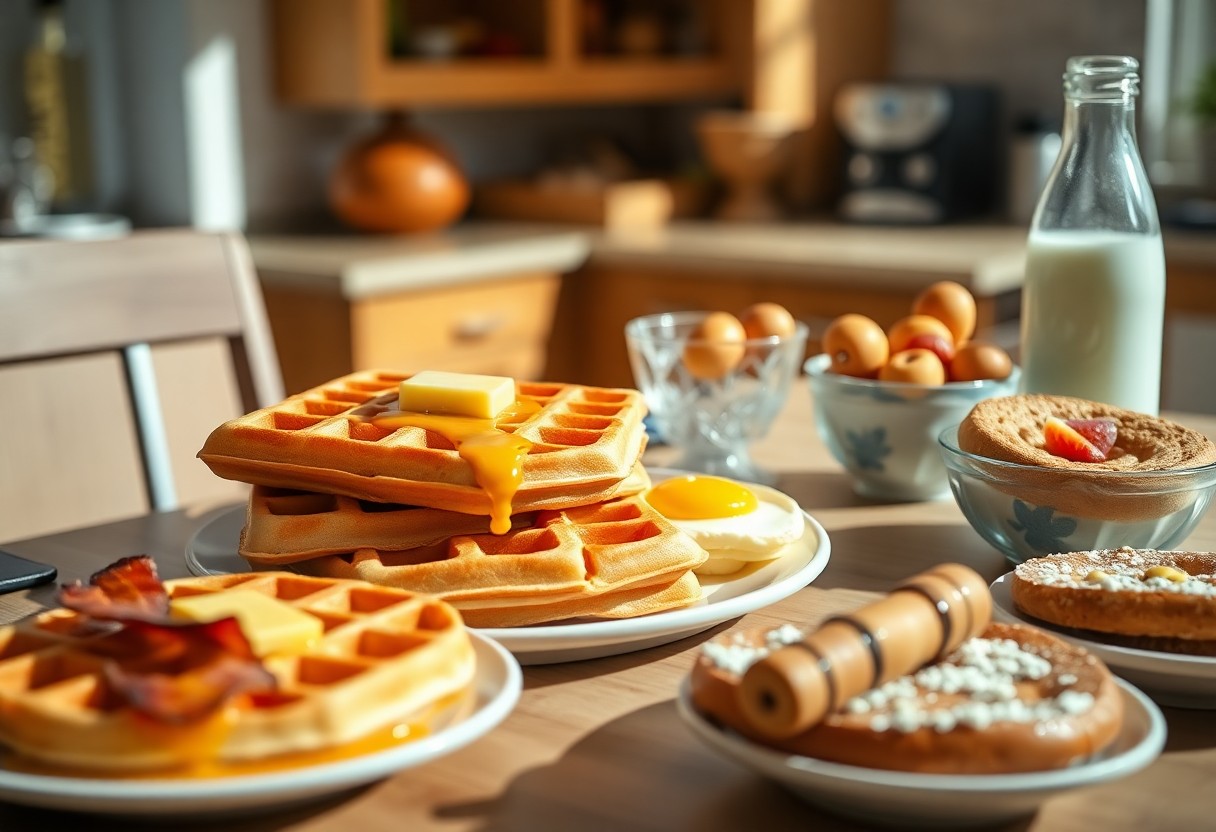
Quick and Easy Breakfast Options
Start with mix-and-match recipes that take under 10 minutes of hands-on time and scale easily for a family of four. You can rotate 3-ingredient breakfasts like nut-butter toast, yogurt parfaits, and fruit-and-cheese plates to keep variety. For busy mornings, batch components-hard-boiled eggs, sliced fruit, and pre-portioned granola-so assembly takes 1-2 minutes and yields consistent nutrition across the week.
Smoothie Bowls
Blend 1 cup frozen berries, 1/2 banana, 1/2 cup Greek yogurt and 1/3 cup milk for a thick base in about 2-3 minutes; spoon into bowls and top with 1/4 cup granola, 1 tbsp chia seeds and fresh fruit. You’ll get roughly 300-400 kcal per serving depending on add-ins, and kids often eat more when they choose toppings like sliced almonds or mini chocolate chips.
Overnight Oats
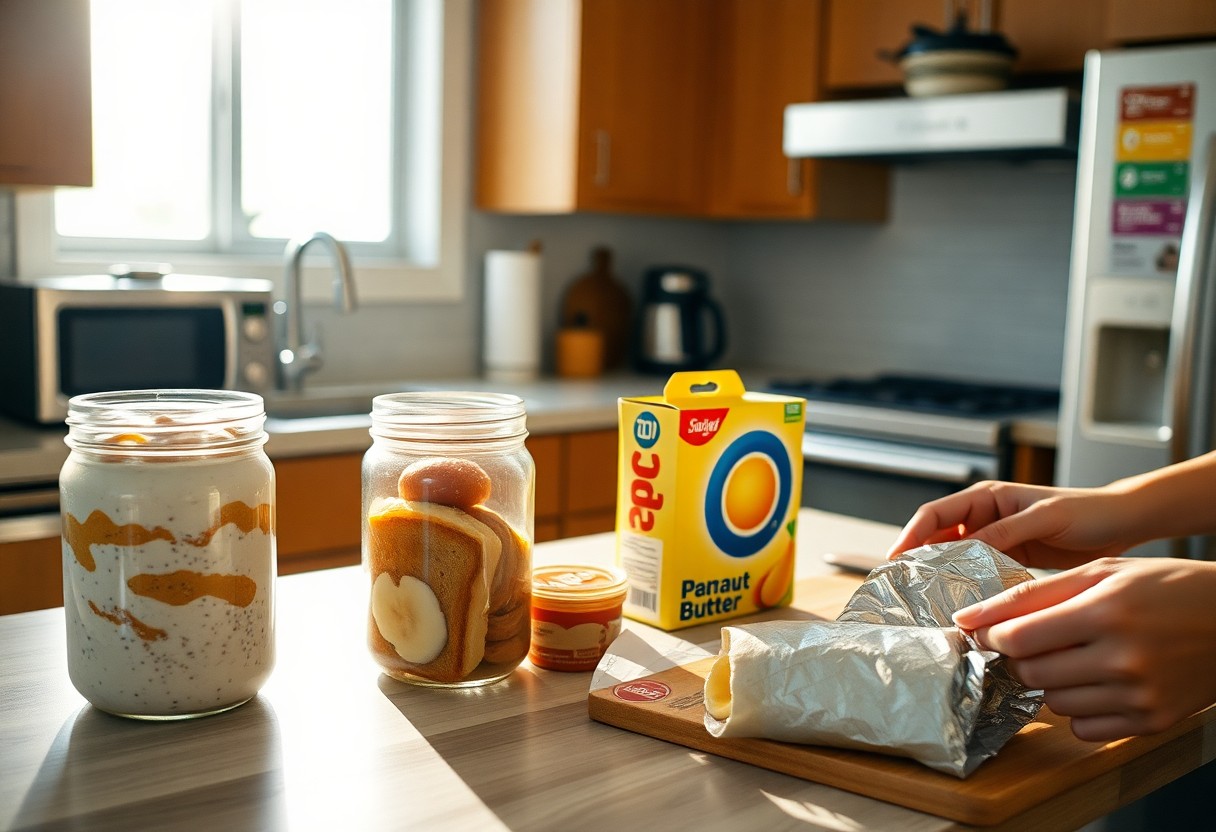
Combine 1/2 cup rolled oats with 1 cup milk (or dairy-free alternative), 1 tbsp chia seeds and a pinch of salt, then refrigerate 6-8 hours; stir in 2 tbsp Greek yogurt or nut butter before serving. You can prep individual jars for up to 5 days, so your family has grab-and-go breakfasts that provide sustained energy and about 350 kcal per serving when topped with fruit and nuts.
For more variety, rotate base liquids (cow’s milk, almond milk, oat milk), swap flavors-cinnamon-apple, banana-cocoa, or maple-pecan-or add 1 scoop (20-25 g) protein powder to raise protein to 20-30 g per serving. Note texture differences: rolled oats soften in 6-8 hours, while quick oats turn very mushy and steel-cut oats require cooking or 12+ hours of soaking. A reliable single-serving recipe: 1/2 cup rolled oats, 1 cup milk, 1 tbsp chia, 1 tbsp maple syrup, 2 tbsp Greek yogurt-refrigerate 6-8 hours; this yields ~350 kcal, 12-15 g protein, and stores safely for up to 5 days in sealed jars. You can boost fiber with 1 tbsp flaxseed or switch toppings to make each jar unique for picky eaters.
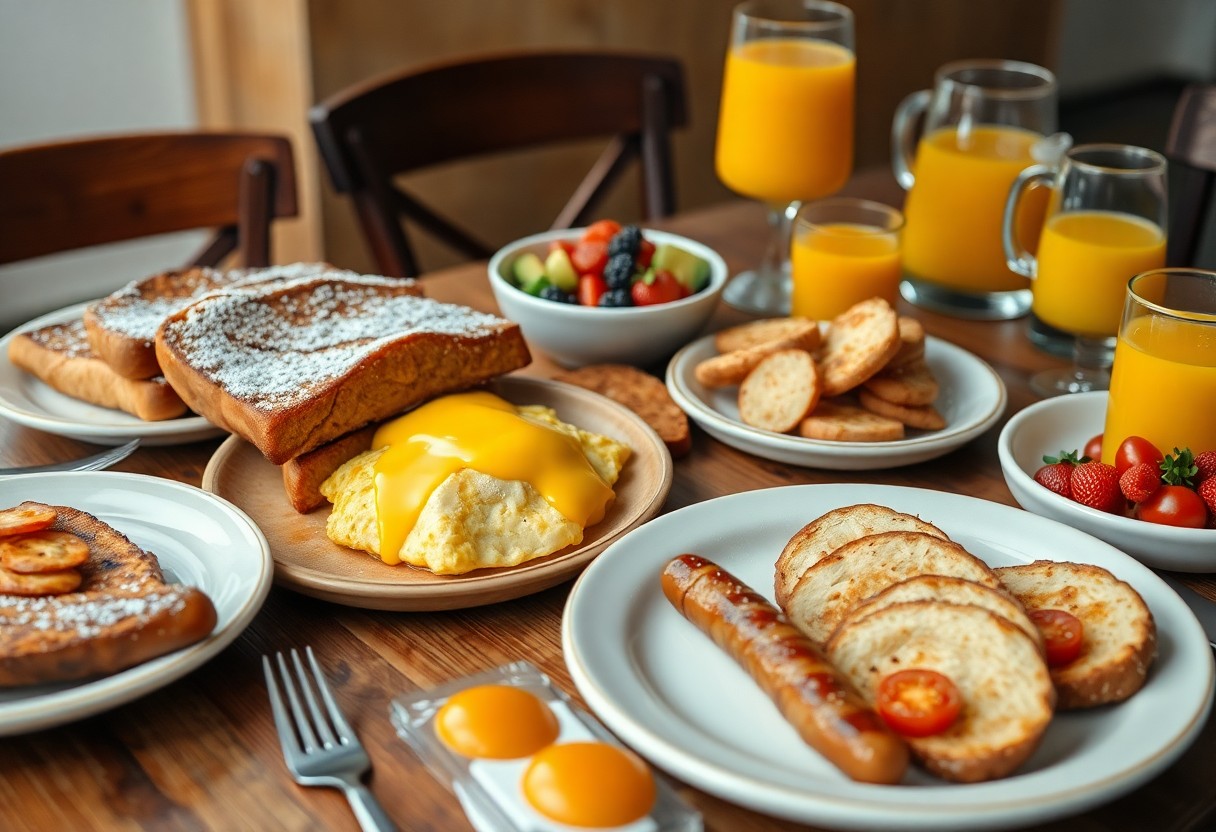
Hearty Breakfast Classics
Fluffy Pancakes
Mix 1 cup all-purpose flour, 1 tbsp baking powder, 1 tbsp sugar, a pinch of salt, 1 cup milk, 1 large egg and 2 tbsp melted butter; let the batter rest 5 minutes. Heat a griddle to 375°F and pour 1/4-cup portions, cooking about 2-3 minutes per side until golden. You can serve with 100 g fresh berries or a drizzle of maple syrup for family appeal.
Savory Breakfast Burritos
Use four 10-inch tortillas and fill each with scrambled eggs from 6 eggs total (about 1.5 eggs per burrito), 1 cup cooked diced potatoes, 8 oz cooked sausage or chorizo, and 1 cup shredded cheddar. Cook eggs 3-4 minutes over medium heat, assemble and fold tightly, then grill seam-side down 1 minute to seal; you’ll have four hearty burritos in ~25 minutes.
You can make these ahead by wrapping each burrito in foil and freezing up to 8 weeks; reheat from frozen at 350°F for 20-25 minutes or microwave 1½-2 minutes on high. For lighter options swap sausage for black beans and avocado, and use cheese as a moisture barrier to reduce sogginess. Expect roughly 450-650 kcal per burrito depending on fillings.
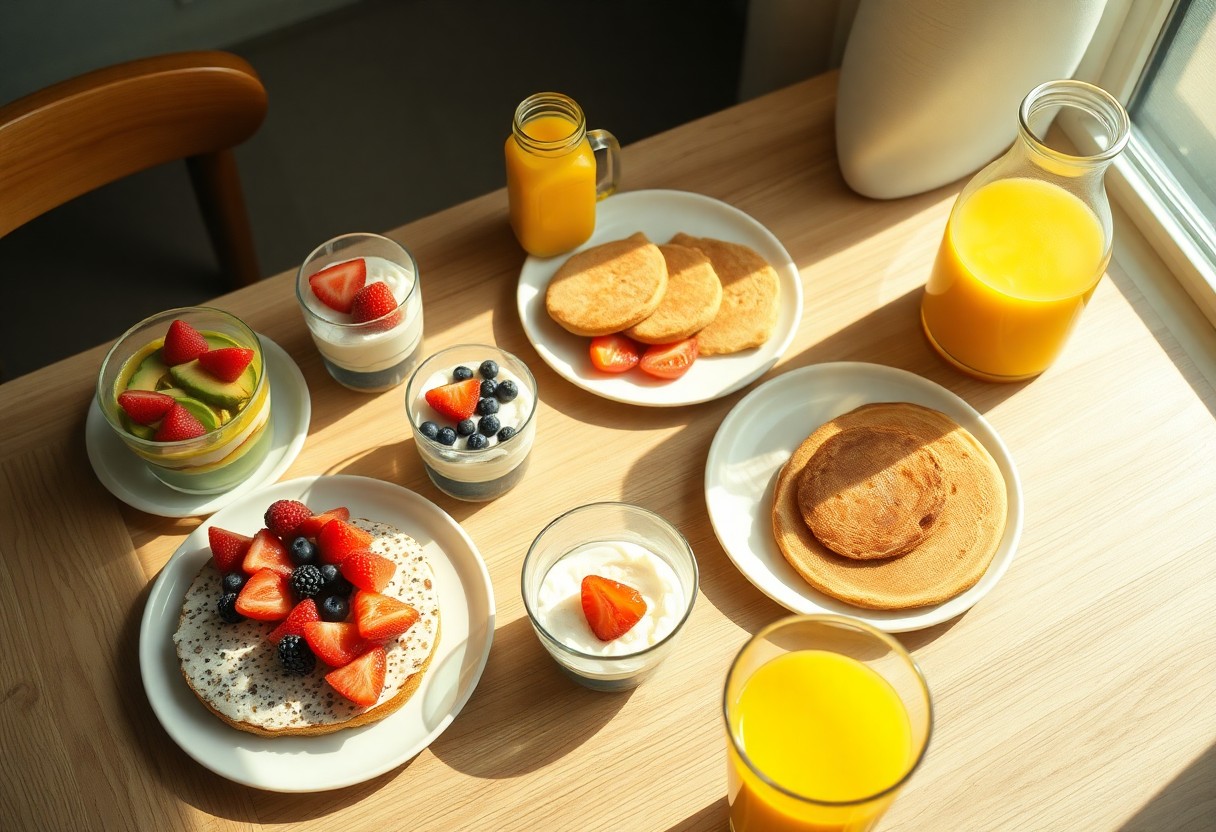
Healthy Breakfast Alternatives
Swap sugary cereals for whole-grain toast, oats, or protein-rich options so you hit 15-30 g protein and 5-10 g fiber at breakfast; these choices help curb mid-morning cravings and stabilize energy. Try smoothies with 1 cup milk (≈8 g protein) plus spinach and banana, overnight oats with 1/2 cup oats and 2 tbsp nut butter, or egg-based dishes for lasting satiety. You’ll notice steadier focus and fewer energy dips when you pair protein, fiber, and healthy fats.
Avocado Toast
Top one slice of toasted whole-grain bread with 1/2 a ripe avocado and a pinch of salt for monounsaturated fats and fiber; add a poached egg (≈6 g protein) or smoked salmon to boost protein. Try lemon zest, red pepper flakes, or microgreens for extra flavor and micronutrients. You’ll get a balanced, 10-15 minute breakfast that keeps both kids and adults satisfied through busy mornings.
Yogurt Parfaits
Layer 6 oz (170 g) plain Greek yogurt-about 15 g protein-with 1/2 cup mixed berries and 1/4 cup granola for texture; swap granola for toasted oats and nuts to reduce added sugar. Use a simple 1/3 yogurt, 1/3 fruit, 1/3 crunch ratio to control portions. You’ll deliver protein, antioxidants, and fiber in a visually appealing bowl that’s ready in under five minutes.
You can make parfaits ahead in mason jars for grab-and-go mornings, alternating layers to prevent sogginess; keep granola to 2-4 tablespoons per jar and stir in 1 tablespoon chia or flaxseed to add 3-5 g fiber. Choose unsweetened yogurt to control sugar and drizzle honey only if you need extra sweetness. For picky kids, puree fruit into a compote layer-you’ll often see them eat more when it’s colorful and layered.
Fun and Creative Breakfast Ideas
You can keep mornings fun by rotating colorful, nutrient-dense options that hit 15-25 g protein: try ricotta-and-berry toasts, egg-and-avocado muffin cups, or yogurt parfaits layered with 3/4 cup Greek yogurt and 1/2 cup fruit; prepping 4 portions on Sunday can save you 10-15 minutes each weekday.
Breakfast Skewers
You’ll enjoy assembling breakfast skewers with 1-inch whole-grain French toast cubes, 8 mini turkey sausages, halved grapes, and 1/2-inch cheddar cubes; they take about 10 minutes to make, yield four skewers at roughly 12-15 g protein each, and travel well for picnics or packed breakfasts.
Fruit and Nut Granola Bars
Make fruit and nut granola bars by combining 2 cups rolled oats, 1 cup chopped mixed nuts, 1/2 cup dried fruit, 1/3 cup honey, and 1/4 cup nut butter; press into an 8×8 pan and bake at 175°C (350°F) for 12-15 minutes to yield 12 bars-about 200 kcal and 4-6 g protein each, ideal for lunchboxes.
If you want higher protein, stir in 1/2 cup whey or pea protein to raise each bar to ~8-12 g protein. Store bars airtight for 5-7 days at room temperature, up to 2 weeks refrigerated, or freeze for 2-3 months. Swap nuts for seeds to avoid tree-nut allergies, and cut honey by 25% replacing with mashed banana for lower sugar and extra moisture.
Seasonal Breakfast Recipes
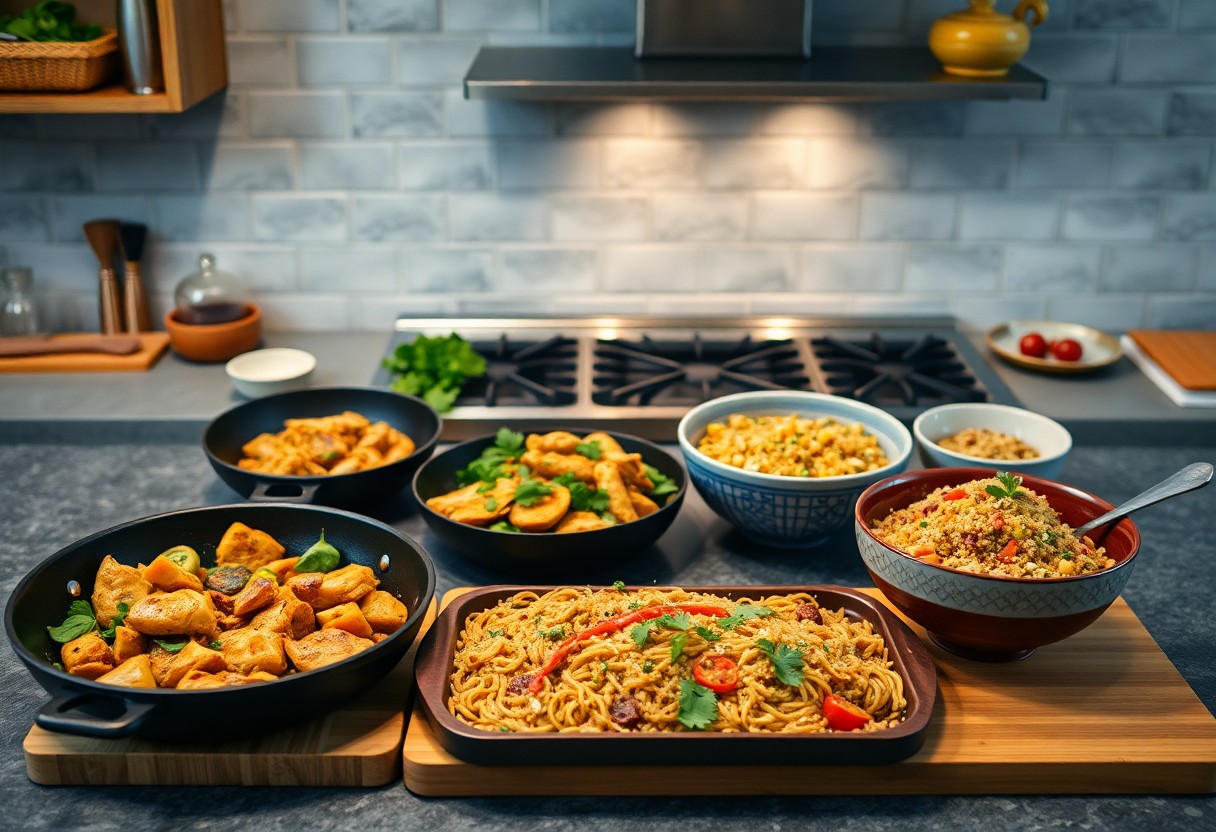
Shift your menu with seasonal flavors that keep breakfasts interesting and family-friendly: pumpkin and spice in fall, fresh berries in summer, and citrus in winter. You can scale many dishes to feed 8-12 people and streamline prep with make-ahead components; for batch-friendly ideas and crowd-tested recipes see The Best Breakfast Foods to Feed a Crowd.
Fall Pumpkin Spice Muffins
Try a reliable mix: whisk 2 cups all-purpose flour, 1 cup sugar, 1 tbsp pumpkin pie spice, 1 tsp baking soda, and ½ tsp salt; stir in 1 cup pumpkin puree, 2 large eggs, and ½ cup oil until combined, fill 12 liners, and bake 18-22 minutes at 350°F for moist, spiced muffins you can freeze and rewarm for quick weekday breakfasts.
Summer Berry Breakfast Quinoa
Cook 1 cup quinoa (yields ~3 cups cooked) in 2 cups water, cool slightly, then fold in 1-2 cups mixed berries, 1 cup Greek yogurt, 1-2 tbsp honey, and a squeeze of lemon for a bright, protein-forward breakfast that serves 4 and holds up for picnic-style brunches.
One cup cooked quinoa delivers about 222 calories, ~8 g protein, and ~5 g fiber, making it a filling base; you can meal-prep 3-4 days ahead, store in an airtight container, top with toasted almonds or chia seeds before serving, or warm briefly and add berries for a cozy variation.
Tips for Involving Kids in Breakfast Prep
Start with simple, timed tasks so you avoid chaos: assign 5-minute jobs like setting plates, stirring overnight oats, or topping yogurt. Use clear age-based roles-ages 2-4 pass fruit and wipe crumbs; 5-7 measure dry ingredients and mix batter; 8+ crack eggs with supervision and flip pancakes. Try these quick rules:
- One task per child
- Color-coded measuring cups
- 10-minute countdowns to stay on schedule
Perceiving small successes boosts confidence and keeps mornings moving.
Easy Tasks for Little Hands
You can give toddlers 2-4 age-appropriate jobs: washing berries, tearing lettuce, sprinkling cheese, or pushing the blender start button while you steady the lid. Limit activities to 3-5 minutes, use non-slip bowls, and offer praise; research shows short, guided tasks increase cooperation by about 25% in preschoolers. Swap duties weekly so your child gains a variety of skills and stays engaged.
Cooking Together as a Family
You should plan one or two weekend mornings to cook together and rotate responsibilities: one person handles proteins, another preps sides, kids set the table. Try a sheet-pan frittata for four-20 minutes hands-on and roughly 15-20 g protein per serving when you add 4 eggs and ½ cup cottage cheese. Set a timer to coordinate tasks and make cleanup part of the routine.
You can break tasks by age and duration: assign 10-minute prep spots for younger kids and 15-30 minute cooking roles for older children; teach knife safety with a paring knife at 8-10 under supervision. Rotate themes-Mexican, Mediterranean, breakfast-for-dinner-to expand palates, and keep a shared recipe list with ratings so you reuse family favorites and cut decision time each week.
To wrap up
On the whole you can create mornings that satisfy picky eaters and busy schedules by balancing flavor, nutrition, and simplicity; choose versatile bases, involve kids in small tasks, and batch or freeze components to save time. With consistent variety and a few reliable recipes in your rotation, you’ll build breakfasts your whole family looks forward to every day.

Leave a Reply