
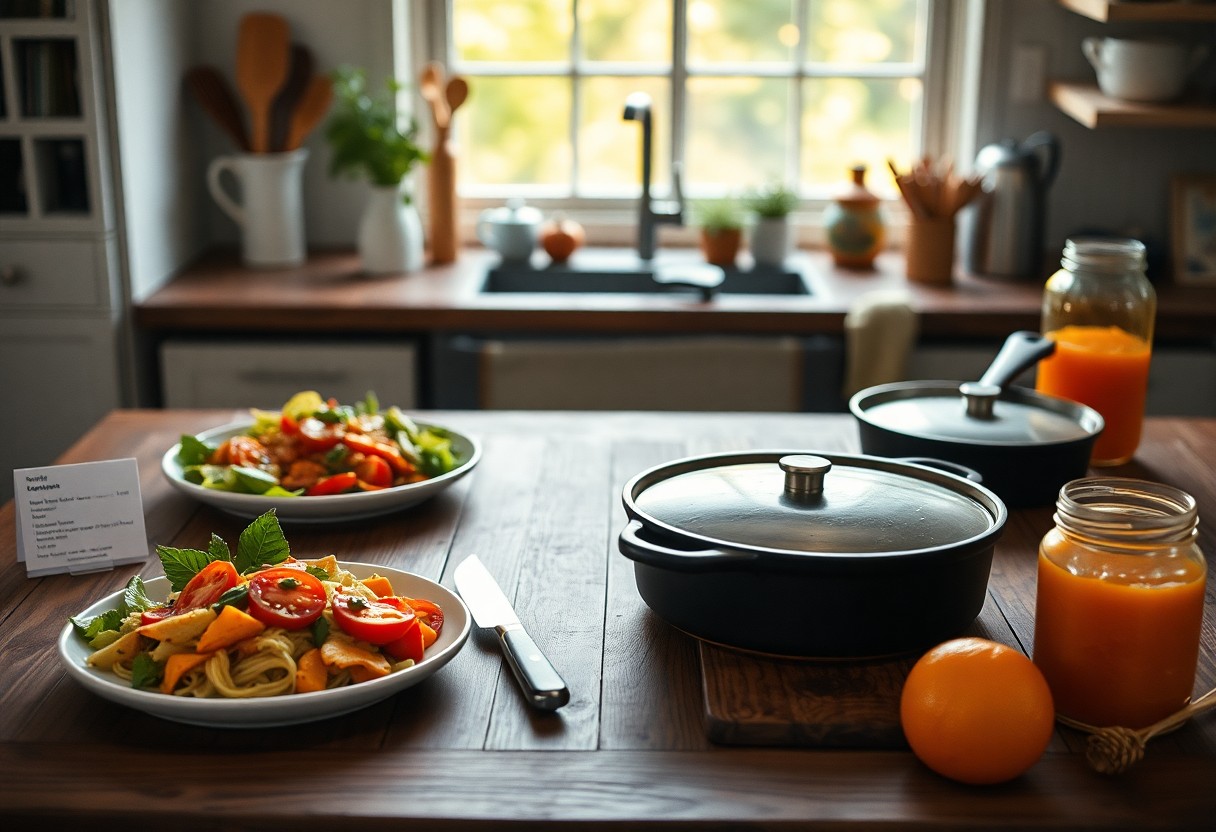
Many home cooks want comforting, easy recipes that adapt as the seasons change, and you can rely on straightforward methods and pantry staples to create nourishing meals year-round. This post shows practical recipes, seasonal swaps, and timing tips so you can cook with confidence whether it’s a summer salad with roasted vegetables or a winter stew, helping you feed family and guests with minimal fuss.
Key Takeaways:
- Adaptable recipes let you swap proteins, produce, and spices to suit any season while keeping prep simple.
- Pantry-friendly ingredients and basic techniques make these dishes fast, scalable, and ideal for make-ahead meals.
- Combine comforting flavors with fresh accents or light sides to keep meals satisfying without feeling heavy year-round.
Seasonal Comfort Dishes
Seasonal comfort dishes give you a roadmap for swapping ingredients and techniques to match weather and supply: roast 3-4 root vegetables at 425°F for 35-40 minutes in winter, braise proteins at 300°F for 2-3 hours for depth, or brighten meals in spring with quick blanches and acids; using 3-5 pantry staples plus one fresh item keeps prep under 45 minutes while maximizing comfort and flavor.
Winter Warmers
In winter you should prioritize long, slow techniques and dense vegetables-classic beef stew with 2 lb meat and 4 cups stock simmered 2-3 hours absorbs maximum flavor, while a 400°F roast of carrots, parsnips, and potatoes for 30-40 minutes delivers caramelization; finish both with a tablespoon of vinegar or mustard to balance richness and boost palate appeal.
Spring Freshness
For spring, lean on tender vegetables and bright acids: asparagus and peas peak for about 4-6 weeks, so blanch peas 1-2 minutes and quickly sauté asparagus to retain snap; combine 1-2 tablespoons lemon juice or 1 tablespoon chopped herbs per serving to lift dishes, and swap heavy creams for yogurt or light broths to keep meals airy yet satisfying.
For a concrete example, make a spring risotto: use 1 cup arborio, 4 cups warm stock, stir 18-20 minutes, then fold in 1 cup blanched peas and 8 chopped asparagus spears blanched 1 minute; finish with 2 tablespoons grated Parmesan and 1 teaspoon lemon zest. Store fresh herbs wrapped in damp paper towel in the fridge for up to 7 days to maintain peak flavor for multiple meals.
Hearty Meal Options
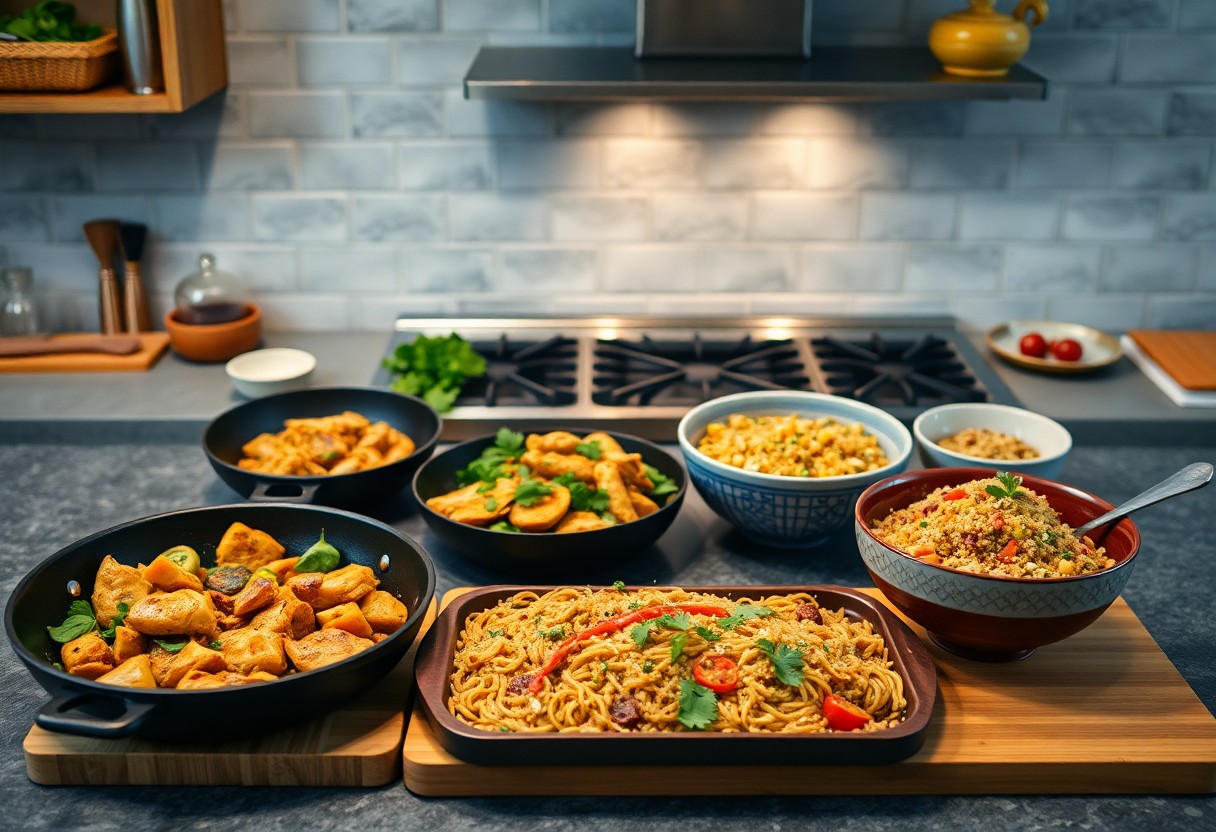
For heartier nights, focus on meals that stack protein, starch, and veg into one satisfying dish-think stews, braises, and skillet bakes. You can double a stew to feed 6-8, simmering 2-3 hours for tender beef, or make a 30-minute sausage-and-bean skillet for two. Swap root vegetables in fall and summer squash in warmer months to keep cost and prep down while preserving warming textures.
Easy One-Pot Recipes
One-pot dishes cut cleanup and often finish in 20-45 minutes: try a 15-minute one-pot pasta for four (12 oz pasta, 4 cups stock, 2 cups vegetables), a 30-40 minute chicken-and-rice skillet (1 lb chicken, 1½ cups rice, 2 cups stock), or a 25-minute lentil stew that yields 6 servings. You should sauté aromatics first, then add liquids and proteins to control texture.
Quick Casserole Ideas
Casseroles are forgiving: a classic 9×13 lasagna serves 8 and bakes at 375°F for 35-40 minutes, while a 6-serving chicken-and-broccoli bake uses 2 cups cooked chicken, 3 cups broccoli, 1 can condensed soup (or 1 cup béchamel) and 1-1½ cups cheese. You can assemble ahead, refrigerate up to 24 hours, and cover with foil for the first 20 minutes to prevent overbrowning.
To speed weeknight casseroles, precook grains and proteins-parboil 1½ cups rice in 10 minutes or roast 1 lb chicken breasts at 425°F for 18-22 minutes-then layer ingredients in a 9×13 pan. Use a 50:50 ratio of liquid to dry mix for moist results, check internal temperature reaches 165°F, and freeze portions in airtight containers for up to 3 months.
Light and Healthy Comfort Food
You’ll rely on vibrant, nutrient-dense dishes that still feel comforting: think roasted vegetables with 3-4 oz of grilled salmon, whole-grain bowls under 500 kcal, or a warm quinoa pilaf you can prep in 25-30 minutes. Swap heavy creams for Greek yogurt or pureed white beans to cut fat without losing silkiness. Use simple techniques-roasting, steaming, quick pan-searing-to highlight seasonal produce and keep your weeknight cooking both easy and satisfying.
Wholesome Salads
Balance is the goal: assemble about 2 cups greens, 1/2 cup cooked grain (quinoa, farro), 3-4 oz protein (chickpeas, grilled chicken), and 1-2 tbsp vinaigrette. Try a warm lentil, roasted beet, and arugula salad with 1 oz toasted walnuts and 2 tbsp crumbled goat cheese for contrast, or a Mediterranean chickpea salad with cucumber, cherry tomatoes, lemon, and 1 tsp za’atar for bright flavor and 18-22 grams of protein per serving.
Light Soups
Start with low-sodium stock and build layers: sweat 1 onion and 2 cloves garlic for 3-4 minutes, add 3-4 cups seasonal veg and 3-4 cups broth, then simmer 15-20 minutes before pureeing. Examples that hit 150-250 kcal per bowl include carrot-ginger puree, tomato-basil with a splash of balsamic, and miso broth with silken tofu and shiitake-each delivers comfort without heaviness.
When making pureed soups, aim for a 3:1 liquid-to-solids ratio for smooth texture, and blend hot in batches to avoid overfilling your blender. Finish with 1-2 teaspoons of acid (lemon or sherry vinegar) to brighten flavors, and boost protein with 1/2 cup white beans or 3-4 oz shredded chicken per serving. Freeze in 1-2 cup portions for quick reheats that maintain quality.
Family-Friendly Snacks
Quick Bites for Kids
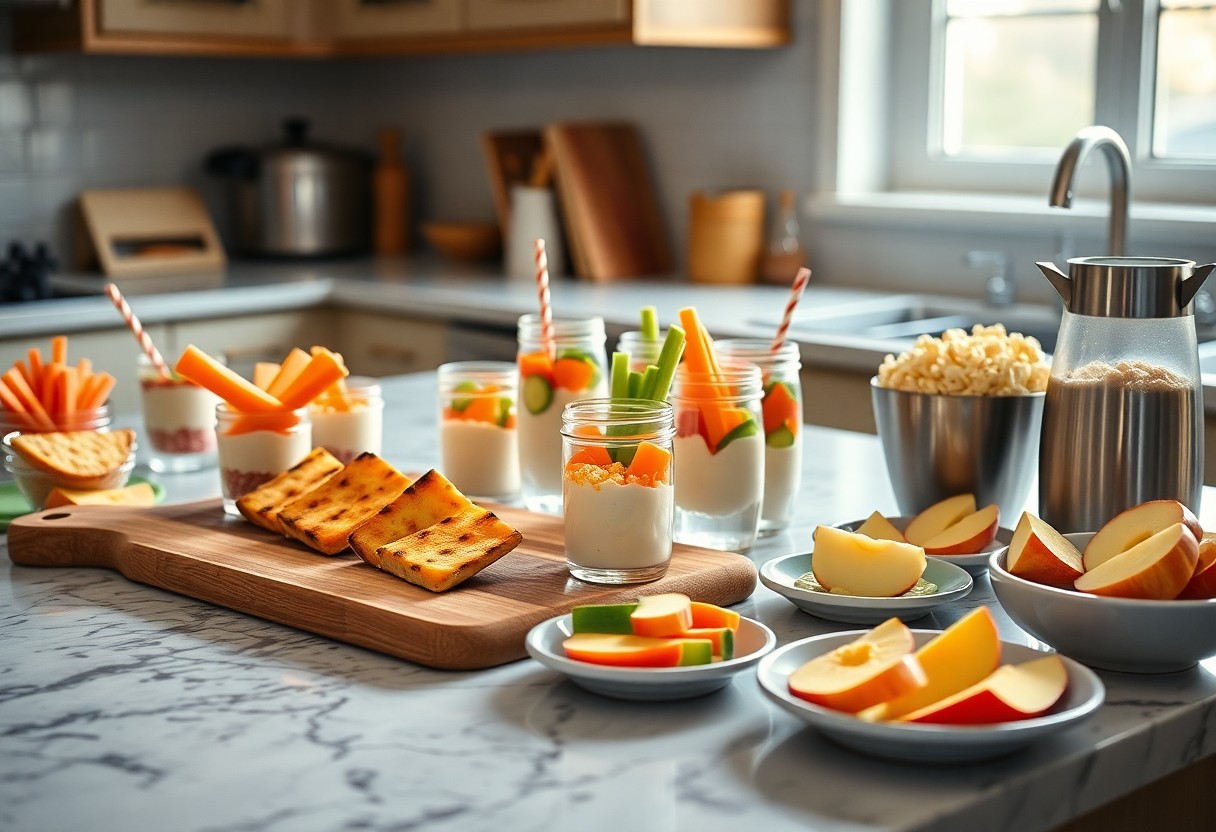
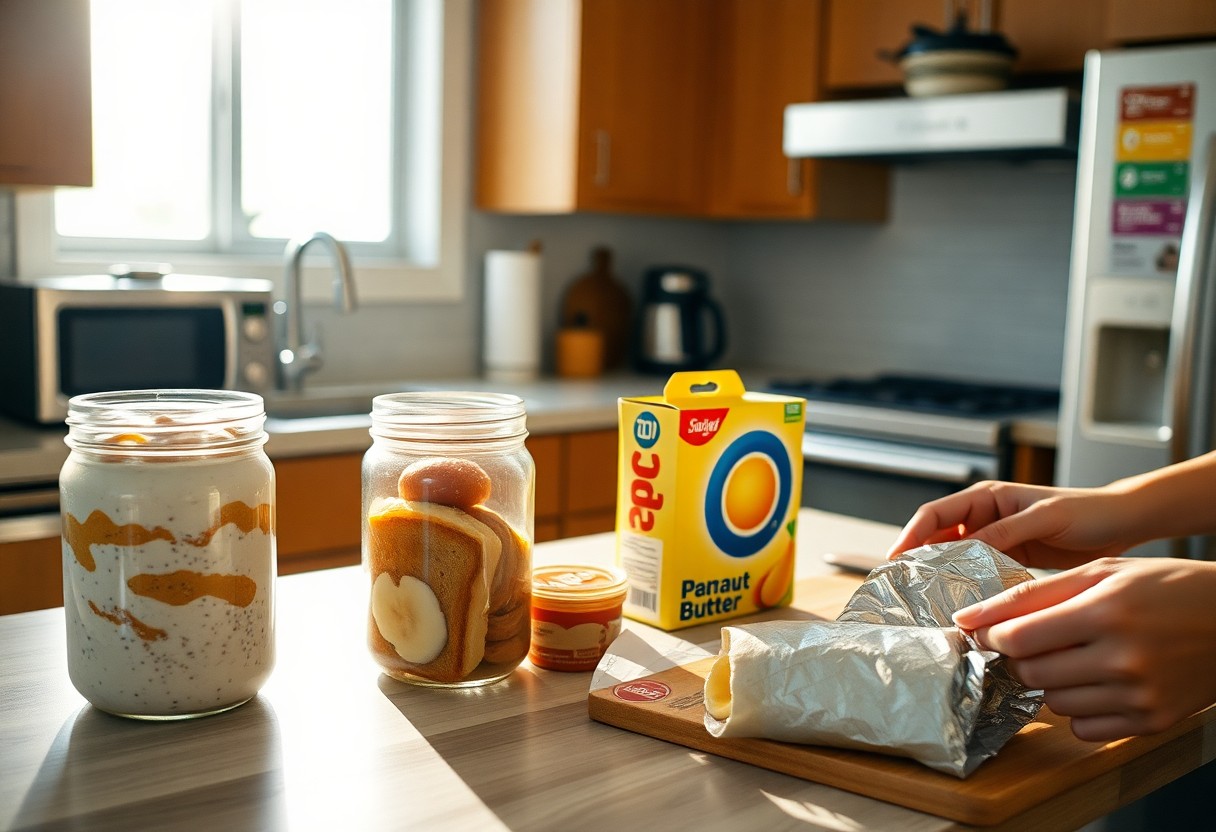
Try 5-minute apple peanut-butter “pizzas” topped with banana slices or mini whole-grain quesadillas filled with cheese and beans for filling, mess-free snacks. You can whip up no-bake energy balls-mix 1 cup oats, 1/2 cup nut butter, 1/3 cup honey and 1/4 cup mix-ins-to yield about 12 bite-size portions in 10 minutes. If you need savory, make 8-ingredient veggie muffins with 1 cup grated carrot and zucchini for added fiber.
Nutritious Dips
Make 1 cup Greek yogurt, 1/2 cup grated cucumber, 1 garlic clove and 1 tbsp lemon into a quick tzatziki that pairs with raw peppers; you’ll have it in 5 minutes and it keeps 3-4 days refrigerated. For hummus, blend one 15 oz (425 g) can drained chickpeas, 2 tbsp tahini, 1 clove garlic and 2 tbsp lemon juice – you’ll get a protein-rich dip in about 7 minutes kids love.
Keep a base-to-addins ratio for consistency: 1 cup base (yogurt, beans or cottage cheese) to 2-4 tbsp flavorful add-ins like herbs, tahini or roasted peppers so you can adjust texture. Store dips in airtight containers; hummus freezes well up to 3 months while yogurt-based dips last 3-5 days refrigerated. You can swap half the chickpeas with roasted red pepper or add 1 tbsp flax for omega-3s; portion into 1/2-cup servings for grab-and-go.
Sweet Comfort Treats
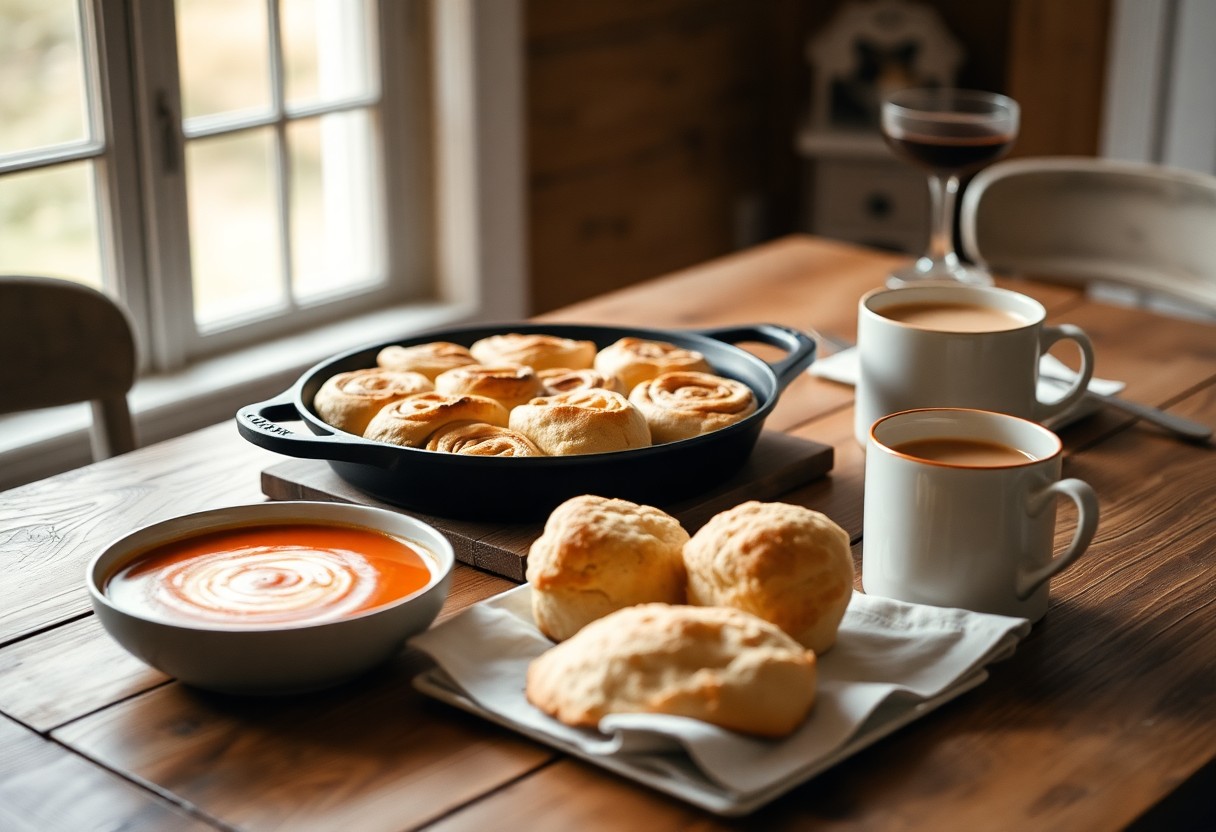
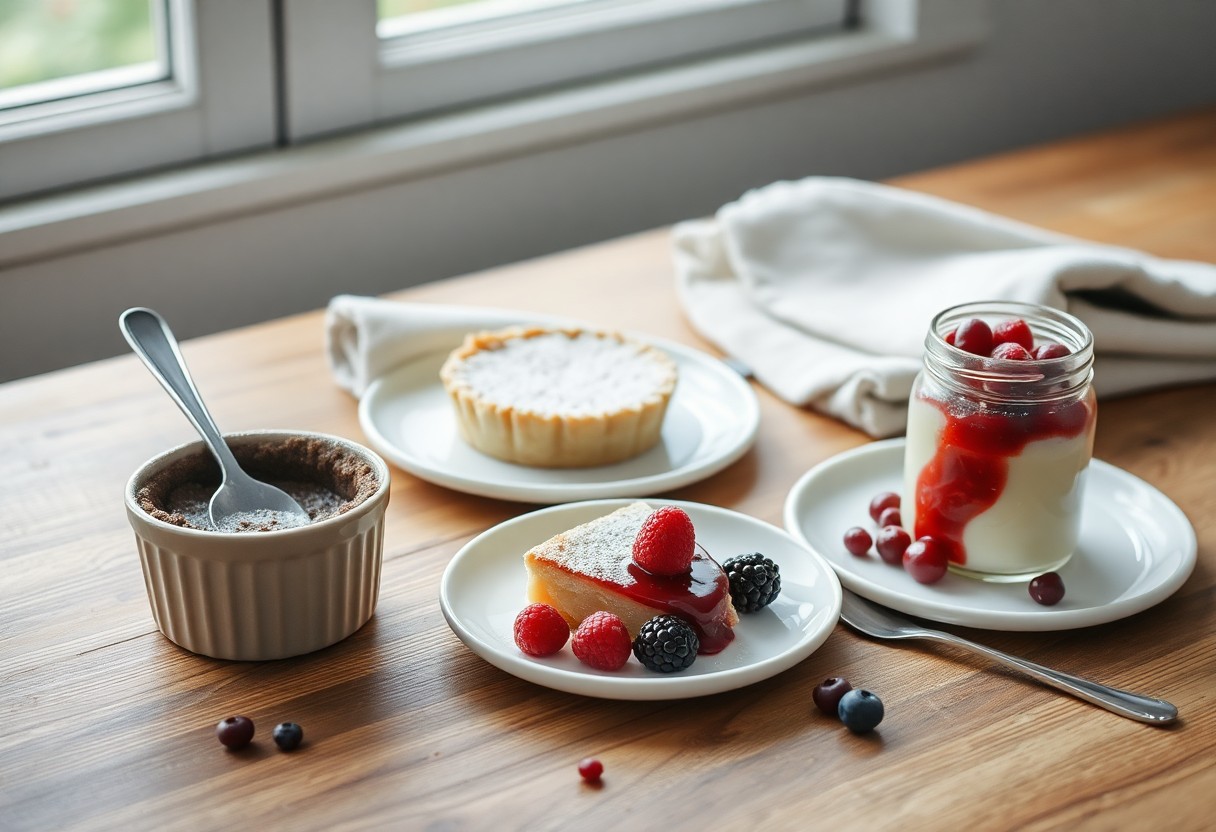
Turn to simple sweets that use pantry staples and 10-30 minute techniques to satisfy cravings year-round. You can whip up a 3-ingredient mug cake in under 2 minutes, a 5-ingredient no-bake chocolate oat bar, or a 30-minute skillet apple crisp that serves 4, keeping prep low and flavor high.
Simple Dessert Recipes
Try a 3-ingredient mug cake (1/4 cup flour, 2 tbsp cocoa, 3 tbsp milk) for single servings, or mix 1 cup oats, 1/2 cup peanut butter, 1/3 cup honey for no-bake bites that chill in 15 minutes. Also bake 9×9 brownies at 350°F for 20-25 minutes when you want a crowd-pleaser.
Seasonal Fruit Delights
Use seasonal fruit to spotlight brightness and texture: berries in summer for quick compotes, stone fruits grilled in 8-10 minutes, pears roasted at 375°F for 25-30 minutes, and citrus segments in winter salads. You’ll get peak flavor while using 3-4 ingredients per dish.
For more detail, make a compote by simmering 2 cups berries with 2 tbsp sugar and 1 tbsp lemon juice for 8-10 minutes, or roast halved peaches with 1 tbsp olive oil and 1 tbsp honey at 425°F for 12 minutes; serve with 1/2 cup Greek yogurt. When apples are abundant, toss 6 sliced apples with 1/3 cup brown sugar and 1 tsp cinnamon, then bake 30 minutes for an easy family dessert.
Cooking Tips for Every Season
Rotate techniques and produce as temperatures shift: in summer you favor quick 5-7 minute sautés and high-heat grilling, in autumn you opt for 400°F roasts of 25-40 minutes to caramelize roots, in winter you choose stews and braises needing 2-3 hours low heat, and in spring you use 1-3 minute blanches to preserve color and nutrients. Tweak liquid ratios, resting times, and seasoning to match each season’s texture and flavor intensity.
- Plan weekly shopping around 3-5 seasonal fruits or vegetables and buy at least two items from a farmers’ market to boost freshness.
- Swap cooking fats by smoke point: use olive oil up to 375°F, avocado or grapeseed for 400-520°F sears.
- Adjust salt and acid: start with about ¾ teaspoon salt per pound in soups, then add 1 tablespoon vinegar or lemon at the end to brighten.
- Perceiving seasonal cravings, schedule 3-4 comfort meals weekly-soups and braises in cold months, grilled bowls and salads in warm months.
Ingredient Substitutions
You can swap ingredients without losing texture: use 1:1 Greek yogurt for sour cream, mix 1 cup milk with 1 tablespoon lemon juice for 1 cup buttermilk, replace one egg in baking with ¼ cup applesauce or 1 tablespoon flaxseed plus 3 tablespoons water, and substitute 1 cup cooked chickpeas for 1 cup white beans in stews to keep protein and body consistent.
Meal Prep Strategies
Batch-cook proteins and grains to secure 3-4 weekday dinners: roast 2-3 pounds chicken or bake salmon 20-25 minutes at 425°F, cook 3 cups dry rice or quinoa to yield 6-8 cups, and portion into 4-6 reusable containers for quick assembly.
Use shallow airtight containers, label with dates, and follow USDA guidelines-store cooked food in the fridge 3-4 days or freeze up to 2-3 months; reheat to 165°F. In a practical run you can prepare 2 pounds cooked chicken, 4 cups roasted vegetables, and 3 cups grains to create six distinct meals by rotating sauces (pesto, tahini, salsa), adding fresh herbs, and swapping dressings to change flavors without extra cooking.
Summing up
Presently you can rely on comforting, easy recipes to carry you through every season; by mastering simple techniques and adaptable pantry staples, your meals remain nourishing and satisfying year-round. Focus on flexible flavor bases, seasonal produce swaps, and methods that scale for solo nights or family gatherings so you build confidence, save time, and consistently serve warm, balanced dishes whatever the weather.

Leave a Reply