
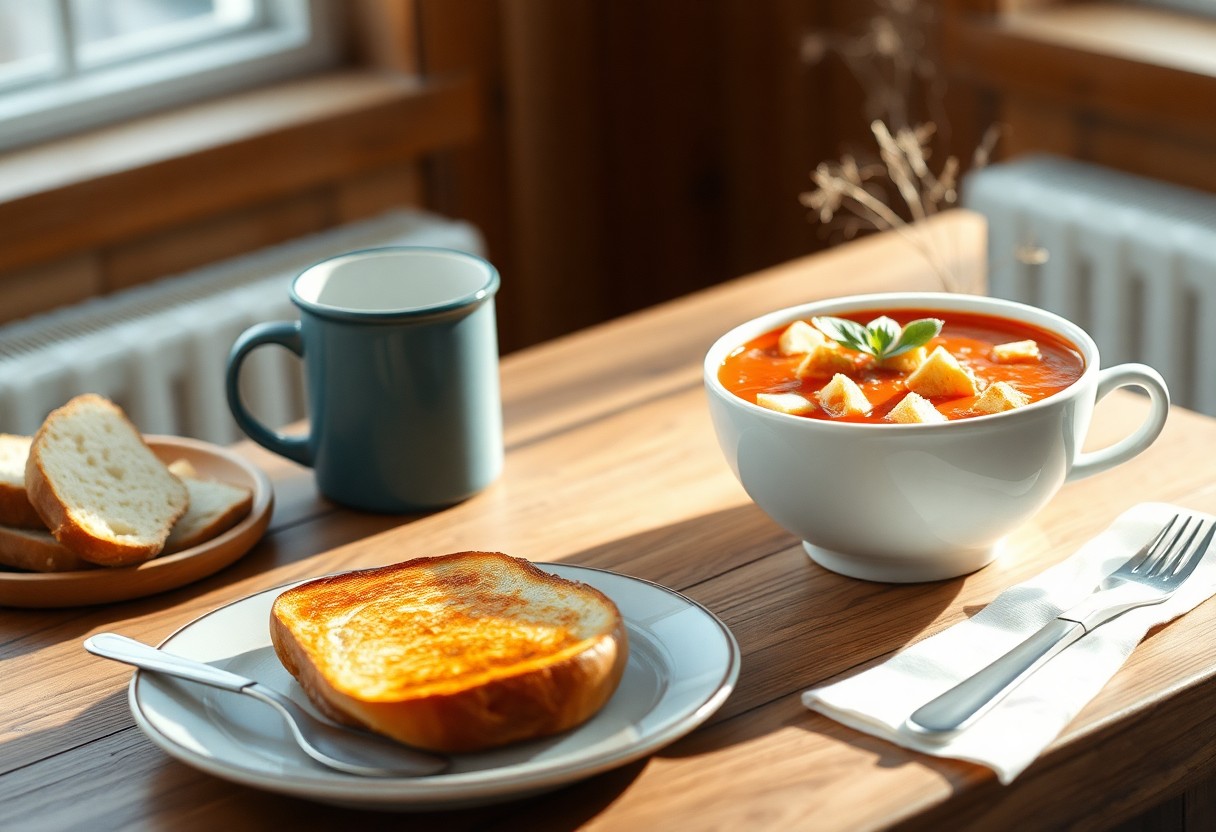
There’s a practical approach to warming, satisfying dishes you can prepare with pantry staples and minimal fuss; this guide offers reliable recipes, technique tips, and ingredient swaps so you can build confidence and adapt meals to your taste, schedule, and budget. You’ll learn straightforward methods to maximize flavor, streamline prep, and serve comforting food any night of the week.
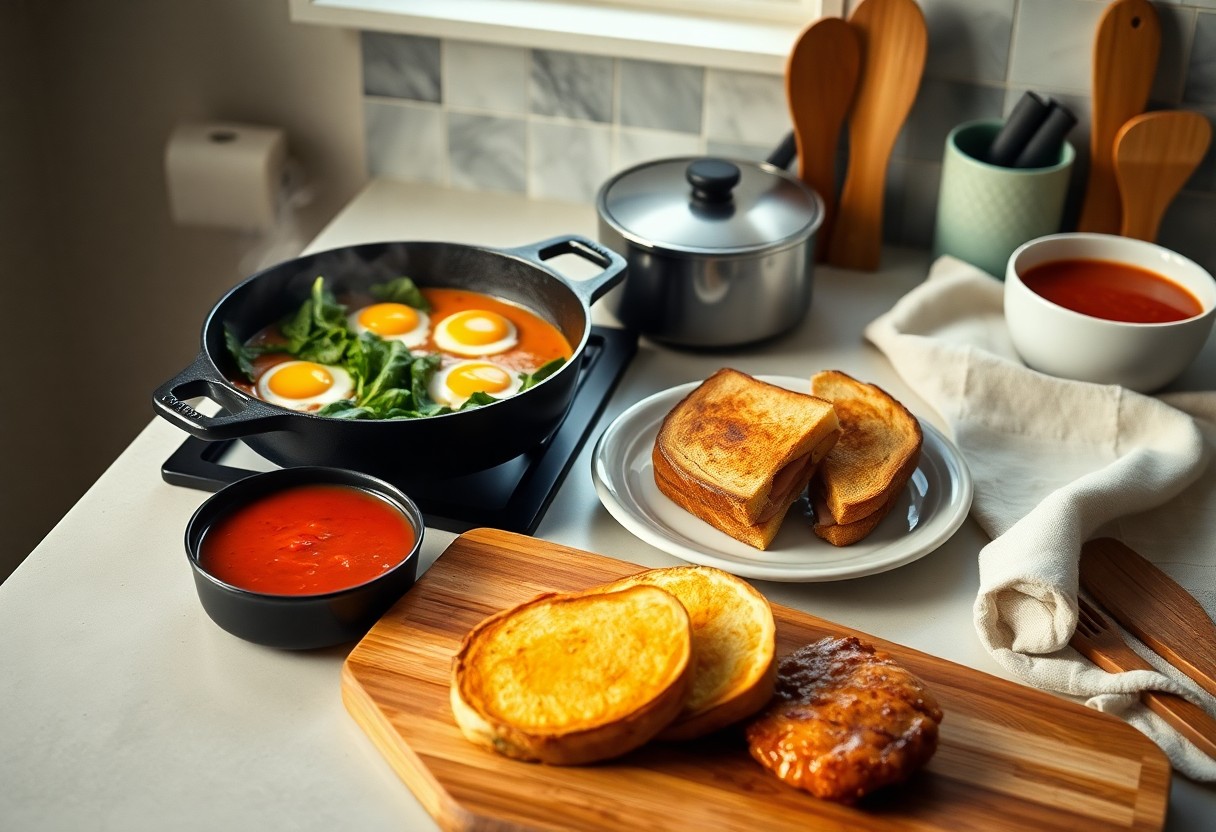
Key Takeaways:
- Choose recipes with a few pantry staples and basic techniques-one-pot dishes, sheet-pan meals, and simple soups deliver comfort with minimal effort.
- Favor flexible ingredients and straightforward seasonings so you can swap proteins or vegetables without losing flavor or satisfaction.
- Use prep shortcuts and make-ahead components-batch-cooked grains, roasted vegetables, and ready sauces-to cut cooking time and reduce weekday stress.
Breakfast Delights
A 2-egg omelette takes 5 minutes, overnight oats set the night before, and batch-cooked frittatas feed 4-6 people in under an hour. You can use leftovers like roasted vegetables or ½ cup cooked quinoa to boost nutrition, and keep sauces-salsa, pesto-in jars for fast flavor. Aim for protein plus fiber each morning: 10-20 g protein (eggs, Greek yogurt) and 5-8 g fiber (fruit, oats) to keep your energy steady.
Quick Omelette Recipes
You whisk 2 eggs with 1 tablespoon water and a pinch of salt, then cook over medium heat for about 90 seconds before adding fillings; folded omelettes take 3-4 minutes total. You can mix in ¼ cup grated cheddar, 2 tablespoons chopped herbs, or ½ cup sautéed spinach and mushrooms to hit 15-20 g protein and ~250 calories per serving. For consistent results, heat the pan to medium (325-350°F), use nonstick spray, and finish under a broiler for 30-45 seconds if you want a browned top.
Simple Pancakes and Waffles
You use a reliable batter: 1 cup flour, 1 tablespoon sugar, 1 teaspoon baking powder, ¼ teaspoon baking soda, 1 cup milk, 1 egg and 2 tablespoons melted butter to make about eight 4-inch pancakes; cook 2-3 minutes per side on medium heat. You can add ½ cup blueberries or 1 mashed banana for flavor and fiber, and keep cooked pancakes warm at 200°F in the oven for up to 20 minutes while you finish the batch.
You let pancake batter rest 10 minutes to hydrate the flour and produce a tender crumb; when making waffles, preheat the iron to 375°F and pour about ¾ cup batter per Belgian waffle, cooking 3-5 minutes until golden and crisp. You can replace up to 25% of the flour with rolled oats for a nuttier texture, and swap whole milk for buttermilk plus 1-2 teaspoons lemon juice to activate baking soda and yield fluffier pancakes.
Hearty Lunch Options
You can build midday meals that fill you up without fuss by pairing protein-rich mains with quick sides; aim for 20-30 grams of protein per plate by adding beans, eggs, or 4-6 oz of lean meat. Try a lentil stew with roasted veggies, a grain bowl with 1 cup cooked quinoa, or a warm sandwich and a side salad to stay satisfied until dinner. Timing-wise, most of these take 15-40 minutes from start to finish.
Comforting Soups
Try a 30-minute tomato basil bisque, a lentil curry soup (1 cup cooked lentils ≈18 g protein) or a classic chicken-and-vegetable broth that simmers for 20-30 minutes; you can boost fiber and satiety by adding barley or farro. Use a blender for 1 minute to finish creamy bisques, and freeze single portions in 2-cup containers for reliable lunches you can reheat in 3-4 minutes in the microwave.
Easy Sandwich Variations
Swap sliced sourdough or ciabatta for soft whole-grain bread and layer in proteins like 3-4 oz turkey, mashed chickpeas, or smoked salmon with cream cheese; add pickled onions or arugula for brightness. Assemble in 5 minutes, press in a panini for 3-4 minutes, or toast under a broiler for 2-3 minutes to melt cheese and crisp edges. These small swaps transform simple sandwiches into balanced, satisfying lunches.
For a reliable chickpea salad, mash 1 cup cooked chickpeas with 2 tbsp yogurt or mayo, 1 tbsp Dijon, 1 tbsp lemon juice, 2 tbsp chopped celery, and salt to taste-spread on toasted bread with cucumber slices. If you prefer warm options, heat a skillet over medium, butter one side of each slice, cook sandwiches 2-3 minutes per side until golden, and press gently for even melting; components keep separately in the fridge for 2 days.
Satisfying Dinner Meals
For weeknight dinners you can aim for balanced plates that hit protein, veggies, and a comforting starch; target 25-40 g of protein and roughly 400-700 kcal per adult portion. Try roasted chicken thighs with carrots and potatoes (40-50 minutes), a 30-minute seared salmon with lemon and green beans, or a slow-cooker chili that serves 6 and finishes with minimal hands-on time.
One-Pot Pasta Dishes
One-pot pasta saves cleanup and concentrates flavor: cook 12 oz pasta in 4 cups broth with 1 can crushed tomatoes, 1 onion, 3 cloves garlic, and 2 cups spinach for 12-15 minutes until tender. You can swap in 8 oz sausage or a can of drained beans for protein, finish with 1/2 cup grated Parmesan, and serve in under 25 minutes total.
Simple Stir-Fry Recipes
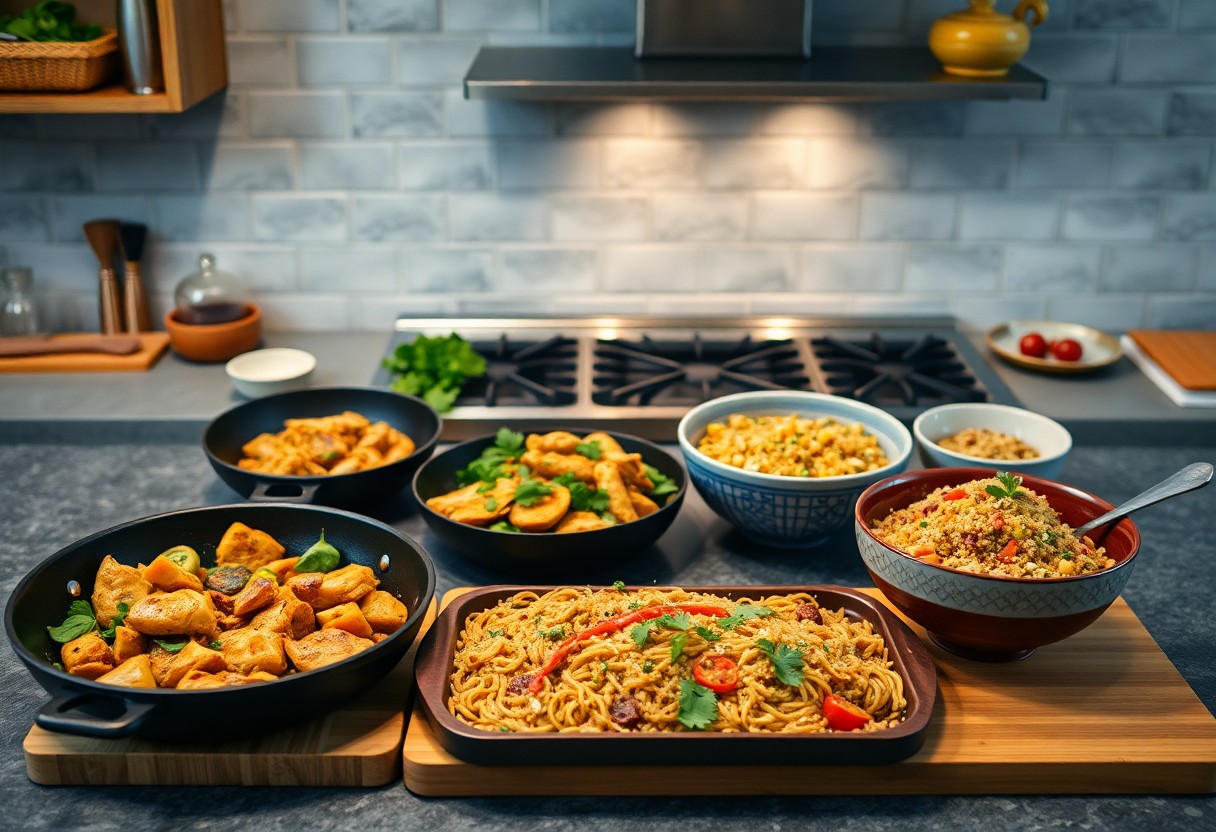
Simple stir-fries deliver restaurant-style results in 10-15 minutes when you use high heat and prep ingredients first: stir 8 oz thinly sliced chicken or tofu with 2 cups mixed vegetables in 1 tbsp oil, then toss with a sauce of 2 tbsp soy sauce, 1 tbsp rice vinegar, 1 tsp cornstarch, and 1 tsp honey for glossy coating.
Prep дикates speed: slice proteins 1/4-inch thick, cut vegetables uniform, and measure sauces before cooking. Sear proteins 1-2 minutes per side, remove, then cook harder vegetables (carrot, broccoli) 3-4 minutes before adding softer ones (bell pepper, snap peas) for 1-2 minutes; a 15-minute marinade (soy, ginger, garlic) boosts flavor for beef or tofu if you have time.
Delicious Side Dishes
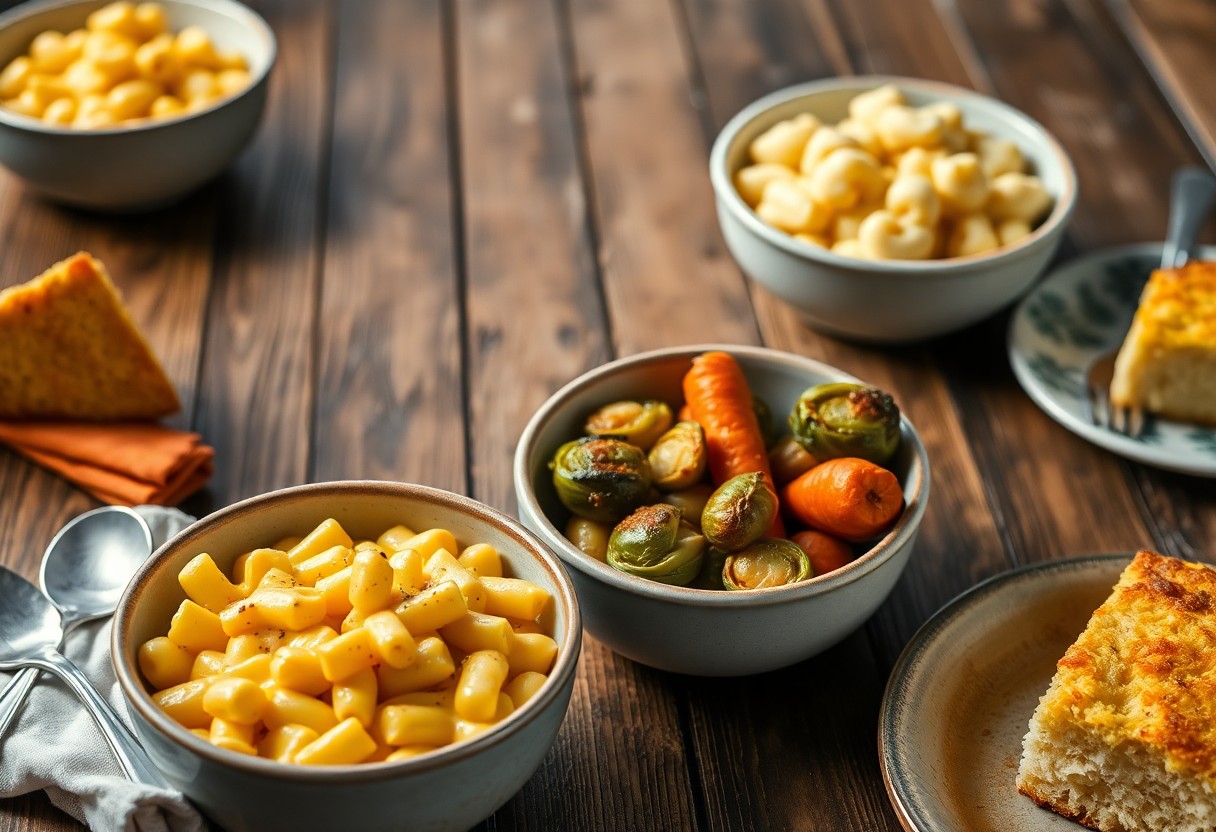
When you pair mains with sides, aim for balance and texture: roast root vegetables for caramelized sweetness, quick grains for a pillowy base, and a bright salad to cut richness. Roast carrots, Brussels sprouts, and sweet potatoes at 425°F for 20-25 minutes after tossing with 1-2 tablespoons olive oil per pound and ½ teaspoon salt; meanwhile, prepare a lemon-herb rice to finish in 15-20 minutes for a complete plate.
Roasted Vegetables
Roasting concentrates natural sugars, so you should cut vegetables to uniform sizes for even browning; toss 1-2 tablespoons olive oil per pound with ½ teaspoon salt and pepper, spread in a single layer, and roast at 425°F for 20-30 minutes, flipping once. Try mixes like carrots, parsnips, Brussels sprouts, and red onion, and finish with a splash of balsamic or a sprinkle of toasted sesame seeds for extra depth.
Easy Rice and Grains
If you want reliable grains, follow ratios and timing: long-grain white rice 1:2 water and simmer 15-18 minutes, brown rice 1:2.5 and simmer 40-45 minutes, quinoa 1:2 and cook about 12-15 minutes. Toasting 1 cup of grain in 1 tablespoon oil for 1-2 minutes before adding liquid boosts flavor, and using low-sodium broth instead of water adds savory depth with minimal effort.
When you want more control, sauté aromatics 2-3 minutes before adding grain, then add broth at the proper ratio and simmer covered; for pilaf, use 1 tablespoon butter per cup of rice and fold in toasted almonds, herbs, or frozen peas at the end. You can store cooked grains in the fridge for 3-4 days or freeze portions up to 6 months; a quick microwave reheat with a splash of water restores moisture in 1-2 minutes.
Sweet Treats
You can wrap up a comforting meal with desserts that are fast, forgiving, and satisfying: try a 90-second microwave mug cake for one, a skillet cobbler that feeds four in 25 minutes, or a simple affogato-1 shot of espresso poured over 2 scoops of vanilla. Use pantry staples like cocoa, oats, and condensed milk to keep prep under 10 minutes and still deliver the cozy payoff you want.
No-Bake Desserts
You’ll appreciate no-bake recipes when oven time is limited: a no-bake cheesecake in an 8-inch pan sets in about 2 hours in the fridge, chocolate mousse takes 15 minutes hands-on with 300 ml cream and 100 g dark chocolate, and energy balls (1 cup oats, ½ cup nut butter, ⅓ cup honey) make roughly 12 bites that last a week refrigerated.
Simple Fruit-Based Recipes
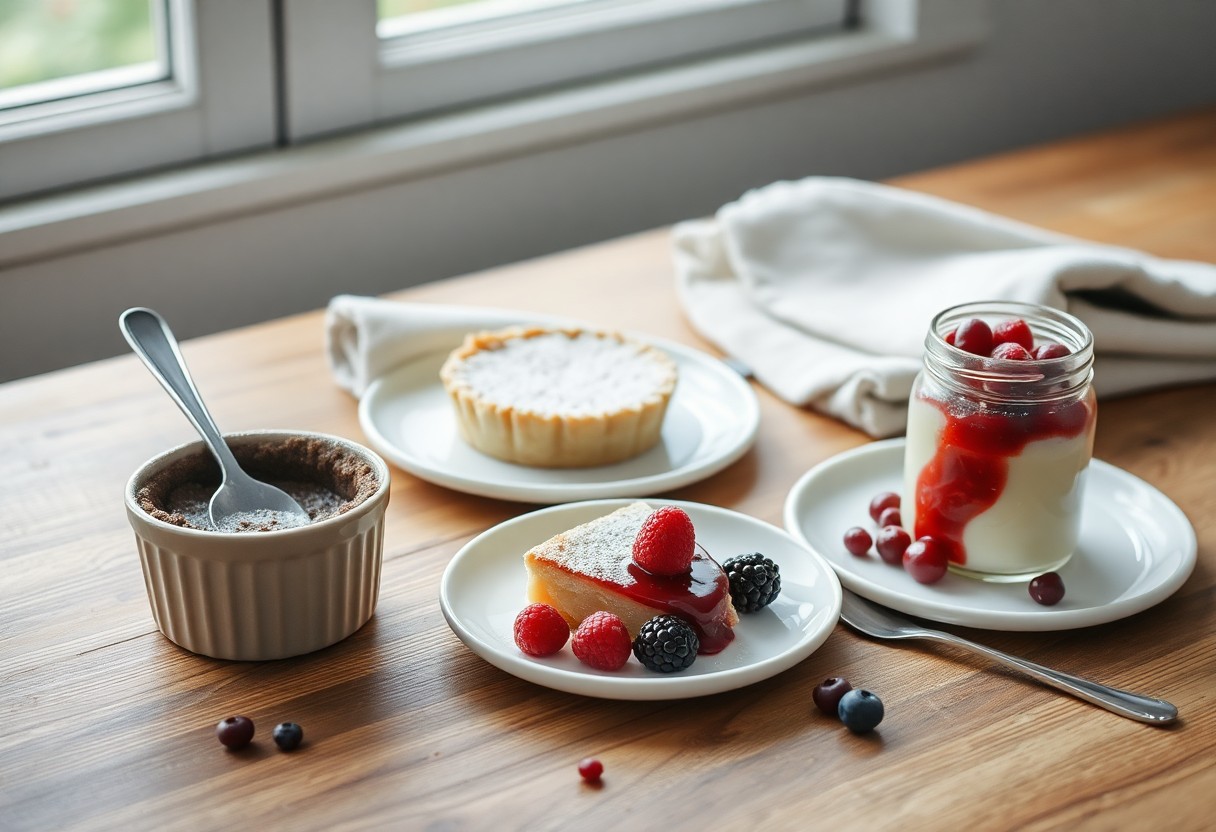
You can rely on fruit to deliver freshness with minimal work: simmer 2 cups mixed berries with 2 tablespoons sugar for a 10-minute compote, grill halved peaches 2 minutes per side, or core apples, stuff each with 1 tablespoon brown sugar and bake 30 minutes at 350°F (180°C) for an easy four-person dessert.
For more impact, macerate sliced fruit with 1 tablespoon sugar and 1 teaspoon citrus juice per cup for 20 minutes to boost sweetness and juice; frozen berries thawed and simmered make compotes in 8-10 minutes; store compote up to 5 days refrigerated, and pair ½ cup with ½ cup Greek yogurt to add about 10-15 g protein per serving.
Meal Prep Tips
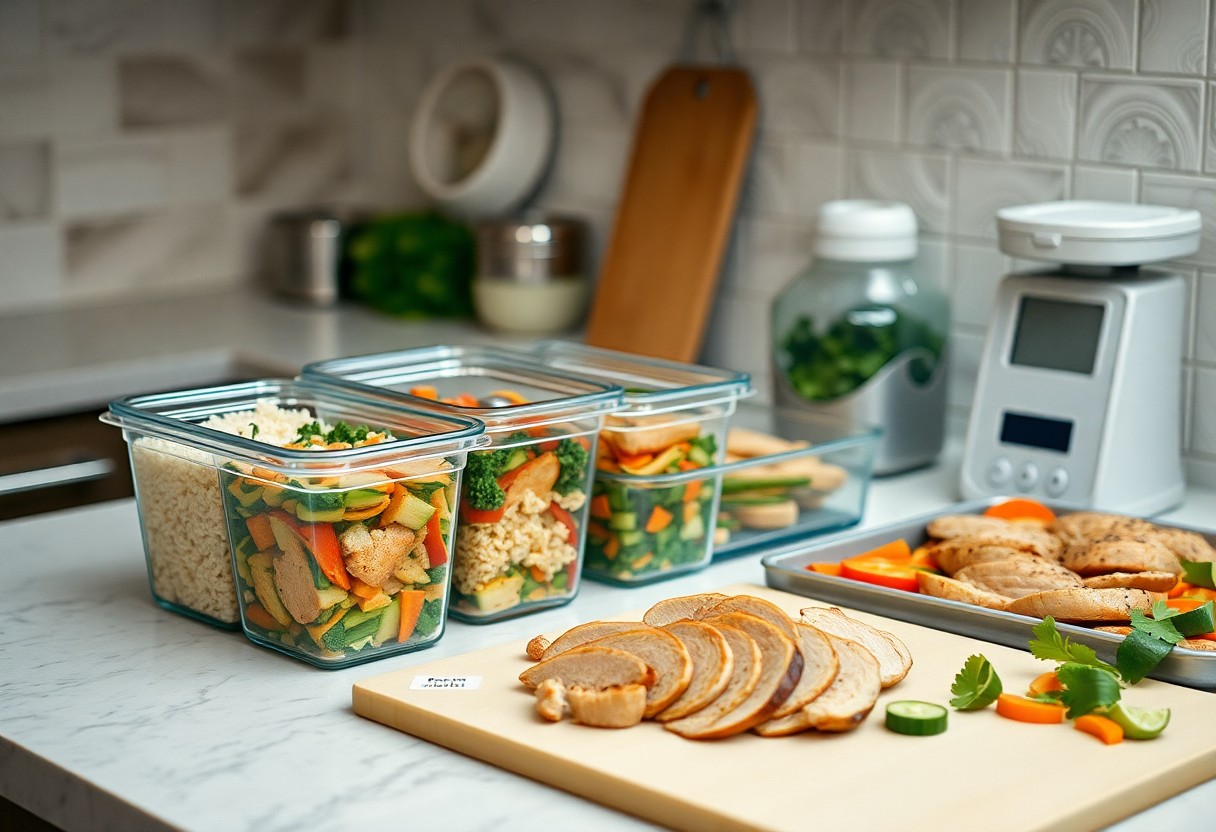
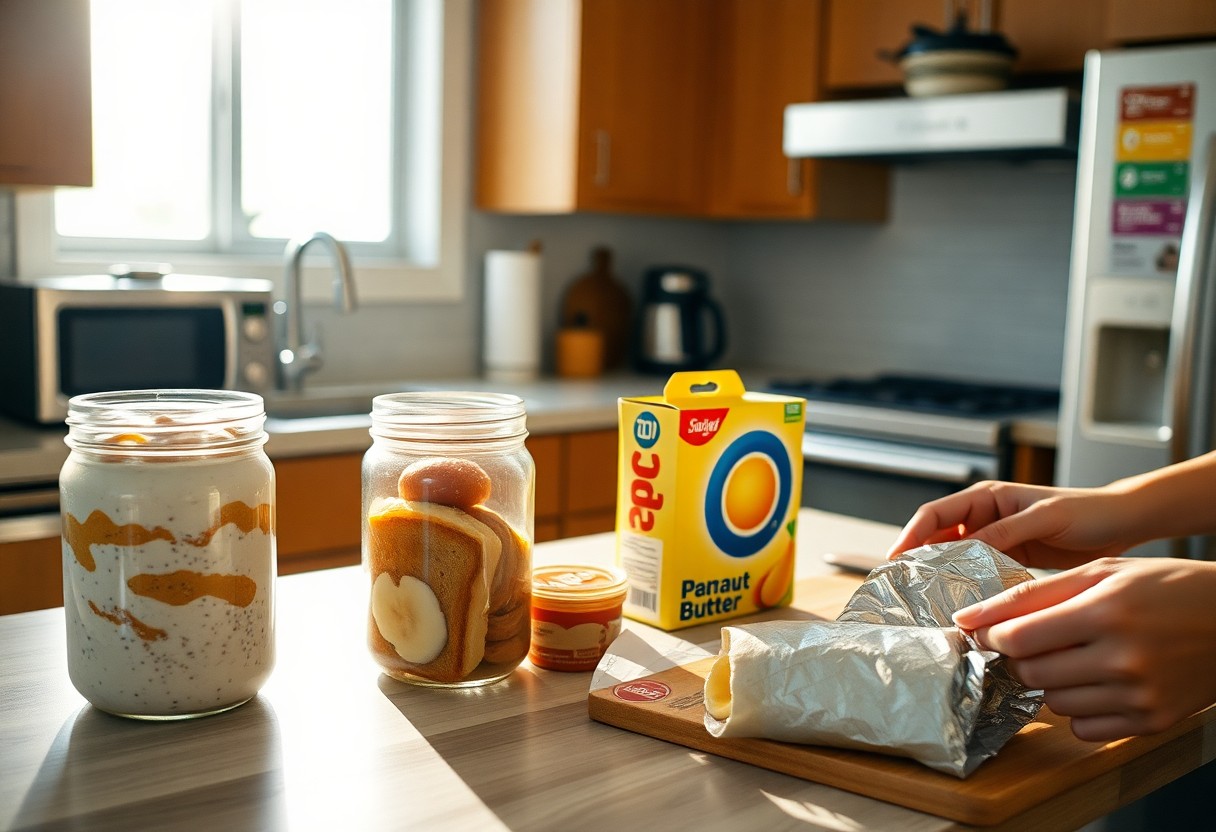
You can streamline weekday dinners by batching staples: cook 6-8 cups of rice, roast 3-4 pounds of vegetables, and portion proteins into 3-4 meal-sized packs. Schedule one 90-minute session twice weekly to chop, cook, and label; clear containers speed selection. Freeze sauces in 1-cup portions to mix and match, and keep a running inventory on your phone to avoid duplicates. Perceiving typical shelf life-rice 4-6 days, cooked veg 3-4 days, proteins 3-4 days-helps you plan what to use first.
- Label each container with contents and date
- Portion meals into 1-2 cup servings for quick reheats
- Use glass containers for reheating and freezer-safe bags for space savings
- Rotate older meals to the front (FIFO) to reduce waste
Batch Cooking Essentials
You should build a rotation of 3-5 flexible recipes: a grain, roasted vegetables, a braised protein, and a sauce. Cook 3-5 cups dry grain to yield about 8-10 cups cooked; roast 2-3 sheet pans at 425°F for 25-35 minutes. Use a slow cooker or instant pot to handle proteins while you prep sides, and freeze extra portions in 1-2 cup packs labeled with date for 2-3 months.
Storage and Reheating Guidelines
You should place hot food into shallow containers and refrigerate within 2 hours, keeping the fridge at or below 40°F (4°C). You can freeze meals flat in labeled bags to save space; stews and casseroles maintain quality for about 2-3 months. Reheat until the center reaches 165°F (74°C) or until steaming hot throughout, checking with a thermometer when possible.
When you use a microwave, stir every 60-90 seconds and cover to prevent drying; for oven reheats set 350°F (175°C) and heat 15-25 minutes depending on portion size. You should thaw frozen meals overnight in the fridge or use cold-water submersion for 1-2 hours for sealed bags; avoid thawing at room temperature. You should discard refrigerated leftovers after 3-4 days to keep meals safe.
To wrap up
Considering all points, you can rely on basic techniques, pantry staples, and straightforward substitutions to create satisfying comfort meals at home. With a focus on flavor balance, efficient prep, and modest equipment, you’ll build a dependable repertoire that fits your schedule and taste. Use batch-cooking and simple seasoning to elevate leftovers, and trust your instincts to adjust recipes to your family’s preferences.

Leave a Reply