
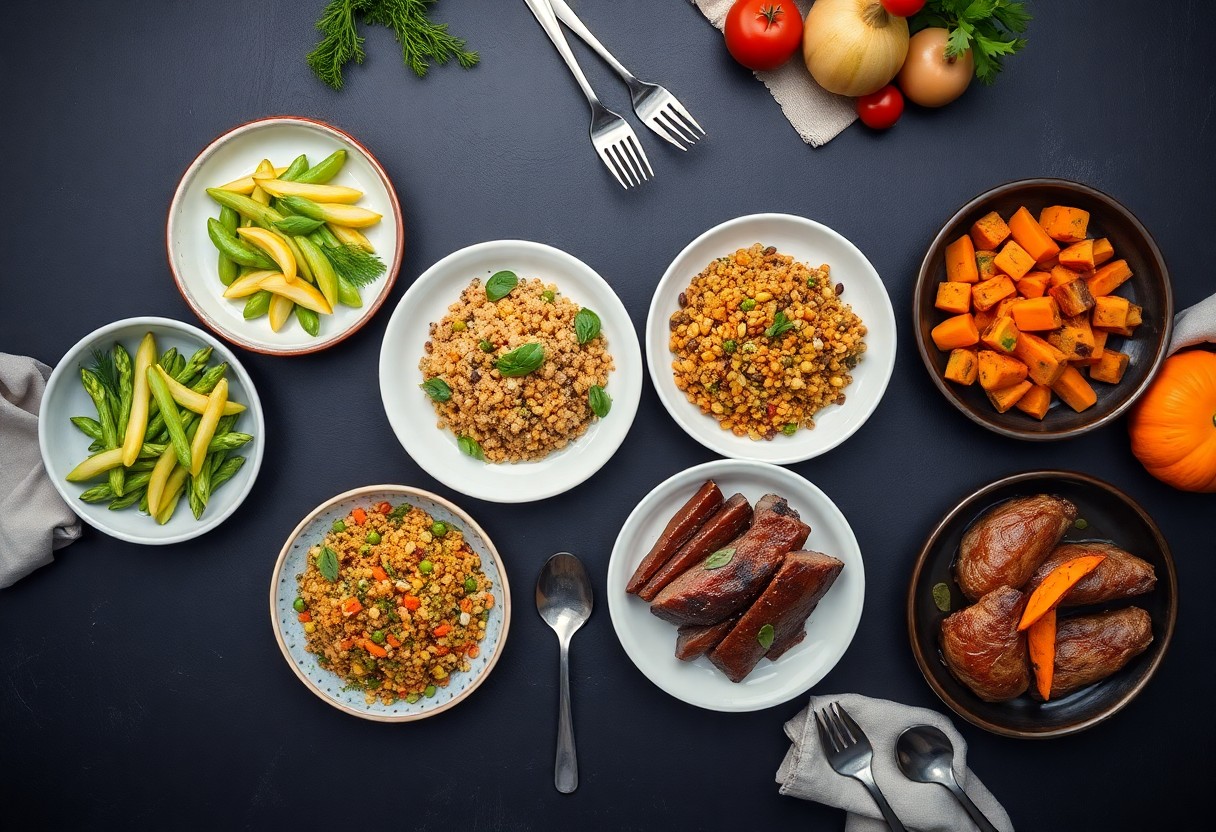
Just as the seasons change, you can refresh your menu with straightforward recipes that showcase peak produce and maximize flavor with minimal fuss. This guide gives you reliable techniques, seasonal ingredient swaps, and time-saving tips so you can confidently prepare vibrant, nutritious meals year-round without spending hours in the kitchen.
With simple techniques and seasonal produce, you can craft fresh, easy recipes that highlight peak flavor and streamline meal prep; this guide gives clear steps, ingredient swaps, and storage tips so your menus stay varied and dependable year-round. Use pantry staples and quick-cook methods to maximize taste and minimize effort, letting your cooking adapt effortlessly to each season.
Key Takeaways:
- Choose peak-season produce for superior flavor, nutrition, and value; let what’s fresh dictate your menus.
- Favor simple techniques-roasting, quick sautés, sheet-pan and one-pot recipes-and boost taste with herbs, acid, and proper seasoning.
- Plan and adapt: batch-cook, swap ingredients by season, and preserve surpluses (freeze, pickle, jar) to extend seasonal flavors year-round.
Key Takeaways:
- Leverage seasonal produce for peak flavor and lower cost-let fruits and vegetables guide menu choices and meal planning.
- Favor simple techniques and versatile recipes (one‑pan, sheet‑pan, quick sautés) that highlight ingredients and save time.
- Plan and adapt by batch‑cooking, preserving, and swapping proteins or grains so dishes stay fresh and flexible year‑round.
Spring Recipes
When markets brim with baby greens, asparagus, peas and early berries, you should lean into quick techniques that preserve bright flavors: blanch peas for 60-90 seconds, roast asparagus at 425°F (220°C) for 12-15 minutes, or toss strawberries with a splash of balsamic for 10 minutes before serving. These small timing rules yield big differences in texture and sweetness, and let you build menus that take 15-30 minutes without sacrificing impact.
Light Salads
You can create fresh salads in under 15 minutes by pairing 3-1 vinaigrettes (3 parts oil to 1 part acid) with seasonal produce: try spinach, sliced strawberries, toasted almonds and crumbled goat cheese, or sugar snap peas, mint and feta. Aim to dress greens just before serving and reserve crunchy toppings to maintain texture; that simple timing keeps salads vibrant and prevents wilting for 2-4 servings.
Vibrant Vegetable Dishes
You should favor methods that concentrate flavor-roasting, quick sautéing or grilling-to showcase spring vegetables: roast baby carrots and young beets to caramelize sugars, sauté ramps with a knob of butter for 3-4 minutes, or grill asparagus until charred at the tips. Combine a finishing acid (lemon or sherry vinegar) and a handful of herbs to lift the dish and balance natural sweetness.
For a reliable go-to, roast 1 lb (450 g) asparagus tossed with 1 tbsp olive oil and ¾ tsp salt at 425°F (220°C) for 12-15 minutes, then finish with 1 tsp lemon zest and 1 tbsp grated Parmesan. Alternatively, blanch 1 cup fresh peas for 60 seconds, shock in ice water, then toss with 1 tbsp mint, 1 tbsp olive oil and 1 tbsp lemon juice for a bright side that keeps its color and snap.
Spring Recipes
Spring brings a bounty of asparagus (peak April-June), sugar snap peas (May-June), strawberries, and rhubarb that you can highlight with simple techniques: blanch asparagus for 2 minutes then shock in ice water, roast rhubarb with 2 tablespoons brown sugar, or toss peas raw into pasta salads. You should aim for 10-20 minute prep and balance bright acids with a 3:1 oil-to-acid dressing to let delicate flavors sing.
Light Salads
You can assemble light salads in 10-15 minutes using peppery arugula, sliced radishes, young spinach, and 1/4-inch shaved fennel; add 1/4 cup toasted nuts and 2-3 tablespoons crumbled goat cheese for texture. Use a 3:1 oil-to-vinegar vinaigrette, swap to lemon for seafood, and serve cold to preserve crunch-plan on 4-6 servings per large bowl for easy sharing.
Fresh Herbs and Vegetables
Use fresh herbs like basil, chives, mint, and tarragon to lift salads and sauces-plan on 1-2 tablespoons chopped herbs per serving. Younger spring vegetables cook quickly: sauté baby carrots 4-6 minutes, or roast new potatoes 20-25 minutes at 400°F. You should harvest herbs before midday and store stems in a jar of water in the fridge to keep them vibrant for 5-7 days.
You can freeze excess herbs in ice cube trays with olive oil for ready 1-tablespoon portions, or dry them-drying typically reduces volume by about 80%-and store in airtight jars up to 6 months. You can try pairing basil with ripe tomatoes at a 1:1 leaf-to-tomato ratio in caprese, or you can fold in 2 tablespoons chopped tarragon into a 1-cup cream sauce for chicken; these swaps boost flavor without extra effort.

Summer Recipes
When heat peaks you shift toward 10-20 minute meals that showcase ripe tomatoes, corn, basil, peaches and berries. Grilling, quick pickles and no‑cook salads amplify flavor while keeping prep minimal; charred corn tossed with lime and cotija takes under 15 minutes. You can also rely on chilled soups like gazpacho that need about 2 hours to meld. Aim for bright, simple dressings and high‑acid finishes to make summer produce sing without heavy cooking.
Grilled Fresh Catch
For Grilled Fresh Catch you should choose firm fish-salmon, mahi‑mahi or sea bass-with fillets about 1 inch thick. Pat dry, oil lightly and season with lemon, garlic and thyme or use a 30‑minute citrus marinade. Grill over medium‑high heat 4-6 minutes per side until flesh flakes and reaches 145°F (63°C). You can plank salmon on cedar for smoky aroma or sear blackened mahi‑mahi for a 5‑minute, restaurant‑style finish.
Seasonal Fruit Desserts
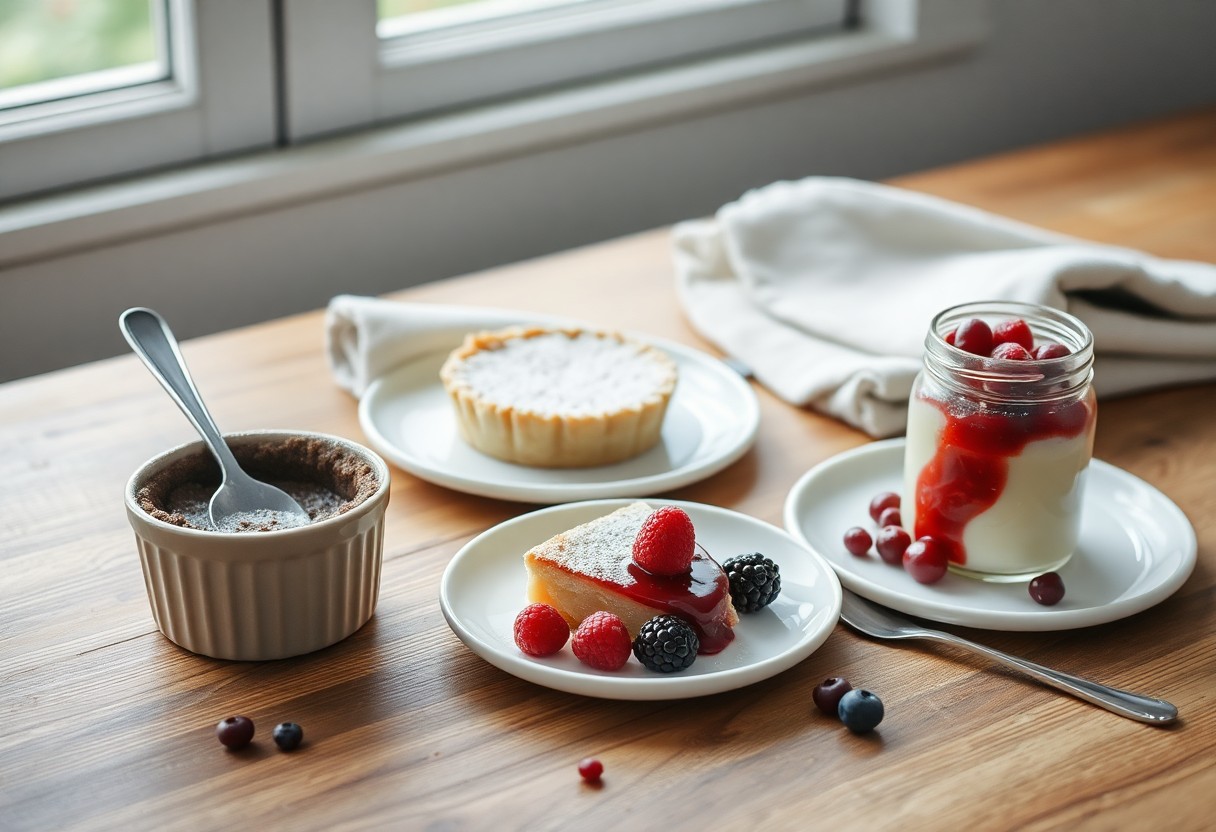
You’ll rely on peaches, berries and cherries to build desserts that are light and fast: grilled peaches with ricotta (3-4 minutes per side), berry galettes baked at 400°F for 20-25 minutes, or a cherry crisp that finishes in 35-40 minutes at 375°F. You can cut sugar by 20-30% when fruit is perfectly ripe and add a teaspoon of lemon juice per cup of fruit to balance sweetness. Finish with mint or vanilla ice cream.
When assembling fruit desserts scale sugar and thickeners: for 4 cups of berries use 2 tablespoons sugar and 1 tablespoon cornstarch; for juicier peaches or cherries increase cornstarch to 1.5 tablespoons and bake at 375°F for 30-35 minutes. Macerate berries with 1 tablespoon sugar and 1 teaspoon lemon juice for 20 minutes to concentrate flavor. For a crisp topping combine 1 cup oats, 1/3 cup brown sugar and 6 tablespoons cold butter for a crunchy finish.
Summer Recipes
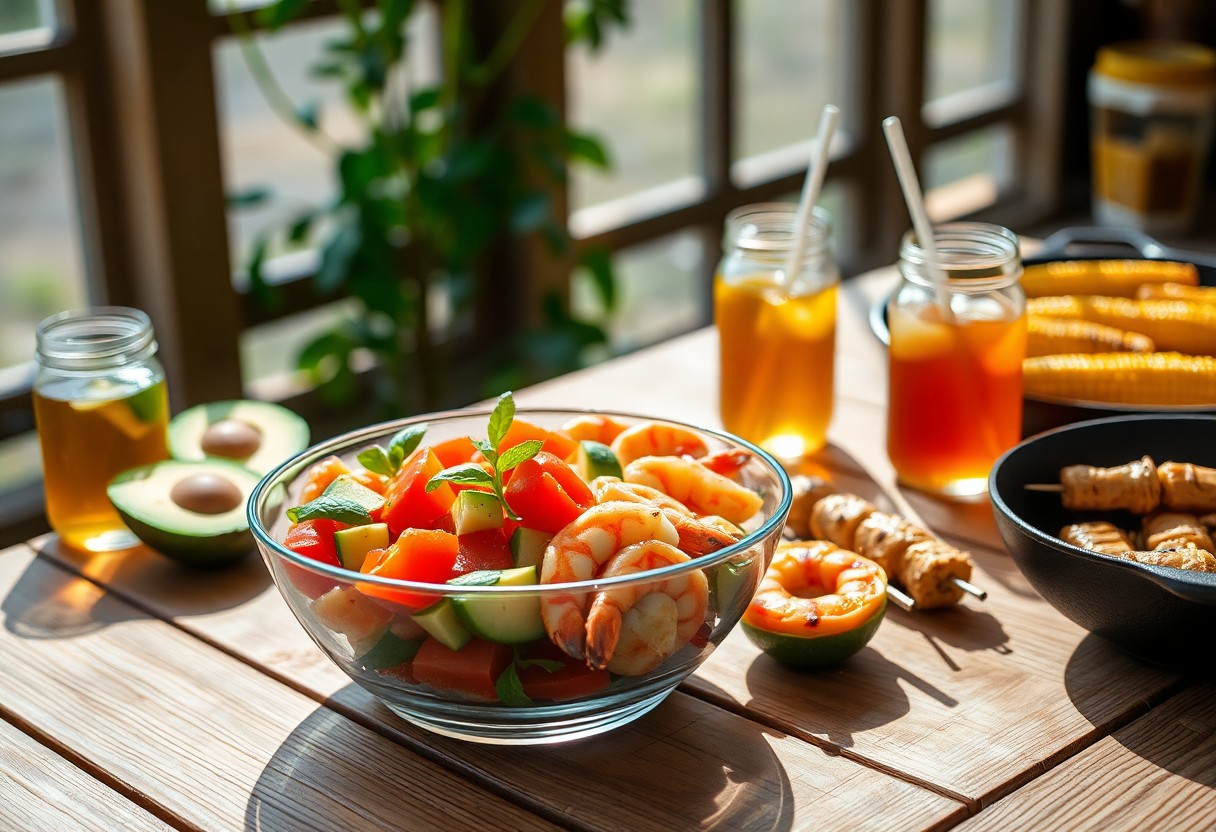
When markets overflow with ripe tomatoes, sweet corn and stone fruit, you lean into fast techniques and no-heat preparations that preserve brightness. Aim for tomato-peach salads dressed with 2 tablespoons of vinaigrette, corn succotash sautéed for 5 minutes, and zucchini ribbons tossed with lemon and olive oil. Using produce at peak in July-August boosts flavor, shortens cook times, and lets you plate vibrant, low-effort meals that highlight seasonal sweetness and acidity.
Grilled Dishes
On a medium-high grill (400-450°F) you get best results: sear proteins for flavor, cook chicken 6-8 minutes per side, fish 3-4 minutes, and vegetables 2-3 minutes. Marinate thin fish 30 minutes and thicker cuts up to 2 hours; brush fruit like peaches 2 minutes per side to caramelize. Try shrimp skewers, skirt steak with chimichurri, or corn rubbed with chili-lime butter for quick, high-impact summer dinners.
Chilled Soups
Gazpacho and other chilled soups let you celebrate tomatoes and cucumbers without heat: blend 4 cups ripe tomatoes with 1 cucumber, 1 garlic clove, 2 tablespoons sherry vinegar and olive oil, then chill at least 2 hours. You can swap tomatoes for watermelon or use avocado for creaminess; these recipes typically serve 4 and save you time on hot afternoons while delivering bold, refreshing flavors.
To refine chilled soups, pass them through a fine sieve for a silky texture or leave them chunky for contrast; balance acidity with about 1 tablespoon vinegar or lemon per 4 cups base and adjust to taste. Add fresh herbs at service, garnish with diced cucumber, croutons or toasted seeds, and keep refrigerated up to 3 days-avoid freezing dairy-based versions to preserve texture.
Autumn Recipes
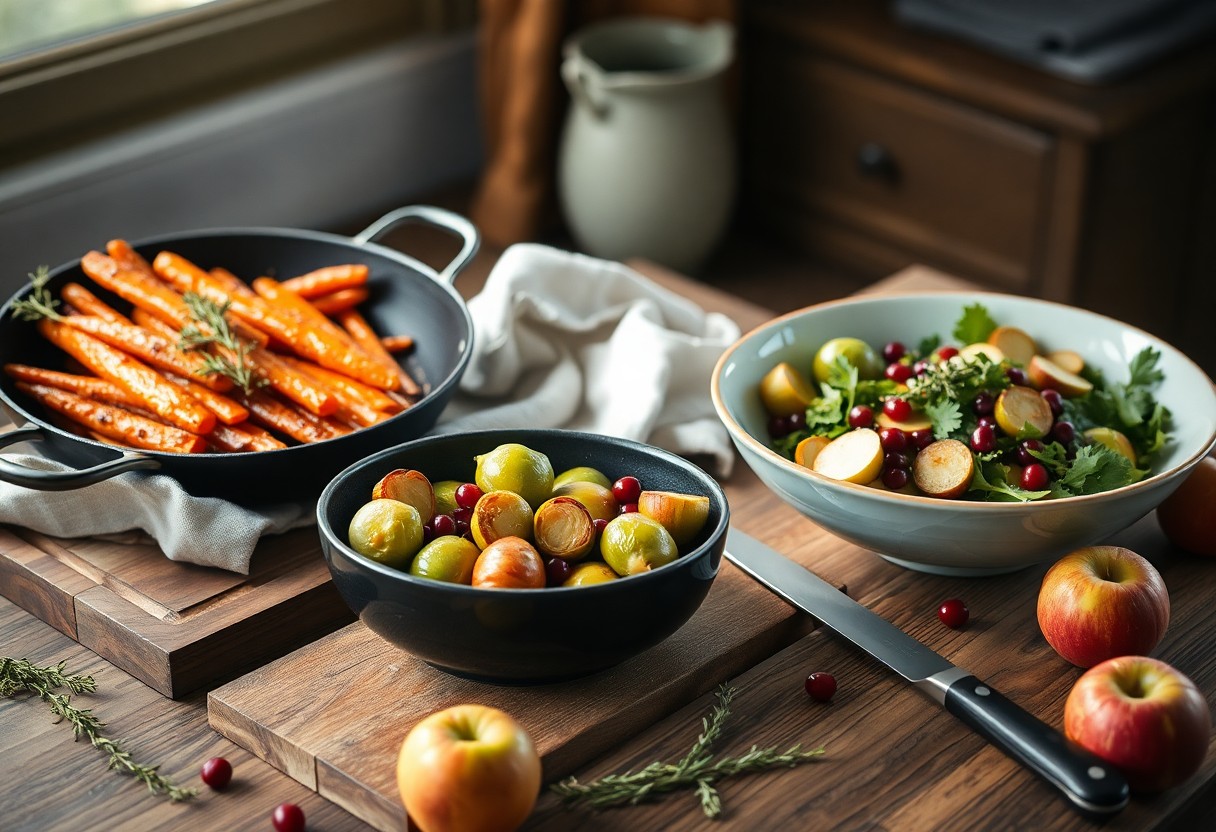
As leaves change, you shift toward roasting, braising, and slow-simmering to pull sweet, caramelized flavors from squash, apples, and root vegetables (peak September-November). Try roasting acorn squash at 400°F for 35-40 minutes, tossing Brussels sprouts with 1 tbsp oil and ½ tsp salt and baking 20-25 minutes, or simmering a 6-8 cup pot of apple-butternut soup for 25 minutes to meld flavors; small timing tweaks deliver big texture differences.
Hearty Casseroles
You rely on casseroles for easy weeknight dinners and feeding a crowd: layer 2 cups cubed sweet potato, 1 lb browned sausage or lentils, 2 cups kale, and 1 cup grated cheddar, cover and bake at 375°F for 40 minutes, then uncover to brown 8-10 minutes. Incorporate a can of drained cannellini beans for 15-20 g protein per serving, and vary herbs-sage with pork, thyme with mushrooms-to shift the profile.
Seasonal Spices
You accent autumn dishes with cinnamon, nutmeg, cloves, star anise, and cardamom; a reliable pumpkin spice ratio is 3 parts cinnamon:2 ginger:1 nutmeg:0.5 cloves. For mulled cider, warm 1 L cider with 2 cinnamon sticks, 3 whole cloves, and 2 star anise for 10 minutes; for roasted squash, dust 1 tsp spice blend per 2 cups cubed squash before roasting to build depth without overpowering.
You maximize spice impact by toasting whole spices 2-3 minutes to release oils, then grind fresh-whole spices keep 3-4 years while ground are best within 6-12 months. Use potent spices sparingly (start with 1/8-1/2 tsp ground cloves), store airtight away from heat and light, and pair thoughtfully: cinnamon with pork or apples, star anise with braised beef, and cardamom to brighten pear desserts.
Fall Recipes
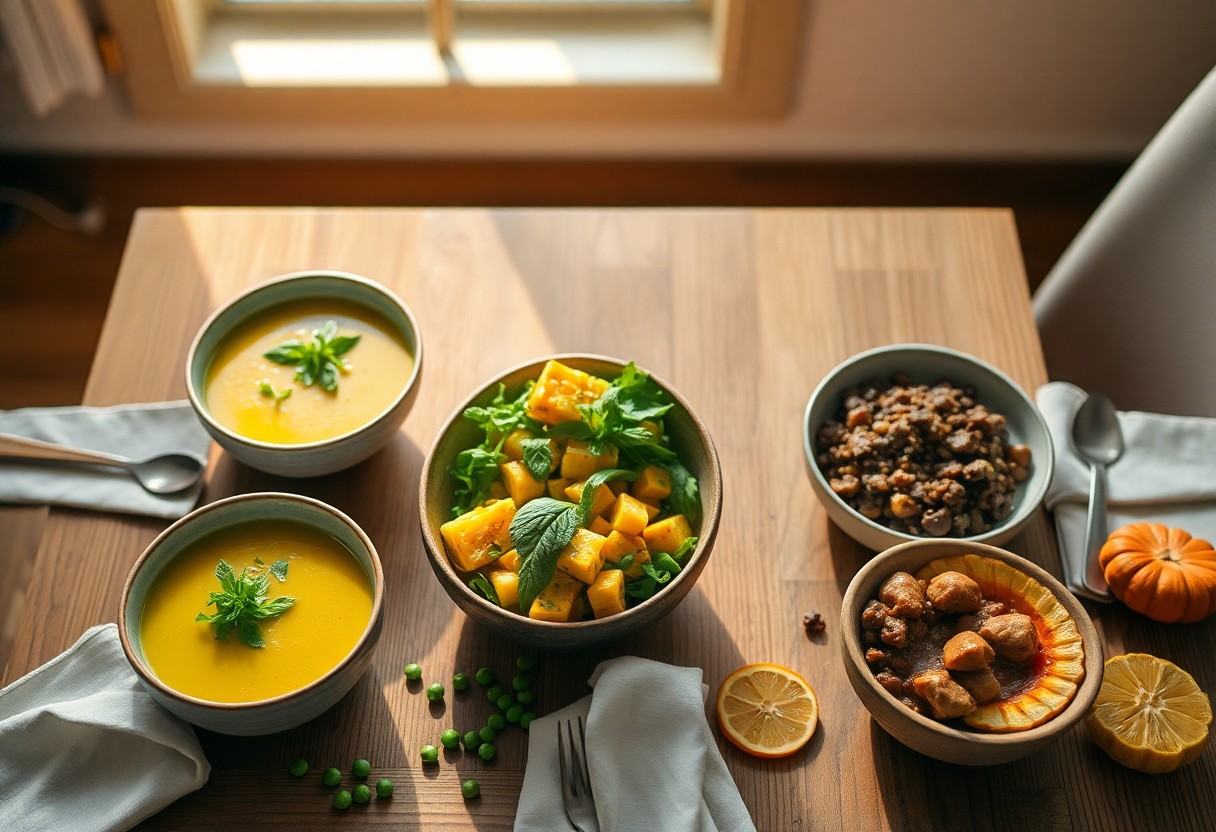
As leaves color, you shift to robust flavors: you roast squash and caramelize apples, make apple-cider reductions and braised greens. Roast butternut or acorn at 400-425°F for 30-40 minutes, glaze with 1-2 tablespoons maple syrup per pound, and finish with toasted pepitas. Braises take 45-90 minutes-use 4 cups stock per 2 pounds of meat or mushrooms. Pair pork with roasted apples or sage butter over polenta.
Hearty Soups and Stews
You can build soups that feed 4-6 with 6-8 cups stock, starting by sweating aromatics 4-6 minutes. Brown meat 3-4 minutes per side, deglaze with 1 cup wine or cider, then simmer 45-90 minutes for tender results. Use lentils (20-30 minutes) or pearl barley (45-60 minutes) for body. Finish each pot with 1 tablespoon vinegar or a squeeze of lemon and chopped parsley to brighten flavors.
Root Vegetable Medleys
You should roast root vegetable medleys at 425°F for 25-35 minutes after tossing 1 tablespoon oil per pound and 1 teaspoon salt per pound; cut vegetables to uniform 3/4‑inch pieces for even caramelization. Combine carrots, parsnips, beets, and sweet potatoes in a 2:1 ratio of starchy to sweet roots, add rosemary or thyme, and finish with 1 tablespoon balsamic or maple syrup for a glossy glaze.
To get perfect texture, you can parboil dense roots like beets or rutabaga 5-10 minutes before roasting; alternatively, roast beets separately to avoid staining lighter roots. Aim to turn the pan once at 15-18 minutes and sprinkle 2 tablespoons chopped herbs per pound when hot. For serving, pair with 3-4 ounces tangy goat cheese per 2 cups roasted veg or drizzle a tablespoon of citrus vinaigrette to cut sweetness.
Winter Recipes
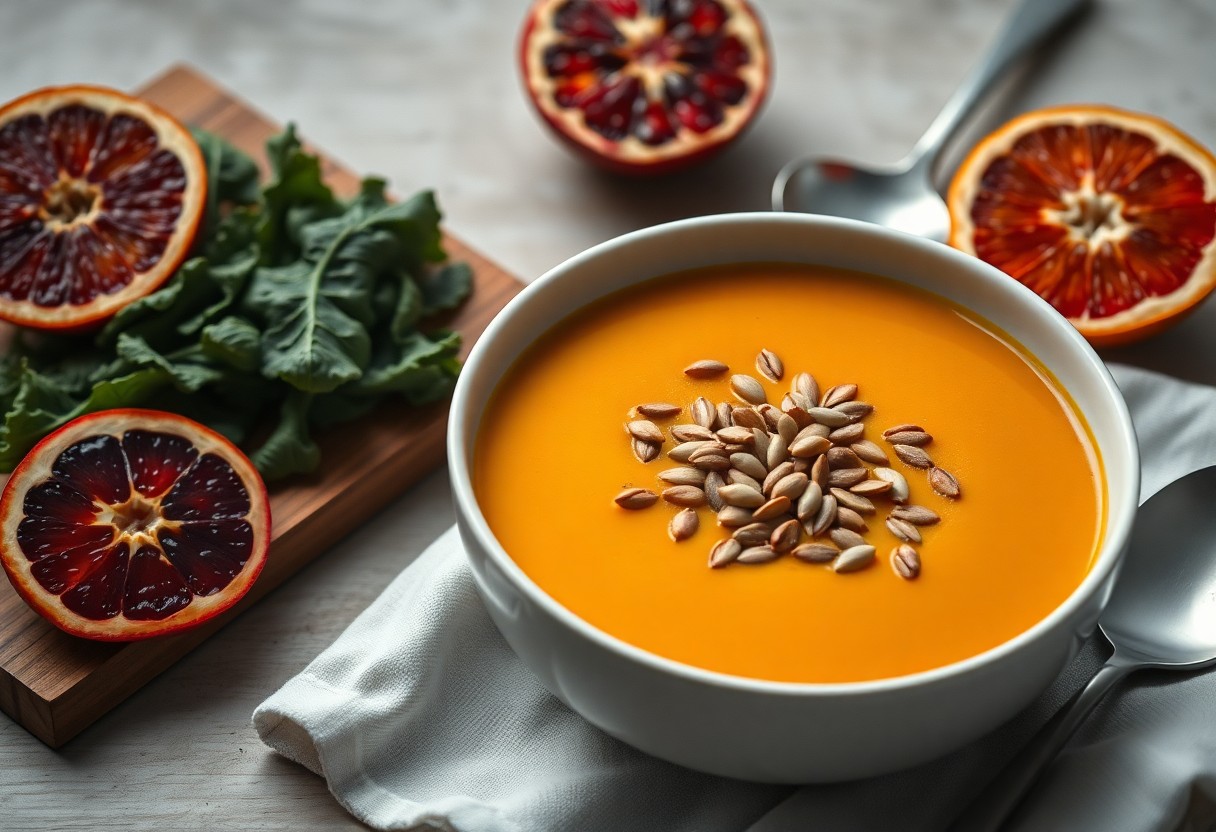
When temperatures drop you shift toward slow techniques that concentrate flavor: roast root vegetables at 400°F for 30-40 minutes to caramelize, braise meats low and slow (275°F for 2-4 hours) to break down collagen, and spotlight citrus or preserved fruits to cut richness; think roasted squash with orange zest, beef stew with red wine and thyme, or farro bowls with kale, toasted seeds, and a bright vinaigrette.
Comfort Foods
You lean on one-pot dishes and creamy bakes that comfort and stretch ingredients: shepherd’s pie with 500g ground lamb, layered under 1 kg mashed potatoes; potato gratin baked at 375°F for 40-50 minutes with 200g Gruyère; and slow-simmered stews that yield tender beans and fork-soft meat after 2-3 hours of low heat.
Warm Beverages
Turn to hot drinks for instant warmth-mulled wine, spiced apple cider, and rich hot chocolate each have simple formulas: simmer mulled wine 10-15 minutes without boiling, steep cider with cinnamon and star anise for 20 minutes, and make hot chocolate from 60-70% dark chocolate or Dutch cocoa for depth.
For a quick mulled wine heat a 750 ml bottle with one sliced orange, ¼ cup sugar, two cinnamon sticks and four cloves, keeping it at a gentle simmer for 15 minutes; for single-serve hot chocolate use 28 g chopped dark chocolate per 240 ml milk, whisking until smooth; for chai bruise 4 cardamom pods and simmer spices 5-7 minutes before adding tea.
Winter Recipes
When cold weather sets in, you lean into long, low cooking: braises that simmer 2-3 hours, soups that develop deeper flavor after a day, and slow-roasted roots caramelized at 400°F for 35-45 minutes. You balance heft with brightness by adding citrus zest, pomegranate seeds, or a splash of vinegar; a single orange or 1-2 tablespoons of balsamic can lift a stew that serves 4-6. Use leftover grains and beans to extend meals without extra effort.
Comforting Casseroles
You build casseroles to feed a crowd and simplify weeknights: a shepherd’s pie with 1 lb ground lamb or beef, 3 cups mashed potato topping, and a 375°F bake for 25-30 minutes is classic. Alternatively, layer 2 cups cooked quinoa, roasted squash, 1 cup Gruyère, and a béchamel for a vegetarian bake that serves 4. You can assemble ahead and refrigerate overnight to save 15-20 minutes on busy evenings.
Warm Spiced Beverages
You rely on mulled cider, spiced hot chocolate, and masala chai to warm the kitchen: simmer apple cider with 2 cinnamon sticks, 4 cloves, and an orange slice for 10-15 minutes, or steep black tea with cardamom, ginger, and cinnamon for a 1:1 chai concentrate. You control sweetness with 1-2 tablespoons maple syrup per quart and can spike individual cups with 1-2 oz rum or brandy if desired.
For a precise mulled cider, heat 1 quart apple cider with 2 cinnamon sticks, 6 whole cloves, 1 star anise, and the peel of one orange, simmering 15-20 minutes and straining before serving; it yields about 4 cups. For chai, simmer 4 cups water with 4 black tea bags, 6 crushed cardamom pods, a 1-inch sliced ginger, and 1 stick cinnamon for 10 minutes, then add 2 cups milk and 2-3 tablespoons sugar to taste-works well as a concentrate refrigerated for up to 5 days.
Quick and Easy Meal Prep
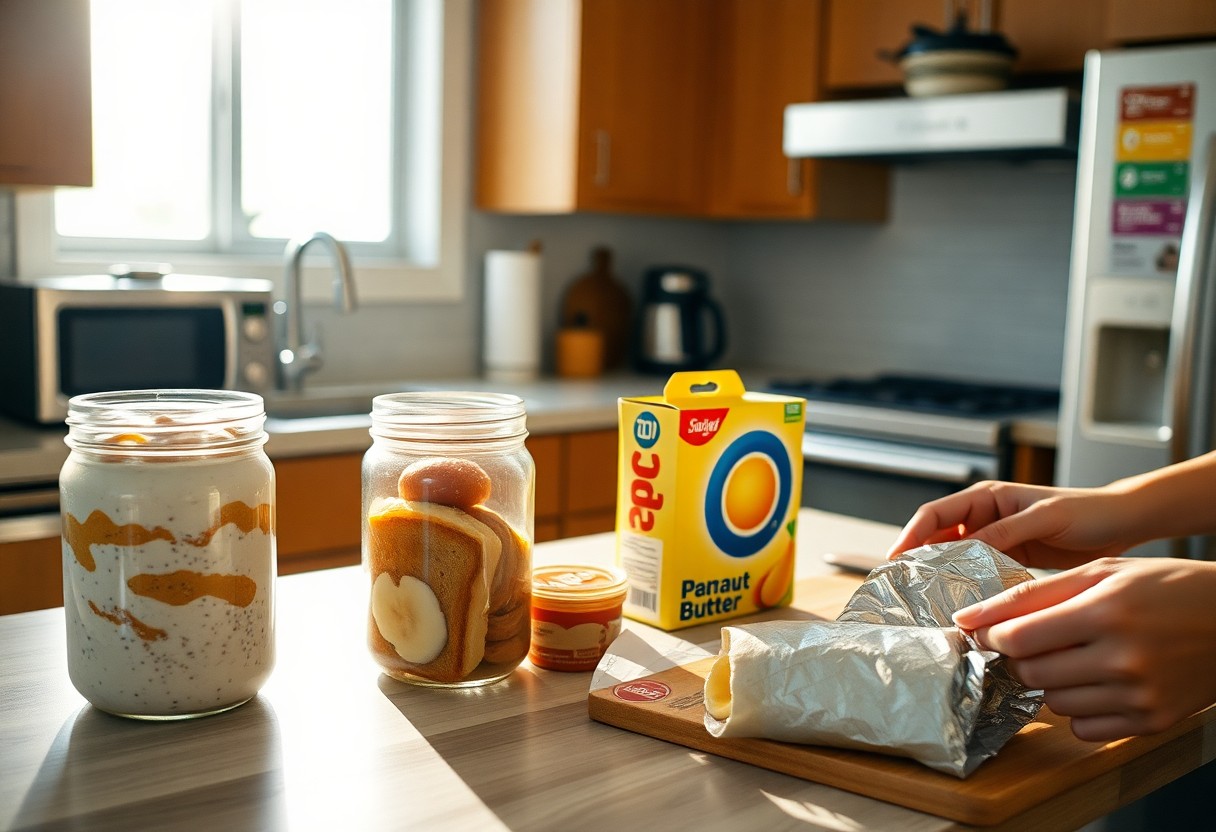
Spend 60-90 minutes in one session: cook 2 cups dry quinoa (yields ~6 cups cooked), roast 1.5-2 lb chicken thighs at 425°F for 25-30 minutes, and sheet-pan roast a pound each of broccoli and carrots at 425°F for 15-20 minutes. Portion into five containers with 1 cup grain, 4 oz protein, and 1 cup veg so you can grab lunches quickly; use mason jars for salads and keep dressings on the side.
Make-Ahead Options
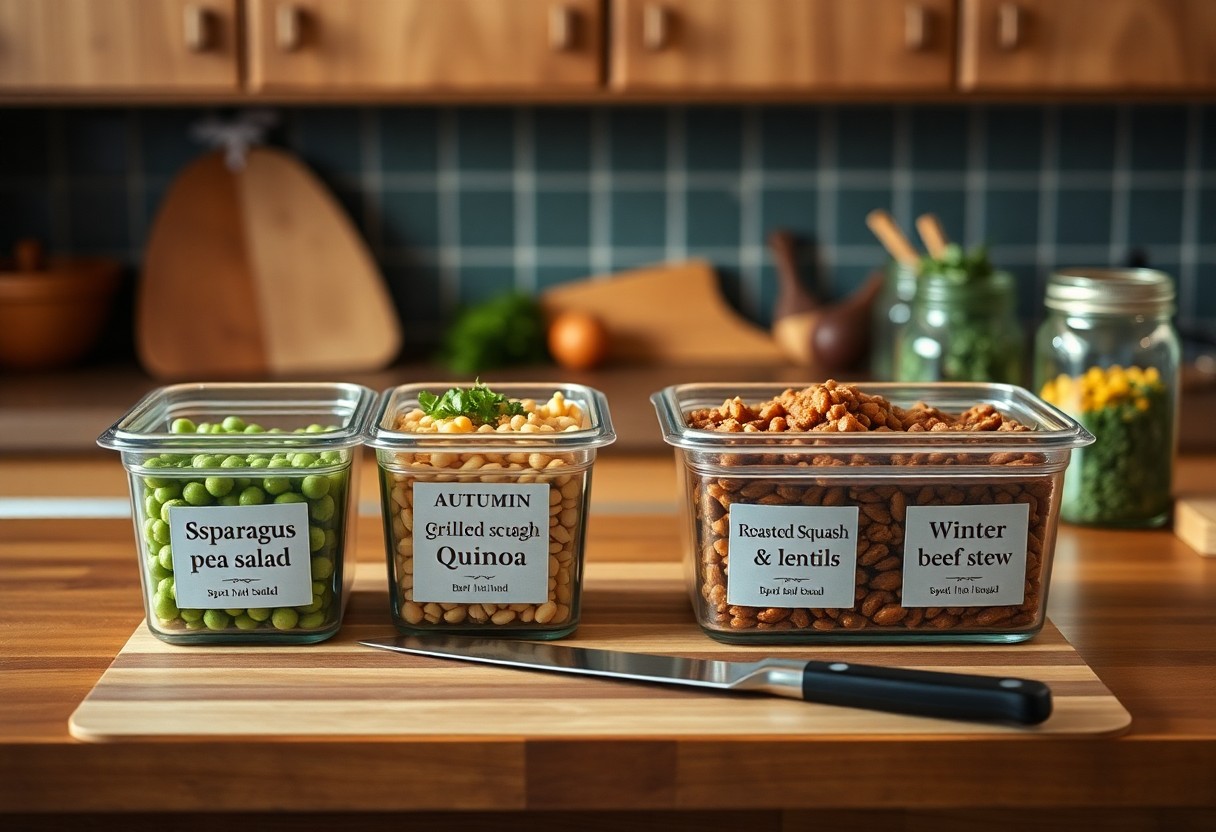
Layered salad jars, baked grain bowls, and slow-cooker pulled pork simplify your weekdays. Chill baked ziti or enchiladas-finish at 350°F for 25-30 minutes before serving-and they’ll keep 3-4 days refrigerated. Make overnight oats in 5 minutes and store up to 4 days. Prepare sauces (pesto, tomato ragu) in about 30 minutes and freeze in 1-cup portions for 2-3 months. Label containers with date and contents so you know what to reheat.
Freezer-Friendly Recipes
Soups, stews, meatballs, and assembled casseroles are ideal for freezing: cool soups after a 20-30 minute simmer and freeze in 2-cup portions. Flash-freeze single servings on a tray, then bag flat to save space. Aim to use most meals within 3-6 months for peak quality; vacuum sealing can extend that to 9-12 months. When you thaw, reheat on the stovetop or in a 350°F oven until the internal temp reaches 165°F.
Preserve texture by blanching vegetables 2-3 minutes then shocking in ice water before freezing-this keeps green beans, broccoli, and peas vibrant for 8-12 months. Avoid freezing cream-heavy sauces; instead freeze the tomato or stock base and stir in dairy after reheating. Portion chili, bolognese, or turkey meatballs into 1-2 cup servings and label with date plus simple reheating notes. You can freeze herb-oil cubes in ice trays for quick flavor boosts, and when pressed for time, reheat frozen casseroles at 325-350°F until thoroughly warmed to retain moisture and reduce overcooking.
Meal Prep Tips
Batch-cook staples like roasted vegetables, quinoa and grilled chicken on Sunday to cover lunches for 4-5 days. Any system that pairs a protein, grain and veg in each container saves up to 20 minutes daily and reduces food waste.
- Use airtight 3-cup containers for consistent portions and easy stacking.
- Label meals with date and contents to rotate through older items first.
- Store dressings separately in 2-4 oz jars to keep salads crisp.
- Freeze 1-2 meals weekly in single portions for busy nights.
Seasonal Ingredient Swaps
When tomatoes are out of season, substitute a 14.5 oz can of crushed tomatoes at a 1:1 volume and add 1 tsp lemon to boost acidity; trade summer berries for 1 cup sliced apples or ½ cup dried cranberries in salads; replace zucchini with 1 cup roasted butternut squash in fall stews to preserve texture and flavor while keeping recipes balanced.
Time-Saving Techniques
Use a pressure cooker to cut braising from 2-3 hours to 20-30 minutes, and rely on sheet-pan dinners that bake in 20-25 minutes to free up hands-on time; buying pre-chopped veggies or using a food processor can shave 10-20 minutes off prep, letting you assemble meals faster.
Adopt mise en place: chop proteins, veggies and aromatics into labeled bins so you can build multiple meals in a 30-45 minute window; cook 3 cups dry rice or quinoa once to yield about 9 cups cooked and freeze in 1-cup portions; batch sauces (tomato, pesto) in 2-cup jars to thaw in under 3 minutes and cut weekday cooking by half.
Healthy Substitutions
Swap ingredients to boost nutrient density without sacrificing flavor: use plain Greek yogurt (about 15-20 g protein per cup) instead of sour cream 1:1, replace half the oil in baking with applesauce to cut added fat roughly 50%, and choose whole grains-1 cup cooked farro delivers ~5-6 g fiber versus ~2 g in refined rice-so you get more fiber and sustained energy from simple swaps.
Alternative Ingredients
Use legumes as protein-rich fillers-1 cup cooked lentils provides ~18 g protein and 16 g fiber-swap cauliflower rice (≈5 g carbs per cup) for white rice (≈45 g carbs per cup) to slash carbs, and trade refined pasta for whole-grain versions that add 3-5 g fiber per serving while keeping texture similar in sauces you already love.
- Turn mashed chickpeas into burger bases to replace 4 oz beef (cutting saturated fat while keeping ~15-20 g protein depending on portion).
- Grate zucchini into batters to add moisture and lower calorie density without losing volume.
- Thou can puree cooked squash for half the butter in many baking recipes to reduce saturated fat and add vitamin A.
Nutritional Tips
Balance macronutrients by aiming for ~20-30 g protein per meal and targeting 25-30 g fiber daily; fill half your plate with vegetables, allocate a quarter to lean protein, and a quarter to whole grains or starchy veg, while keeping sodium under 2,300 mg/day and using herbs, citrus, or vinegar to boost flavor without extra salt.
For practical application, plan breakfasts with 6-8 g protein from eggs or Greek yogurt plus fruit, lunches with 25-30 g protein and 3-4 cups mixed vegetables, and dinners that include legumes or fish twice weekly; track one week to identify gaps-many people under-consume fiber and over-consume sodium-so adjust swaps and portion sizes based on your activity level and goals.
- Prioritize snacks that combine protein and fiber, like apple slices with 2 tbsp almond butter, to stabilize blood sugar between meals.
- Choose frozen vegetables when fresh aren’t available to keep micronutrient intake steady and reduce waste.
- Thou should measure portions for two weeks to learn true serving sizes and make targeted substitutions that fit your tastes.
Nutritional Considerations
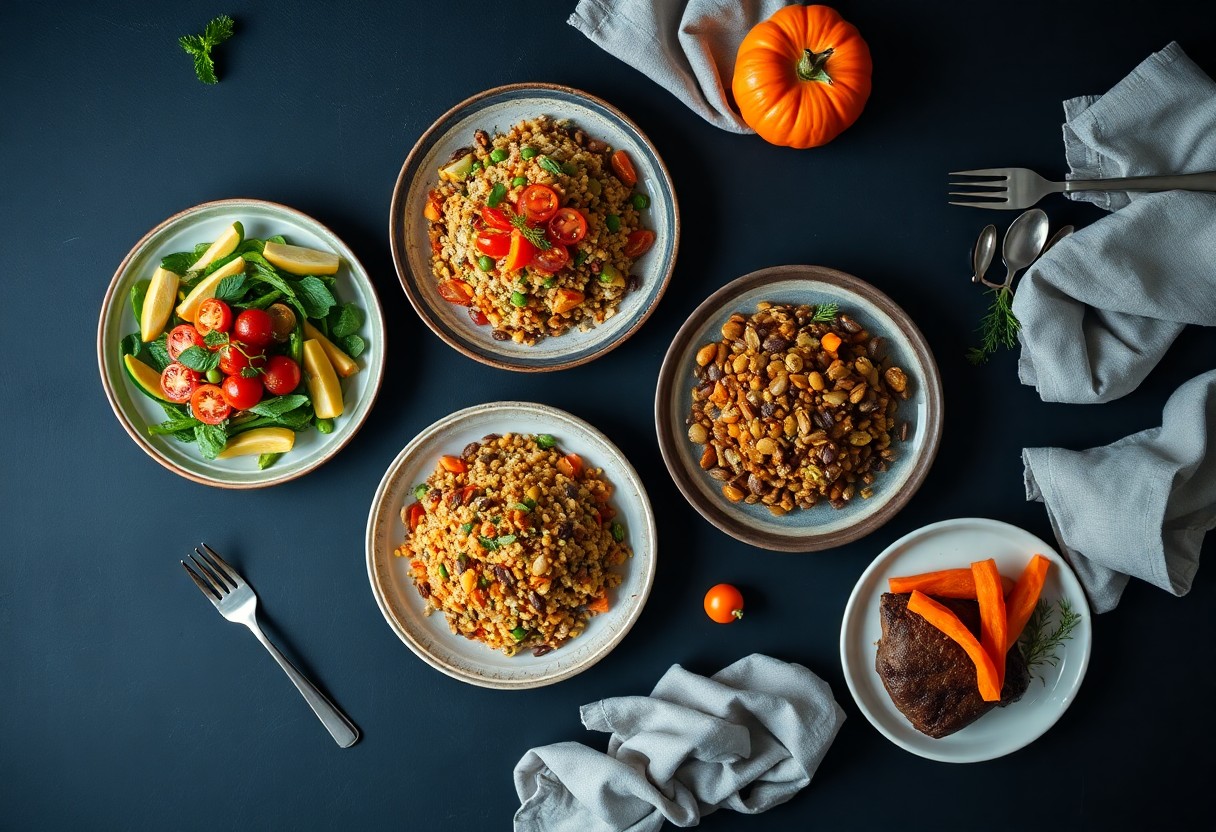
When planning meals, balance your plate by aiming for roughly 50% vegetables/fruit, 25% lean protein and 25% whole grains to meet fiber and protein needs; a typical protein serving is 3-4 oz cooked and a cooked grain portion is ½-1 cup. Use seasonal swaps to boost micronutrients-summer tomatoes for lycopene, winter citrus for vitamin C, and leafy greens for folate and vitamin K-so your weekly rotation covers more vitamins and minerals.
Balancing Freshness and Flavor
You can amplify freshness with simple ratios and techniques: make dressings at a 3:1 oil-to-acid ratio, finish vegetables with 1-2 teaspoons flavored salt, and use 1 tablespoon olive oil to tame bitterness in greens. For texture and depth, marinate delicate fish 15-30 minutes with citrus and herbs, or roast vegetables at 400°F for 25-35 minutes to concentrate natural sugars while keeping structure.
Seasonal Superfoods
You should spotlight seasonal superfoods-spring asparagus for folate, summer tomatoes for lycopene, fall butternut squash and sweet potatoes for beta‑carotene (vitamin A), and winter citrus with about 60-90 mg vitamin C per medium orange-rotating them weekly to broaden nutrient intake and flavor variety.
To get the most from these foods, steam leafy greens 3-5 minutes rather than boiling to retain vitamin C, and roast carrots or squash at 375°F for 20-30 minutes to increase beta‑carotene bioavailability. Pair iron-rich plant foods with vitamin C-add orange segments to spinach or tomatoes to lentils-to boost non-heme iron absorption, and use berries within 3-4 days refrigerated to preserve antioxidant levels.
To wrap up
Hence you can make simple seasonal recipes the backbone of your cooking, mastering swaps and techniques that keep meals vibrant, affordable, and nutritious; with a few go-to methods you’ll confidently feed yourself and others year-round.
Summing up
So you can rely on seasonal, fresh recipes to simplify your cooking year-round: by choosing peak produce, balancing flavors, and applying basic techniques you’ll create vibrant, economical meals. Use your pantry smartly, plan a flexible weekly menu, and try simple preserving methods to keep variety through winter so you confidently feed yourself and others.

Leave a Reply