
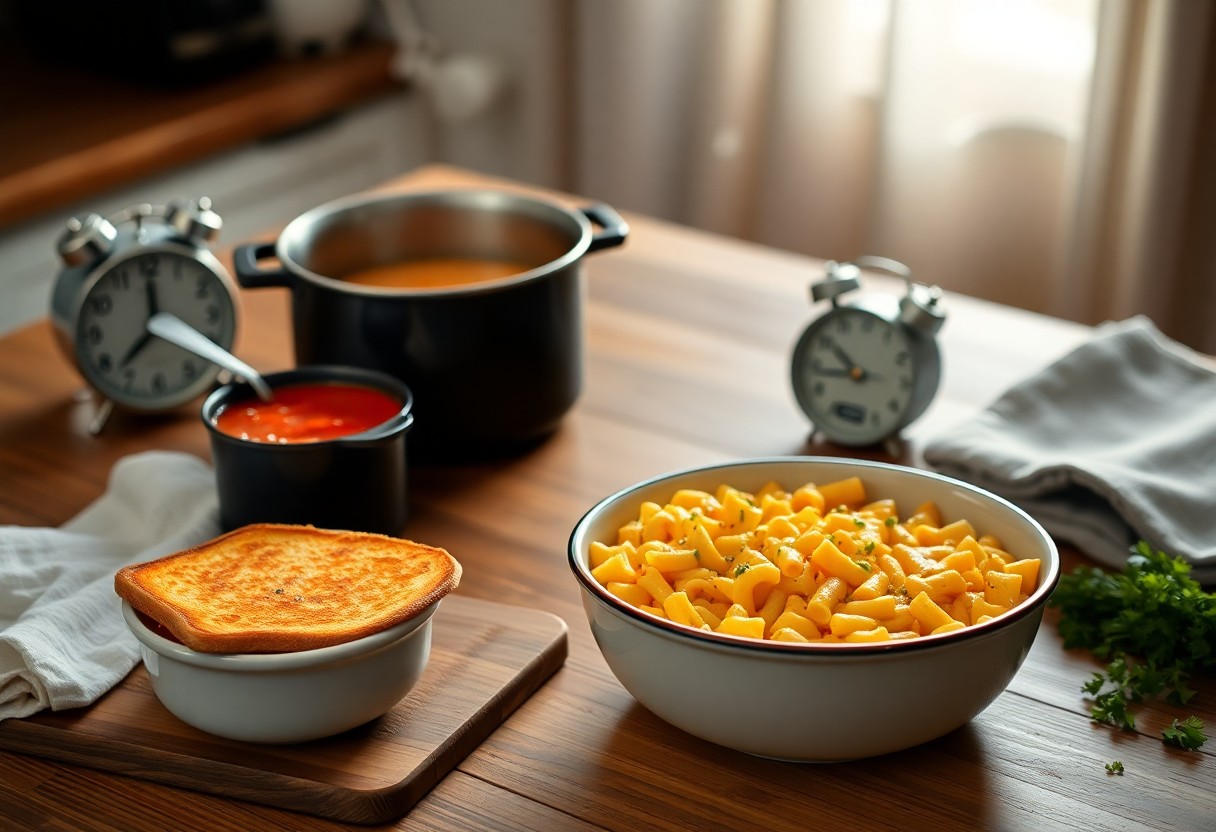
Many weeknights leave you pressed for time, but you can still enjoy hearty homemade comfort meals in minutes by using simple techniques, pantry staples, and efficient prep; with clear steps and smart shortcuts you’ll master fast recipes that warm your table without sacrificing flavor or quality.
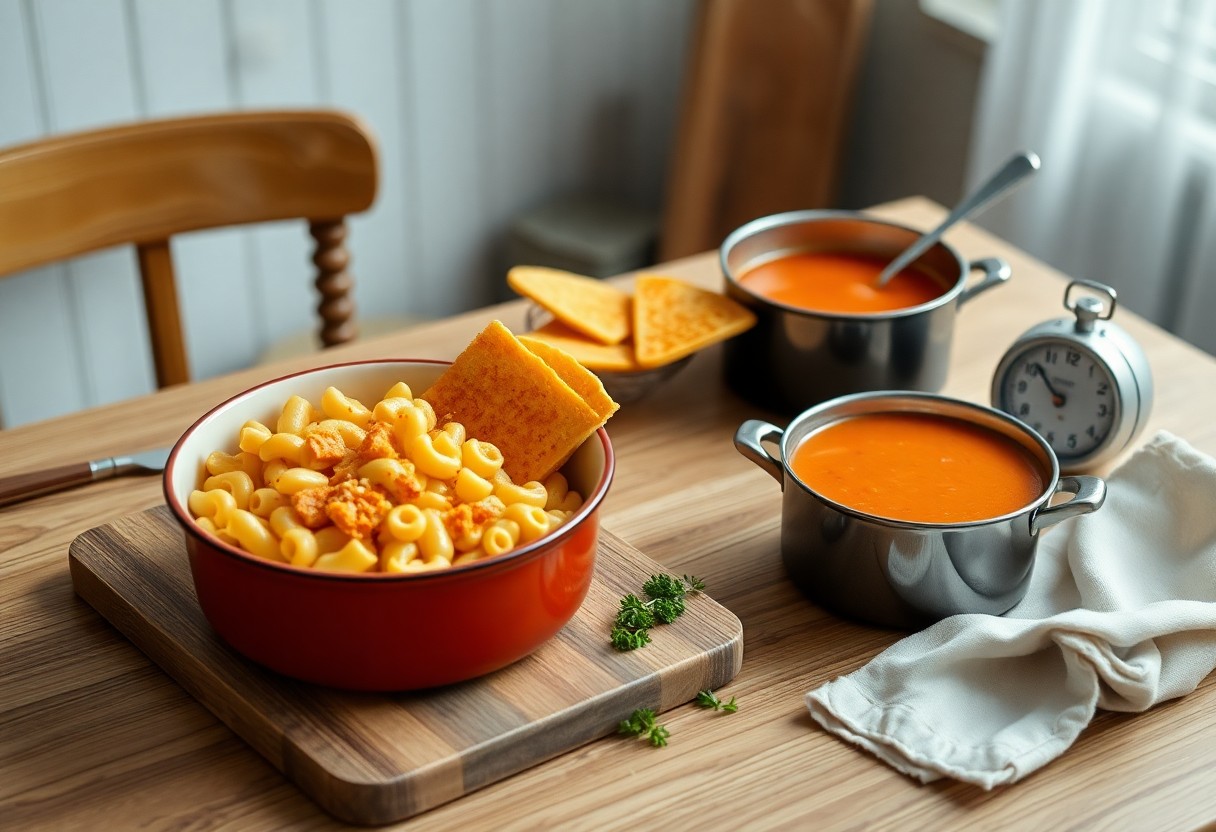
Key Takeaways:
- One-pot, sheet-pan, and 20-minute sauce methods deliver classic comfort flavors with minimal hands-on time.
- Pantry staples, rotisserie or pre-cooked proteins, and frozen vegetables make rich, homey meals easy and fast.
- Batch-cook bases (grains, sauces) and portion leftovers for quick reheats; adjust seasonings and toppings to suit cravings.
The Essence of Comfort Meals
Definition and Importance
Defined as simple, hearty dishes that soothe and satisfy, comfort meals often take 10-30 minutes and use 3-6 pantry staples like broth, butter, pasta, or rice. You turn to them when time is tight but hunger is real; they provide calories, warmth, and predictability. Studies link familiar foods to reduced stress and improved mood, and in practical terms you can convert leftovers into a nourishing bowl in three steps: heat, season, combine.
Nostalgic Flavors
You’ll notice nostalgic flavors-roasted garlic, browned butter, slow-simmered tomatoes-tie meals to specific moments: a grandmother’s chicken soup, a 20-minute mac and cheese, or a childhood apple pie. Familiar spice blends and textures recreate comfort with as few as 3 ingredients and sensory cues like warmth and aroma, which rapidly engage memory and emotion to make a simple bowl feel like home.
To amplify nostalgia quickly, you can lean on three techniques: brown butter for nutty depth, deglaze with 1/4 cup stock or wine, and finish with acid like lemon or vinegar. You can replicate slow-cooked notes in about 15 minutes by reducing stock and adding a teaspoon of umami-rich soy or miso; small touches-crisped breadcrumbs, a pat of butter, or a sprinkle of powdered garlic-often trigger recognition more than complex methods.
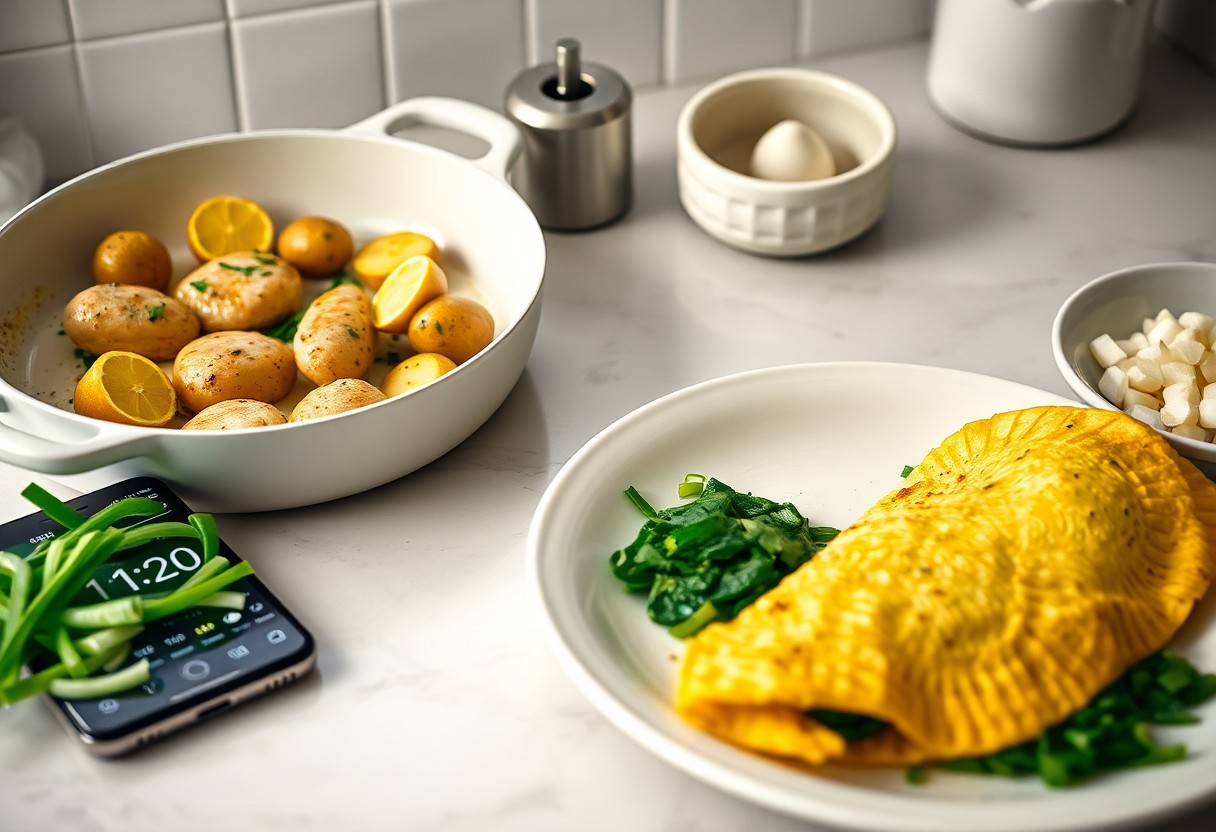
Quick and Easy Ingredients
Start by building a short list of high-impact items you rely on: 3-4 canned beans, a 28-oz can crushed tomatoes, 1 lb pasta, 2 cups long-grain rice, a quart of low-sodium stock, olive oil and a small spice rack (salt, pepper, smoked paprika, cumin). With those on hand you can turn out soups, one-pot pastas, grain bowls and quick stews in 15-30 minutes.
Pantry Staples
Stock specific quantities so you can grab and go: two 15-oz cans each of chickpeas and black beans, one 28-oz can tomatoes, one pound pasta, three cups of rice, and bouillon cubes or a liter of stock. Also keep 3 go-to spices and a jar of olives or capers for instant flavor; these items typically last 6-12 months, cutting waste and last-minute grocery runs.
Fresh Produce
Prioritize quick-cook veggies: a bag of baby spinach, 2 bell peppers, 2 zucchini, a pint of cherry tomatoes, plus a head of garlic and a yellow onion. Spinach wilts in 3-5 days while peppers last 1-2 weeks, so use tender greens first and roast sturdier vegetables later to stretch freshness across the week.
When you buy in bulk, prep pays off: chop and refrigerate 3-4 days’ worth of vegetables or blanch and freeze portions (zucchini, broccoli) to keep up to 8 months. If you roast 1 lb mixed vegetables at 425°F for 20-25 minutes you create flexible components for bowls, pastas, or sandwiches. Small habits-washing greens immediately and storing herbs upright in a jar-extend usability and shave 10-15 minutes off weekday cooking.
Time-Saving Cooking Techniques
You can shave hours off weekly cooking by using strategies like mise en place, batch-cooking staples, and multitasking appliances; for example, a pressure cooker turns a 3-hour braise into a 25-40 minute meal, while sheet-pan dinners deliver protein and veg in 20-30 minutes. Prioritize 30-minute recipes, double recipes to freeze, and set timers so you’re not babysitting food-small system changes often free up 3-5 hours per week.
One-Pot Meals
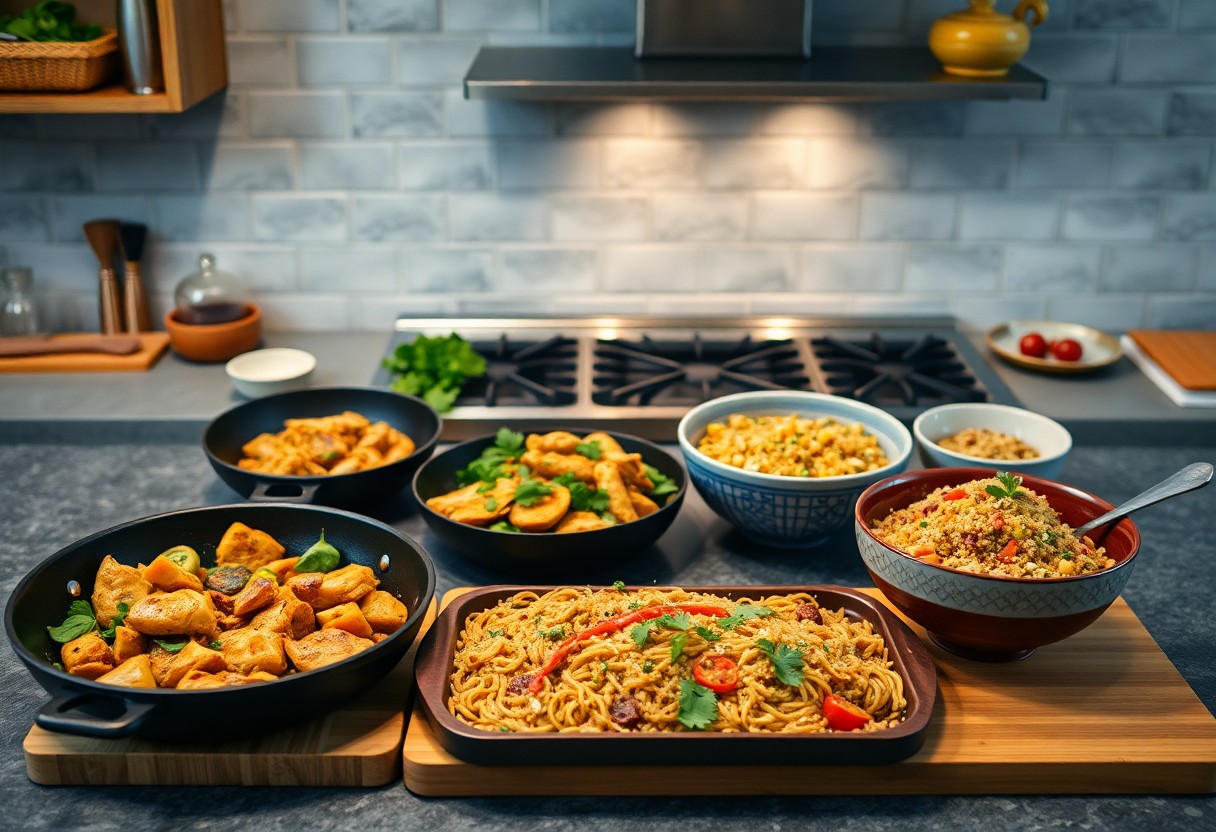
You’ll find one-pot meals streamline both prep and cleanup: one-pot pasta cooks in 10-15 minutes with sauce and pasta together, a Dutch oven chili simmers in 45 minutes for hearty leftovers, and a skillet stir-fry finishes in 8-12 minutes. Use layered ingredients-tougher vegetables first, quick-cook greens last-and choose sturdy cookware like enameled cast iron to retain heat and flavor while minimizing dishes.
Meal Prepping Tips
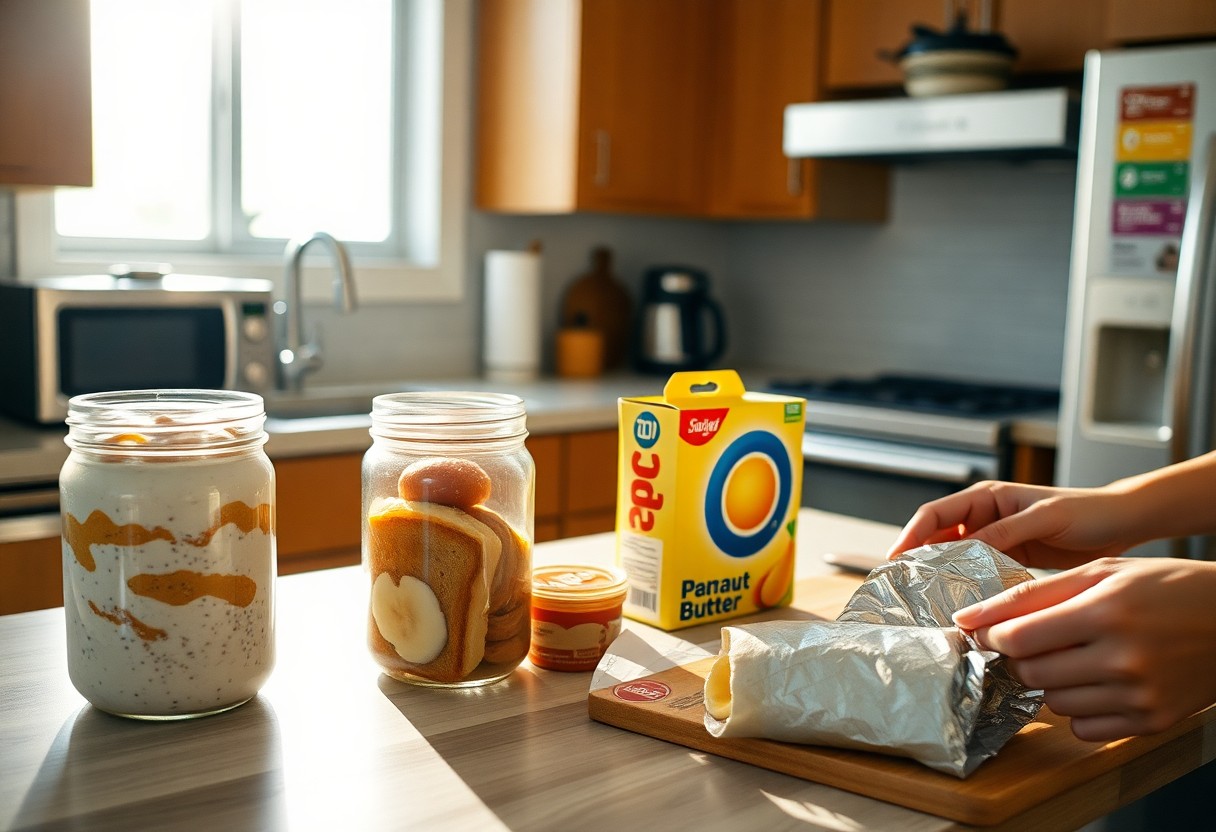
You should batch-cook grains (cook 3-4 cups dry rice or quinoa to cover 4-6 meals), roast a sheet pan of mixed vegetables at 425°F for 25-30 minutes for 3-4 days of sides, and portion proteins into 4-6 oz servings before freezing. Label containers with dates, use airtight glass containers, and marinate proteins up to 24 hours to save time on busy nights.
- Cook 3 cups dry quinoa or rice to yield 8-10 cups cooked and portion into 4-6 meals.
- Roast mixed vegetables on a sheet pan at 425°F for 25-30 minutes to serve 3-4 days.
- Portion proteins into 4-6 oz servings and freeze in single-meal bags for easy reheating.
- Recognizing your busiest weekday evenings and prepping those specific meals cuts dinner stress significantly.
You can make prepping more efficient by using clear, stackable glass containers and a simple labeling system (meal name + date). Vacuum sealing or freezing soups in 2-cup portions extends shelf life to about 8-12 weeks, while reheating at 350°F for 10-15 minutes restores texture better than microwaving. For example, spending 60 minutes on Sunday to prep five lunches typically saves you roughly 20-25 minutes per weekday.
- Use BPA-free glass containers for microwave and oven reheat safety.
- Freeze soups and stews in 2-cup portions for 8-12 weeks of convenient meals.
- Keep a running shopping list of staple quantities to avoid midweek store runs.
- Recognizing seasonal sales and bulk discounts lets you plan lower-cost prep sessions.
Cozy Meal Ideas Ready in Minutes
When you need warmth fast, 10-20 minute comfort plates shine: 15-minute creamy tomato pasta with canned tomatoes and mascarpone, 10-minute shakshuka using four eggs and a jarred sauce, and 12-minute stir-fried rice with day-old rice, two eggs, and frozen peas. Use rotisserie chicken for quick soups, and canned beans to make hearty bowls in under 15 minutes.
Classic Favorites
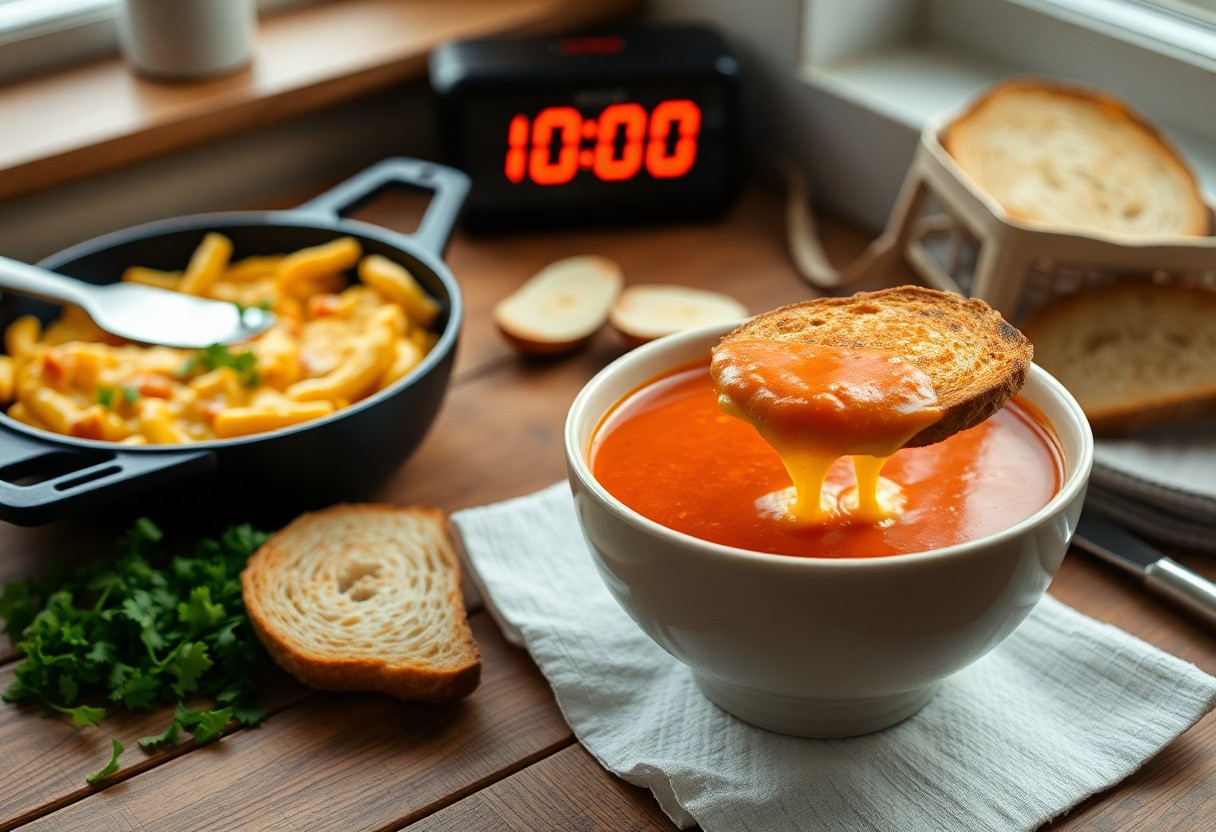
You can rely on tried-and-true dishes: a 7-minute grilled cheese paired with 10-minute tomato soup, 15-minute spaghetti aglio e olio using 200 g spaghetti and 3 cloves garlic, and a 5-minute herb omelet with two eggs. These single-pan, minimal-ingredient recipes deliver comforting flavors and cost less than $5 per serving when you use pantry staples.
Creative Twists
Swap basics for bold flavors: kimchi grilled cheese with 1/4 cup chopped kimchi, pesto-stirred gnocchi in 8 minutes, and miso-butter ramen ready in 12 minutes using instant noodles, 1 tsp miso, and spinach. You’ll experiment with textures and six-ingredient combos that turn ordinary staples into restaurant-style comfort in minutes.
Start by toasting 1 tsp spices for 30 seconds to release oils, then deglaze with 1 tbsp vinegar or lemon to lift flavors. Try swapping bacon for smoked paprika or adding 2 tbsp yogurt to a sauce for creaminess; quick-pickled onions take 10 minutes and add brightness. If you batch-cook a grain like quinoa for the week, you can assemble nightly twist bowls in under 7 minutes.
Healthier Comfort Meal Options
Swap heavy recipes for smarter builds that keep the flavor you crave: try grain bowls with 2/3 cup cooked farro, 3 oz grilled chicken, and 1 cup roasted vegetables for a 500-600 kcal dinner rich in fiber and 25-30 g protein. You can also turn classics into lighter versions by halving refined carbs, bulking with legumes, and using herbs and acid (lemon, vinegar) to amplify taste without added fat.
Nutritional Substitutes
Replace white rice with 1/2 cup quinoa (4 g fiber, 4 g protein) or swap 1 cup mashed potato (~35 g carbs) for 1 cup cauliflower mash (~5 g carbs) to cut carbs dramatically. Use 6 oz nonfat Greek yogurt (≈15 g protein) instead of sour cream, trade ground beef for 90/10 turkey or lentils to shave saturated fat, and choose olive oil (1 tbsp) over butter to add heart-healthy monounsaturated fats.
Balancing Indulgence and Health
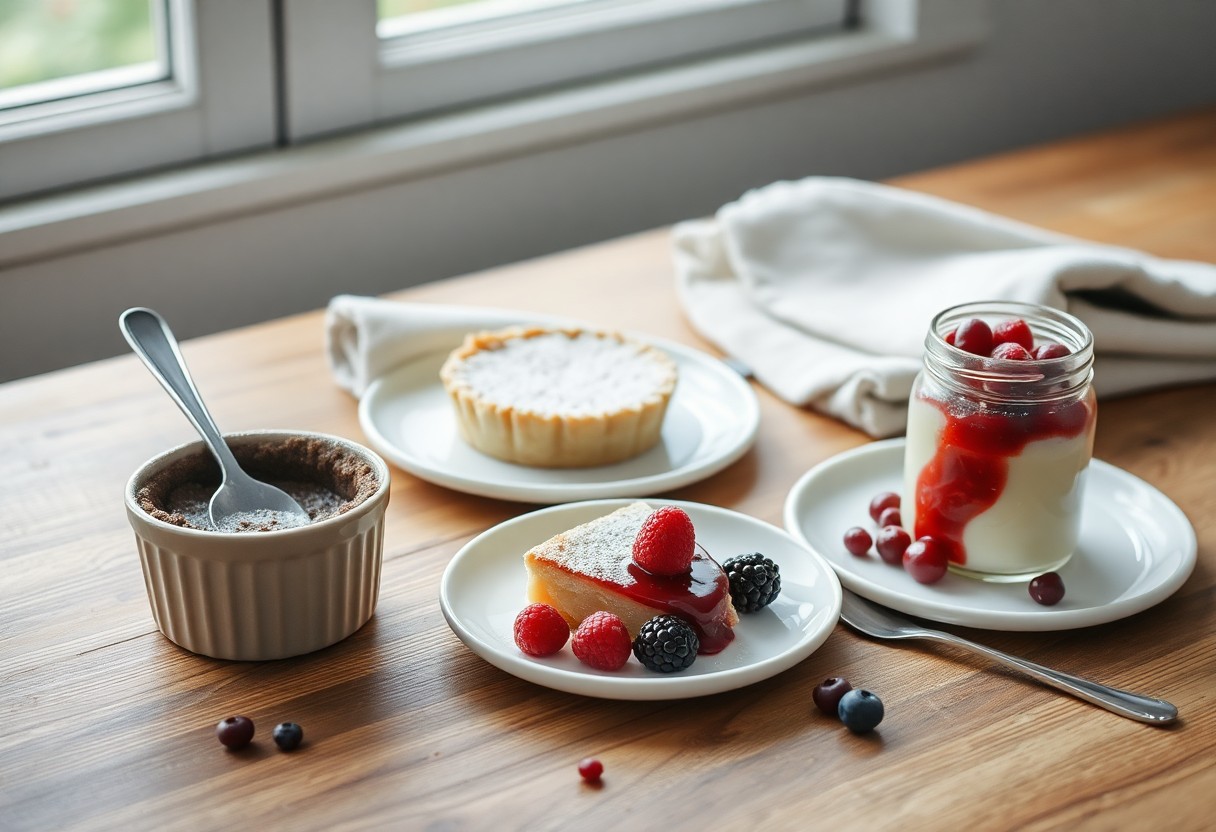
Keep indulgent meals intentional by limiting them to 1-2 times weekly and structuring plates so half is vegetables, a quarter is lean protein (20-30 g), and a quarter is whole grains or starchy veg. You’ll reduce overall calories while preserving satisfaction, and simple swaps-sauces on the side, smaller plates, or sharing a dessert-help you enjoy favorites without derailing progress.
Prioritize satiety by adding 8-12 g fiber and 20-30 g protein to each meal: for example, mix 1/2 cup canned beans (≈7-8 g fiber) into pasta dishes and top with 3 oz grilled salmon. Also batch-prep portion-controlled servings, freeze individual portions, and measure dressings (2 tbsp) to avoid hidden calories while still indulging in the flavors you love.
Conclusion
Conclusively, you can transform simple pantry staples into nourishing, cozy homemade comfort meals ready in minutes; with basic techniques and intentional flavor-building, you will consistently serve satisfying dishes that fit busy schedules and budget constraints, and your cooking confidence will grow as you adapt recipes to your tastes while keeping mealtime warm, convenient, and wholesome.

Leave a Reply