

Just a few simple swaps in your cooking can turn ordinary dinners into satisfying, nutrient-rich meals that appeal to every family member; you’ll get practical recipes, kid-approved flavor tips, and time-saving strategies to streamline meal planning. This guide equips you to balance taste, texture, and nutrition so your family embraces plant-based dishes without fuss or compromise.

Key Takeaways:
- Focus on familiar flavors, simple spices, and playful presentations to win over picky eaters.
- Balance plates with protein-rich ingredients (beans, lentils, tofu), whole grains, and colorful vegetables for family nutrition.
- Choose easy, flexible recipes that allow make-ahead, one-pot, or swap-in ingredient options to save time and satisfy varied tastes.
Nutritional Benefits of a Vegetarian Diet
You’ll get more fiber, antioxidants, and plant-based protein by leaning on legumes, whole grains, nuts, and vegetables; for example, 1 cup cooked lentils has ~18 g protein, 1 cup chickpeas ~15 g, and 1 cup cooked quinoa ~8 g. Fortified plant milks often supply ~300 mg calcium per cup, and simple swaps-adding a citrus fruit to a lentil salad-boost non-heme iron absorption. Including flax or walnuts provides plant omega‑3s (about 2 g ALA per tablespoon flaxseed, ~2.5 g per ounce walnuts).
Essential Nutrients for Families
You should plan for protein, iron, vitamin B12, calcium, vitamin D, omega‑3s, zinc, and iodine. Use beans, tofu, and dairy or fortified milks for protein and calcium; include fortified cereals or a B12 supplement (2.4 µg/day for adults) if you avoid animal products; add citrus or bell peppers with iron-rich foods to enhance absorption; and include ground flaxseed, walnuts, iodized salt or seaweed in small amounts to cover omega‑3s and iodine.
Health Benefits for Children and Adults
You may see lower saturated fat intake, higher fiber (aiming for 25-35 g/day), and improved lipid profiles when family meals focus on plants; population studies link vegetarian patterns to lower BMI and reduced risk of type 2 diabetes and heart disease. Including whole foods rather than processed meat substitutes gives children and adults steady energy and better blood sugar control through meals built around beans, whole grains, vegetables, and healthy fats.
For children specifically, a varied vegetarian pattern supports normal growth when you prioritize protein-rich snacks (hummus, Greek yogurt, nut butters) and fortified foods; practical examples include lentil tacos, tofu scrambles, and fortified cereal with soy milk. Adults benefit from easier weight management and improved gut health from higher fiber, so plan balanced plates with 3-4 servings of legumes/soy per day, plentiful vegetables, and a reliable B12 source to maintain long-term health.
Breakfast Ideas for the Whole Family
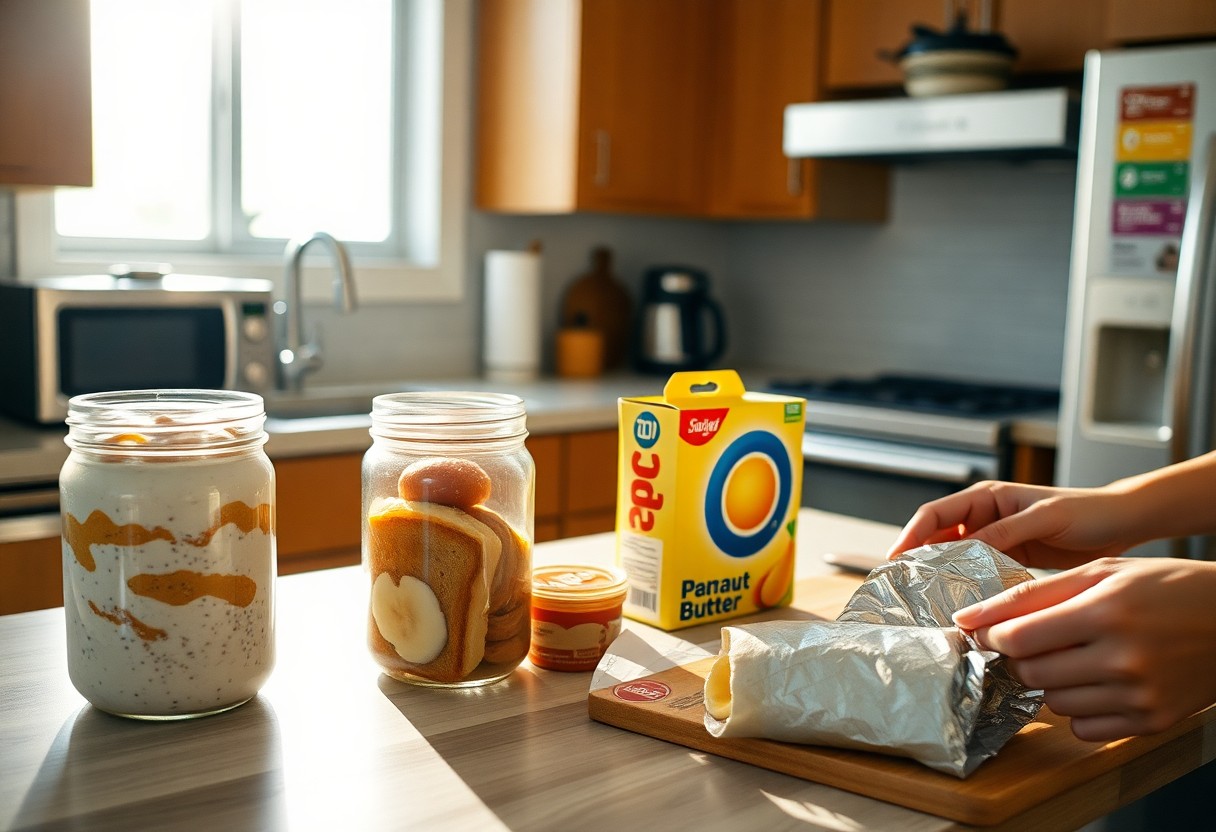
You can set up a rotation of quick, balanced breakfasts-overnight oats (½ cup oats, ¾ cup milk, 1 tbsp chia to serve two), whole-grain waffles topped with ½ cup berries, or breakfast burritos with ½ cup black beans and scrambled eggs-to keep mornings smooth. Aim for 12-20 g protein per meal by adding Greek yogurt, nut butter, or two eggs, and use colorful fruits and veggies to boost fiber, vitamins, and appeal for picky eaters.
Wholesome Smoothie Bowls
Blend 1 frozen banana, 1 cup spinach, ½ cup frozen berries, ½ cup Greek yogurt and 1 tbsp chia for a bowl that serves two and delivers about 12-15 g protein and 8+ g fiber. Top with 2 tbsp granola, sliced kiwi, and 1 tbsp almond butter for texture and healthy fats. Let kids choose toppings-sliced fruit, seeds, or a sprinkle of cocoa nibs-to make breakfast interactive and visually appealing.
Savory Veggie Omelets
Use two large eggs (≈12 g protein) or a chickpea-flour batter (½ cup chickpea flour ≈10 g protein) as a base, then fold in ½ cup diced bell pepper, ¼ cup mushrooms, and a cup of spinach for vitamins and color. Add 2 tbsp shredded cheese or crumbled feta for calcium, season with smoked paprika and fresh herbs, and serve with whole-grain toast to round out the meal.
To streamline mornings, sauté veggies 3-4 minutes over medium heat, pour in beaten eggs and cook 2-3 minutes until set, folding gently; for tofu or chickpea versions cook 4-5 minutes until edges brown. Batch-make egg muffins by filling a greased muffin tin and baking at 350°F (175°C) for 18-20 minutes-each yields roughly 6-8 g protein. Freeze extras in single portions and reheat 45-60 seconds. Try fillings like roasted sweet potato, black beans, or pesto, and let your kids pick fillings so portions (half to one omelet per child ages 2-10) match appetites.
Lunch Recipes to Satisfy
For midday meals, prioritize quick builds that hit protein, fiber, and flavor: aim for 15-25 g protein per plate by pairing legumes, dairy or tofu with whole grains and veg. You can toss together a 20-minute salad, batch-cook grains for the week, or assemble 10-minute wraps for school lunches. Families often prefer options you can customize-provide 3-4 toppings (nuts, seeds, pickles, sauces) so picky eaters choose what they like while still getting balanced nutrition.
Creative Sandwiches and Wraps
You can reinvent sandwiches with protein-packed fillings like mashed chickpeas (1 cup cooked ≈15 g protein) or smashed edamame, plus crunchy slaw and tangy yogurt sauce. Try whole-grain wraps with grilled halloumi, roasted red pepper, and pesto for 10-15 minute assembly, or kid-friendly PB&J upgrades using banana and rolled oats. Offer 2-3 spread choices and 2-3 fillings so each family member builds a sandwich they’ll eat without waste.
Flavorful Grain Bowls
You can start bowls with cooked quinoa (1 cup cooked ≈8 g protein) or brown rice (≈5 g per cup), then layer roasted vegetables, a protein-black beans (½ cup ≈7-8 g protein) or tempeh-and a bright dressing. Aim for a 1:1:1 ratio by volume-one part grain, one part veg, one part protein-to keep bites balanced; dress lightly to preserve texture. You’ll find bowls rehearse well and serve 3-4 days from the fridge if stored separately.
You might build a Mexican-style bowl: 1 cup cooked quinoa, ½ cup black beans, ½ cup roasted corn, ¼ avocado, salsa, and lime; it supplies roughly 15-20 g protein per serving. Cook grains in 15 minutes, roast veggies in 20, and assemble in 5; or batch 3 cups quinoa (about 4 servings) on Sunday for five-minute weeknight bowls. Store components separately up to 3-4 days and add a crunchy topping-pumpkin seeds or crisp radish-to keep kids engaged.
Dinner Delights for Everyone
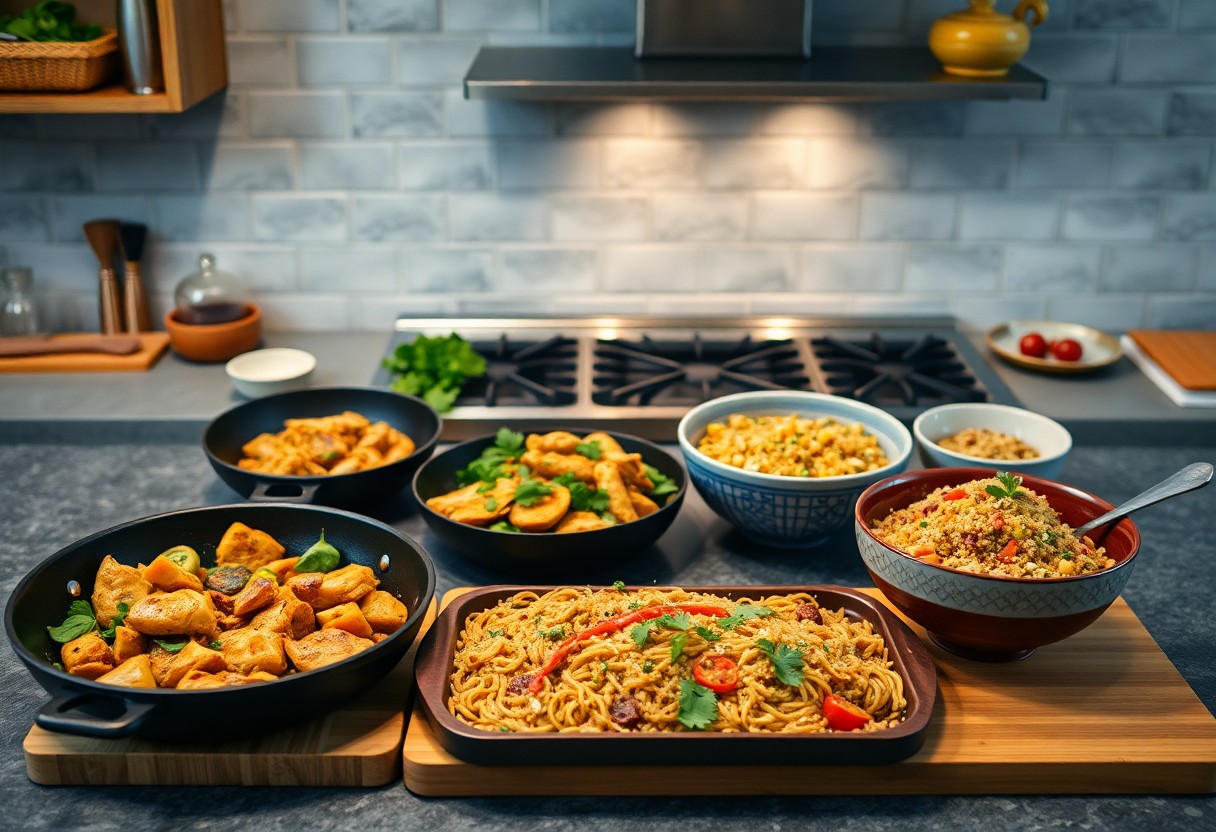
Keep weeknight dinners simple and nutrient-dense by aiming for 20-30 g protein per plate: pair 1 cup cooked lentils (≈18 g) or 200 g firm tofu (≈24 g) with whole grains and vegetables, batch-cook sauces for 3-4 meals, and use sheet-pan roasts at 425°F for 20-30 minutes to add caramelized flavor kids will eat.
Hearty Vegetable Stews
Simmer lentil-and-white-bean stews with carrots, potatoes, and a tablespoon of tomato paste to deepen flavor; 1 cup cooked lentils provides about 18 g protein and 1 cup cannellini beans roughly 17 g. Sauté aromatics, then simmer 30-40 minutes and freeze portions in 2-cup containers for quick, family-friendly reheats.
Delicious Pasta Dishes
Turn pasta night into a balanced meal by combining 2 oz (56 g) whole-wheat pasta (≈8 g protein) with 1 cup chickpeas (≈15 g) or 150 g pan-seared tofu (≈18 g) to reach 25-30 g per serving; try baked ziti with spinach or a cashew-vegetable sauce to sneak in 1-2 cups of pureed veggies. Cook pasta al dente in 8-10 minutes to retain texture kids prefer.
Optimize portions and add-ins: serve 2-3 oz dry pasta for adults and 1-1.5 oz for children, boost protein with 1 cup cooked peas (≈9 g) or ½-1 cup shelled edamame (≈8-16 g), and replace cream with blended silken tofu or ½ cup soaked cashews for a creamy base. Store leftovers in 1-2 serving containers and refresh with a splash of sauce when reheating to maintain texture.
Healthy Snacks for All Ages
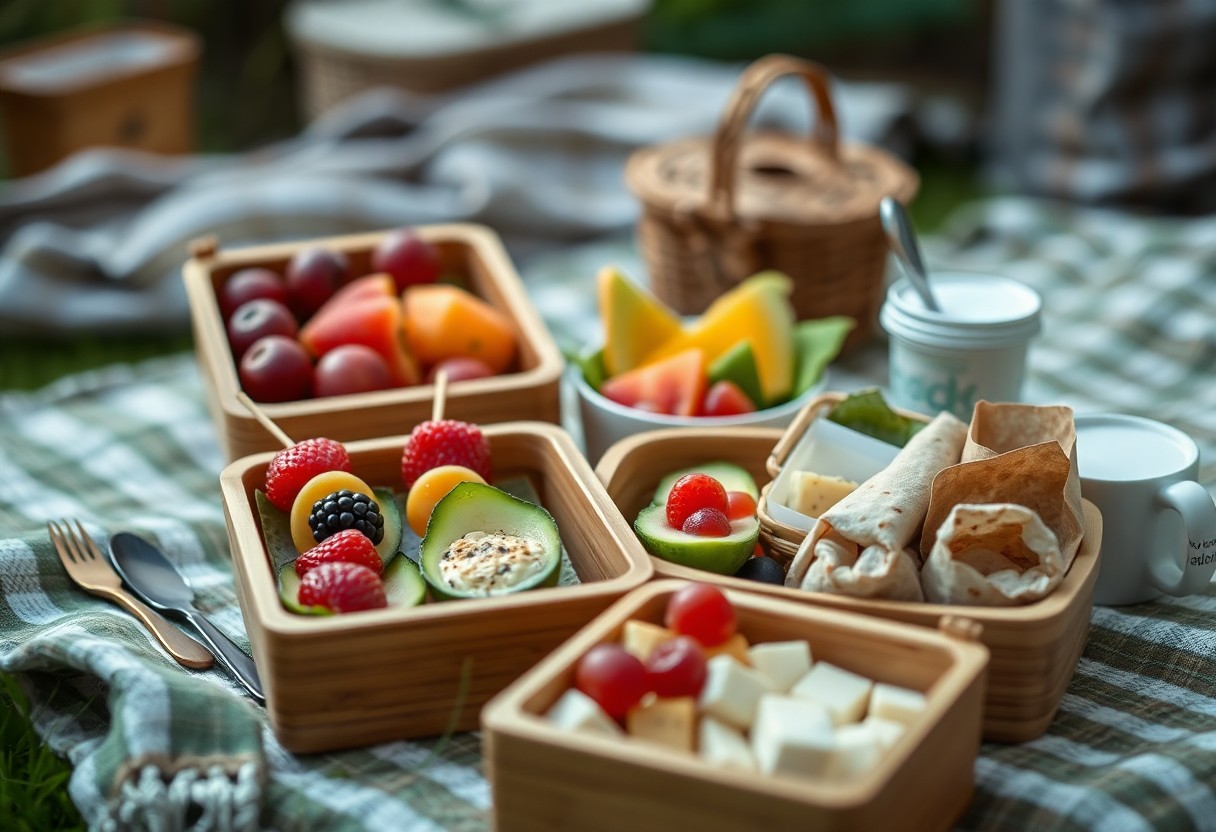
Snack time becomes a chance to top up nutrients and curb hunger between meals; you should target 150-250 kcal with 5-8 g protein for school-age kids and slightly more for teens. Try Greek yogurt parfaits, apple slices with almond butter, roasted chickpeas, or whole-grain crackers with cheese-these combine fiber, healthy fats, and plant or dairy protein to keep energy steady.
Nutritious Energy Bites
Stir 1 cup rolled oats, 1/2 cup nut or seed butter, 1/3 cup honey or maple syrup, and 1/4 cup chia or ground flax; fold in 1/3 cup mix-ins like dark chocolate, dried fruit, or chopped nuts. Press and roll into 12-16 bites-each is roughly 90-120 kcal and delivers 3-5 g protein. Swap sunflower seed butter to make them nut-free.
Fun and Tasty Veggie Dips
Whip up hummus (1 cup cooked chickpeas, 2 tbsp tahini, 1 tbsp lemon, 1 clove garlic) or a yogurt-herb dip (1 cup Greek yogurt, 2 tbsp chopped herbs) for versatile dippers. A 1/4-cup serving of hummus provides about 4-5 g protein and 3-4 g fiber, while Greek-yogurt dips boost calcium and add 10-12 g protein per cup-pair with colorful veggies to up vitamin intake.
Make dips ahead-hummus and yogurt dips keep 3-4 days refrigerated in airtight containers-so you can portion snacks into 1-2 tbsp servings for toddlers and 1/4-1/2 cup for school-age kids. Roast carrots or beets to bring sweetness, thin dips with water or milk for younger mouths, and add mild spices like smoked paprika or cumin to expand tastes without overwhelming sensitive palates.

Desserts That Deliver
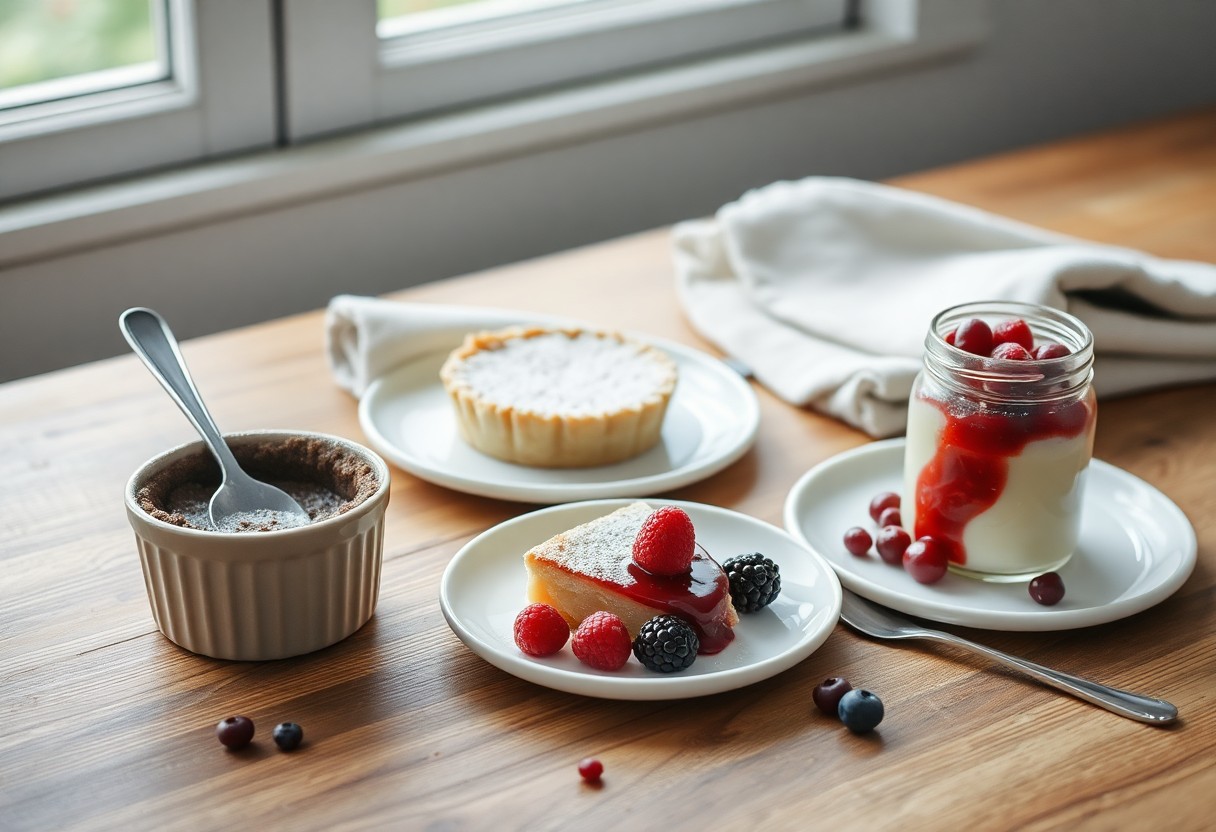
You can satisfy sweet cravings while keeping treats approachable: 2-ingredient banana “nice” cream (2 frozen bananas, 3 minutes in a food processor), a quick avocado chocolate mousse (1 avocado, 2 tbsp cocoa, 2 tbsp maple syrup), or a layered Greek yogurt parfait (1 cup Greek yogurt provides ~17 g protein) with granola and berries. These options take 5-15 minutes and let you control sugar and portion size so desserts complement your meals instead of overwhelming them.
Guilt-Free Sweet Treats
Swap heavy cream and added sugar for Greek yogurt or applesauce-use applesauce as a 1:1 oil substitute in many muffins-and serve small portions of 70% dark chocolate (10-20 g) for intensity. Try chia pudding (2 tbsp chia + ½ cup milk, refrigerate 4+ hours) topped with ½ cup berries for a roughly 1-serving snack that delivers fiber, healthy fats, and under 200 kcal in many versions.
Fruit-Based Delicacies
Lean on seasonal fruit to add natural sweetness and color: bake apples stuffed with 1 tbsp oats and 1 tsp cinnamon at 350°F for 25 minutes, simmer a berry compote (2 cups mixed berries, 1 tbsp lemon, 1 tbsp maple syrup) for 5 minutes, or skewer grilled pineapple and peaches for 3 minutes per side. You’ll boost fiber and vitamins while keeping preparation simple and family-friendly.
For a crowd-pleasing recipe, make a peach oat crisp: toss 4 sliced peaches with 1 tbsp maple syrup and 1 tsp lemon, mix topping from ¾ cup oats, ¼ cup chopped nuts, and 2 tbsp melted coconut oil, then bake 25-30 minutes at 375°F. Serve warm with ¼ cup Greek yogurt per person (~4-5 g protein) for balance; prep time is about 15 minutes, bake time 25-30 minutes, serves 4.
Summing up
So you can make family meals that satisfy varied tastes, balance nutrition, and simplify weeknight cooking by choosing versatile vegetarian recipes, planning swaps for picky eaters, and involving kids in preparation; with simple pantry staples, bold flavors, and textures that appeal to all ages, your menu will stay interesting, economical, and easy to scale for gatherings while helping you build lasting healthy eating habits at home.

Leave a Reply