
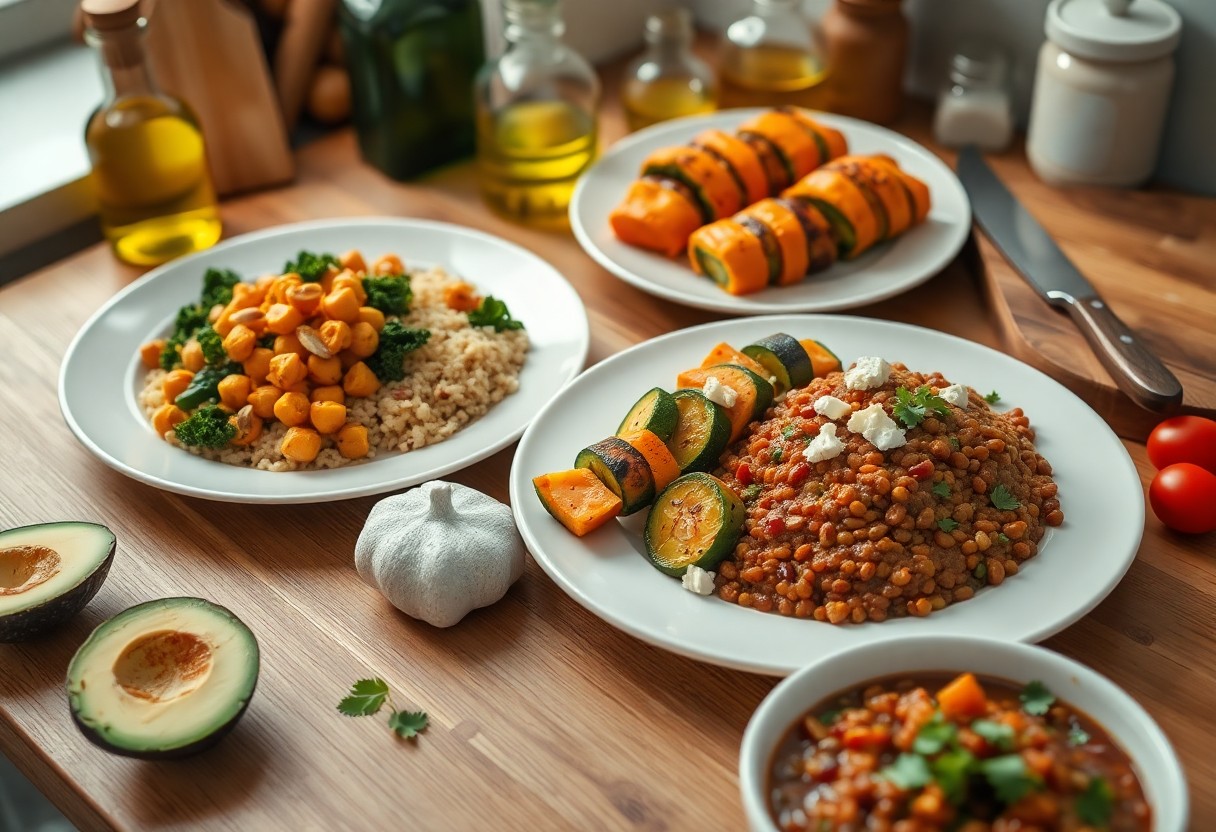
With a handful of pantry staples and seasonal produce, you can create satisfying vegetarian meals that deliver both bold flavor and balanced nutrition; this guide shows you practical recipes, smart protein swaps, and flavor-building techniques so you can cook confidently, save time, and nourish your body without sacrificing taste.
Just because you’re choosing plant-based doesn’t mean sacrificing taste or balance; you can create meals that deliver bold flavors and complete nutrition with minimal fuss. This post guides you through simple techniques, ingredient combinations, and smart swaps so your weekly menu stays vibrant, protein-rich, and satisfying. Use these practical tips to streamline cooking, boost variety, and nourish your body every day.
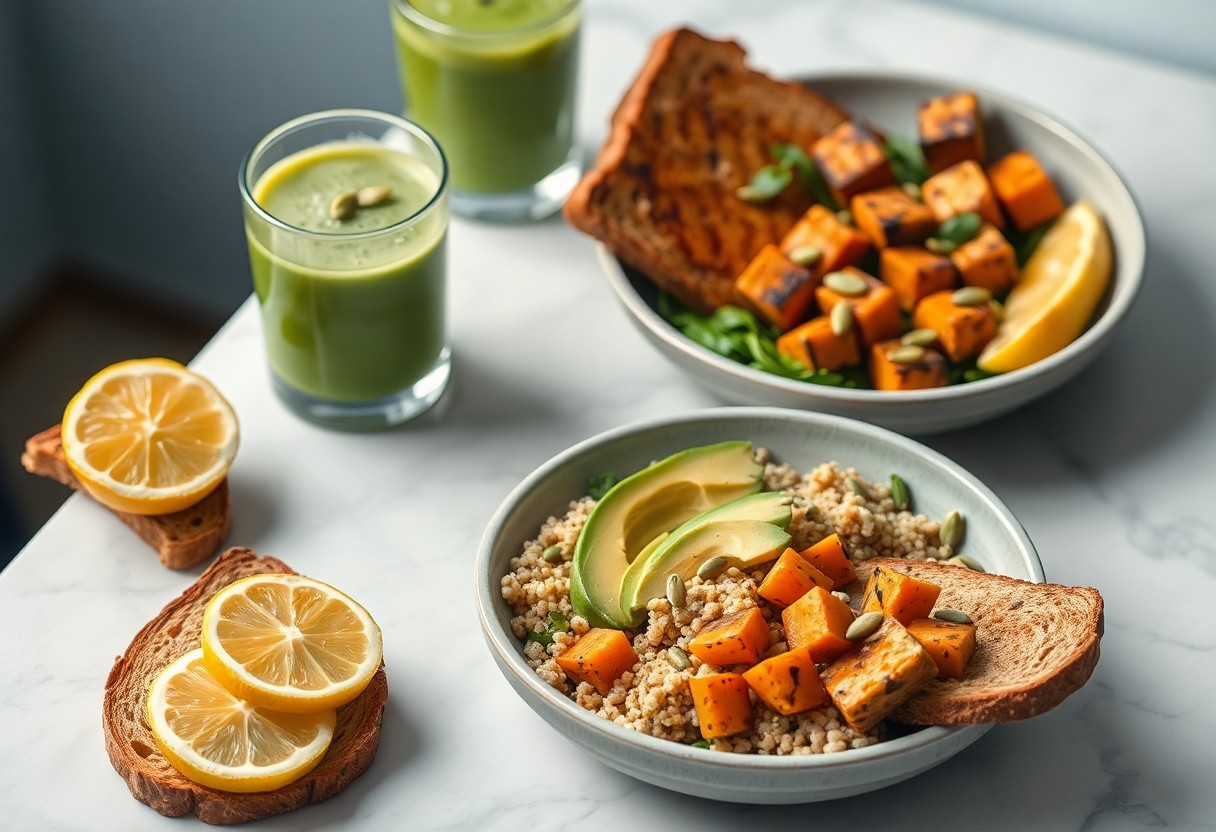
Key Takeaways:
- Build big flavor with roasted vegetables, fresh herbs, citrus, and umami boosters like miso, soy sauce, or nutritional yeast to make meatless dishes satisfying.
- Prioritize nutrition by combining legumes, whole grains, nuts or seeds, and a variety of colorful vegetables for protein, fiber, healthy fats, and micronutrients.
- Keep meals simple and fast with one-pan techniques, batch-cooked grains/beans, versatile sauces, and make-ahead components for easy weeknight cooking.
Key Takeaways:
- Build balanced plates by pairing legumes or tofu with whole grains, plenty of vegetables, and healthy fats to boost protein, fiber, and micronutrient intake.
- Layer flavor using herbs, spices, acid, and umami-rich ingredients (miso, soy, nutritional yeast, roasted veggies) plus simple techniques like roasting and caramelizing.
- Keep meals convenient and adaptable with batch cooking, versatile staples, and smart swaps; consider fortified foods or supplements for B12 and iron when necessary.
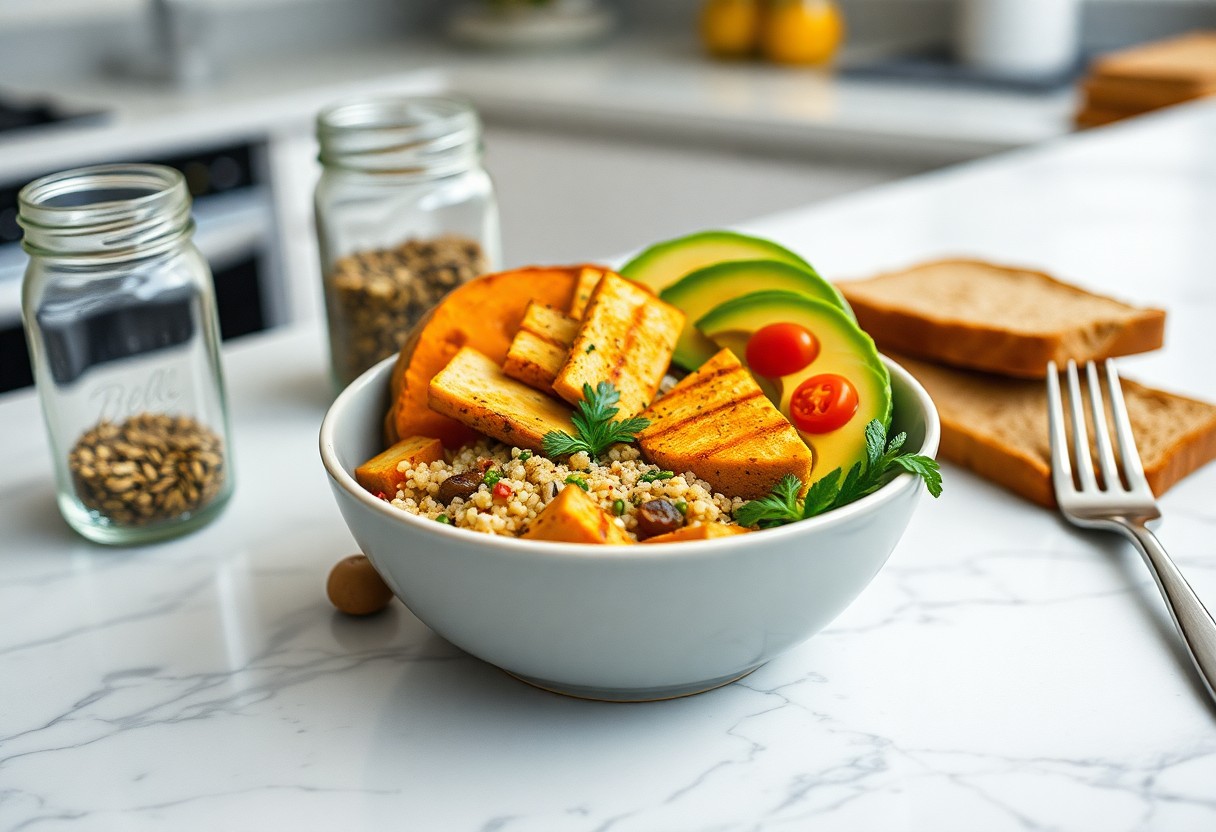
Benefits of a Vegetarian Diet
You gain measurable health and sustainability wins when you center meals on plants: meta-analyses show about a 25% lower risk of coronary heart disease among vegetarians, alongside lower LDL and blood pressure versus omnivores. You’ll naturally increase fiber, antioxidants, and phytonutrients while cutting saturated fat, and these dietary shifts often translate into better weight management and metabolic markers without sacrificing flavor or variety.
Nutritional Advantages
You can meet protein needs by combining legumes, whole grains, and soy-1 cup cooked lentils offers ~18 g protein, 1 cup quinoa ~8 g, and 100 g firm tofu ~10-12 g-and these also boost fiber to help reach the 25-35 g/day target. You should use B12-fortified foods or a supplement, and pair non-heme iron sources (spinach, lentils) with vitamin C (bell pepper, citrus) to improve absorption.
Environmental Impact
You’ll lower your diet’s environmental footprint: livestock accounts for about 14.5% of global greenhouse-gas emissions and uses roughly 75% of agricultural land while providing ~18% of calories. Beef and lamb produce far higher emissions per kilogram-often 10-50 times more than pulses-so swapping red meat for beans, lentils, or tofu significantly reduces your carbon, land, and water impacts.
Switching just a few meals amplifies those gains: replacing red meat with plant proteins for three dinners a week can cut your food-related greenhouse-gas emissions by roughly 10-30%, depending on baseline choices. You can further multiply benefits by choosing seasonal, minimally processed produce, reducing food waste, and prioritizing legumes and grains that require less irrigation and land per calorie than most animal products.
The Benefits of Vegetarian Eating
Beyond flavor and balance, increasing vegetarian meals delivers measurable health and environmental gains: you can boost fiber to 25-35 g/day, cut saturated fat, and up intake of vitamins and phytonutrients. Cohort studies link vegetarian patterns with roughly 20-25% lower ischemic heart disease risk and modestly lower BMI, outcomes you can achieve by swapping meat for beans, tofu, whole grains, and more vegetables on a regular basis.
Health Advantages
You improve cardiometabolic markers and gut health when you emphasize plants: a cup of cooked lentils or black beans provides 12-16 g of protein and 15-16 g of fiber, which helps regulate blood sugar and cholesterol. Trials and meta-analyses report about a 25% reduction in coronary heart disease for vegetarians; to maintain nutrient balance add fortified foods or a B12 supplement and vary iron-rich choices like spinach, legumes, and tempeh.
Environmental Impact
You reduce your food system footprint by favoring plant-based proteins: livestock generates roughly 14-18% of global greenhouse gases and occupies the majority of agricultural land, while producing 1 kg of beef can consume ~15,000 liters of water versus ~1,200 liters for pulses. Choosing beans, oats, seasonal vegetables, and minimizing animal products can lower your meal-level emissions and water use substantially-often by 30-50% depending on swaps.
Moreover, selecting lower-impact proteins and curbing waste amplifies benefits: legumes, tofu, and mushrooms typically emit 5-20× less greenhouse gas per gram of protein than ruminant meat, and lifecycle studies show plant-forward diets can cut dietary land use by as much as 60-70% in some regions. You can realize these gains with practical swaps-lentil Bolognese, chickpea curry, or grain bowls-without sacrificing flavor or nutrition.
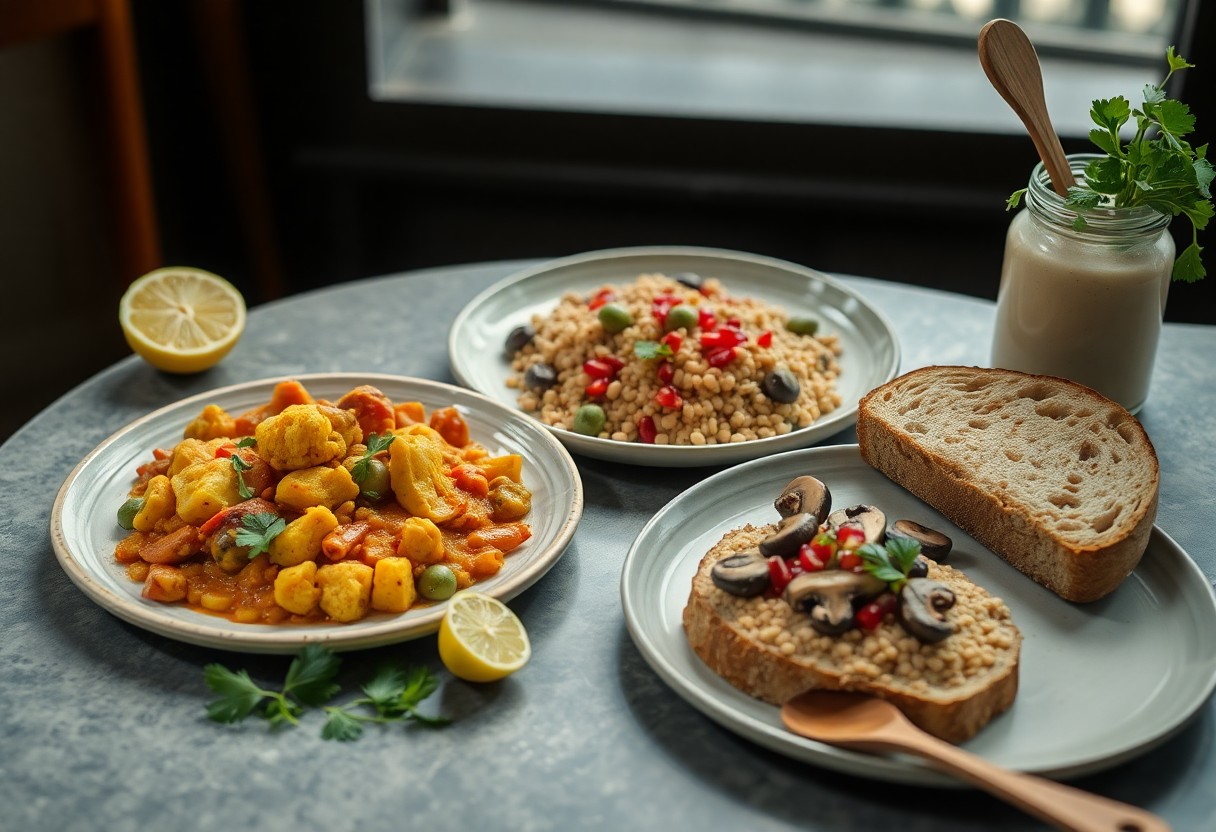
Flavorful Ingredient Alternatives
Herbs and Spices
Swap dried for fresh at a 3:1 ratio (1 tbsp fresh = 1 tsp dried) and toast whole seeds 1-2 minutes to unlock oils; cumin, coriander, and fennel transform when toasted. Use 1 tsp smoked paprika for a smoky note or 1 tbsp miso per cup of broth to boost umami, and sprinkle 1-2 tbsp nutritional yeast for cheesy depth. Try za’atar on roasted veg or 1 tsp sumac for lemony brightness without extra salt.
Protein Sources
Favor a mix of legumes, soy, and wheat proteins: 1 cup cooked lentils yields about 18 g protein, 100 g firm tofu ≈8 g, and seitan can reach ~25 g per 100 g. You can also use Greek yogurt, cottage cheese, eggs, and shelled edamame. Aim for roughly 20-30 g protein per meal by combining servings-e.g., 1 cup lentils plus ½ cup cooked quinoa approaches that target.
Press tofu 15-30 minutes and marinate it 30+ minutes so it soaks up flavors, then sear until golden for better texture. When you roast chickpeas at 400°F for 20-30 minutes they turn crunchy, and pan-frying tempeh 3-4 minutes per side after steaming softens and browns. Combine grains and legumes (rice + beans or 1 cup cooked quinoa + ½ cup lentils) to complete amino acids, and top bowls with 2 tbsp hemp or pumpkin seeds (≈5-7 g protein) for extra grams.
Essential Ingredients for Flavorful Vegetarian Meals
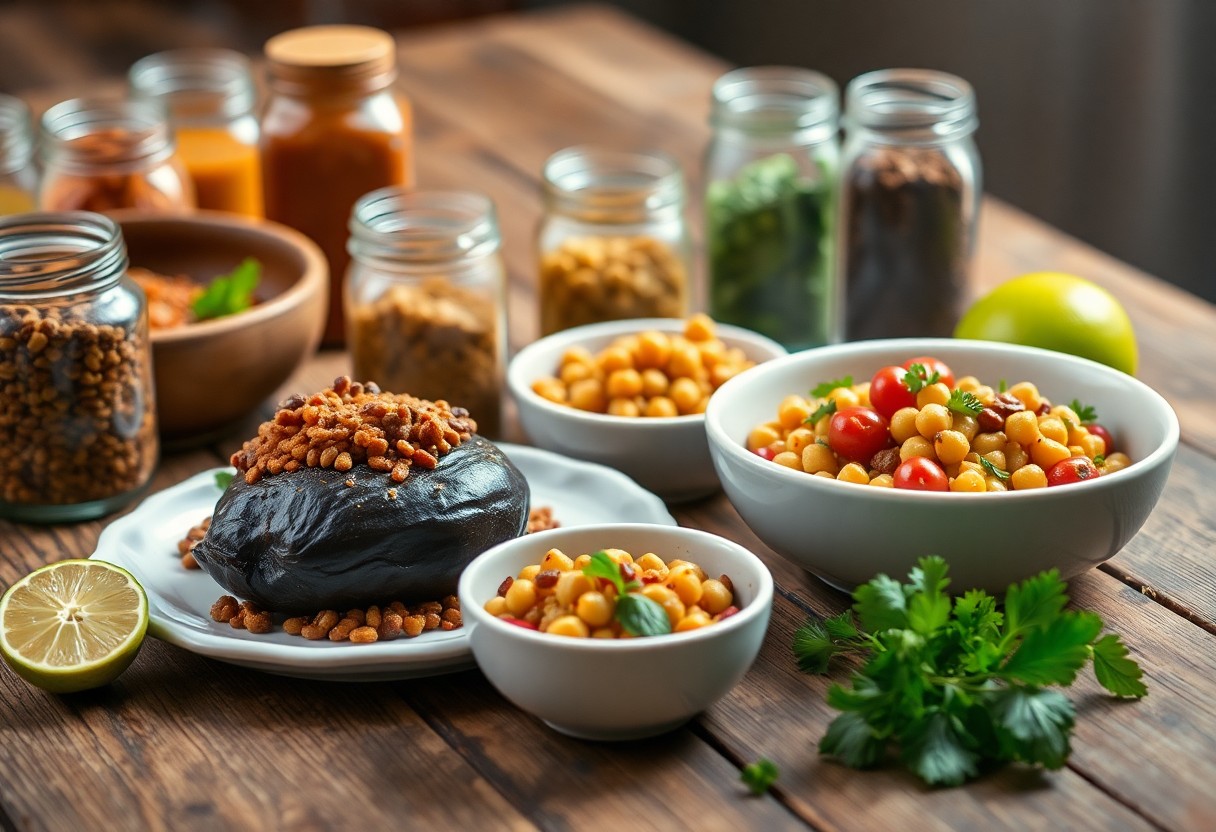
Build layers of taste using umami, acid, fat and texture: a tablespoon of miso or soy adds depth, 1-2 teaspoons of citrus zest lifts brightness, and toasted nuts or seeds contribute crunch and healthy fats. Keep staples like extra-virgin olive oil, coconut milk, sherry or rice vinegar, and a jar of preserved lemon or sundried tomatoes on hand. You’ll find small amounts-1 tsp smoked paprika or a pinch of chili-transform simple vegetables into memorable dishes.
Herbs and Spices
Use fresh herbs like basil, cilantro, parsley or mint at the end of cooking for brightness, while rosemary, thyme and bay stand up to long braises. Toast whole spices (cumin, coriander) in a dry pan for 30-60 seconds then grind to release oils; bloom powdered spices in 1-2 tablespoons oil to deepen flavor. Aim for 1 tsp of dried herb per 1 tbsp fresh as a guideline and adjust to taste.
Protein Sources
Rely on legumes and plant proteins: a cup of cooked lentils gives about 18 g protein, cooked chickpeas ~15 g, shelled edamame ~17 g, and cooked quinoa ~8 g per cup. Tofu (firm) provides roughly 8-12 g per 100 g, tempeh about 19 g per 100 g, and seitan can reach ~25 g per 100 g. Combine rice and beans or add nuts, seeds and dairy alternatives to balance amino acids.
To maximize texture and flavor, press and marinate tofu for 15-30 minutes before searing, crumble tempeh with soy, maple and mustard for savory fillings, and roast chickpeas at 200°C (400°F) for 20-30 minutes for a crunchy snack. Plan protein portions: 3-4 oz (85-115 g) of tofu/tempeh or 1 cup cooked beans typically supplies a substantial serving toward an adult’s daily need (about 0.8 g protein per kg body weight).
Quick and Easy Vegetarian Meal Ideas
You can pull together satisfying vegetarian meals in 10-25 minutes using pantry staples and a few fresh items. For example, a chickpea salad with lemon-tahini takes 10 minutes and delivers about 15 g protein per cup of chickpeas; a 20-minute tofu stir-fry with broccoli and brown rice yields fiber and 18-20 g protein. Combine grains, beans, quick-cooking greens, and a flavorful sauce to hit 20-30 g protein per plate while keeping prep minimal.
Breakfast Options
Start your day with protein-forward choices to keep you full until lunch: overnight oats with 1/4 cup chia (adds ~5 g) and 1/2 cup Greek yogurt (~10 g) gives ~20 g protein, or a 10-minute tofu scramble with 150 g firm tofu (~18 g) and sautéed spinach. You can also blend a smoothie with 1 scoop pea protein (20 g) plus frozen fruit for a portable, 5-minute option.
Lunch and Dinner Recipes
For lunches and dinners, you can rotate hearty bowls, sheet-pan meals, and pasta-lentil dishes. A Mediterranean bowl with 1 cup cooked quinoa (~8 g) + 1/2 cup roasted chickpeas (~7-8 g) plus olives and tzatziki is ready in 25 minutes; sheet-pan cauliflower, tempeh, and sweet potato takes 35 minutes but minimal hands-on time. Pasta tossed with 1/2 cup red lentils adds about 9-12 g protein per serving and stretches sauces.
Plan two to three large batches each week: roast 1-2 sheet pans and cook 3 cups of grains to assemble 6-8 bowls, storing portions in airtight containers for 3-4 days. You’ll save 30-60 minutes on busy nights, hit balanced macros by adding 1-2 cups of legumes or tempeh per batch to reach 20-30 g protein per meal, and keep a jar of miso-tahini or chimichurri for instant flavor upgrades.
Quick and Easy Vegetarian Breakfast Ideas
You can put together satisfying breakfasts in 5-15 minutes that deliver flavor and nutrients: a 10-minute tofu scramble (100 g firm tofu ≈ 8-10 g protein) with spinach and smoked paprika, 2-ingredient banana pancakes made from 1 banana + 1 egg (or flax egg), or a batch of overnight oats for grab-and-go mornings; aim for 15-25 g protein and 6-10 g fiber per meal by combining whole grains, legumes or dairy/plant protein and a serving of fruit.
Smoothie Bowls
You’ll get bright flavor and fiber by blending 1 frozen banana, 1/2 cup frozen berries, 1/2 cup unsweetened plant milk and 1/4 cup Greek yogurt (or silken tofu) for creaminess; top with 2 tbsp granola, 1 tbsp chia seeds and sliced kiwi for texture and 6-10 g extra protein. Use a high-speed blender, portion into a bowl and add contrasting crunch and color to keep you full until lunch.
Overnight Oats
Batch-prep by combining 1/2 cup rolled oats, 1/2 cup milk (dairy or plant), 1 tbsp chia seeds and a pinch of salt; refrigerate 6-8 hours and stir in 1/2 cup berries or 1 tbsp nut butter at serving. This mix gives roughly 150 kcal and about 5 g protein from the oats alone; you can scale servings or double the recipe for weekday breakfasts.
For more variety, use a 1:1 to 1:1.5 oats-to-liquid ratio depending on desired thickness, swap rolled oats for quick oats if you prefer softer texture, and add 2 tbsp nut butter or 1/3 cup Greek yogurt to boost protein by ~7-12 g and calories by ~150-200 kcal. Store jars up to 3-4 days, rotate flavors (cocoa + banana, apple-cinnamon with 1/4 cup chopped apple) and pre-portion toppings so you can grab, heat briefly or eat cold on busy mornings.
Meal Prep Techniques for Busy Lifestyles
Set aside 1-2 hours on a weekend to chop, roast, and portion: you’ll cut weekday cooking time by 70-80% and reduce decision fatigue. Invest in 3-5 airtight glass containers and a meal-labeling routine, then batch-cook a double pot of quinoa (1 cup dry ≈ 3 cups cooked) and roast 4 cups of mixed vegetables at 425°F for 25 minutes. Freeze single servings and rotate them into your weekly plan.
Batch Cooking Tips
Build a flexible system: cook 2-3 cups dry grains to yield 6-9 cups cooked, simmer 1 cup dried beans into ~3 cups cooked, and roast root vegetables on sheet pans to save time; par-cook tofu or tempeh for quick protein. Use mise en place to speed assembly and stagger oven tasks to maximize heat efficiency. The list below shows quick batch routines.
- Grains: cook 2 cups dry (rice/quinoa) to make 6-9 cups, portion into 1-1.5 cup servings.
- Legumes: soak beans 8 hours, then simmer 45-90 minutes; freeze in 1-cup portions.
- Veggies: roast at 425°F for 20-30 minutes, toss halfway for even caramelization.
- Proteins: press and marinate tofu, bake at 400°F for 20-25 minutes for texture.
- Sauces: batch 2-3 cups (pesto, tahini dressing) and freeze in ice-cube trays for single uses.
Storage and Reheating
You should refrigerate cooked meals within two hours and eat them within 3-4 days; freeze portions for 2-3 months for best quality. Use clear, stackable glass containers to avoid flavor transfer and label with dates. Reheat to an internal temperature of 165°F (74°C), stirring mid-heat to remove cold spots, and add a tablespoon of water when reheating grains to restore moisture.
Thaw frozen meals overnight in your refrigerator or use the microwave defrost setting; avoid leaving food at room temperature for more than two hours. For soups/stews, bring to a rolling simmer for 3-5 minutes; for bowls, sprinkle 1-2 tbsp water and microwave covered 60-90 seconds, then stir and check temperature. Only refreeze items thawed in the fridge and kept below 40°F.
Hearty Vegetarian Lunch Options
Stack lunches to keep you fueled: combine a whole-grain base, a legume or tofu protein, and vivid vegetables with a tangy dressing-aim for roughly 25-30 g protein and 600-700 kcal if you need a full midday meal. You can batch-cook 2-4 cups grains and 2-3 cups roasted veg per week to mix-and-match bowls, sandwiches, and wraps quickly.
Grain Bowls
When you build grain bowls, choose a base like 1 cup cooked quinoa (≈8 g protein) or brown rice (≈5 g), add 1/2-1 cup legumes or tofu, 1-2 cups roasted vegetables (425°F for 20-25 minutes), and a spoonful of seeds or nuts for texture. You can try a Mediterranean bowl with roasted eggplant, olives, tomatoes and tahini, or a Mexican-style bowl with black beans, corn, and lime-cilantro dressing.
Sandwiches and Wraps
When you build sandwiches and wraps, prioritize protein-dense fillings: 2 slices whole-grain bread provide ~6-8 g protein, so layer 1/2 cup mashed chickpeas (≈7-8 g), 3 oz grilled tofu (≈8 g), or 1/2 cup tempeh to hit satiety; add crunchy greens, quick-pickled onions, and a bold spread like harissa-yogurt or avocado-smash for flavor.
You can press tofu 15-20 minutes, marinate 20-30 minutes in 2 tbsp soy sauce and 1 tsp maple or chili, then pan-sear 3-4 minutes per side for caramelization; alternatively roast portobello caps at 400°F for 12-15 minutes as a meaty filling. Assemble wraps with hummus, 1 cup mixed greens, sliced cucumber, and wrap tightly-they keep well refrigerated for 24-48 hours.
Enhancing Flavor Without Compromise
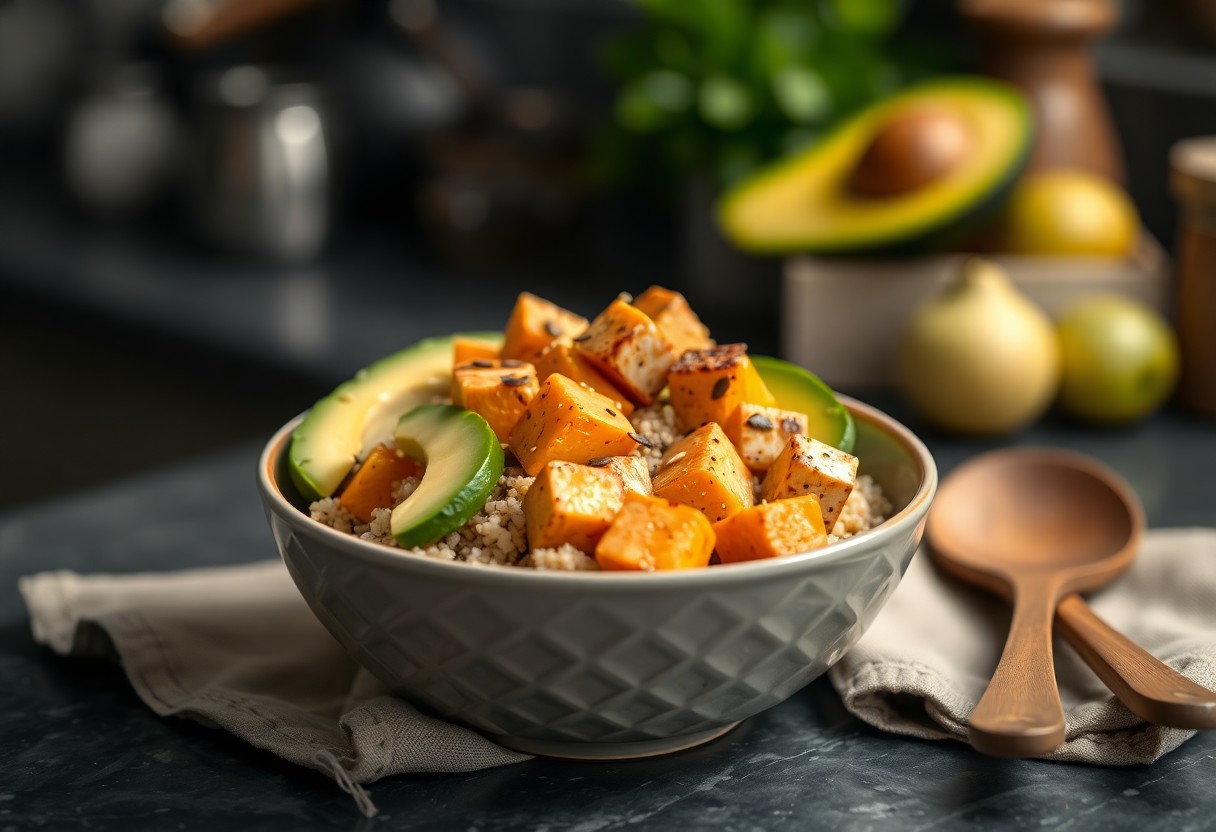
You can amplify taste without adding excess salt or fat by using high-heat caramelization, acid, and umami finishes; roast vegetables at 400-425°F for 20-30 minutes to brown sugars, finish beans with 1 tbsp miso or a squeeze of lemon, and add 2 tbsp toasted seeds or chopped herbs to lift flavors while keeping dishes nutrient-dense.
Cooking Methods
Searing, roasting, braising and steaming each pull different flavor profiles: roast at 425°F for 20-30 minutes for caramelization, sear tofu 3-4 minutes per side for Maillard browning, pressure-cook dried chickpeas 20-25 minutes to tenderize, and steam greens 2-4 minutes to preserve color and nutrients.
Combining Textures
Contrast keeps dishes engaging: pair creamy elements (½ cup yogurt or mashed beans) with crunchy toppings like 2 tbsp toasted seeds, or serve silky polenta alongside roasted vegetables; add a 1-2 tbsp herb gremolata or crisp pickles at service to introduce bright, crunchy notes that balance richness.
To achieve those textures reliably, press tofu 15-30 minutes then pan-fry in 2 tbsp oil for 3-4 minutes per side or try a freeze-thaw for chewier strands; roast vegetables in a single layer at 425°F with 1-2 tbsp oil, flipping once, and toast nuts/seeds 3-5 minutes-combine silky avocado with toasted pepitas or creamy hummus with roasted chickpeas for dynamic mouthfeel.
Flavorful Vegetarian Dinner Recipes
For weeknight dinners, aim for 20-35 minute recipes that deliver bold taste and balanced macros; try roasted chickpea bowls, lentil ragù, or a coconut curry to hit roughly 18-25 g protein and 8-12 g fiber per serving while keeping cleanup to a minimum.
Stir-Fries and Skillets
Start hot and organized: use 2 cups mixed vegetables, 4 oz firm tofu or tempeh, and 1 tbsp oil; sear protein 3-4 minutes per side, toss veggies 2-3 minutes to retain crunch, then finish with 1-2 tbsp soy or tamari, 1 tsp sesame oil, and 1 tbsp lime for brightness.
Pasta Dishes
Choose whole-grain or legume pastas that cook in 8-12 minutes to boost fiber and protein; combine 2 oz dry pasta with 1/2 cup cooked beans, 2 cups greens, and 1/4 cup grated cheese or 2 tbsp nutritional yeast, using 2 tbsp reserved pasta water to emulsify the sauce.
Boost depth by roasting vegetables (cherry tomatoes at 400°F for 20-25 minutes) and adding umami like 1 tbsp miso or 2 tbsp sun-dried tomato purée; you can swap 1/2 cup roasted veg for meat in classic recipes and portion leftovers into single servings that freeze for 2-3 weeks.
Common Misconceptions about Vegetarian Meals
Nutritional Myths
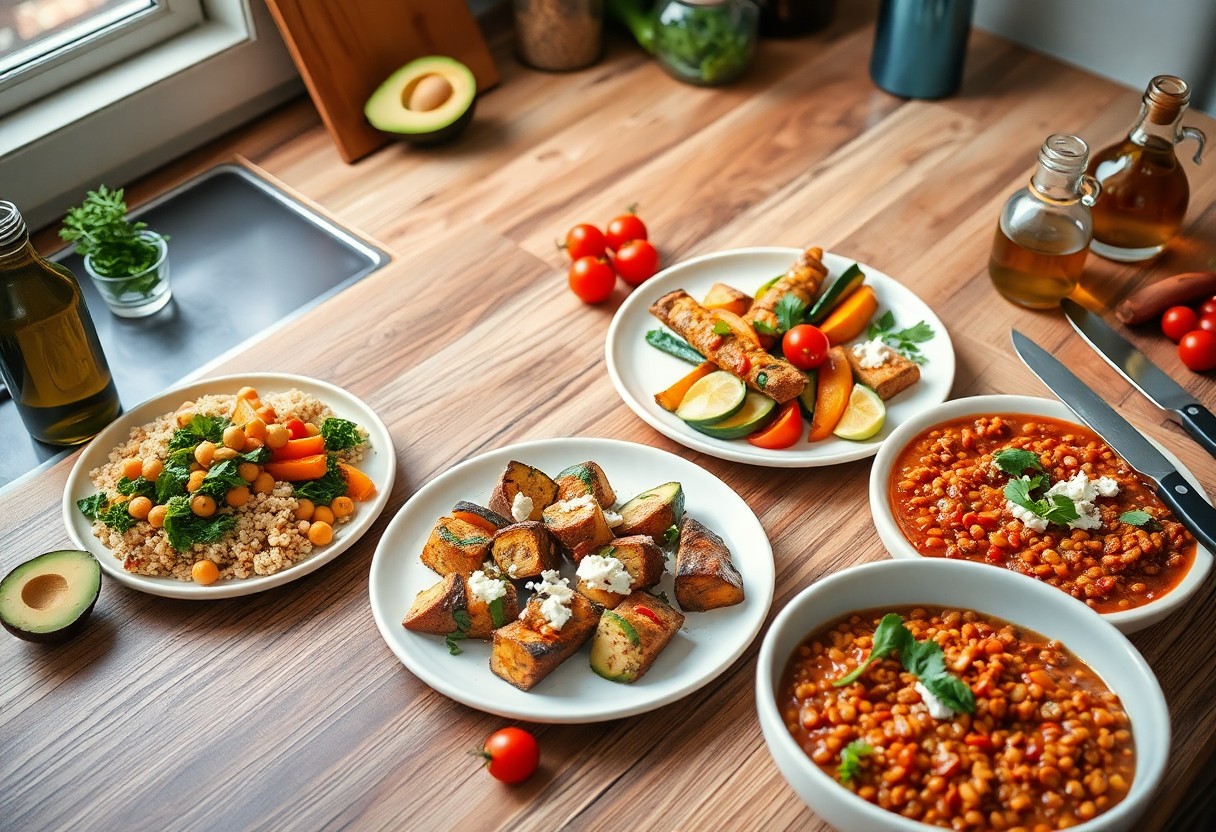
Many assume vegetarian diets lack protein and micronutrients, but you can meet needs easily: 1 cup cooked lentils provides about 18 g protein and roughly 15 g fiber, 100 g tempeh supplies ~19 g protein, and fortified plant milks or nutritional yeast help provide vitamin B12 (RDA 2.4 µg/day). Combine legumes, whole grains, nuts and seeds and include vitamin C-rich foods to boost non-heme iron absorption.
Taste and Satisfaction
Flavor and fullness come from technique as much as ingredients: chana masala, black bean tacos, or seared tofu with hoisin deliver bold savory profiles, while umami boosters like mushrooms, miso, soy sauce and nutritional yeast intensify depth. You’ll feel satisfied from high-fiber beans, whole grains and fatty plant foods-pairing textures (crisp, creamy, saucy) increases perceived satiety.
To amplify your satisfaction, focus on contrast and seasoning: roast vegetables at 220°C (425°F) for 25-35 minutes to caramelize, sear tofu 3-4 minutes per side for a crisp crust, and marinate proteins 30 minutes to overnight for deeper flavor. Acidic finishes-lemon, vinegar-or finishing salts and fresh herbs balance richness and make smaller portions feel more indulgent.
Satisfying Vegetarian Snacks and Sides
You can assemble snacks that double as sides: 1/2 cup cooked edamame (≈8-9 g protein) with sea salt, 1/2 cup roasted chickpeas for crunch, or a 1-cup farro salad with roasted peppers and lemon-tahini. Try swapping crackers for cucumber slices to cut 100-200 calories per serving. Aim for 150-300 kcal per snack-side portion so your meals stay balanced and keep you satisfied between main dishes.
Dips and Spreads
For hummus, blitz one 15-oz can chickpeas (drained) with 2 tbsp tahini, 2 tbsp lemon juice, 1 clove garlic and 1-2 tbsp olive oil-yields ~1.5 cups and keeps 4-5 days refrigerated. You can boost protein by stirring in 1/4 cup Greek yogurt (adds ~5 g protein per serving) or swap in roasted red peppers and cumin (1 tsp) for a smoky twist. Use fresh herbs to brighten every batch.
Roasted Vegetables
Roast at 400-425°F (200-220°C) and toss vegetables in 1-2 tbsp oil per pound, seasoning with salt, pepper and spices; spread in a single layer for best browning. Timing varies: halved Brussels sprouts 20-25 minutes, cauliflower florets 25-30 minutes. Finish with a squeeze of lemon or 1 tbsp balsamic and scatter herbs to add acidity and lift the natural sweetness developed in roasting.
To maximize caramelization give pieces 1-2 inches of space and flip once halfway through; crowded pans steam instead of brown. Roast sweet potatoes 30-35 minutes at 425°F, thin asparagus 10-12 minutes at 400°F. After roasting, toss with 1-2 tbsp toasted nuts, 1 tbsp nutritional yeast for umami, or 1 tsp za’atar; batch-roast 2-3 pounds and refrigerate up to 4 days for grab-and-go sides.
Conclusion
To wrap up, you can build a varied vegetarian menu that delivers bold flavor and balanced nutrition by combining whole grains, legumes, colorful vegetables, and herbs; with simple techniques like roasting, sautéing, and smart seasoning, your meals stay satisfying and nutrient-dense, and you’ll find meal planning and batch-cooking stretch ingredients, save time, and keep your diet flavorful and healthful.
Final Words
Following this practical guidance, you can create easy vegetarian meals that deliver vibrant flavor and balanced nutrition without extra effort. Focus on whole grains, legumes, seasonal produce, and bold spices to boost texture, protein, and micronutrients; plan simple swaps and batch-cook to save time. With modest planning and confident seasoning, your meals will satisfy taste and health goals every day.

Leave a Reply