
Many of your work or school days demand quick, nutritious snacks that sustain focus and fit tight schedules; this post gives practical, easy-to-prepare options-from protein-packed yogurt parfaits and nut mixes to veggie sticks with hummus and whole-grain crackers with tuna-along with simple packing tips so you can fuel productivity, avoid energy slumps, and make smarter choices without sacrificing taste or time.
Key Takeaways:
- Choose balanced snacks that combine protein and fiber (e.g., yogurt with granola, hummus with veggies, nuts) to sustain energy and focus.
- Favor portable, non-perishable or easy-fridge options (trail mix, fruit, cheese sticks) and pre-portion servings to control intake.
- Prep simple combos in advance-energy bites, veggie packs, sandwiches-to save time and avoid impulse choices.
Nutritious Packable Snacks
Pack smart: choose 1-2 servings (roughly 1-2 cups) of whole foods for your snack. Pair a protein with fiber-e.g., one hard‑boiled egg, a small banana and 10 almonds-or Greek yogurt (5-6 oz) with ½ cup berries. Use airtight containers and an ice pack to keep items chilled for 4-6 hours, and rotate perishable items in your fridge every 2-3 days.
Fresh Fruit Combinations
Combine apple slices with 2 tbsp peanut butter and a sprinkle of raisins for steady energy, or pack 1 cup mixed berries with a 3-4 oz container of cottage cheese to boost protein. Toss apples in 1 tsp lemon juice to prevent browning, portion fruit in 1‑cup reusable containers, and vary combinations-grapes with cubed cheddar or orange segments with pistachios-to keep your snacks interesting.
Veggie and Dip Options
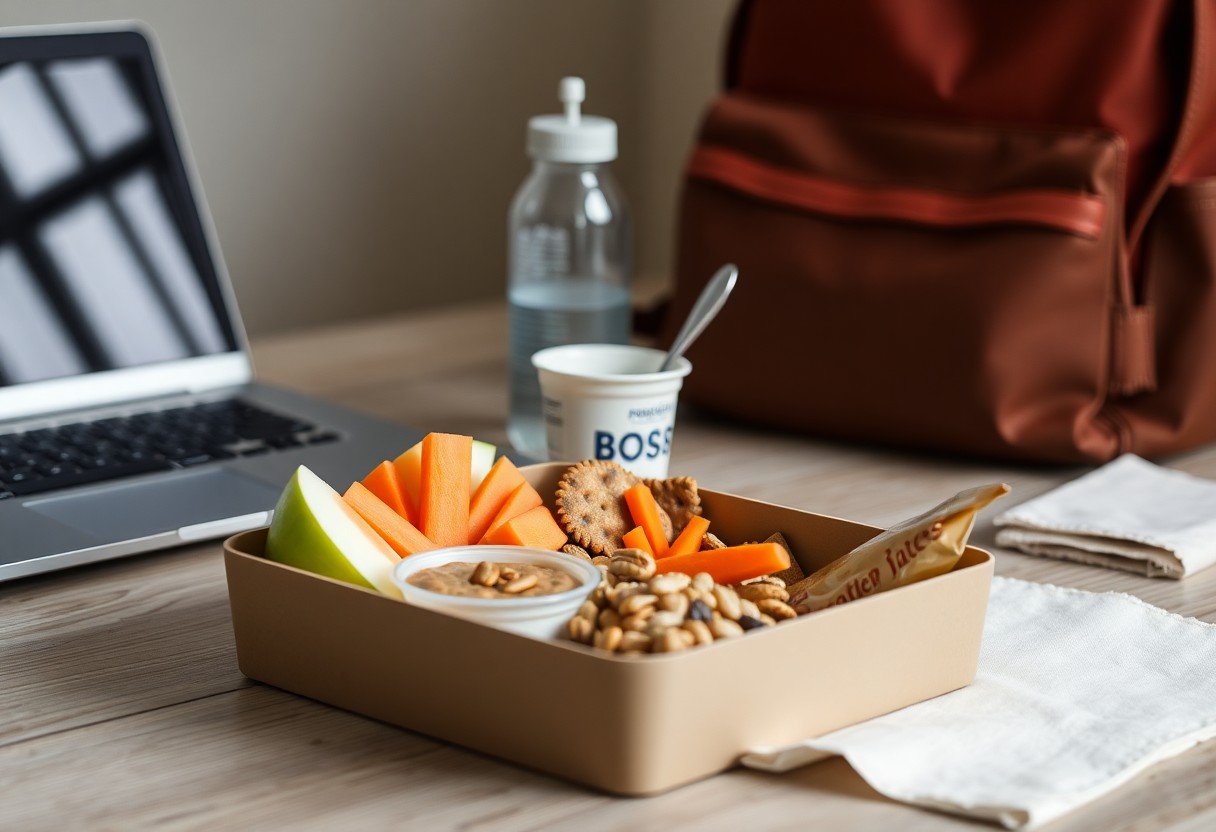
Reach for sturdy veggies-bell pepper strips, sugar snap peas, or carrot sticks-that travel well. Pair 1-2 cups of veggies with 2-4 tbsp of hummus, tzatziki, or black‑bean dip in a 3-4 oz container to avoid sogginess. Pack on ice if you expect more than four hours out, and rotate dips in your routine weekly to keep flavors fresh.
Prep by cutting veggies the night before and storing them between paper towels to absorb moisture; this preserves crunch for 48-72 hours. Choose Greek yogurt-based dips for extra protein-a ½ cup adds about 10-12 g-and measure servings so your snack stays balanced: 1-2 cups raw veggies plus 2-4 tbsp dip yields a satisfying portion.
Quick and Easy Homemade Snacks
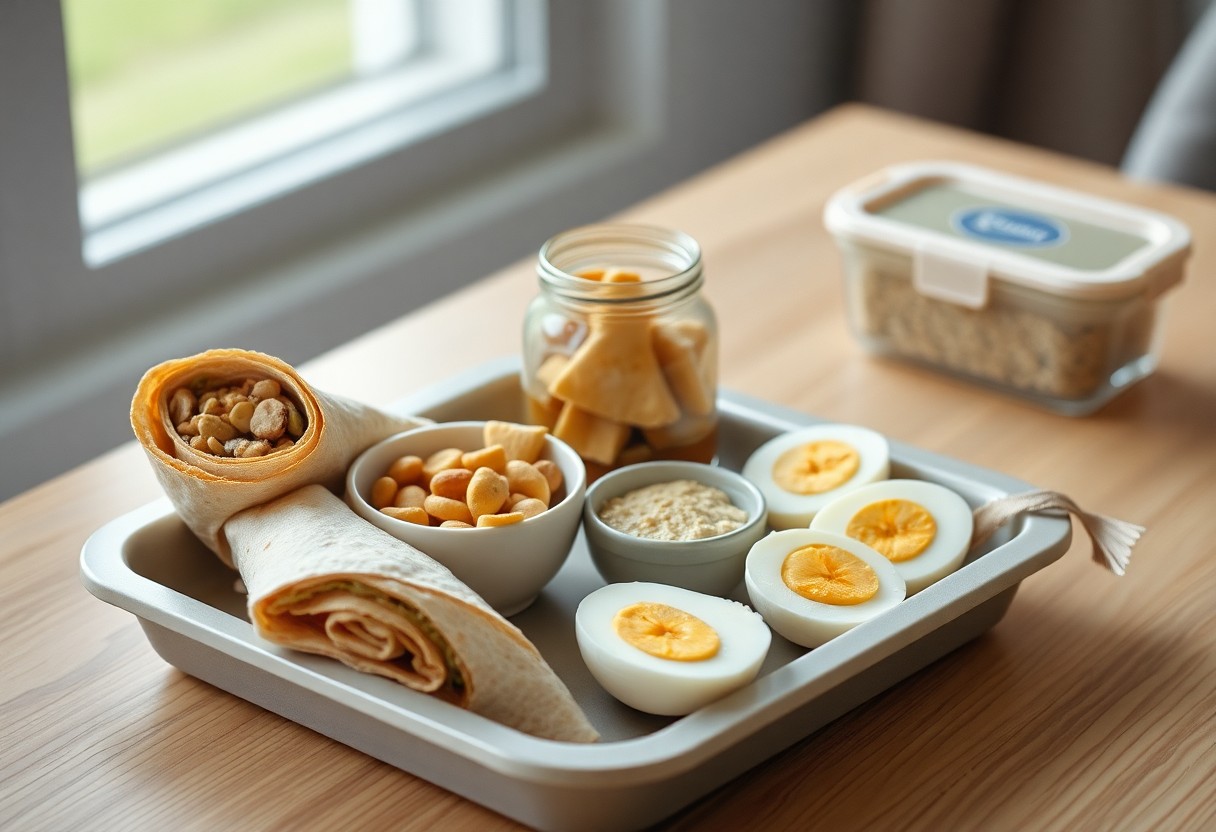
You can whip up simple, packable snacks in under 10 minutes using pantry staples like oats, nut butter, yogurt, and fruit; batch-making saves time-prepare 12 no-bake bars or roast 2 cups of chickpeas with 1 tbsp oil and spices for 30 minutes to add protein. Many recipes yield 6-8 portions per batch, so you control salt and sugar while lowering cost. Try portioning into single-serve containers to keep snacks fresh and calorie-controlled throughout your week.
Granola Bars
Make granola bars with 2 cups rolled oats, 1/2 cup nut butter, 1/3 cup honey or maple syrup, and 1/2 cup mix-ins (chopped almonds, seeds, dried fruit); press into a pan and chill 1 hour. Oats offer about 4 g fiber per 1/2 cup, so two medium bars can provide 3-5 g fiber depending on size. You can swap nut butter for sunflower seed butter to keep them nut-free and allergy-friendly.
Trail Mix Recipes
Build trail mix using a 2:1:1 ratio of nuts:seeds:dried fruit-for example, 1 cup almonds, 1/2 cup pumpkin seeds, and 1/2 cup dried cherries-then divide into 1/4 cup portions. A 1/4 cup serving typically provides about 150-200 kcal and 4-6 g protein depending on ingredients, making it easy to track energy. You can roast the nuts with 1 tsp cinnamon and a pinch of salt for extra flavor without adding much sugar.
For higher protein, add 1/4 cup roasted soy nuts or mix 3 tbsp pea protein into a small handful of seeds; to cut sugar, replace dried fruit with 1/3 cup freeze-dried berries or 1/4 cup unsweetened coconut flakes. You can make kid-friendly mixes by using a 2:2:1 ratio and adding 1/4 cup mini chocolate chips. Store your mixes in airtight containers for up to 4 weeks or portion into snack-sized bags for grab-and-go convenience.
Store-Bought Snack Options
When you’re short on prep time, store-bought snacks let you mix convenience with nutrition; aim for single-serve items under 300 kcal with at least 3-5 g protein. Choose products with ingredient lists you recognize – whole nuts, oats, fruit – and check sodium and added sugar. Examples that travel well include portioned nut packs, shelf-stable cheese sticks, Greek yogurt cups, and ready hummus with veggie dippers.
Healthy Snack Bars
You can choose bars that deliver 150-250 kcal, 7-12 g protein, and 3-8 g fiber; scan labels for total sugars under 10 g and whole-food first ingredients like nuts, oats, or dates. For sustained satiety, pick bars with 6-10 g fat from nuts or seeds. Popular formats include oat-and-nut bars, protein bars with whey or pea protein, and seed-and-fruit blends.
Pre-packed Dried Fruits
Pre-packed dried fruits provide concentrated energy and fiber-about a 1/4 cup (40 g) of raisins has ~120 kcal and 4 g fiber-so you can portion easily. Look for “no sugar added” labels, check for sulfites if you’re sensitive, and avoid packs with added syrups. Pairing with a small handful of nuts balances carbs with protein and healthy fats.
Different varieties vary: dried apricots supply vitamin A and potassium, dates are high in natural sugars but rich in potassium, and mango offers vitamin C. You can combine 1/4 cup dried fruit with 1 oz (28 g) almonds for ~200-250 kcal, 5-7 g protein, and 5-6 g fiber-an easy portable snack with better macronutrient balance and longer satiety. Check packaging for storage life and pack size to control portions.
Creative Sandwich Alternatives
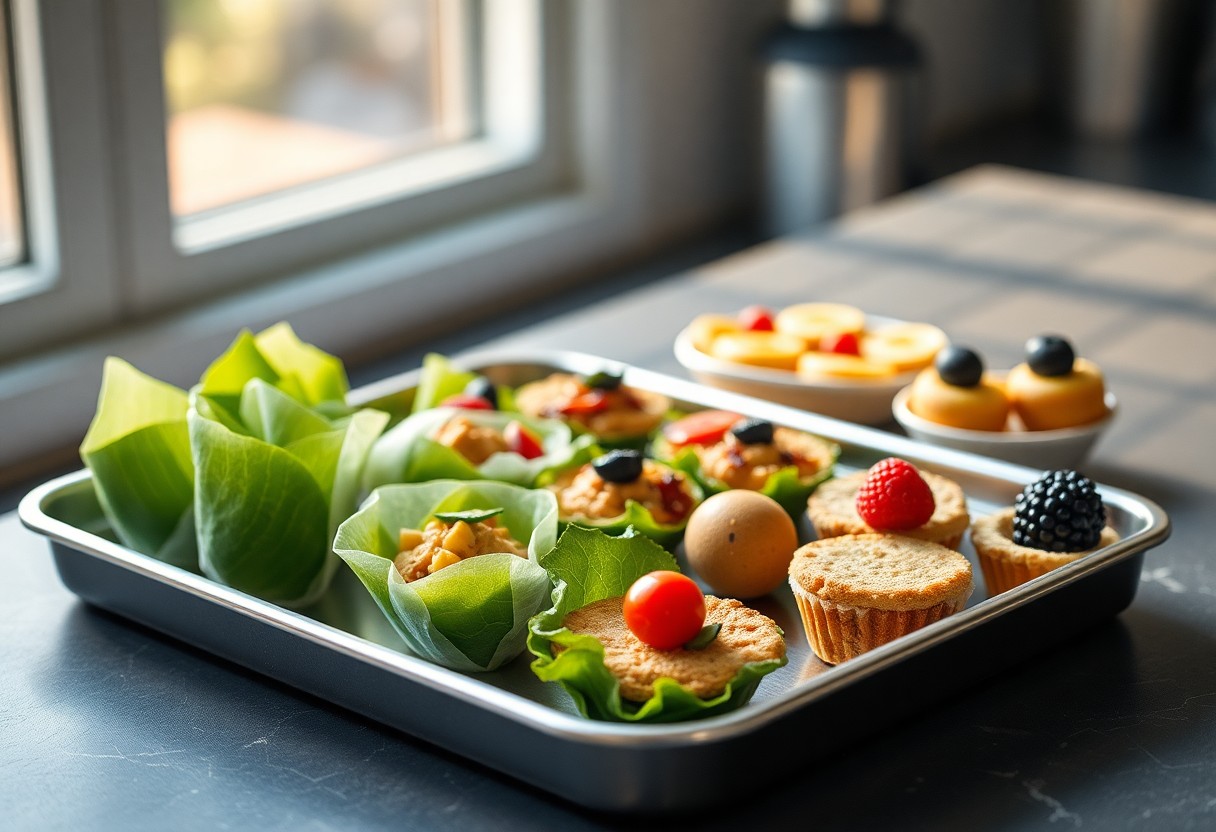
Branch out by swapping classic sandwiches for open-faced toasts, lettuce cups, rice-paper rolls, or stuffed vegetables; these options often cut carbs by 20-50% while boosting veggie volume. You can make a filling in 5-10 minutes-try smoked salmon with 2 tbsp cream cheese on seeded toast, or a tofu-miso rice paper roll with 1/2 cup shredded cabbage-to keep satiety high and prep time low for work or school days.
Wraps and Rolls
Use an 8-inch whole-wheat tortilla or large collard leaf to build compact meals that travel well; a typical turkey-avocado wrap (3 oz turkey, 1/4 avocado, 1 cup spinach) runs about 300-350 kcal. You should spread hummus or cream cheese as a moisture barrier, layer sturdier veggies on top, then roll tight and seal with parchment-this keeps wraps fresh up to 24 hours in the fridge and prevents sogginess.
Pita Pockets
Choose a 6-inch whole-wheat pita and stuff with 3-4 oz protein (grilled chicken, falafel, or tuna), about 1/2 cup mixed veggies, and 1-2 tbsp sauce for a balanced pocket near 350 kcal. You can use mini pitas (3-4 inches) for portion control, and pack wet dressings separately to maintain texture until you eat.
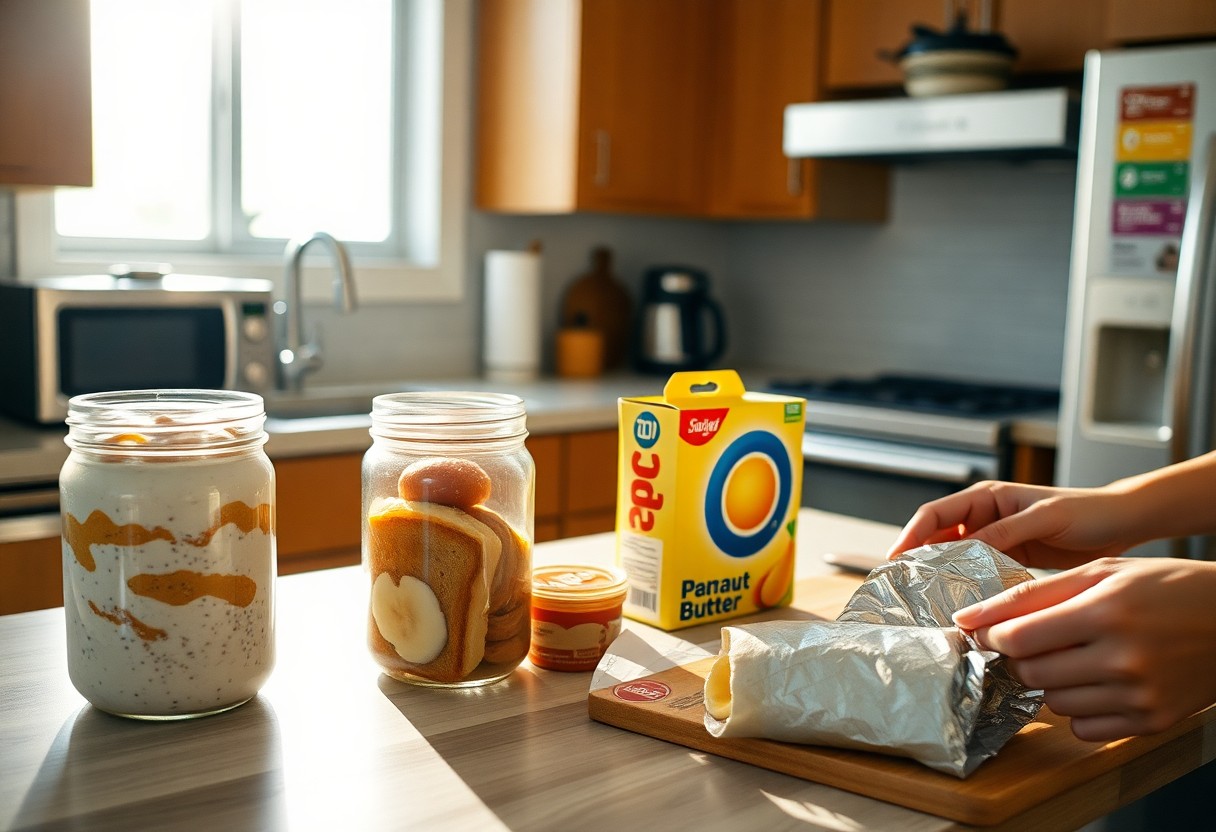
To prep pita pockets ahead, warm each pita 10-15 seconds in the microwave to open them easily, then fill with 3 oz protein, 1/2 cup cucumber-tomato mix, 2 tbsp tzatziki or hummus, and a sprinkle of feta; wrap in foil and refrigerate up to 24 hours. This routine yields a grab-and-go snack that provides ~20-25 g protein and plenty of fiber for steady energy.
Simple Sweet Treats
You can satisfy sweet cravings with compact options that still support steady energy: single-serve yogurt parfaits, 1-inch energy bite balls, dark-chocolate-dipped fruit, or 1-ounce granola bars. Aim for snacks under 250 calories and include 5-15 g protein when possible; one cup of Greek yogurt delivers about 17-20 g protein. Pack treats in airtight containers to keep portions controlled and flavors fresh.
Yogurt Parfaits
When you assemble a parfait, layer 1 cup plain Greek yogurt (≈17-20 g protein), ½ cup mixed berries, and ¼ cup granola; drizzle 1 tsp honey for sweetness. Mason jars work for grab-and-go-add frozen berries to keep cold until lunchtime. Swapping flavored yogurt for plain and adding cinnamon or lemon zest lowers sugar while keeping bright flavor and texture contrasts.
Energy Bites
You can make 12-16 energy bites with a basic mix: 1 cup rolled oats, ½ cup nut butter, ⅓ cup honey, and ½ cup mix-ins (chocolate chips, seeds, or dried fruit). Roll into 1-inch balls and refrigerate; each bite is roughly 80-120 calories, making them ideal for portion control and quick, portable energy between classes or meetings.
For extra protein, you can add ¼ cup protein powder or swap part of the nut butter for Greek yogurt in small test batches; try peanut‑butter-chocolate, almond-date-coconut, or tahini-cranberry combinations. Chill the dough 20-30 minutes before rolling for firmer balls, store in the fridge up to 10 days or freeze for 3 months, and eat one 30-60 minutes before a workout for quick carbs plus healthy fats.
Beverages to Accompany Snacks
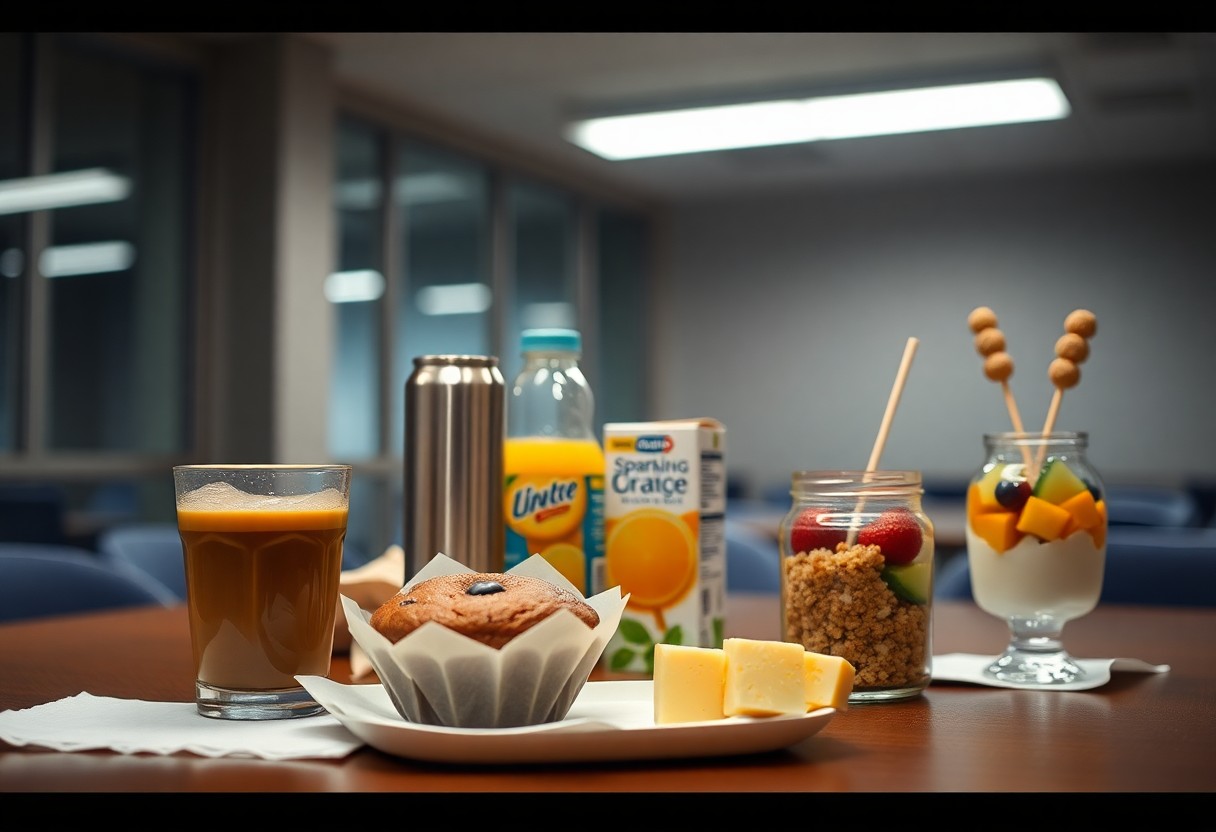
Pairing the right beverage keeps you hydrated and helps control hunger between meals; aim for 8-12 oz servings that complement flavors without adding 200+ extra calories. You can choose low-sugar options-black coffee, unsweetened tea, or a 12-16 oz smoothie with 15-25 g protein-or go lighter with infused water to sip over 1-2 hours while you work or study.
Smoothie Ideas
Blend a 12-16 oz smoothie using 1 cup Greek yogurt (≈20 g protein), ½ banana, ½ cup frozen berries, and 1 tbsp nut butter for sustained energy. You can swap in 1 scoop whey or plant protein for a 20-30 g protein boost, or toss in 1 cup spinach plus 1 tbsp chia for extra fiber; prepare in a travel cup for easy transport.
Infused Water Recipes
Try cucumber-mint (1 cup sliced cucumber + 6 mint leaves per liter), lemon-ginger (½ lemon slices + 1 tsp grated ginger per 750 ml), or strawberry-basil (½ cup sliced berries + 3 basil leaves per liter) and steep 30 minutes to 2 hours for noticeable flavor without sugar. You’ll get a refreshing drink with under 10 kcal per serving.
Use a glass pitcher or mason jar, and lightly muddle herbs to release oils; frozen fruit doubles as ice and won’t dilute quickly. You can refill the same fruit once; most infusions stay pleasant 24-48 hours refrigerated. Choosing infused water cuts added sugars compared to store-bought flavored drinks and helps you meet daily hydration goals of ~2-3 liters.
Conclusion
To wrap up, choosing simple, portable snacks empowers you to stay energized and focused during work or school; prepare combos like protein plus fruit, whole-grain crackers with hummus, or nuts and yogurt to balance taste and nutrition, and plan portions ahead so you can avoid midday slump and keep productivity high.

Leave a Reply