

You can make flavorful, budget-friendly vegetarian meals without sacrificing taste by focusing on whole grains, legumes, seasonal produce and smart pantry staples; with simple techniques-spicing, roasting, and layering textures-you’ll maximize flavor while minimizing cost. This guide shows practical recipes, shopping strategies and time-saving tips so you can cook satisfying plant-based dinners that please family and guests, reduce waste and keep your food budget in check.

Key Takeaways:
- Build meals around cheap, versatile staples-beans, lentils, rice, pasta, potatoes, frozen vegetables and inexpensive proteins like tofu or eggs-for filling, budget-friendly dishes.
- Maximize taste with bold seasonings, fresh aromatics, acids, and umami boosters (soy, miso, tomatoes, nutritional yeast), plus techniques like roasting, caramelizing and toasting spices.
- Plan, batch-cook and repurpose leftovers into bowls, soups or stir-fries to cut costs, save time and keep variety without extra effort.
Benefits of a Vegetarian Diet
Beyond cents saved, you gain measurable health and environmental wins when you center meals on plants: vegetarian patterns are associated with about a 25% lower risk of ischemic heart disease and typically yield higher fiber (25-35 g/day) and lower saturated fat intake. You also cut exposure to processed-meat harms and can meet protein needs via beans, lentils, tofu and whole grains while monitoring B12 and iron with fortified foods or supplements.
Health Advantages
You’ll likely see lower blood pressure, improved lipid profiles and reduced diabetes risk by choosing plants-meta-analyses suggest roughly a 25-30% lower risk of type 2 diabetes and meaningful LDL reductions (often 10-20%). Focus on whole foods: a daily serving of legumes (about 1/2 cup cooked) supplies 7-9 g protein and 6-8 g fiber, helping satiety and weight management while keeping sodium and processed meats low.
Environmental Impact
You directly shrink your food footprint by swapping ruminant meat for plants: the FAO estimates livestock produces about 14.5% of global greenhouse gases and uses roughly 70% of agricultural land while delivering only ~18% of calories. Producing 1 kg of beef can demand on the order of 15,000 liters of water versus roughly 4,000 liters for many pulses, so choosing beans, lentils and seasonal vegetables markedly lowers your water, land and emissions burden.
Digging deeper, life-cycle analyses show ruminant meat has the highest per-kilogram greenhouse‑gas and land impacts, whereas pulses, nuts and most vegetables sit at the low end. For example, replacing a single 200 g weekly beef portion with cooked lentils can save you tens of kilograms of CO2e and thousands of liters of embedded water over a year; pairing plant swaps with reduced food waste and local, seasonal buys multiplies those gains.
Essential Ingredients for Budget-Friendly Cooking
Stocking your kitchen with a tight list of versatile ingredients stretches both flavor and dollars: dried beans and lentils, long-grain rice, pasta, potatoes, oats, canned tomatoes, and a couple of frozen vegetable bags cover most bases. You’ll save by buying dried pulses (lentils often cost $1-$2 per pound) and larger rice bags (2-5 lb under $5). Add a neutral oil, vinegar, salt, pepper, and two to three spices and you can build countless meals without constant shopping trips.
Pantry Staples
You should keep dried beans, split peas, and brown or white rice on hand-dried beans run about one-third the price of canned and last a year when stored cool and dry. Pasta and rolled oats are cheap staples for quick dinners and breakfasts, while canned tomatoes and coconut milk add depth to stews and curries. Also invest in cumin, smoked paprika, chili flakes and garlic powder; just 4-6 spices unlock global flavors without expensive specialty ingredients.
Seasonal Vegetables
Choose produce that’s in season to maximize flavor and minimize cost: winter months favor cabbage, carrots, onions and citrus, spring brings peas and asparagus, summer gives you tomatoes, zucchini and corn, and fall delivers squash and sweet potatoes. You’ll often pay 20-40% less for in-season items, and their peak ripeness means fewer additives or expensive flavor fixes in recipes.
Buy seasonal at farmers’ markets or join a small CSA share to cut prices further-CSAs can reduce weekly produce spend by roughly 10-30% depending on your region. Preserve surplus by blanching and freezing (green beans 2-3 minutes then ice bath), roasting in large sheets for bowls, or quick-pickling cucumbers and onions; these methods let you capture peak flavor and spread it across many meals.
Quick and Easy Breakfast Recipes
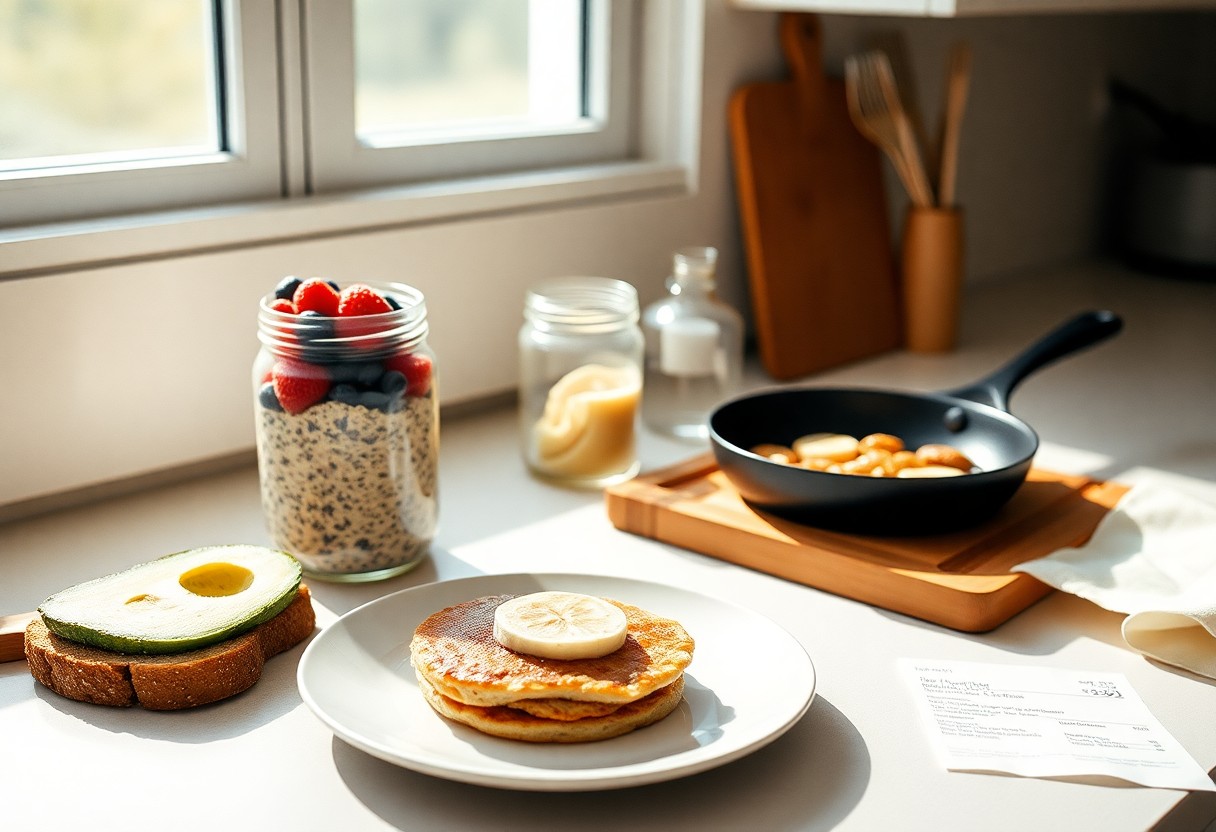
Mornings are prime for quick wins: focus on make-ahead staples and 10-minute dishes that deliver protein and flavor for under $1.50-$2 per serving. You can batch overnight oats, scramble tofu with frozen veg, or assemble breakfast burritos using canned beans and salsa-each option gives 10-20 g protein, reheats well, and uses pantry staples so you won’t feel rushed or break the grocery budget.
Savory Oatmeal Bowls
For a savory bowl, cook ½ cup rolled oats in 1 cup vegetable broth for 5-7 minutes, then stir in 100 g crumbled tofu or a fried egg, 1 tbsp soy sauce, and ½ cup frozen peas; top with scallions and chili oil. Oats provide ~4 g fiber and cost about $0.10-$0.25 per serving, while the tofu or egg raises protein to roughly 12-15 g, keeping the meal affordable and filling.
Smoothie Variations
Start smoothies with a 1:1 ratio of 1 cup liquid (water, plant milk) to 1 cup frozen fruit plus 1 banana, then add ½ cup Greek yogurt or ½ cup silken tofu and 1 tbsp nut butter for 15-25 g protein. Frozen fruit cuts cost by up to 30% versus fresh and retains nutrients, so you get nutrient-dense, budget-friendly shakes ready in under 3 minutes.
Batch-prep by freezing portioned fruit and ¼-½ cup oats per bag to thicken and add 3-5 g extra fiber; mix-ins like 1 tbsp chia (≈2 g protein), a teaspoon cinnamon, or a pinch of turmeric transform flavor profiles. Try combinations: banana+spinach+peanut butter, berry+oat+Greek yogurt, or mango+turmeric+coconut milk. Adjust liquid to control thickness and keep servings under $1-$1.75 depending on ingredients.
Wholesome Lunch Options
Midday meals should fuel your afternoon without breaking the bank: aim for 400-600 calories per plate using bulk staples and seasonal veg. You can batch-cook 6-8 servings of grains or legumes on Sunday, then mix and match toppings-roasted sweet potato, canned chickpeas, a drizzle of tahini-for variety. Practical swaps like frozen spinach and store-brand spices cut costs while keeping flavor high and prep time under 20 minutes on busy days.
Grain Bowls
Start with 1 cup cooked quinoa or brown rice as your base, then add 1/2 cup protein-roasted chickpeas, crumbled tofu, or a scoop of black beans-and 1 cup vegetables, raw or roasted. You’ll get balanced macronutrients and fiber, and you can assemble 4 bowls from 2 cups dry grain and two cans of beans. Mix dressings like lemon-tahini or soy-ginger for contrast, and store components separately to keep textures fresh.
Hearty Soups
Choose lentils, split peas, or minestrone-style broths for filling lunches that often stretch to 6 servings per pot and reheat well. You’ll simmer a base of onion, carrot, and celery for 8-10 minutes, add 1-2 cups legumes and 4-6 cups vegetable stock, then cook 20-30 minutes until tender. Freeze single portions to reduce waste and ensure you have inexpensive, ready-made meals on hand.
Try a simple red lentil soup: sauté 1 diced onion and 2 minced garlic cloves in 1 tbsp oil, add 1 cup red lentils, 1 tsp cumin, 1 tsp paprika, 4 cups vegetable broth and 1 diced carrot, then simmer 15-20 minutes and blitz until smooth. You can stir in a splash of lemon and 2 tbsp yogurt for brightness; this yields about 4 bowls and costs under $3 total when using pantry staples.
Delectable Dinner Ideas
When you plan dinners around pantry staples you get variety without waste: try a chickpea-and-spinach curry (one 15-oz can chickpeas, 4 cups spinach), a lentil shepherd’s pie (1 cup dried lentils yields ~2.5 cups cooked), or a 30-minute pasta with white-bean garlic sauce. Swap in seasonal vegetables and aim for two meatless dinners weekly to lower grocery spend by roughly 10-20% while keeping meals satisfying and nutrient-dense.
One-Pot Meals
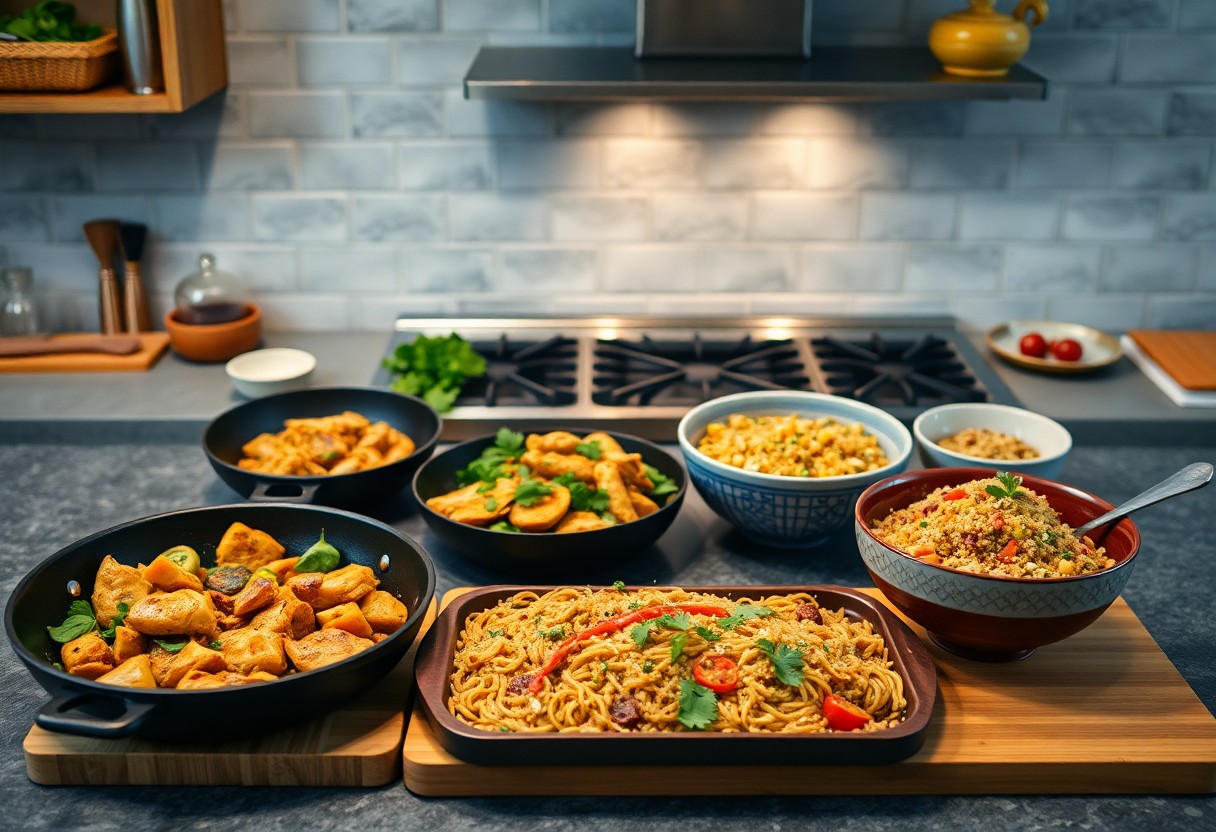
You can rely on one-pot dishes to save time and dishes: Moroccan chickpea stew, rice-and-black-beans, or a tomato-lentil ragout. Use 1 cup dried lentils (20-25 minutes simmer) or 1½ cups rice with 3 cups liquid, and build depth with a single sauté of onion, garlic, and spices. These batch easily into 4 servings and often cost under $1.50 per serving when you buy staples in bulk.
Flavor-Packed Stir-Fries
You should keep a stir-fry template: firm tofu or tempeh, about 3 cups mixed vegetables (broccoli, bell pepper, carrot), and a bright sauce. Flash-cook protein 3-4 minutes, cook veg 4-6 minutes over high heat, then toss with 2 tbsp soy sauce, 1 tbsp rice vinegar, 1 tsp sesame oil and a cornstarch slurry to thicken. Serve over leftover rice for a 15-20 minute weeknight win.
You can marinate tofu 10-15 minutes in 1 tbsp soy and 1 tsp grated ginger to boost flavor absorption; slice ingredients uniformly for even cooking and preheat your pan until a drop of water dances. Use frozen mixed vegetables to cut cost by up to 30%, add toasted sesame seeds or chopped peanuts for crunch, and scale the sauce by 1.5× for extra portions or to freeze 1-cup leftovers for quick reheats.

Flavorful Snacks and Appetizers
Small bites pack big flavor: assemble 8-12 skewers, a dozen crostini, or 24 mini falafel to feed a crowd without splurging. Focus on 3-4 components-one creamy, one acidic, one crunchy-so you can mix hummus, quick-pickled onions, and oven-roasted chickpea crumbs into variations. You’ll stretch a single batch of beans or roasted vegetables across multiple plates and showcase seasonal produce alongside pantry staples for variety.
Dips and Spreads
Start with a classic hummus (1 can chickpeas, 2 tbsp tahini, 1 lemon, 1 garlic clove) that yields ~2 cups and serves 6, then riff by adding roasted red pepper, 1 tsp smoked paprika, or a handful of frozen spinach. You can whip a 10-minute yogurt-tahini dip (1 cup plain yogurt, ½ cucumber, garlic, dill) that keeps 4 days refrigerated and pairs with raw veg, pita, or grilled polenta.
Creative Salads
Batch-cook 2 cups dry quinoa or farro to build 3-4 salads: quinoa + roasted sweet potato + ½ cup chickpeas + pepitas, or farro + kale + orange segments + ¼ cup feta. You’ll reach 350-450 kcal per serving by balancing 1-1.5 cups grains, ½-1 cup legumes, and a vinaigrette of 2 tbsp oil to 1 tbsp acid; toss just before serving to keep textures lively.
When you meal-prep salads, store components separately-grains, roasted veg, and dressing-to extend fridge life to 4-5 days and preserve crunch. Swap canned lentils for chickpeas to add 8-10 g protein per ½ cup, use lemon zest and 1 tsp mustard to stabilize dressings, and repurpose leftovers (grain + beans + dressing) into wraps or warm bowls to minimize waste.
Conclusion
Now you can prepare satisfying, budget-friendly vegetarian meals that prioritize flavor and nutrition without overspending; with smart shopping, seasonal produce, and versatile pantry staples, you’ll stretch ingredients into varied dishes that suit your schedule and tastes while developing skills to cook creatively and economically long-term.

Leave a Reply